Introduction
President Donald Trump’s ambitious diplomatic efforts to resolve multiple global conflicts simultaneously have sparked intense debate about his motivations, methods, and likely outcomes.
As Trump reportedly prepares to announce potential breakthroughs in Gaza ceasefire negotiations next week, questions arise about whether these initiatives represent genuine peacemaking or strategic positioning for personal and political gain.
The Gaza Ceasefire Prospects and Israeli Response
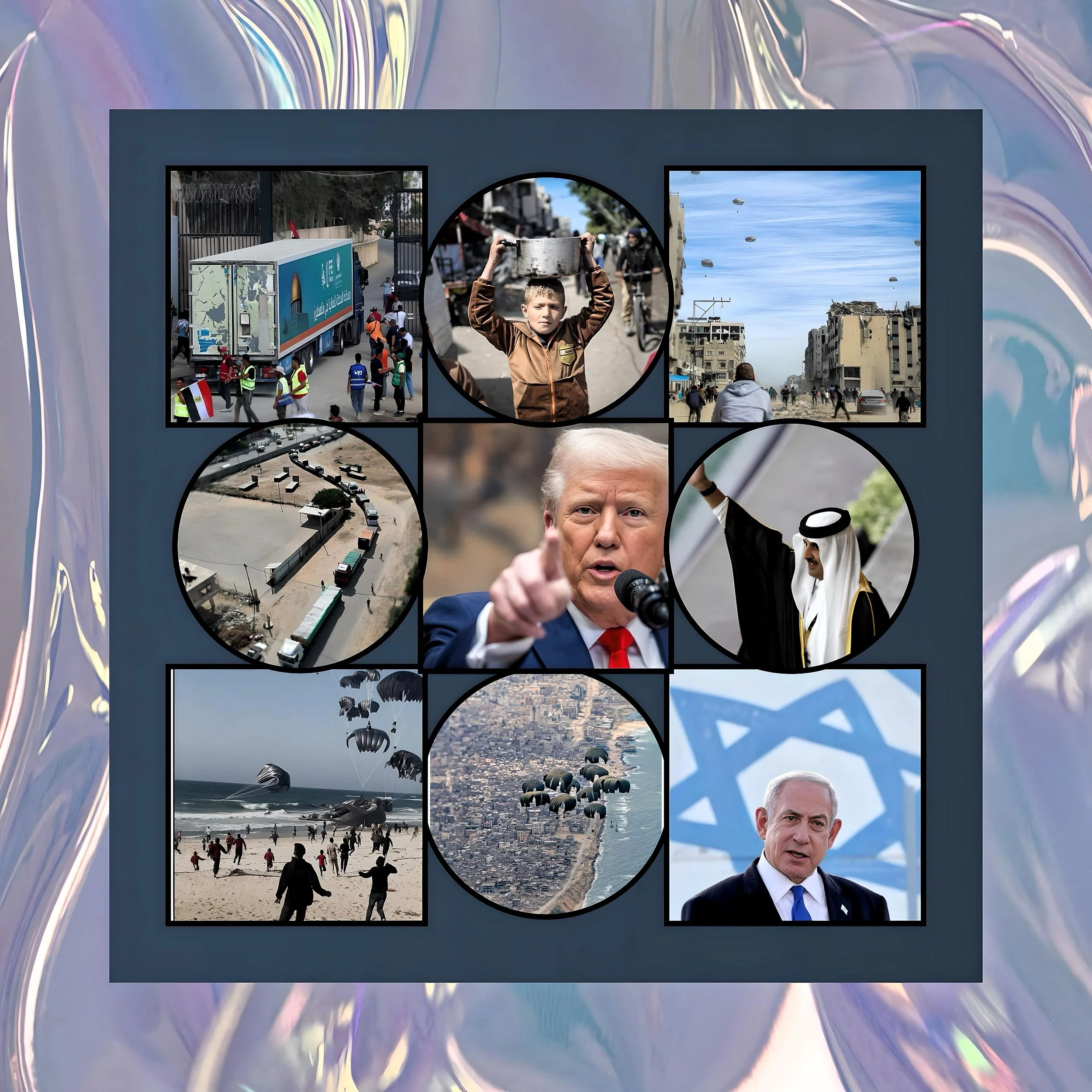
Trump’s prediction that a Gaza ceasefire could be achieved “within the next week” reflects renewed diplomatic momentum following the recent US-brokered Israel-Iran ceasefire.
This optimism comes after months of stalled negotiations, with Trump claiming to have spoken directly with “some of the people involved” in the peace process. However, the complexities surrounding Israeli responses suggest significant challenges ahead.
Israel’s Strategic Calculations
Israeli Strategic Affairs Minister Ron Dermer is expected to visit Washington next week for high-level talks on Gaza and Iran, potentially including discussions about a White House visit by Prime Minister Benjamin Netanyahu.
Israel’s options regarding Trump’s ceasefire proposals appear limited but strategically significant. Netanyahu has suggested that Israel’s recent confrontation with Iran could create “new diplomatic opportunities” and enable “a dramatic widening of peace agreements”.
However, Israel’s recent rejection of a US-mediated proposal that included the release of 10 hostages and a 70-day ceasefire demonstrates the complexity of reaching any agreement.
Israeli officials described the proposal as “a surrender to Hamas,” insisting instead on the “Witkoff framework” that calls for shorter truces without mentioning Israeli force withdrawals or Palestinian prisoner releases.
Trump’s Leverage and Limitations
Trump’s intervention in Netanyahu’s corruption trial, calling it a “witch hunt” and demanding its cancellation, reveals the personal nature of his diplomatic relationships.
This unprecedented interference in an ally’s judicial system has “unnerved some in Israel’s political class” and raised questions about the boundaries of American influence.
Opposition leader Yair Lapid criticized Trump’s intervention, stating, “He is not supposed to interfere in a legal process in an independent country.”
The recent humanitarian crisis in Gaza, with over 56,000 Palestinians killed according to local health authorities, adds urgency to ceasefire efforts.
Trump has acknowledged the “terrible situation” and announced $30 million in US humanitarian aid through the Gaza Humanitarian Foundation, though this mechanism has been “marred by near-daily mass casualty incidents”.
The Broader Peace Portfolio: Multiple Fronts, Mixed Results
Trump’s diplomatic portfolio extends far beyond Gaza, encompassing conflicts across multiple continents.
His administration has claimed success in mediating disputes between India and Pakistan, brokering agreements between Rwanda and the Democratic Republic of Congo, and facilitating ceasefires between Israel and Iran.
However, the sustainability and genuine impact of these agreements remain questionable.
India-Pakistan: Disputed Claims of Success
Pakistan has formally nominated Trump for the Nobel Peace Prize, citing his “decisive diplomatic intervention” during escalating tensions in May 2025. The Pakistani government credited Trump’s “pivotal leadership” with preventing “a broader conflict that could have had catastrophic consequences for the region”.
However, India has consistently denied that Trump played any mediating role, maintaining that the two countries resolved their differences through direct bilateral discussions.
This disagreement highlights a recurring pattern in Trump’s peace initiatives: claims of success that key participants dispute.
Indian officials have stated that “India does not and will not accept mediation regarding its issues with Pakistan,” contradicting Trump’s assertions about his central role in preventing conflict.
DRC-Rwanda: Economic Interests and Skeptical Outcomes
The US-brokered peace agreement between the Democratic Republic of Congo and Rwanda, signed on Friday, represents perhaps Trump’s most tangible diplomatic achievement.
The deal commits both nations to end support for armed rebel groups and establishes a timeline for Rwandan troop withdrawal from eastern Congo.
However, the agreement’s effectiveness remains uncertain, as the M23 rebel group—widely believed to be backed by Rwanda—was not included in the negotiations.
Trump’s frank acknowledgment that the US would gain “a lot of mineral rights from Congo” as part of the arrangement reveals the transactional nature of his diplomacy.
The DRC possesses untapped mineral resources valued at approximately $24 trillion, making American access to these deposits a significant strategic prize.
Critics note that previous peace agreements in the region have repeatedly failed, with the conflict claiming over 6 million lives since the 1990s.
The M23 rebels' absence from the peace talks raises serious questions about implementation. The group has been “solidifying its control over the cities it occupies” and may view any agreement made without their participation as illegitimate.
Iran-Israel: Fragile Ceasefires and Nuclear Uncertainties
Trump’s announcement of an Israel-Iran ceasefire following US strikes on Iranian nuclear facilities represents perhaps his most high-stakes diplomatic gamble. The president proclaimed, “CONGRATULATIONS WORLD, IT’S TIME FOR PEACE!” after declaring the ceasefire, claiming it would last “forever”.
However, early assessments suggest that Iran’s nuclear facilities at Isfahan, Natanz, and Fordow sustained significant damage without destroying the core components of the nuclear program.
Intelligence reports indicate that Iran may have relocated a stockpile of 400 kilograms of uranium enriched to 60%—just shy of weapons-grade levels—to a covert site before the strikes.
This development raises questions about whether Trump’s military intervention actually eliminated the nuclear threat or merely delayed it while potentially pushing Iran toward weaponization.
The Nobel Prize Ambition: Recognition and Motivation
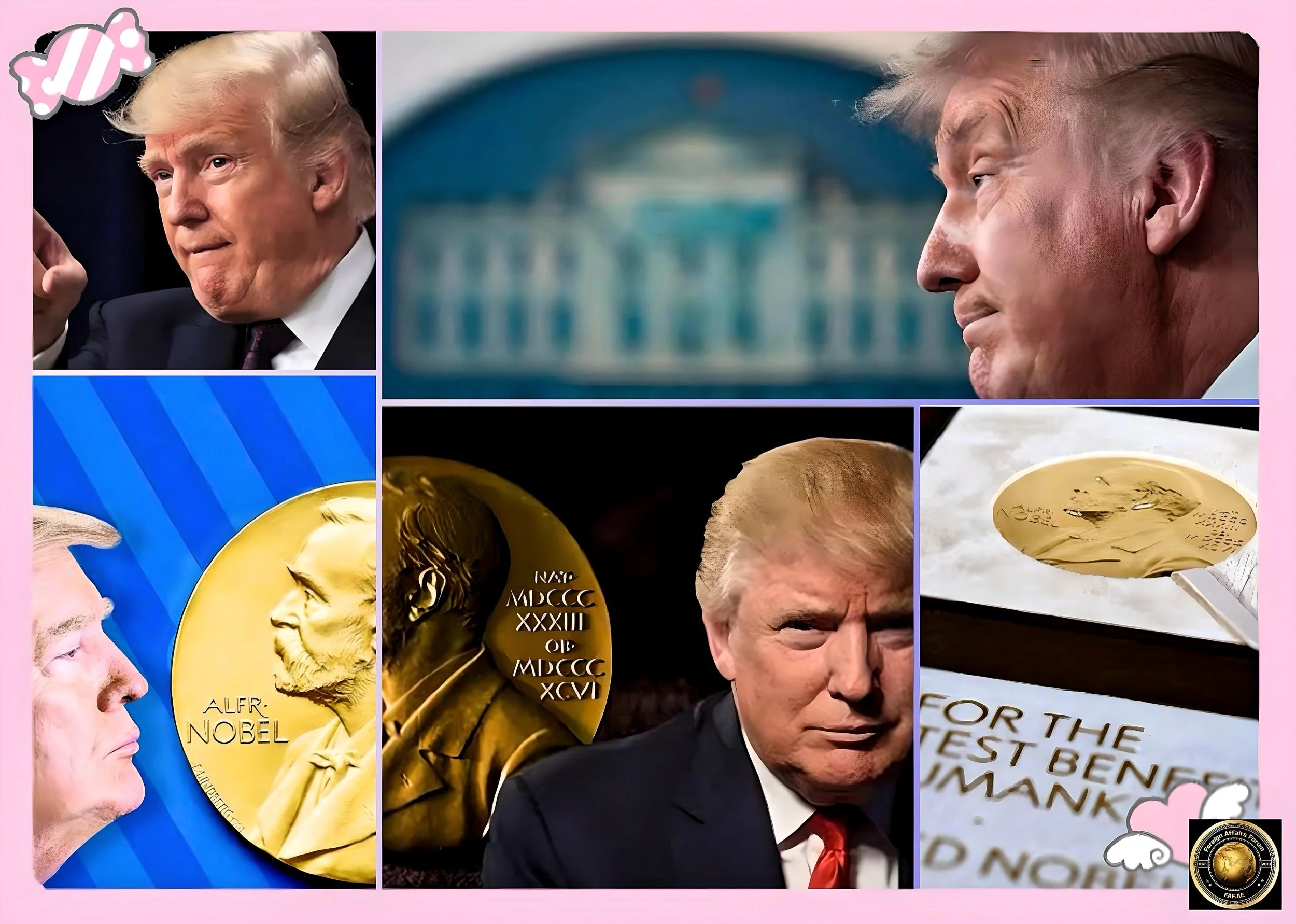
Trump’s frequent references to the Nobel Peace Prize reveal a significant motivational factor behind his diplomatic initiatives.
Despite being the favorite among bookmakers with a 13.3% implied probability of winning, Trump has repeatedly complained about a lack of recognition for his peacemaking efforts.
His Truth Social posts consistently conclude with variations of “I won’t get a Nobel Peace Prize no matter what I do”.
Historical Context and Political Calculations
Four US presidents have been awarded the Nobel Peace Prize: Theodore Roosevelt (1906), Woodrow Wilson (1919), Jimmy Carter (2002), and Barack Obama (2009).
Trump’s multiple nominations over the years, including by US and Ukrainian lawmakers for the Abraham Accords, demonstrate sustained international recognition of his diplomatic efforts.
However, experts note that the Nobel Committee operates as “a moral institution” rather than by “the rules of reality television or prediction markets”.
While potentially effective in securing short-term agreements, Trump's transactional approach to diplomacy may not align with the committee’s emphasis on principled peacemaking.
Domestic Challenges
The Facade Question
Critics argue that Trump’s international peace initiatives may distract from the significant domestic challenges facing the United States.
The American political system is experiencing unprecedented strain, with constitutional scholars warning of potential crises in the rule of law.
Constitutional and Judicial Tensions
The Trump administration’s relationship with the federal judiciary has become increasingly contentious, with attacks on judges and apparent defiance of court orders creating “increasing tension between the Trump administration and the US judiciary”.
Vice President JD Vance’s statement that “judges aren’t allowed to control the executive’s legitimate power” calls for impeaching judges who delay administration policies, which represents a significant departure from traditional separation of powers.
Public trust in the Supreme Court has reached historic lows. Only 40% of Americans approve of the Court’s performance—the lowest standing ever recorded. This erosion of institutional confidence coincides with broader concerns about democratic governance and the rule of law.
Economic and Social Pressures
Despite claims of economic success, Trump faces significant domestic challenges that may undermine his international credibility. His approval ratings have begun declining again, with 52% of Americans disapproving of his actions compared to 46% approval.
This domestic political weakness could limit his effectiveness as an international mediator and raise questions about the sustainability of any agreements he brokers.
The implementation of Project 2025 policies, including mass deportations and federal workforce purges, has created additional domestic turbulence.
Critics argue that these controversial domestic policies make Trump’s international peace efforts appear calculated to improve his public image rather than represent genuine diplomatic commitments.
Transactional Diplomacy
Business Deals or Genuine Peacemaking?
Trump’s approach to international conflict resolution reflects his background in business negotiations, emphasizing immediate gains and reciprocal benefits rather than long-term relationship building.
This “transactional diplomacy” has yielded some short-term successes but raises questions about sustainability and underlying motivations.
The Business Model of Peace
Several analysts have characterized Trump’s diplomatic style as “transactional diplomacy at work,” noting that “the days of diplomatic soft power are over”.
This approach treats international conflicts as business deals to be negotiated rather than complex political and social problems requiring sustained engagement.
The DRC-Rwanda agreement exemplifies this approach, with Trump explicitly linking peace to mineral extraction rights and economic partnerships with American companies.
While this may provide incentives for compliance, it also suggests that peace becomes conditional on economic benefits rather than intrinsic values of conflict resolution.
Strategic Limitations and Risks
Foreign policy experts warn that transactional diplomacy carries significant risks for long-term stability. By prioritizing “economic gain and immediate strategic alignment over any notion of value-based diplomacy,”
Trump’s approach may create agreements that collapse when economic conditions change or when parties find more attractive alternatives.
The emphasis on personal relationships and bilateral deals also undermines multilateral institutions and alliance structures that have traditionally provided stability in international relations.
This “stripped-down realism” may achieve short-term victories while weakening the foundations for lasting peace.
Ukraine
The Unresolved Challenge
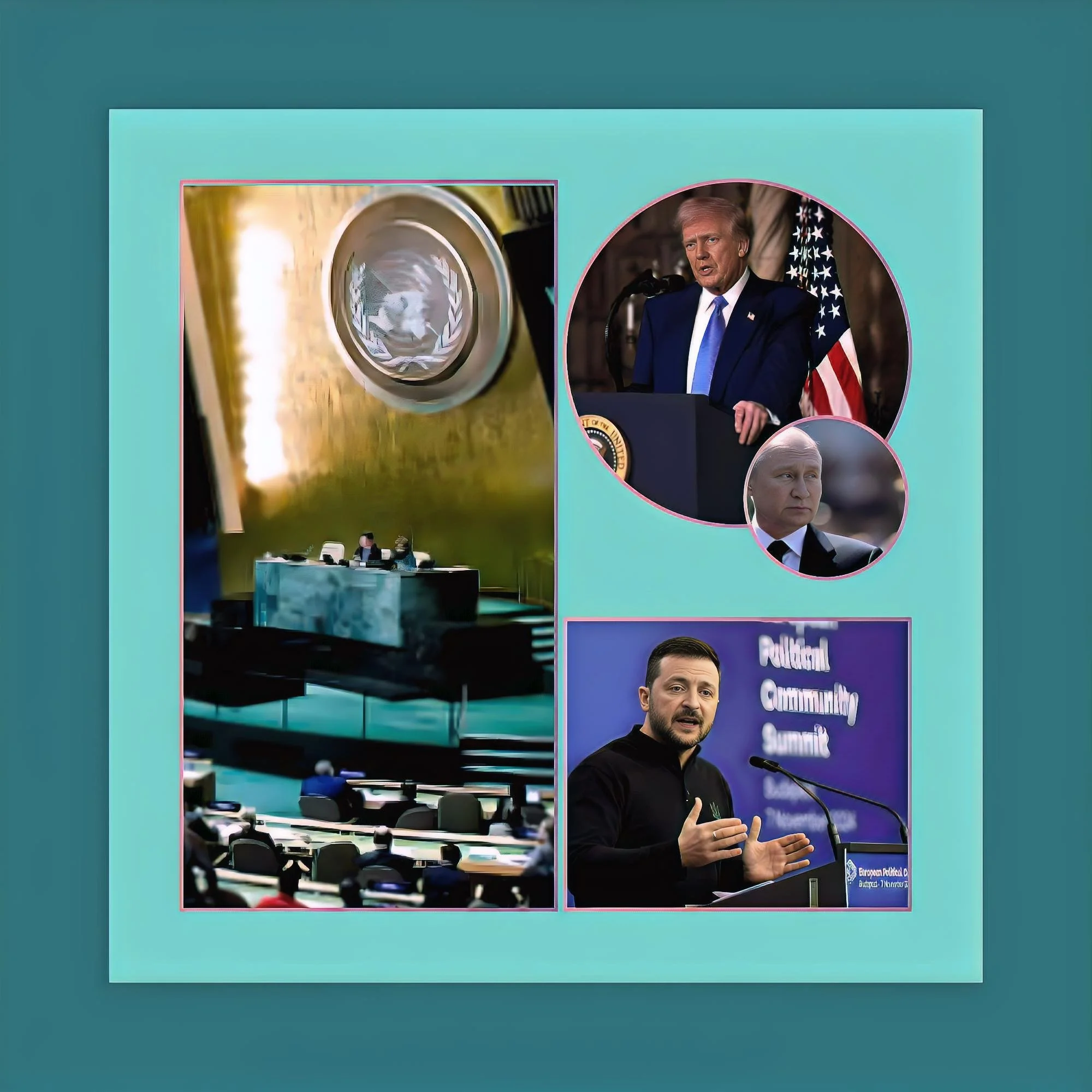
Trump’s inability to resolve the Russia-Ukraine conflict represents perhaps the most significant challenge to his peacemaker narrative.
Despite promises to end the war “within a day,” his proposals have faced resistance from both Ukrainian and Russian leadership.
Failed Peace Proposals
Trump’s “final offer” for Ukraine peace, requiring Ukrainian acceptance of Russian occupation of Crimea and significant territorial concessions, has been described by Ukrainian sources as “highly biased towards Russia”.
The proposal promises “de jure US recognition” of Russian control in Crimea and “de-facto recognition” of occupied territories, while offering Ukraine only vague security guarantees.
Russian President Vladimir Putin has rejected key elements of proposed frameworks, including European peacekeeping forces on Ukrainian territory.
This resistance suggests that “the Russian preference is for this to end on the battlefield with a Russian victory, rather than have to go to any kind of serious peace talks”.
Diminishing Leverage and Growing Frustration
Reports indicate that Trump has become frustrated with the peace process, suggesting he is prepared to “just back away” and allow fighting to continue if progress is not made soon.
This threat to withdraw US support could “fundamentally shift the balance of power in the war to the Russian side,” according to defense experts.
The administration’s decision to redirect counter-drone missiles originally intended for Ukraine and Trump’s criticism of Ukrainian leadership for “standing in the way of peace” suggest a concerning shift away from supporting Ukrainian sovereignty.
Implications and Prospects
Trump’s ambitious peace initiatives present a complex mixture of genuine diplomatic opportunities and calculated political positioning.
While some agreements, particularly the DRC-Rwanda deal, may provide frameworks for reducing immediate violence, the sustainability of these arrangements remains questionable given their transactional nature and the exclusion of key stakeholders.
Potential for Success
The integration of economic incentives with peace agreements could provide more durable foundations for conflict resolution than purely political arrangements.
Research suggests that “partial peace agreements can help build trust among negotiators and facilitate comprehensive accords,” indicating that Trump’s incremental approach may have merit.
The emphasis on American economic interests also ensures sustained US engagement in conflict resolution, potentially providing long-term stability through continued involvement.
This approach may be particularly effective in resource-rich regions where economic development can provide alternatives to conflict-based economies.
Risks and Limitations
However, the focus on personal relationships and bilateral deals creates vulnerabilities when leadership changes or when economic conditions shift.
The exclusion of key stakeholders, such as M23 rebels in the DRC agreement or civil society organizations in various conflicts, may undermine implementation and sustainability.
The apparent disregard for democratic institutions and rule of law, both domestically and in partner countries, raises questions about the legitimacy and durability of any agreements.
International partners may question the reliability of commitments made by an administration that shows limited respect for constitutional constraints and judicial oversight.
Conclusion
Strategic Assessment
Trump's peace initiatives exemplify a hybrid strategy that intertwines authentic diplomatic engagement with politically calculated maneuvers aimed at garnering Nobel Prize consideration and bolstering domestic support.
While certain agreements may mitigate immediate hostilities and establish frameworks for future collaboration, the inherently transactional character of these deals, coupled with the domestic challenges confronting the Trump administration, suggest that the likelihood of achieving transformative and enduring peace remains limited.
The true measure of these initiatives will hinge on their execution over time, as well as their capacity to endure shifts in leadership, fluctuating economic conditions, and evolving regional dynamics.
Current assessments indicate that although Trump may secure short-term diplomatic achievements, the foundations for sustainable peace are undermined by the exclusion of critical stakeholders, a preference for personal relationships over robust institutional frameworks, and an overarching prioritization of political gain at the expense of authentic conflict resolution.
The near future is pivotal in determining whether Trump’s predictions for a ceasefire in Gaza will materialize, as well as whether the diverse peace agreements can withstand impending pressures.
Success in Gaza could validate his diplomatic approach and advance his quest for Nobel recognition, while failure could lay bare the limitations of transactional diplomacy in addressing complex, deeply entrenched conflicts.
Regardless of the immediate outcomes, Trump's strategy signifies a fundamental departure from traditional American diplomatic practice, with uncertain long-term implications for global stability and conflict resolution.