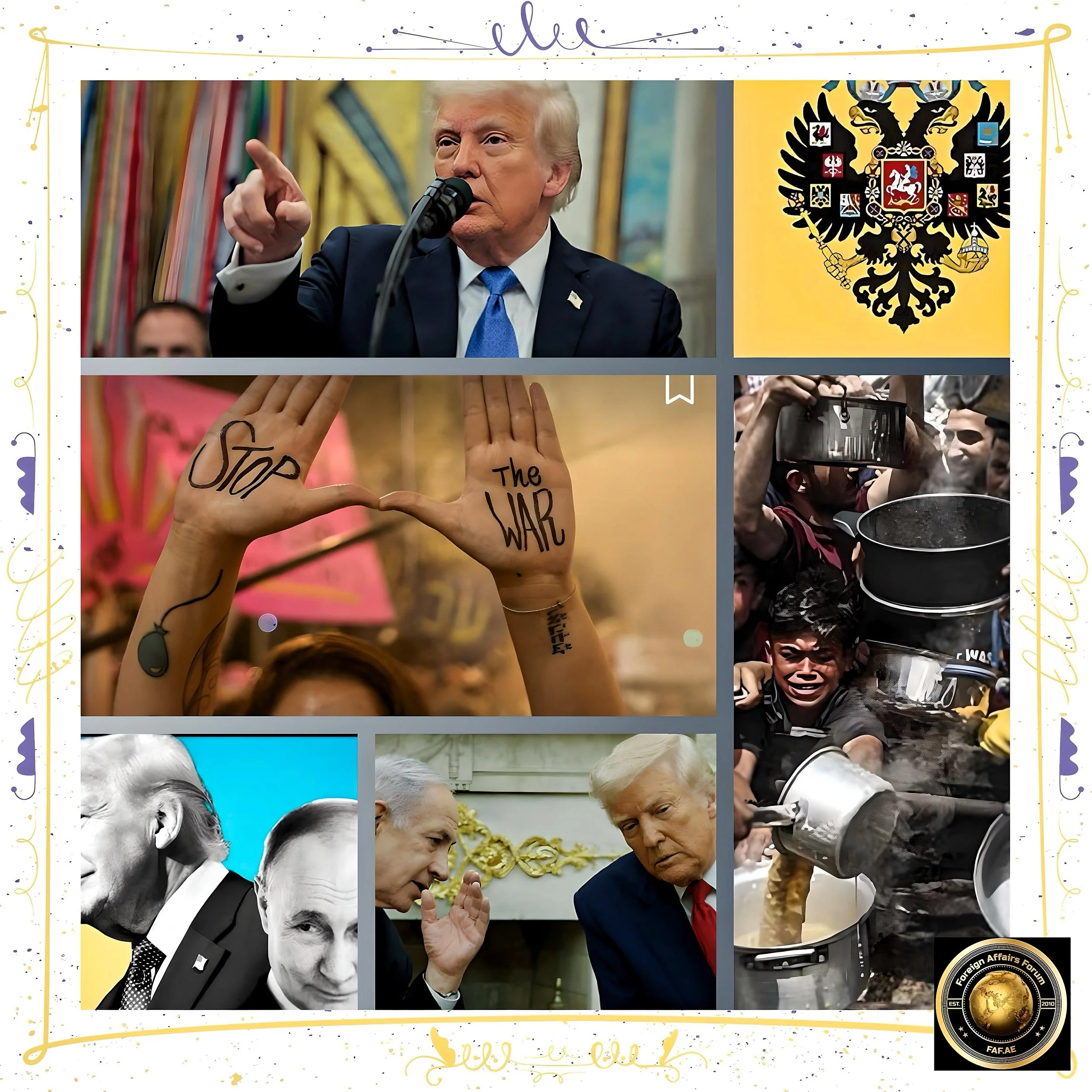
Trump’s Sharp Rebuke of Putin: A Dramatic Shift in US-Russia Relations
Introduction
On May 26, 2025, President Donald Trump delivered some of his harshest criticism yet of Russian President Vladimir Putin, marking a significant departure from his previously cordial relationship with the Russian leader.
Trump’s scathing remarks came in direct response to Russia’s largest aerial assault on Ukraine since the war began, demonstrating growing frustration with Putin’s escalating military actions despite ongoing peace negotiations.
The dramatic shift in tone suggests mounting pressure on the Trump administration to take a firmer stance against Russian aggression, particularly as civilian casualties continue to mount in Ukrainian cities.
FAF comprehensively analyzes the current situation involving Russia, Ukraine, and the United States.
In various publications, FAF asserts that "Putin's diplomacy and political savvy surpass anything seen under Trump."
Putin's ambition to dominate the entirety of Russia is unstoppable.
Ironically, Trump should have adopted a similar approach regarding Israel; this is what we identify as a significant failure of diplomacy and influence.
The Trigger: Russia’s Massive Aerial Assault
The immediate catalyst for Trump’s harsh words was Russia’s unprecedented overnight attack on Ukraine, which involved 367 drones and missiles—the largest such assault since the conflict began in February 2022.
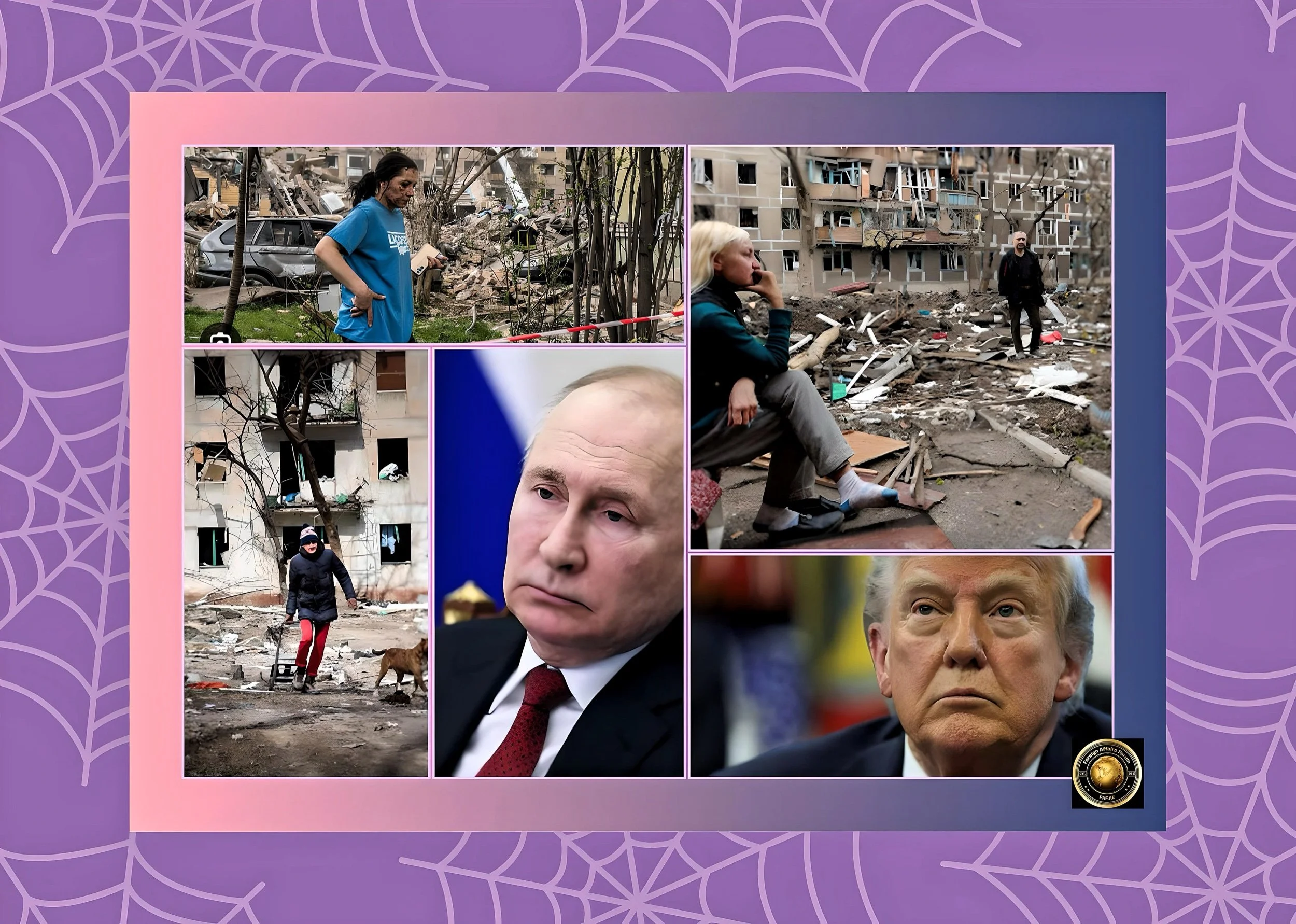
The barrage targeted multiple Ukrainian cities, including the capital, Kyiv, resulting in at least 12-13 civilian deaths and numerous injuries.
Among the casualties were children, and the strikes hit civilian infrastructure, including university dormitories and residential buildings.
Ukrainian President Volodymyr Zelensky characterized the attacks as deliberate strikes on civilian areas, emphasizing that “regular residential buildings were either destroyed or damaged.”
The scale and intensity of the assault appear to have caught international observers off guard, with Ukraine’s military intelligence warning that Russia plans to ramp up drone production to 500 units per day.
This escalation occurred while peace negotiations were underway, adding to the perceived betrayal that may have triggered Trump’s angry response.
The timing was particularly significant as it came just days after Trump had described a phone conversation with Putin as having gone “very well,” making the contrast in his subsequent statements all the more striking.
Trump’s Unprecedented Criticism
Trump’s condemnation of Putin was public and personal, representing one of his sharpest rebukes of the Russian leader.
Speaking to reporters at Morristown Airport in New Jersey, Trump declared: “I’m not happy with what Putin’s doing.
He’s killing a lot of people, and I don’t know what the hell happened to Putin”. The president emphasized his long-standing relationship with Putin, stating: “I’ve known him a long time, always gotten along with him, but he’s sending rockets into cities and killing people, and I don’t like it at all.”
Trump’s criticism intensified on his Truth Social platform, where he posted: “He has gone CRAZY! He is needlessly killing a lot of people, and I’m not just talking about soldiers. Missiles and drones are being shot into Cities in Ukraine, for no reason whatsoever”.
The president went further to warn Putin about his territorial ambitions, stating: “I’ve always said that he wants ALL of Ukraine, not just a piece of it, and maybe that’s proving to be right, but if he does, it will lead to the downfall of Russia!”.
This represents a significant departure from Trump’s diplomatic approach and suggests a fundamental reassessment of Putin’s intentions and mental state.
Trump also indicated that new sanctions against Russia could be forthcoming, telling reporters he was “absolutely” considering enhancing sanctions in response to the latest strikes.
However, the president criticized Ukrainian President Zelensky, saying he was “doing his Country no favors by talking the way he does” and that “everything out of his mouth causes problems.”
This dual criticism suggests Trump’s frustration extends to both parties in the conflict, though his condemnation of Putin was notably more severe.
International Reactions and Diplomatic Implications
The Kremlin’s response to Trump’s criticism was notably restrained. Spokesman Dmitry Peskov downplayed the comments as a result of “emotional overload” affecting everyone involved in the situation.
Peskov expressed gratitude to Trump for his assistance in organizing peace negotiations, stating: “We are grateful to the Americans and to President Trump personally for their assistance in organizing and launching this negotiation process.”
The Kremlin’s measured response suggests an attempt to preserve diplomatic channels despite Trump’s harsh rhetoric.
However, Peskov also defended the attacks as “retaliatory” measures, claiming they were responses to Ukrainian strikes on Russian infrastructure and targeted military facilities rather than civilian areas.
This characterization directly contradicts Ukrainian and international assessments of the strikes, which targeted civilian infrastructure and residential areas.
The Russian justification maintains legitimacy for continued military operations while avoiding escalation with the United States.
European leaders, notably French President Emmanuel Macron, responded with cautious optimism to Trump’s change in tone toward Putin.
Macron, speaking from Vietnam during a Southeast Asian tour, expressed hope that Trump’s “anger” toward Russia would “translate into action.”
The French president suggested that Trump was beginning to realize that Putin had “lied” to him about wanting a diplomatic resolution to the conflict.
Macron called for Ukraine’s international partners to set a firm deadline for Moscow to agree to a ceasefire, threatening “massive sanctions” should Putin continue to refuse.
Ukrainian President Zelensky responded to the attacks and Trump’s comments by calling for more decisive international action against Russia.
In a statement posted on social media, Zelensky declared: “Like any criminal, Russia can only be constrained by force.”
He emphasized that “only through pressure—including that from the United States, of course, and course, that of values—can attacks be stopped and real peace achieved.”
Zelensky’s response suggests Ukraine views Trump’s criticism as validation of its position that Russia only responds to strength rather than diplomatic overtures.
Broader Context of US-Russia Relations
Trump’s harsh criticism of Putin represents a significant evolution in his approach to Russia policy, which attempts at personal diplomacy and relationship-building have historically characterized.
Throughout his political career, Trump has often praised Putin’s leadership style and sought to maintain cordial relations with Moscow, making his current criticism all the more remarkable.
The shift appears driven by Putin’s continued military escalation despite ongoing peace negotiations, which may have convinced Trump that his diplomatic approach has failed.
The timing of Trump’s criticism is particularly significant given that it came during active peace negotiations that Trump himself had helped facilitate.
The fact that Putin launched such a massive attack while talks were supposedly underway appears to have been interpreted by Trump as a personal betrayal of their diplomatic relationship.
This context explains both the intensity of Trump’s reaction and his apparent surprise at Putin’s behavior, as evidenced by his repeated statements about not understanding “what happened” to the Russian leader.
The criticism also reflects growing domestic and international pressure on the Trump administration to take a firmer stance against Russian aggression.
European allies have long advocated for stronger sanctions and more decisive action against Moscow, and Trump’s comments suggest he may be moving toward a more confrontational approach.
However, the president’s continued criticism of Zelensky indicates he still views both sides as bearing responsibility for the conflict’s continuation.
Implications for Peace Negotiations and Future Policy
Trump’s dramatic shift in rhetoric toward Putin raises questions about the future of peace negotiations and US-Russia relations more broadly.
While the Kremlin has expressed gratitude for Trump’s previous diplomatic efforts, Putin’s decision to launch such a massive attack during active negotiations suggests either a fundamental misreading of Trump’s intentions or a deliberate decision to escalate regardless of diplomatic consequences.
This dynamic could complicate future peace efforts, as Trump’s relationship with Putin—previously seen as an asset in negotiations—has deteriorated.
The president’s threat of “massive sanctions” and his warning about Russia’s potential “downfall” signals a possible shift toward more confrontational policies.
However, the actual implementation of such measures remains uncertain, particularly given Trump’s continued criticism of Ukrainian leadership and his apparent desire to see both sides make concessions.
The dual nature of his criticism suggests that Trump may still pursue a middle-ground approach that pressures Russia and Ukraine to reach an agreement.
European leaders’ cautious optimism about Trump’s changed tone reflects their hope that the United States will finally align more closely with European positions on Russia sanctions and military support for Ukraine.
Macron’s call for “massive sanctions” and firm deadlines for Russian compliance represents the European perspective that only sustained pressure will force Putin to negotiate seriously.
Whether Trump will embrace this approach or maintain his preference for bilateral negotiations remains an open question.
Conclusion
President Trump’s unprecedented criticism of Vladimir Putin marks a watershed moment in US-Russia relations and potentially in the broader conflict in Ukraine.
The president’s description of Putin as “absolutely CRAZY” and his threats of Russia’s “downfall” represent the most severe condemnation he has ever directed at the Russian leader.
This shift appears driven by Putin’s decision to launch Russia’s largest aerial assault on Ukraine.
At the same time, peace negotiations were supposedly underway, suggesting a fundamental breakdown in the personal diplomacy that Trump had previously relied upon.
The international response to Trump’s comments reveals hope and uncertainty about future US policy toward Russia.
While European leaders express optimism that Trump’s anger will “translate into action,” the Kremlin’s dismissive response suggests Moscow may not view the criticism as indicative of fundamental policy changes.
Ukrainian leaders, meanwhile, are seizing on Trump’s comments to advocate for even stronger international pressure against Russia, arguing that “only force” can constrain Putin’s aggression.
The ultimate significance of Trump’s criticism will depend on whether it leads to concrete policy changes, including enhanced sanctions and increased support for Ukraine.
While the president’s harsh words represent a dramatic departure from his previous approach, his continued criticism of Ukrainian leadership suggests he may still seek a negotiated settlement that requires concessions from both sides.
The coming weeks will reveal whether Trump’s anger at Putin’s “crazy” behavior translates into the kind of sustained pressure that European allies and Ukrainian officials believe is necessary to end the conflict.