History of Cartels and Politics in Colombia: The Drug Trade’s Evolution and Current Challenges
Introduction
Origins: Violence, Politics, and the Rise of Cartels
The interplay between cartels and politics in Colombia is rooted in the country’s history of political violence and weak state control over rural areas.
The assassination of reformist leader Jorge Eliécer Gaitán in 1948 sparked La Violencia, a decade-long civil conflict between Liberal and Conservative factions, leaving around 250,000 dead and deepening urban-rural divides.
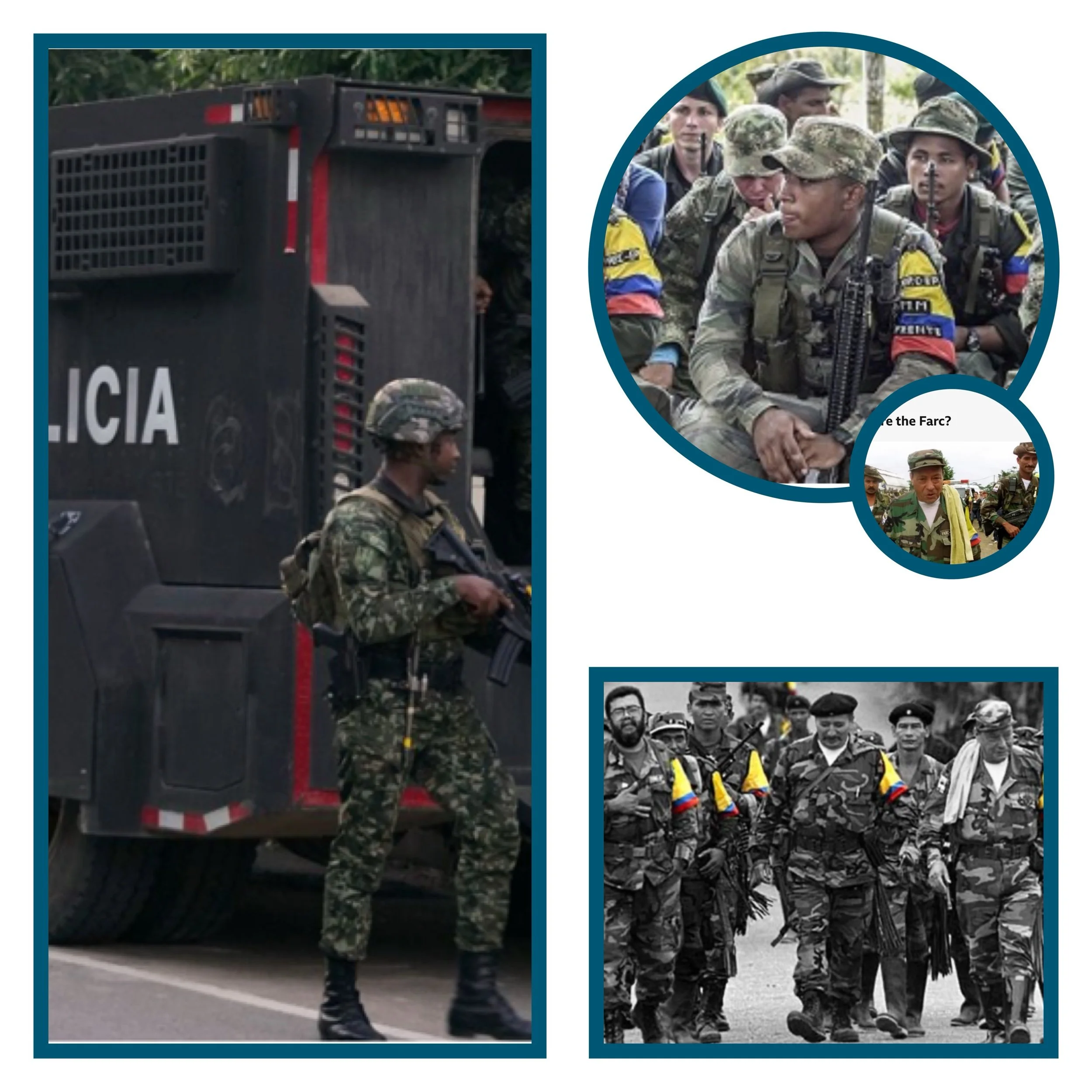
In the aftermath, the 1960s saw the emergence of leftist guerrilla groups like the Revolutionary Armed Forces of Colombia (FARC) and the National Liberation Army (ELN), which sought land reform and social justice.
Right-wing paramilitary groups formed in response, often with support from the landowning elite and elements of the state.
The Emergence and Evolution of Drug Cartels
By the 1970s, Colombia’s weak state presence in rural areas and existing criminal networks provided fertile ground for the rise of drug cartels.
The Medellín and Cali cartels became the dominant forces, controlling the cocaine trade and amassing immense wealth and power.
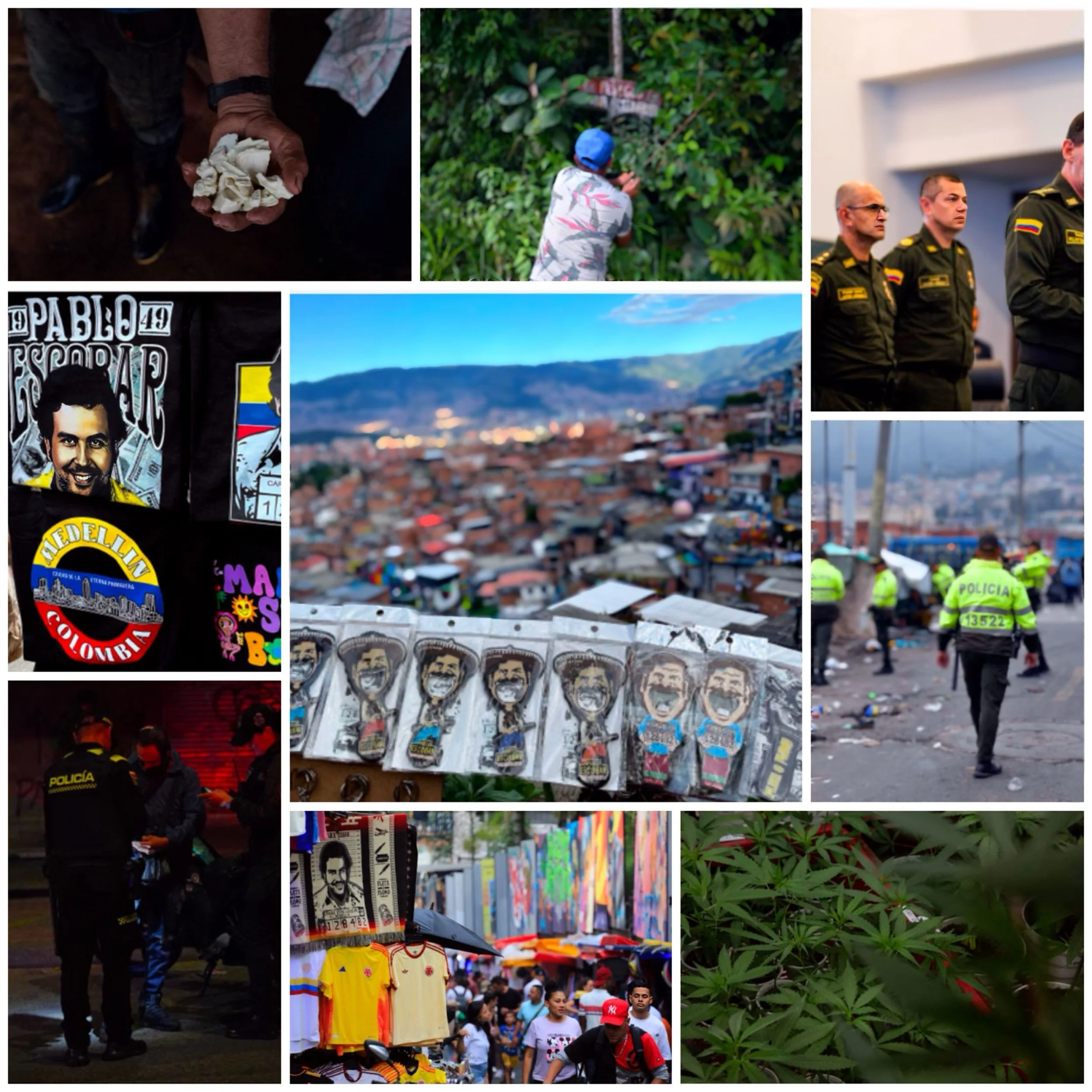
The Medellín Cartel, led by Pablo Escobar, was notorious for its violence, including assassinations of politicians, judges, and journalists, as well as its open confrontation with the state.
The Cali Cartel, in contrast, operated with greater subtlety, using bribery and infiltration rather than overt violence to influence politics and law enforcement.
Cartels and Political Influence
Drug cartels actively sought to corrupt and co-opt political institutions for protection and to ensure the continuation of their operations. This included:
Bribery and campaign financing
Notably, the Cali Cartel was implicated in funding the 1994 presidential campaign of Ernesto Samper, leading to a major political scandal during his administration.
Judicial intimidation and assassination
Cartels used violence to intimidate or eliminate judges, prosecutors, and politicians who threatened their interests.
Direct political participation
Pablo Escobar was elected as an alternate member of Colombia’s Congress in 1982, symbolizing the cartels’ penetration into formal politics.
Cartels also influenced the course of Colombia’s internal conflict.
Their private armies evolved into paramilitary groups, such as the United Self-Defense Forces of Colombia (AUC), which fought guerrilla groups and targeted leftist activists, often with tacit or explicit support from sectors of the state.
State Response and Political Reform
The escalation of cartel violence and their infiltration into politics prompted a series of state responses:
Extradition treaties with the United States, which became a major point of contention and a catalyst for cartel violence against the state.
Constitutional reforms in 1991, including the creation of a new prosecutorial system and expanded civil rights, were partly aimed at strengthening institutions against criminal influence.
Negotiations and plea bargains
Some cartel leaders surrendered in exchange for leniency, while others, like Escobar, continued violent resistance until their deaths.
The Legacy
Fragmentation and Continuing Conflict
The dismantling of the major cartels in the 1990s did not end the nexus of drugs and politics.
Instead, smaller trafficking organizations and armed groups, including guerrillas and paramilitaries, filled the vacuum, continuing the cycle of violence and corruption.
The FARC and ELN, for example, increasingly financed their insurgencies through taxing and participating in the drug trade.
Paramilitary groups, many with origins in cartel private armies, became deeply involved in both counterinsurgency and organized crime.
Contemporary Context
Today, Colombia remains a major producer of cocaine, and the legacy of cartel influence continues to shape its politics, security, and society.
While the forms of organization have changed, the underlying dynamics—weak state presence, social inequality, and the profitability of illicit markets—continue to link organized crime and political power in Colombia.
Recent FARC Dissident Kidnapping Incident Confirmed
In June 2025 kidnapping incidents had a significant escalation.
On June 22-23, 2025, 57 Colombian soldiers were kidnapped by civilians acting under coercion from FARC dissidents in the Micay Canyon area.
The military reported that 31 soldiers were taken on Saturday, followed by 26 more on Sunday by a crowd exceeding 200 people.
All 57 soldiers were successfully rescued after being held for two days.
The incident occurred in the EMC (Estado Mayor Central) controlled territory, the largest FARC dissident group that rejected the 2016 peace agreement. More than 20 people were captured during the rescue operation.
Clan del Golfo Under Intense Pressure
Clan del Golfo (AGC) is the dominant criminal organization though the group faces unprecedented pressure.
In May 2025, Colombian authorities arrested 217 suspected members of the Gulf Clan.
This followed what President Petro called the Gulf Clan’s “pistol plan,” where the cartel paid members between $2,300 and $3,500 for killing police officers.
Sixteen police officers and five soldiers were killed in attacks blamed on the Gulf Clan.
The government suspended peace talks with the AGC in early 2023, reversing the August 2024 decision to open official negotiations.
Mexican Cartel Infiltration Expands
There is a growing influence of Mexican Cartles namely the Sinaloa Cartel, Jalisco New Generation Cartel (CJNG), and Los Zetas - have established operations in Colombia.
The Sinaloa Cartel operates in Cali, Barranquilla, and the Caribbean coast, while CJNG has a presence along the Caribbean coast.
These cartels benefit from alliances with Colombian groups including the ELN, Clan del Golfo, and FARC dissidents. .
Notably, cartels are increasingly moving cocaine production to Europe, exporting cheaper coca paste to laboratories in Italy and the Netherlands.
President Petro’s Total Peace Policy Under Severe Strain
The characterization of declining public support for the Total Peace policy is confirmed by recent polling data.
As of June 2025, President Petro’s disapproval rating reached 64%, while his approval dropped to 29%. 72% of Colombians believe the Total Peace policy is moving in the wrong direction, and 85% think the security situation is worsening.
Violence between security forces and armed groups rose by 21% in 2024 after declining in 2023.
The policy has suffered major setbacks, including the collapse of ceasefire agreements with both the ELN and EMC factions.
Internal Displacement Crisis Worsens
Between January and December 2024, UNHCR confirmed 229 mass events affecting 52,580 people through displacement and 118,104 people through confinement.
However, the focus has shifted toward individual displacement, which now represents 75% of all displacement cases.
343,917 people were displaced between January 2023 and June 2024, with 75% individually displaced.
The departments most affected include Nariño, Cauca, Chocó, Bolívar, and Antioquia.
U.S.-Colombia Relations Deteriorating
U.S.-Colombia relations has worsened further.
Colombia faces potential decertification by the United States in 2025 for failing to meet Washington’s drug policy goals.
If decertified, Colombia could lose hundreds of millions of dollars in military aid and face economic sanctions.
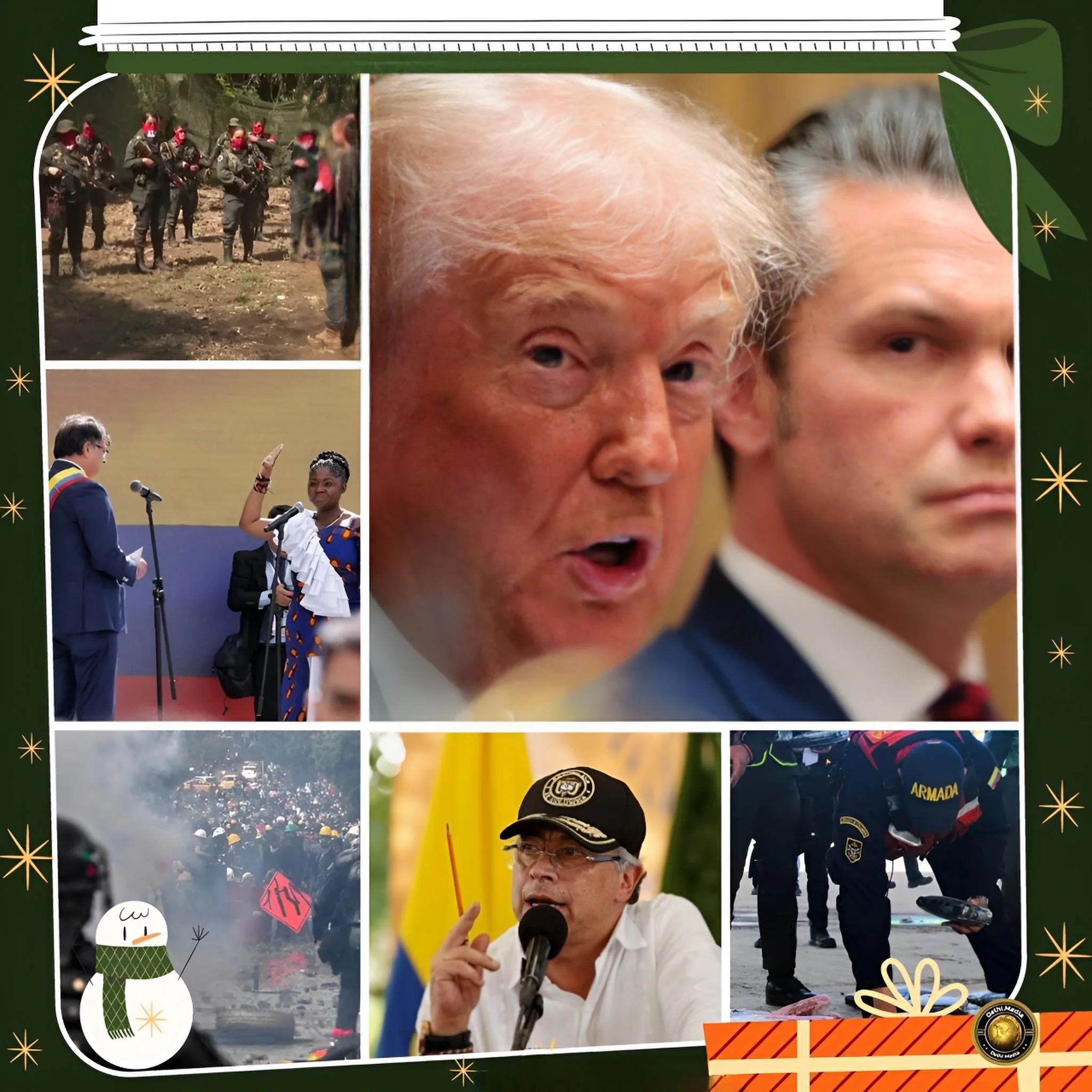
The relationship between Presidents Trump and Petro has indeed become increasingly strained, with Colombia narrowly avoiding harsh sanctions in January 2025 over reluctance to accept U.S. military deportation flights.
Government Response and New Strategies
In March 2025, President Petro announced a plan to eliminate 25,000 hectares of coca in the Catatumbo region within 140 days.
The government has reactivated manual eradication plans for approximately 30,000 hectares of coca.
The military and police have increased offensive operations, with record seizures and more captures, aerial bombardments, and large bounties for crime bosses.
However, these traditional approaches have historically proven ineffective at reducing production levels.
Conclusion
FAF's in-depth analysis effectively delineates the current security crisis in Colombia.
Historic Production Levels Observed
Cocaine production in Colombia has reached record levels, corroborating the trends outlined in your report.
In 2023, production surged by 53% compared to 2022, amounting to 2,664 metric tons. This marks the tenth consecutive year of escalating production estimates since 2013.
The area under coca cultivation expanded to 253,000 hectares in 2023, reflecting a 10% year-over-year increase.
Globally, cocaine production peaked at 3,708 metric tons in 2023, coinciding with an estimated rise in users worldwide from 17 million a decade ago to 25 million today.
Projections indicate potential growth of illicit crop cultivation to over 290,000 hectares by 2025, with cocaine production possibly escalating to 3,000 metric tons annually.
Record seizures are anticipated, with estimates reaching 848.5 metric tons of cocaine in 2024—almost twice the total from 2019.
Nevertheless, officials express concern that these figures may underestimate the volume of drugs departing the country undetected.
Colombia’s interplay between cartels and its political landscape is characterized by mutual reinforcement, where criminal enterprises both exploit and influence political dynamics through violence, corruption, and occasional direct involvement in governance.
The situation has deteriorated significantly since the last FAF report, with homicide rates escalating to 9,510 firearm-related deaths in 2024 and a total of 13,341 homicides recorded.
The proliferation of armed groups into new territories has intensified civilian targeting, reaffirming your analysis that Colombia struggles to devise an effective strategy to mitigate cartel influence and reach.
This protracted conflict continues to illuminate the intricate relationships among drug trafficking, political insurgency, and criminal governance that have plagued Colombia for over five decades.
These elements present persistent challenges to the nation’s security and democratic institutions, despite considerable governmental efforts and international support.