FAF.Live- Belgian Prosecutor Seeks to Try Diplomat in Patrice Lumumba Execution Case -The Diplomat: Étienne Davignon
Introduction
Belgian prosecutors are seeking to put Étienne Davignon, a 92-year-old former diplomat, on trial for his alleged role in the 1961 assassination of Congolese independence leader Patrice Lumumba.
Davignon stands as the last surviving individual among ten Belgians who were implicated in Lumumba’s murder in a complaint filed by Lumumba’s children in 2011.
Who is Étienne Davignon?
Étienne Davignon was born on October 4, 1932, in Budapest, Hungary, and holds Belgian nationality. He has had a distinguished career spanning diplomacy, European politics, and business leadership.
After receiving a Doctorate of Law from the Catholic University of Louvain, Davignon joined the Belgian Foreign Ministry in 1959.
Within two years, he had become an attaché under Paul-Henri Spaak, then Minister of Foreign Affairs.
At the time of Lumumba’s assassination in 1961, Davignon was a young trainee diplomat stationed in the Belgian Congo.
He later became vice-president of the European Commission during the 1980s.
Throughout his career, Davignon served as Director-General for Policy in the Belgian Foreign Ministry from 1969-1976, was the first head of the International Energy Agency from 1974-1977, and later became chairman of Société Générale de Belgique from 1989-2001.
The Charges Against Davignon
The Belgian federal prosecutor’s office has requested that Davignon be prosecuted for his involvement in what they characterize as war crimes related to Lumumba’s assassination. Specifically, the charges center on:
The “unlawful detention and transfer” of Lumumba during his imprisonment
“Humiliating and degrading treatment” that Lumumba allegedly endured while in custody
Participation in war crimes involving the deprivation of a prisoner’s right to a fair and impartial trial
Notably, prosecutors are not pursuing a charge of “intent to kill,” with this aspect being dismissed.
A magistrate will determine whether Davignon should stand trial, with a hearing scheduled for January 2026.
Historical Context: Patrice Lumumba and Congo’s Independence
Who Was Patrice Lumumba?
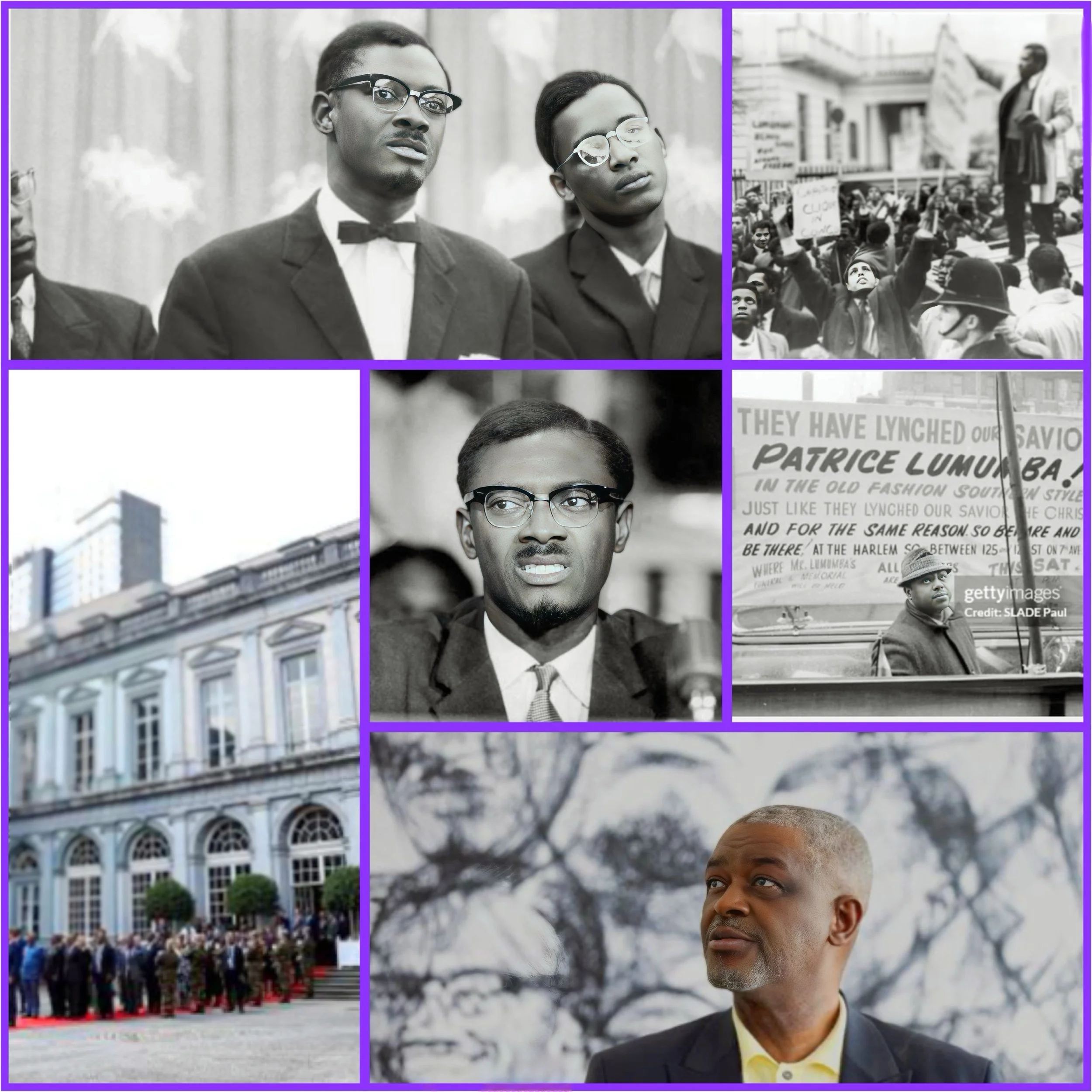
Patrice Hemery Lumumba was born on July 2, 1925, in Onalua, Belgian Congo, and became the first prime minister of the newly independent Democratic Republic of the Congo.
He was a member of the small Batetela ethnic group and worked as a postal clerk and accountant before becoming involved in politics. In 1958, he helped found the Mouvement National Congolais (MNC), Congo’s first nationwide political party.
The Path to Independence and Conflict
Congo gained independence from Belgium on June 30, 1960, with Lumumba serving as prime minister and Joseph Kasavubu as president.
However, Lumumba’s tenure was brief and tumultuous. On June 30, 1960, his famous independence speech criticized Belgium’s colonial rule and was viewed as confrontational by Belgian and Western officials.
A political crisis erupted almost immediately after independence. On September 5, 1960, President Kasavubu dismissed Lumumba from government, but Lumumba refused to accept the dismissal and attempted to dismiss Kasavubu in return.
Colonel Joseph Mobutu orchestrated a coup on September 14, 1960, and ordered Soviet advisers out of the country.
The Assassination
Lumumba was arrested on January 17, 1961, and ultimately transferred to the breakaway Katanga province.
Upon arrival, he and two companions, Maurice Mpolo and Robert Okito, were brutally beaten and tortured by Katangan officers.
Later that night, they were taken to an isolated location where three firing squads had been assembled under the command of Belgian contract officer Julien Gat.
The execution took place between 21:40 and 21:43 on January 17, 1961, according to a later Belgian parliamentary inquiry.
The bodies were initially thrown into a shallow grave but were later exhumed on orders of Katangan Interior Minister Godefroid Munongo.
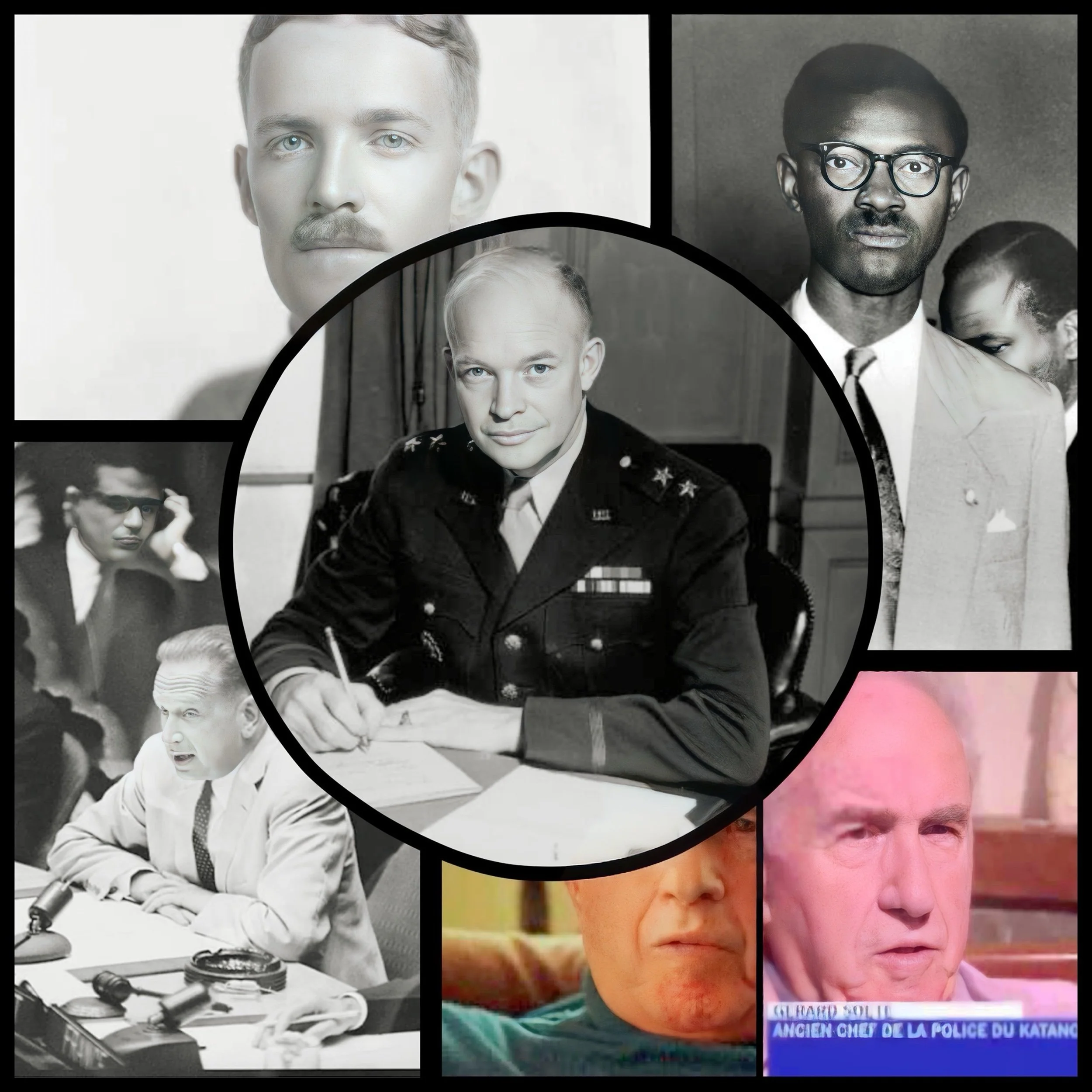
Belgian Gendarmerie officer Gerard Soete and his team dismembered the corpses and dissolved them in sulfuric acid, with the bones ground and scattered.
Only a gold-crowned tooth remained, which Belgian police commissioner Soete kept as what he later described as “a type of hunting trophy”.
Belgium’s Role and Responsibility
The 2001 Parliamentary Inquiry
A Belgian parliamentary commission of inquiry concluded in 2001 that Belgium held “moral responsibility” for Lumumba’s assassination.
The 988-page report found that the transfer of Lumumba to Katanga was organized with the support of Belgian governmental officials.
The inquiry determined that “certain members of the Belgian government and other Belgian participants were morally responsible for the circumstances leading to the death of Lumumba”.
The investigation revealed that Belgian advisors in Leopoldville collaborated with the organization of the transfer to Katanga.
While no document indicated that the Belgian government directly ordered the physical elimination of Lumumba, the inquiry found that “the physical safety of Lumumba was of no concern to the Belgian government.”
Key Belgian Officials Involved
Count Harold d’Aspremont Lynden, Belgium’s Minister of African Affairs at the time, played a crucial role in the events leading to Lumumba’s death.
On October 6, 1960, d’Aspremont Lynden sent a cable to Katanga stating that policy would now focus on the “definitive elimination of Patrice Lumumba”.
He also insisted on January 15, 1961, that the imprisoned Lumumba should be sent to Katanga, which essentially amounted to a death sentence.
Official Apology
Following the parliamentary inquiry, Belgium issued a formal apology in February 2002. Then-Foreign Minister Louis Michel acknowledged that “certain members of the government and certain Belgian individuals at the time bear an irrefutable share of responsibility for the events that led to the death of Patrice Lumumba”. The government presented “its deep and sincere regrets” to Lumumba’s family and the Congolese people.
In 2022, Belgian Prime Minister Alexander De Croo offered another apology when returning Lumumba’s tooth to his family, stating that Belgium had a “moral responsibility” for his death.
The Current Legal Proceedings
The 2011 Complaint
In 2011, Lumumba’s children filed a criminal complaint in Belgium seeking justice for their father’s assassination.
The complaint accused ten Belgian officials of participating in war crimes, namely the torture and assassination of the Congolese premier. After years of investigation, Davignon remains the only surviving suspect.
Davignon’s Previous Statements
In a 2010 interview with De Standaard, Davignon denied that his actions implied a desire for Lumumba to die.
When asked about a telex he wrote in September 1960 stating it was a “primordial problem to remove Lumumba,” he responded: “Do you believe that I was talking about the physical elimination of Lumumba? I have to tell you that things are a little different at the Belgian Ministry of Foreign Affairs. That kind of solution is not in our tradition”.
Family’s Response
Lumumba’s daughter, Juliana, has welcomed the prosecutor’s decision to seek Davignon’s trial. She told Belgian broadcaster RTBF: “We’re moving in the right direction. What we’re seeking is, first and foremost, the truth”.
Significance and Legacy
The potential trial of Davignon represents a significant moment in Belgium’s reckoning with its colonial past. If prosecuted, he would become the first Belgian official to face legal repercussions over Lumumba’s killing, more than sixty years after the assassination.
The case is factually and legally significant as it may be one of the last opportunities to conduct a criminal investigation into colonial wrongs.
Lumumba’s assassination had far-reaching consequences for the Democratic Republic of Congo, leading to decades of instability and authoritarian rule under Mobutu Sese Seko.
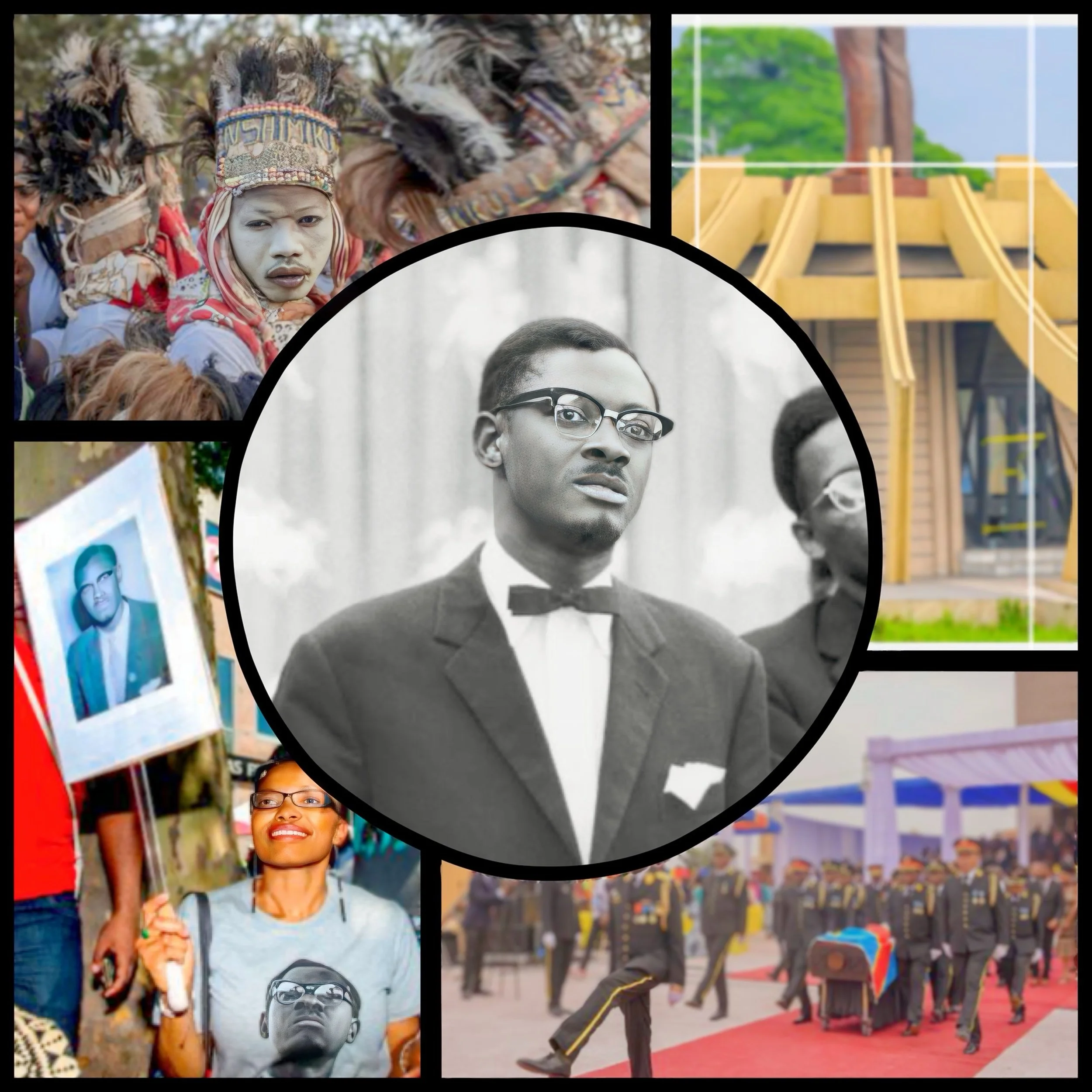
His death remains a symbol of the brutal suppression of African independence movements and continues to resonate in discussions about colonial accountability and justice.
The scheduled hearing in January 2026 will determine whether this long-delayed pursuit of justice will finally proceed to trial, potentially providing closure to one of Africa’s most tragic political assassinations.