The Causation Question: Does Israel’s Defence Strategy Generate Global Antisemitism?
Executive Summary
Circle of Escalation Tightens Inexorably
The contemporary geopolitical landscape has deteriorated markedly, characterised by a catastrophic synthesis of surging antisemitism, sustained military operations across multiple fronts, and systematic humanitarian degradation.
Global antisemitic incidents increased by 340 percent between 2022 and 2024, with the United States experiencing a 288 percent surge.
Simultaneously, Israel has prosecuted extensive military campaigns across Gaza, Lebanon, Syria, and the West Bank, resulting in civilian casualties exceeding 72,500 in Gaza alone, with estimates suggesting that 74 to 83 percent of those killed are civilians.
The White House, under the Trump administration, has recently issued stern warnings regarding Israel’s violations of the Gaza ceasefire agreement, yet these admonitions appear insufficient to curtail ongoing military operations.
This escalatory dynamic has precipitated multiple humanitarian crises, whilst simultaneously fuelling global anti-Jewish sentiment and institutional instability, particularly within American educational institutions facing substantial federal funding reductions.
The question of Israel’s invocation of self-defence rights must be examined against international humanitarian law principles, particularly the principle of proportionality, which multiple international legal scholars argue has been transgressed.
The trajectory suggests an entrenched cycle of violence, retaliation, and civilian suffering without a clear political resolution.
Introduction
Hegemony’s Price: How Israeli Military Expansion Destabilizes the Middle East
Crisis Multiplies Across Borders
The intersection of antisemitism, military conflict, and geopolitical instability has created what may constitute the most consequential humanitarian and diplomatic crisis of the contemporary era.
The October 7, 2023, Hamas attack on Israel, which killed approximately 1,200 Israelis and resulted in the abduction of 250 individuals, catalysed a response that has fundamentally reshaped regional dynamics and global sentiment regarding Jewish communities.
However, the trajectory of military escalation since this initial attack has evolved beyond the narrow confines of direct conflict with Hamas, expanding into what scholars characterize as a “multi-front” strategic reconfiguration of the Middle East.
Humanitarian Abyss: When Defence Becomes Destabilization
The contemporary moment exhibits several interconnected crises occurring simultaneously
(1) A weaponisation of antisemitism discourse within educational institutions
(2) The systematic expansion of military operations across four distinct geographic landscapes
(3) Violations of negotiated ceasefire agreements
(4) A humanitarian catastrophe unfolding in real-time across Gaza, Lebanon, and the Palestinian territories.
These phenomena are not disconnected but rather represent symptomatological manifestations of deeper structural tensions regarding security, sovereignty, accountability, and the application of international law in asymmetric conflicts.
Key Developments
The Antisemitism Epidemic and Educational Institutions Targeting
The quantitative rise in antisemitic incidents represents an unprecedented phenomenon in post-World War II history.
The World Zionist Organization and Jewish Agency for Israel documented a 340 percent increase in total antisemitic incidents worldwide between 2022 and 2024, with 2024 designated as a “peak year” for antisemitism.
In the United States specifically, antisemitic incidents increased by 288 percent during this period, with the phenomenon reaching its apex in April 2024.
Education Under Fire, Funding Frozen
More recent research from the Combat Antisemitism Movement documented 6,326 antisemitic incidents in 2024 alone, representing a 107.7 percent increase from 2023.
The ideological composition of this antisemitism has shifted markedly. In 2024, far-left ideology accounted for 68.4 percent of recorded incidents, a 324.8 percent surge from 2023.
This represents a decisive departure from 2023, when far-left and far-right incidents were approximately equivalent in frequency.
Conversely, far-right incidents declined by 54.8 percent during the same period, suggesting the dominant trajectory of antisemitism has become associated with progressive political movements and anti-Israel activism.
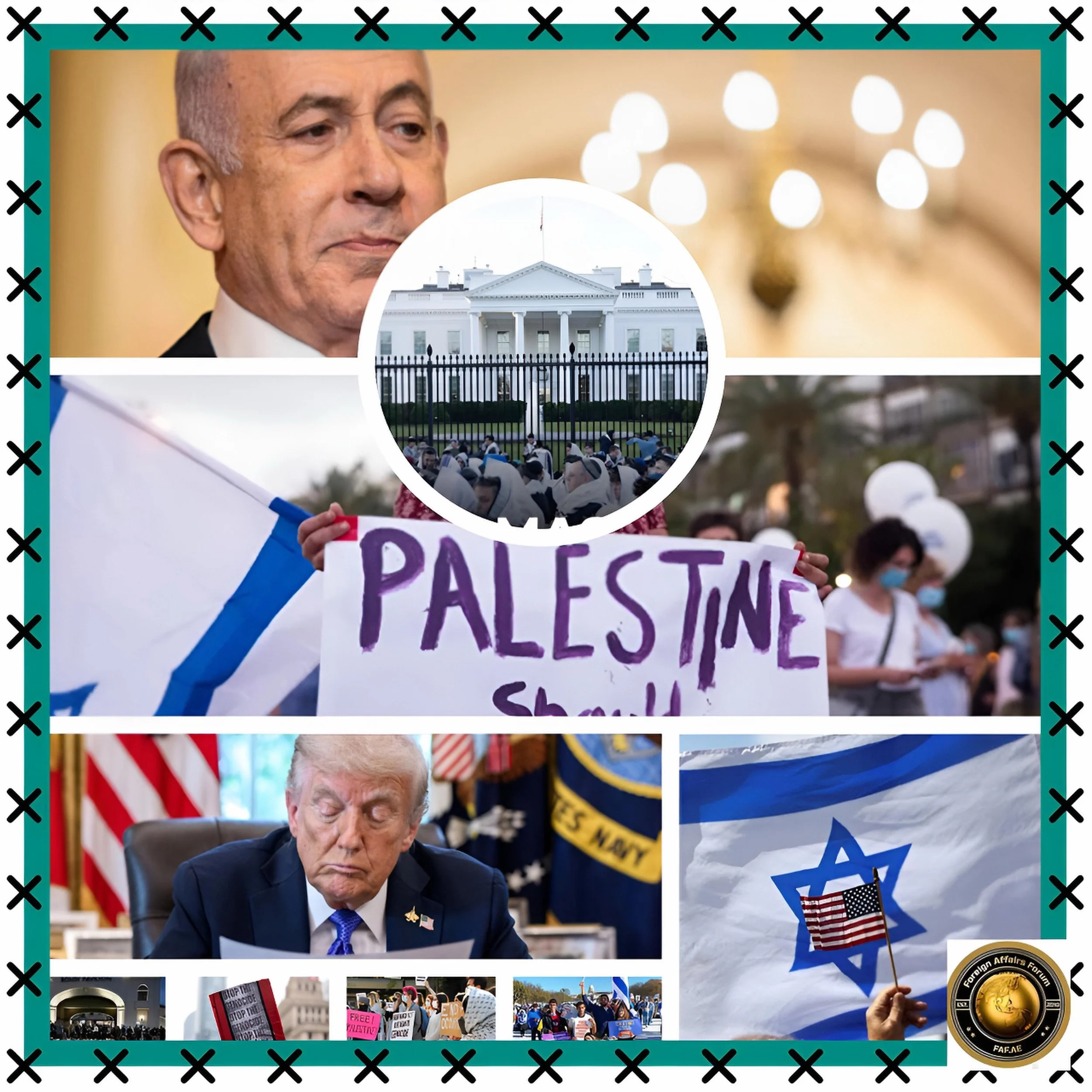
The Trump administration has responded to this phenomenon through mechanisms of institutional leverage, most notably by withholding federal research funding from universities perceived as insufficiently protective of Jewish students.
Columbia University, the nation’s leading research institution with approximately $5 billion in annual federal grants, faced a claw-back of federal funding valued at $400 million following Trump’s decision to investigate alleged campus antisemitism.
This unprecedented action has reverberated across American higher education, prompting other institutions, including Harvard University and Johns Hopkins University, to institute hiring freezes and substantial job reductions.
The Trump administration expanded these investigations to 60 additional institutions, fundamentally altering universities’ strategic calculus regarding campus speech and student discipline.
Columbia agreed to substantial concessions, including the overhaul of its student disciplinary process, the application of a federally-backed definition of antisemitism to teaching and committee investigations, and the establishment of a $21 million compensation fund for employees who may have experienced antisemitism.
Critics contend, however, that these measures constitute governmental interference in academic freedom and the weaponization of antisemitism allegations for broader cultural and political purposes.
Trump’s Ultimatum: “Don’t Trash My Gaza Legacy” – Ceasefire Fury Targets Netanyahu
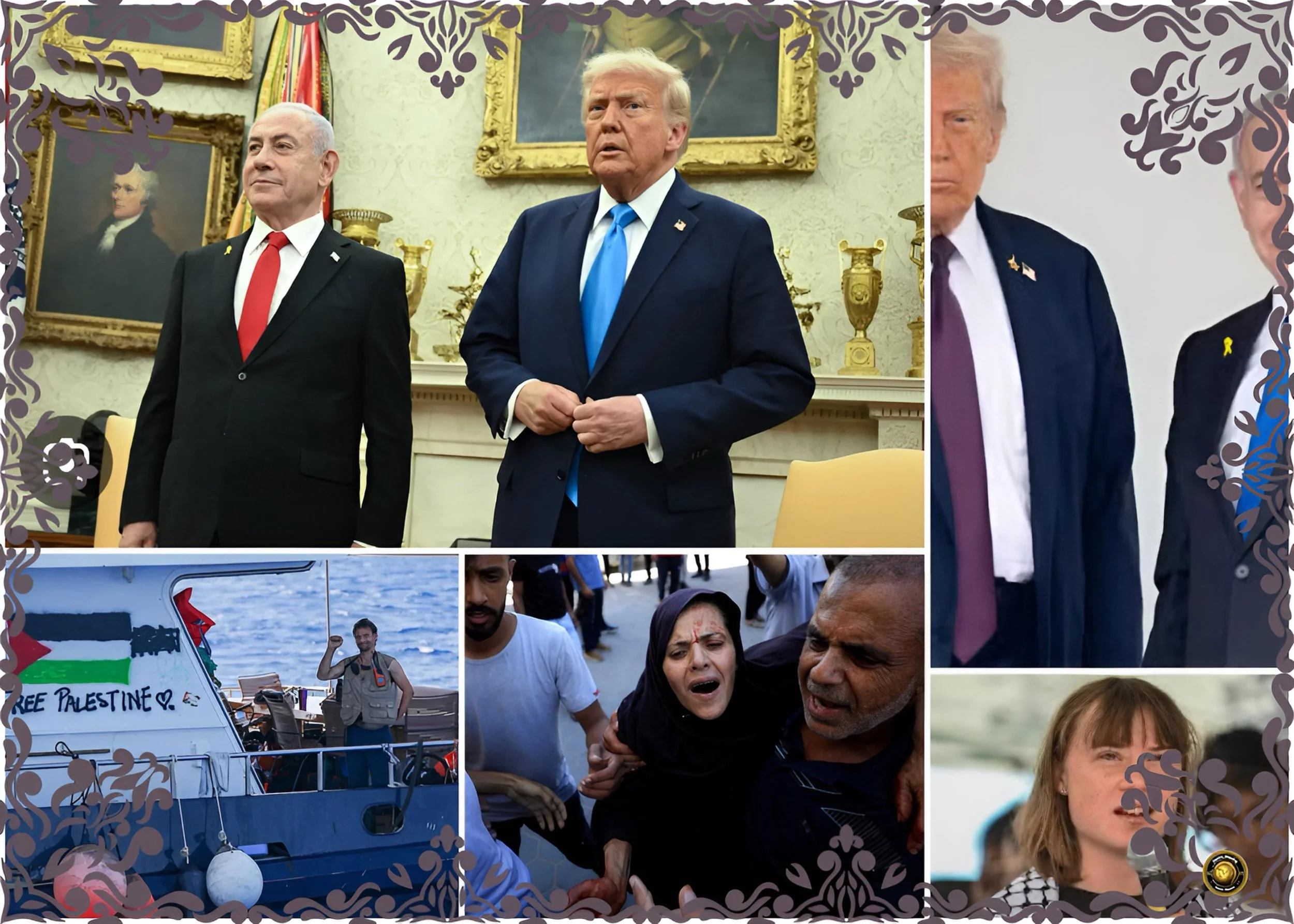
President Trump’s recent private message to Israeli Prime Minister Benjamin Netanyahu, conveyed through senior White House officials in mid-December 2025, exemplifies the tension between diplomatic legacy preservation and alliance management amid Israel’s documented ceasefire violations.
The stern rebuke—reportedly stating, “If you want to ruin your reputation and show that you don’t abide by agreements, be our guest, but we won’t allow you to ruin President Trump’s reputation after he brokered the deal in Gaza”—prioritises the protection of Trump’s personal diplomatic achievement over explicit humanitarian imperatives or civilian casualty concerns.
This rhetorical framing reveals a strategic calculus wherein U.S. leverage functions primarily as reputation defence rather than substantive constraint on Israeli military operations, including the assassination of Hamas deputy commander Raed Saad in Gaza City, which killed four Palestinians and breached the October 2024 ceasefire accord.
Scholarly analysis interprets this as “legacy transactionalism,” whereby the Trump administration conditions alliance support on compliance with its brokered frameworks, potentially signaling future repercussions if violations persist, though the absence of public enforcement mechanisms underscores the limits of private admonitions in altering Israeli strategic behaviour.
Netanyahu’s X Bomb: “No Israel, No America” – A Desperate Bid for U.S. Indispensability
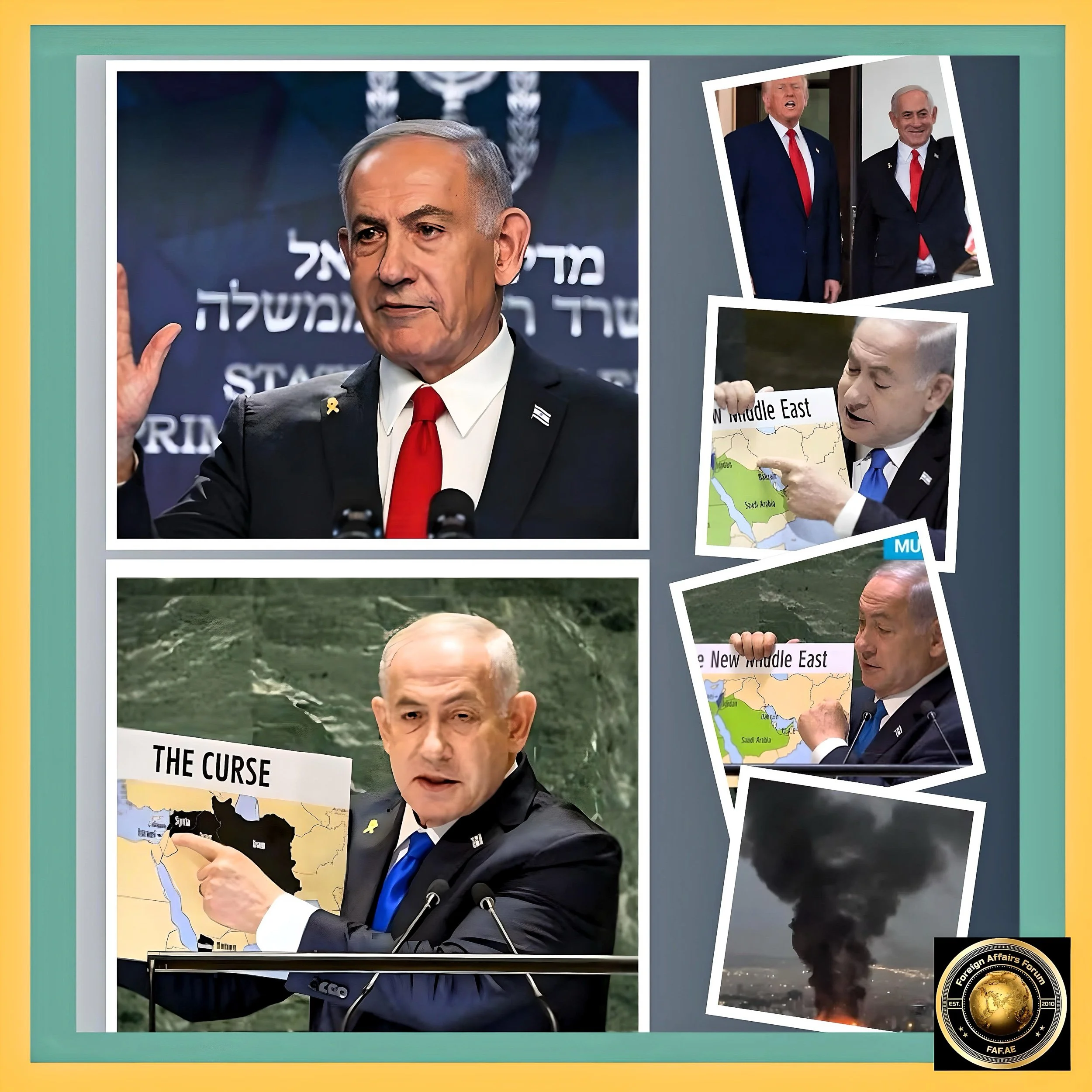
Benjamin Netanyahu’s recent declaration on X (formerly Twitter)—asserting that “without Israel there would be no America”—represents a calculated rhetorical escalation amid mounting international scrutiny of Israel’s multi-front military operations and ceasefire violations.
This statement, issued in the context of White House rebukes over the assassination of Hamas commander Raed Saad in Gaza City, inverts the traditional asymmetry of the U.S.-Israel alliance by positing Israel as America’s existential guarantor rather than beneficiary, thereby framing U.S. restraint on Israeli actions as self-sabotage.
Scholarly analysis reveals this as a form of “strategic civilizationalism,” whereby Netanyahu invokes shared Judeo-Christian heritage and counterterrorism interdependence to preempt diplomatic pressure from the Trump administration, which has prioritised preserving its brokered ceasefire’s legacy over humanitarian imperatives.
The remark not only marginalises Palestinian agency and regional complexities but also risks alienating global audiences by conflating legitimate security concerns with hegemonic entitlement, potentially exacerbating the very antisemitic backlash it implicitly seeks to counter through alliance hardening.
In geopolitical terms, such pronouncements underscore Israel’s pivot toward unilateral dominance narratives as multilateral legitimacy erodes under proportionality critiques and civilian casualty data.
Military Operations Across Multiple Landscapes
Gaza: Ceasefire Violations and Systematic Destruction
Israel’s military operations in Gaza, initiated in response to the October 7 attacks, have evolved into what constitutes the most destructive conflict of the twenty-first century in terms of civilian casualties and infrastructure destruction.
As of mid-November 2025, over 72,500 people have been killed, including 2,109 Israelis, with multiple analytical methodologies estimating that between 74 and 83 percent of Palestinian casualties are civilians.
The Gaza Health Ministry reported that of approximately 60,199 deaths as of July 2025, women, children, and elderly persons constituted the majority.
Trump’s Gaza Ceasefire in Tatters: Reputation Politics Amid an Unprecedented Humanitarian Collapse
The Trump-brokered ceasefire agreement, which commenced on October 10, 2024, designated October 19, 2025, as the formal implementation date for Phase One.
However, documented ceasefire violations have been substantial.
According to Gaza’s Government Media Office, Israel has committed at least 738 violations of the ceasefire agreement from October 10 through December 12, 2025, including 205 instances targeting civilians, 37 raids on residential areas beyond the designated “yellow line,” 358 bombings and shellings, and 138 demolitions of private properties.
The White House, in mid-December 2025, conveyed a “stern” private message to Israeli Prime Minister Benjamin Netanyahu following Israel’s assassination of Raed Saad, the deputy commander of Hamas’s military wing, in Gaza City, which killed four Palestinians and constituted a violation of the ceasefire accord.
The messaging transmitted by senior U.S. officials, whilst unambiguous in its expression of displeasure, is noteworthy for its emphasis on preserving President Trump’s reputation rather than on humanitarian concerns.
According to U.S. officials, the message stated: “If you want to ruin your reputation and show that you don’t abide by agreements, be our guest, but we won’t allow you to ruin President Trump’s reputation after he brokered the deal in Gaza.”
This rhetorical framing raises substantive questions regarding the primacy of diplomatic accomplishment over the protection of civilian populations.
Gaza on the Brink: Blockade-Driven Hunger Puts Two Million Lives at Immediate Risk
The humanitarian catastrophe in Gaza has simultaneously reached what international organisations characterise as unprecedented severity.
The World Health Organization reported in May 2025 that the entire 2.1 million population of Gaza faces prolonged food shortages, with nearly half a million people in “catastrophic” hunger situations.
Israeli authorities have implemented what humanitarian organisations characterise as a deliberate blockade on humanitarian assistance, including food, fuel, and medicines.
UNICEF reported that humanitarian assistance has been blocked from entry since March 2, placing the lives of one million children at extreme risk.
Amnesty International documented that the 400 aid distribution points operating during the temporary ceasefire have been replaced by merely four military-controlled distribution sites, forcing two million people into “militarized zones” where they face daily gunfire whilst attempting to access food.
Ceasefire Illusion Crumbles Daily
Lebanon: Occupation and Strategic Ambition
Israel’s military campaign in Lebanon, initiated through bombardments and ground operations in September 2024, has resulted in approximately 3,445 conflict-related deaths and over 400,000 displaced persons.
Under the ceasefire agreement established in November 2024, Israeli forces were mandated to withdraw from Lebanon by January 26, 2025, with a subsequent extended deadline of February 18, 2025.
Israel, however, has refused full compliance, maintaining military outposts on the highlands in southern Lebanon.
On April 16, 2025, Israeli Defense Minister Israel Katz declared that Israeli forces would “indefinitely remain” in “security zones” that they had “cleared and seized” in Lebanon, Gaza, and Syria.
This declaration fundamentally contradicts the withdrawal provisions of negotiated ceasefire agreements and signals Israeli intent to establish long-term military occupation beyond formal conflict parameters.
Subsequent operations in July 2025 targeting government troops in southern Syria and Hezbollah positions in the Bekaa Valley resulted in 12 additional deaths, demonstrating Israel’s ongoing willingness to conduct military operations despite ceasefire frameworks.
Occupation Without End Date Declared
Syria: Invasion, Occupation, and Destabilisation
Damascus Under Israeli Military Control
Israel’s military intervention in Syria represents perhaps the most consequential expansion of Israeli strategic objectives beyond the immediate Gaza-Hamas conflict.
Following the fall of the Assad regime in December 2024, Israeli forces have conducted over 600 documented attacks across Syria, averaging nearly two attacks per day through December 2025.
On February 23, 2025, Israeli Prime Minister Benjamin Netanyahu demanded the complete demilitarization of southern Syria in the provinces of Quneitra, Daraa, and Suweyda, with Israeli Defense Minister Israel Katz stating that Israeli forces would remain in south Syria “for an indefinite period of time to protect our communities and thwart any threat.”
The strategic implications are profound. Israel’s occupation of southern Syrian territory, its demands for Syrian demilitarization, and its ongoing bombing campaigns constitute a fundamental alteration of Syrian sovereignty and regional power dynamics.
Unlike the Gaza and Lebanon operations, which Israeli officials present as defensive responses to specific security threats, the Syrian intervention appears primarily motivated by the pursuit of what scholars characterise as “regional hegemony.”
West Bank: The “Iron Wall” Operation and Settler Violence
The West Bank, often characterised as the geographically peripheral theater in discussions of recent conflict, has become a site of sustained military operations and intensified settler violence.
On January 21, 2025, the Israel Defense Forces initiated “Operation Iron Wall,” a large-scale military campaign targeting Palestinian militants, particularly the Jenin Brigades.
This operation, initially described as targeting specific militant cells, has evolved into a sustained military occupation of refugee camps and urban centers across the West Bank.
Israeli Defense Minister Israel Katz explicitly stated that this operation represents “the first lesson from the method of repeated raids in Gaza,” signaling Israeli intent to apply lessons derived from Gaza operations to Palestinian territories more broadly.
By August 2025, Israeli forces had maintained a long-term military presence in Jenin and other northern West Bank locations, with plans to remain deployed through at least the end of 2025.
West Bank Under Siege: Record Settler Violence Aims to Erase Palestinian Rural Life
Accompanying the military operations has been an unprecedented surge in settler violence against Palestinian communities.
The United Nations documented 260 settler attacks resulting in Palestinian injuries or property damage in October 2025 alone, the highest monthly tally since monitoring commenced in 2006.
Data from the Palestinian Farmers’ Union indicates that violence against its members has quadrupled during the ceasefire period, rising from approximately three to four incidents daily before the Gaza conflict.
Palestinian activists and international observers characterize these attacks as “systematic efforts to dismantle Palestinian rural life” rather than random incidents.
Rural Dispossession at Accelerated Pace
Between January 1 and December 1, 2025, a total of 227 Palestinians were killed by Israeli forces or settlers in the West Bank, with nearly half of the fatalities occurring in the Jenin and Nablus governorates.
Between November 25 and December 1 alone, Israeli forces killed four Palestinians, including one child.
Cumulatively, more than 1,680 settler attacks have occurred across more than 270 communities, averaging five incidents per day, with the olive harvest season particularly marked by widespread assaults on farmers, trees, and agricultural infrastructure.
Facts and Concerns
Civilian Casualty Ratios and International Humanitarian Law
The fundamental tension underpinning contemporary discourse concerning Israel’s military operations centres on the question of whether the means employed in pursuit of legitimate self-defence objectives remain proportionate to the military advantages secured. Multiple international legal scholars have examined this question systematically.
Gaza’s Civilian Toll Exposes Israel’s ‘Self-Defence’ as a Proportionality Crisis
A comprehensive analysis published by academics at Harvard Medical School and affiliated institutions concludes that whilst Israel possessed a legitimate right of self-defence against Hamas, the specific war aim of removing Hamas from political power and eliminating its military capabilities “required means that would foreseeably cause excessive damage and harm in this context, due to circumstances in Gaza that were well-known to Israeli officials.”
This analysis, employing satellite radar imagery, determined that “Israeli operations have in fact caused extensive damage, excessive in relation to Israel’s self-defence aim and violating proportionality.”
Civilian casualty percentages provide quantitative substantiation for this assessment.
The Guardian, drawing upon classified Israeli military intelligence databases, estimated that of approximately 53,000 deaths documented by May 2025, only 8,900 were identified as combatants, implying an 83 percent civilian casualty rate.
This figure substantially exceeds the civilian casualty rate averaging across all world conflicts from the Second World War through the 1990s.
Even the most conservative analytical methodologies, which exclude all adult males from civilian classifications regardless of actual combatant status, estimate civilian casualties at 61 percent of total deaths.
Proportionality in international humanitarian law requires that anticipated civilian harm from specific military operations be weighed against expected military advantage.
A BBC analysis soliciting expert opinion on proportionality in Israel’s Gaza operations found that multiple international law specialists contend that Israel has employed “extreme and permissive interpretations of armed conflict laws, including proportionality, that defy both common sense and established international law.”
Civilian Deaths Exceed Every Historical Precedent
Humanitarian Blockade and Systematic Deprivation
The maintenance of what humanitarian organisations characterise as a deliberate blockade on humanitarian assistance constitutes a distinct humanitarian concern separate from, though related to, the military operations themselves.
Since March 2, 2025, humanitarian assistance, including food, fuel, and medicines, has been withheld from entry into Gaza.
Famine Weaponised as a Strategic Tool
The World Health Organization documented that nearly half a million people in Gaza currently face what it characterises as “catastrophic” hunger situations, constituting “one of the world’s worst hunger crises, unfolding in real time.”
The entire population of 2.1 million faces prolonged food shortages, with essential medicines and supplies becoming unavailable due to the blockade.
The substitution of civilian-managed humanitarian distribution networks with military-controlled sites has had profound consequences. Before the reimposition of the blockade, 400 aid distribution points operated across Gaza.
These have been replaced by four military-controlled sites, forcing displaced populations into “overcrowded, militarized zones where they face daily gunfire and mass casualties while trying to access food.”
Experienced humanitarian organizations report that these military-controlled alternatives “neither protect civilians nor meet basic needs.”
Bondi Beach Massacre and Anti-Jewish Violence Globally
The December 2025 mass shooting at Sydney’s Bondi Beach, occurring during a Hanukkah celebration, resulted in the deaths of at least 12-16 individuals and the wounding of nearly 30 others.
The attack targeted approximately one thousand Jewish attendees assembled for the “Lights by the Sea” Hanukkah event on December 14, 2025.
Australian Prime Minister Anthony Albanese characterised the event as “a targeted attack on Jewish Australians on the first day of Hanukkah, which should be a day of joy,” whilst Israeli President Isaac Herzog described the victims as attacked by “vile terrorists.”
This incident exemplifies the dangerous convergence of rising antisemitism with access to lethal weaponry and the targeting of Jewish communal gatherings.
Israeli Foreign Minister Gideon Saar issued statements demanding that “Australia’s government must come to its senses” following the attack.
However, whilst the Bondi Beach massacre illustrates the severity of anti-Jewish violence, the broader phenomenon of antisemitism requires more nuanced analysis.
The surge in antisemitism, whilst correlated temporally with the Israel-Hamas conflict, encompasses both legitimate critiques of Israeli military policies and xenophobic animus towards Jewish individuals and communities regardless of their political positions regarding Israel.
The weaponization of antisemitism allegations by the Trump administration to justify federal defunding of universities raises substantive concerns regarding the conflation of anti-Israel criticism with anti-Semitism proper, potentially obscuring both phenomena.
Israeli Tourists and Cultural Blowback
Hatred Weaponised to Suppress Legitimate Critique
Travel patterns of Israeli citizens have shifted markedly in response to rising anti-Israel sentiment globally, particularly in Western Europe.
Data from PassportCard, an Israeli travel company, documented that whilst overall Israeli outbound travel increased by 27 percent in January-August 2025 compared to 2024, the geographic distribution has fundamentally altered.
Eastern Europe Becomes New Tourist Haven
Eastern European destinations, particularly Hungary, Romania, Czechia, and Poland, have experienced dramatic increases in Israeli visitation, with Hungary ascending to second place among Israeli travel destinations after Thailand.
Conversely, Western European destinations have experienced a substantial decline. France recorded a “significant decline,” the United Kingdom—previously among the five leading destinations for Israeli travelers—has fallen outside the top 15, and Spain, already declining before the war, has disappeared entirely from the top destinations list.
Greece and Cyprus, historically leading destinations, are ranked substantially lower in winter 2025-2026.
This redistribution reflects Israeli awareness of growing anti-Israel sentiment and antisemitic incidents in Western Europe targeting Israeli tourists specifically.
Reported incidents include the July 2025 defacement of a kosher restaurant in Athens with red graffiti reading “No Zionist is safe here,” and the August 2025 violent assault on two Israeli tourists at a holiday park in the Netherlands.
The precarious nature of Jewish and Israeli travel to Europe has prompted a reorientation toward destinations perceived as more conducive to Israeli presence.
Trump Administration Support and Domestic Pressure
The Trump administration has simultaneously conveyed stern warnings regarding Israeli ceasefire violations whilst maintaining substantive military and diplomatic support for Israel.
The administration has accelerated arms sales and transfers to Israel, diplomatically engaged in Lebanon, whilst supporting Israeli military action against Hamas and Hezbollah.
It has explicitly declined to push back on settlement expansion or settler violence in the West Bank.
In November 2025, following Israel’s assassination of Hezbollah’s military chief of staff, White House Press Secretary Karoline Leavitt stated that “the president supports Israel’s right to defend itself and to take out any terrorist threats in the region.”
This statement, whilst appearing supportive, was accompanied by warnings against the destabilization of Syria, suggesting the Trump administration’s support for Israeli military action is conditional upon regional stability considerations rather than principled opposition to military expansion.
Trump’s Warnings Ring Hollow
The Trump administration’s messaging regarding Gaza violations appears designed primarily to protect the administration’s diplomatic reputation rather than to impose meaningful constraints on Israeli military conduct.
The White House’s statement that “we won’t allow you to ruin President Trump’s reputation after he brokered the deal in Gaza” explicitly prioritises the protection of Trump’s legacy over humanitarian concerns or enforcement of international agreements.
Cause and Effect Analysis
Antisemitism as a Consequence of Geopolitical Conflict
The 340 percent increase in global antisemitism between 2022 and 2024 is temporally correlated with the October 2023 Hamas attacks and subsequent Israeli military response.
However, the causal relationship merits careful disaggregation. The rise in antisemitism reflects multiple distinct phenomena
(1) Xenophobic animus towards Jewish individuals and communities unrelated to legitimate political criticism of Israel
(2) The exploitation of the Israel-Palestine conflict by extremist movements to justify violence against Jewish communities
(3) The conflation by some pro-Israel advocates and governments of anti-Israel political activism with antisemitism proper, creating rhetorical confusion and potentially delegitimising legitimate critiques of military conduct.
The Trump administration’s weaponisation of antisemitism allegations to defund universities, particularly through investigations focusing narrowly on pro-Palestinian student activism whilst ignoring documented antisemitic harassment, exemplifies this conflation.
This approach simultaneously fails to address genuine antisemitism whilst potentially subjecting political speech to governmental suppression through the mechanism of financial coercion.
The international legal and humanitarian communities have increasingly articulated concerns that Israeli military operations violate international humanitarian law.
These critiques, when presented within reasonable frameworks emphasizing the distinction between criticism of state actions and xenophobic animus toward Jewish populations, constitute legitimate international discourse.
However, the global rise in antisemitic violence and harassment is substantively independent of and distinct from scholarly disagreements regarding the legality of specific military operations.
Legitimate Critique Entangled With Bigotry
Military Escalation as Strategic Choice
Israel’s military operations across four theaters—Gaza, Lebanon, Syria, and the West Bank—represent strategic choices subject to assessment within international law frameworks, not inevitable responses to security threats.
The expansion of operations from Gaza into Lebanon, Syria, and intensified West Bank operations reflects a deliberate strategic calculus by Israeli military and political leadership.
Israeli Defense Minister Israel Katz’s statement that the West Bank operation represents “the first lesson from the method of repeated raids in Gaza” indicates explicit transfer of operational methodologies developed in Gaza to Palestinian territories.
This methodological transfer suggests that the destruction witnessed in Gaza is being replicated deliberately across other theaters.
Similarly, the declaration that Israeli forces will remain indefinitely in Lebanon, Gaza, and Syria contradicts ceasefire agreements and signals ongoing strategic expansion.
The Trump administration’s simultaneous provision of military support and issuance of rhetorical warnings has functioned to enable rather than constrain this escalation.
Without substantive consequences for ceasefire violations, the warnings function primarily as diplomatic theatre, allowing the administration to maintain international credibility regarding the peace process whilst effectively permitting Israeli military operations to proceed unimpeded.
Impunity Begets Escalation Without End
Humanitarian Crisis as Deliberate Policy Outcome
The humanitarian collapse in Gaza, the blockade on humanitarian assistance, and the substitution of civilian aid mechanisms with military-controlled distribution constitute not incidental consequences of military operations but rather deliberate policy choices.
The World Health Organization and humanitarian organizations document that the blockade and restrictions are “deliberately and systematically dismantled” by Israeli government policy.
Hunger Becomes Instrument of Coercion
The concentration of aid distribution into four military-controlled sites, forcing civilians to congregate in “militarized zones” where they face daily gunfire, produces humanitarian consequences that international law scholars characterise as excessive relative to any legitimate military objective.
The deprivation of fuel, medicines, and food to a population of 2.1 million exceeds what proportionality requirements would permit.
The systematic nature of these policies are
(1) The deliberate withholding of humanitarian supplies
(2) The consolidation of distribution into militarized sites
(3) The restrictions on civilian aid organizations—suggests that humanitarian degradation functions not merely as an incidental consequence but potentially as a strategic instrument designed to induce pressure on Hamas through civilian suffering.
Regional Destabilization and Retaliatory Escalation Cycles
The expansion of Israeli military operations into Syria, the sustained occupation of Lebanese territory despite ceasefire agreements, and the intensification of West Bank operations have fundamentally altered regional power dynamics and stability.
The fall of the Assad regime in December 2024, followed by Israeli military intervention, has eliminated a significant regional actor and fundamentally disrupted what scholars characterise as Iran’s “forward defence strategy.”
Iran, faced with the elimination of its primary regional allies (Hezbollah leadership, Hamas leadership, and the Assad regime), is reportedly preparing contingency plans for expanded regional conflict.
Israeli media reported in November 2025 that Iran is attempting to rearm regional partners, including the Houthis, Hezbollah remnants, and unspecified groups in the West Bank and Syria, in preparation for potential operations against Israel.
An Iranian-backed Iraqi militia political council member stated that Iraqi militias have developed an “advanced security plan” to enhance drone and missile capabilities in preparation for “any upcoming military operation” against Israel.
This escalatory cycle demonstrates the mechanism by which military operations, even those justified as self-defence, can generate retaliatory responses through deterrence and retaliation logic.
Each Israeli military operation against Iranian assets or Iran-aligned groups generates incentives for retaliatory operations by remaining Iranian partners, thereby perpetuating cycles of violence.
Future Trajectories and Escalation Pathways
Humanitarian Collapse Inevitable Without Intervention
The current trajectory suggests three plausible scenarios for the forthcoming months
(1) Continued low-intensity violations of ceasefire agreements with occasional escalation into localized conflicts
(2) A substantial expansion of regional conflict involving Iran-aligned actors in coordinated operations against Israeli assets and interests
(3) A diplomatic breakthrough induced by exhaustion of principal belligerents and international pressure.
The probability of each scenario depends substantially upon political decisions by the Trump administration regarding whether to impose meaningful consequences for Israeli ceasefire violations.
Should the administration’s warnings remain rhetorical without substantive enforcement mechanisms, Israeli military operations will likely continue, thereby increasing the probability of scenario two—expanded regional conflict.
Humanitarian conditions in Gaza will continue deteriorating absent fundamental changes in the blockade policy.
The World Health Organization and United Nations agencies have indicated that without restoration of humanitarian access, famine conditions will intensify.
The concentration of civilian population into four militarized distribution sites creates ongoing vulnerability to mass casualty incidents, as civilians seeking food access face daily exposure to gunfire.
The trajectory of antisemitism remains tied to both genuine security concerns within Jewish communities and the manipulation of antisemitism rhetoric for political purposes.
The Trump administration’s weaponisation of antisemitism allegations to suppress university speech regarding Israeli military conduct creates a dangerous precedent whereby criticism of state military conduct becomes conflated with xenophobic animus.
This conflation potentially undermines both the genuine security of Jewish communities and the legitimacy of international discourse regarding military conduct.
Conclusion
Structural Crisis and the Erosion of Legitimate Self-Defence
The contemporary geopolitical landscape manifests a profound structural crisis at the intersection of international humanitarian law, state military prerogative, and civilian protection imperatives, wherein Israel’s invocation of self-defence—legally anchored in Article 51 of the UN Charter—has demonstrably transgressed proportionality thresholds as articulated in Additional Protocol I to the Geneva Conventions.
Proportionality Breached: Gaza’s Toll Exposes Self-Defence Myth
Sustained operations across Gaza, Lebanon, Syria, and the West Bank have yielded civilian casualty ratios of 74-83 percent, far exceeding historical conflict benchmarks and precipitating humanitarian collapse through deliberate aid blockades affecting 2.1 million Gazans, militarized distribution enclaves, and indefinite territorial occupations.
These violations of the October 2024 Trump-brokered ceasefire, documented at 738 instances by December 2025, compound regional destabilization and fuel global antisemitism surges (340 percent increase since 2022), wherein legitimate policy critiques risk conflation with xenophobia, exacerbated by the Trump administration’s weaponisation of antisemitism rhetoric for institutional coercion.
Civilizational Gambit: Netanyahu’s Defiance Risks U.S. Abandonmenth
The administration’s “transactional realism”—epitomised in mid-December 2025 rebukes prioritising legacy over humanitarianism—clashes with Netanyahu’s “strategic civilizationalism” (“without Israel, no America”), transforming U.S.-Israel ties into a precarious bargaining arena of rhetorical defiance absent enforcement mechanisms.
This dyad enables escalation rather than restraint, perpetuating vengeance cycles that ensnare civilians.
Absent policy recalibration distinguishing security imperatives from legal overreach, the trajectory portends intensified violence, alliance fracture, and normative collapse, demanding multilateral arbitration to salvage humanitarian principles