India’s Middle East Balancing Act: Navigating the Israel-Iran Conflict
Introduction
A Diplomatic Tightrope
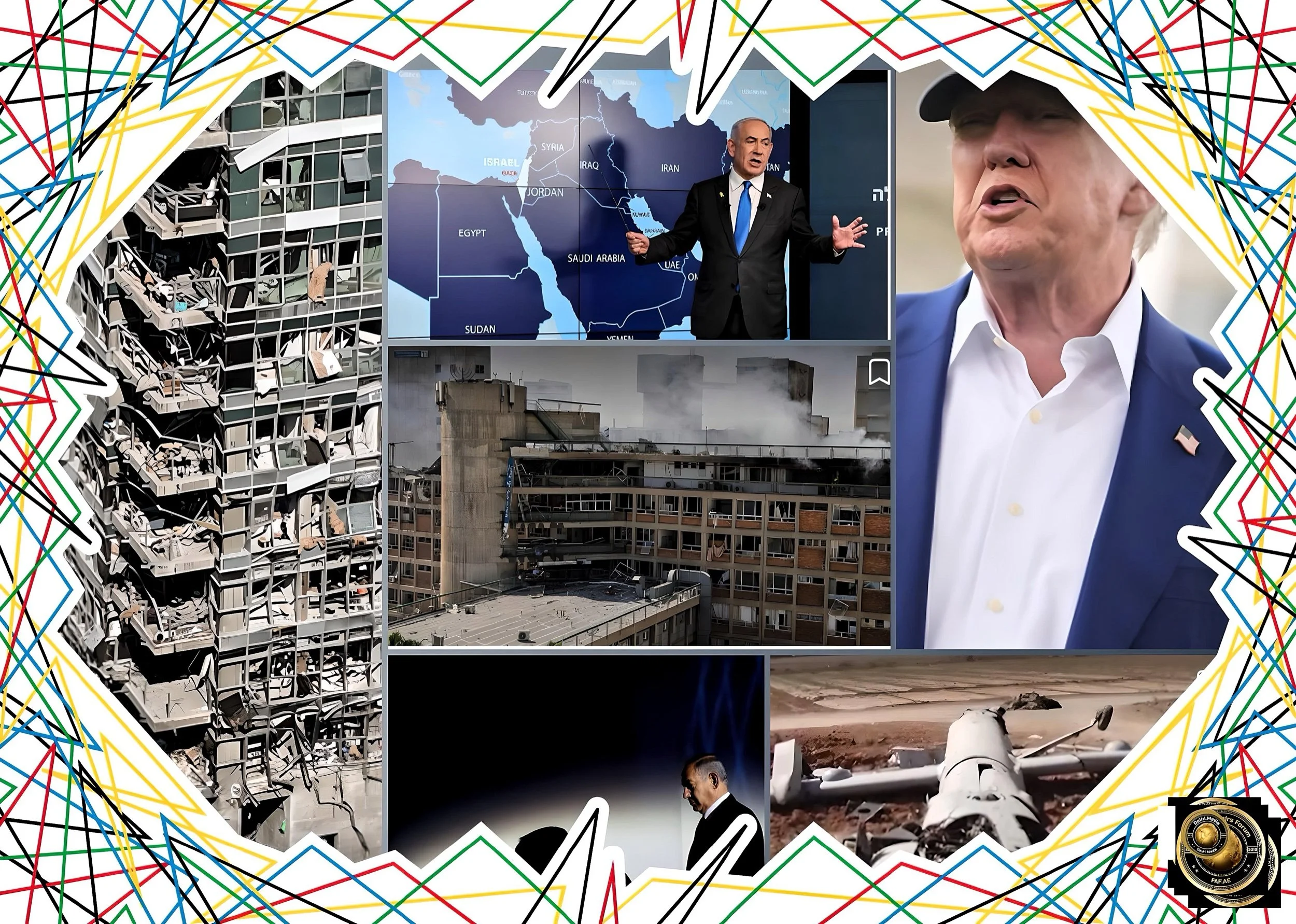
India’s decision to distance itself from the Shanghai Cooperation Organisation (SCO) statement condemning Israel’s strikes on Iran highlights the complex diplomatic challenges New Delhi faces in the Middle East.
FAF, Asia.Forum reflects upon India’s broader foreign policy approach of strategic autonomy, which has allowed it to maintain relationships with competing powers across the region.
While India has successfully balanced these relationships during previous international crises, the escalating Israel-Iran conflict presents perhaps its most difficult diplomatic test yet.
India’s Strategic Autonomy
A Historical Perspective
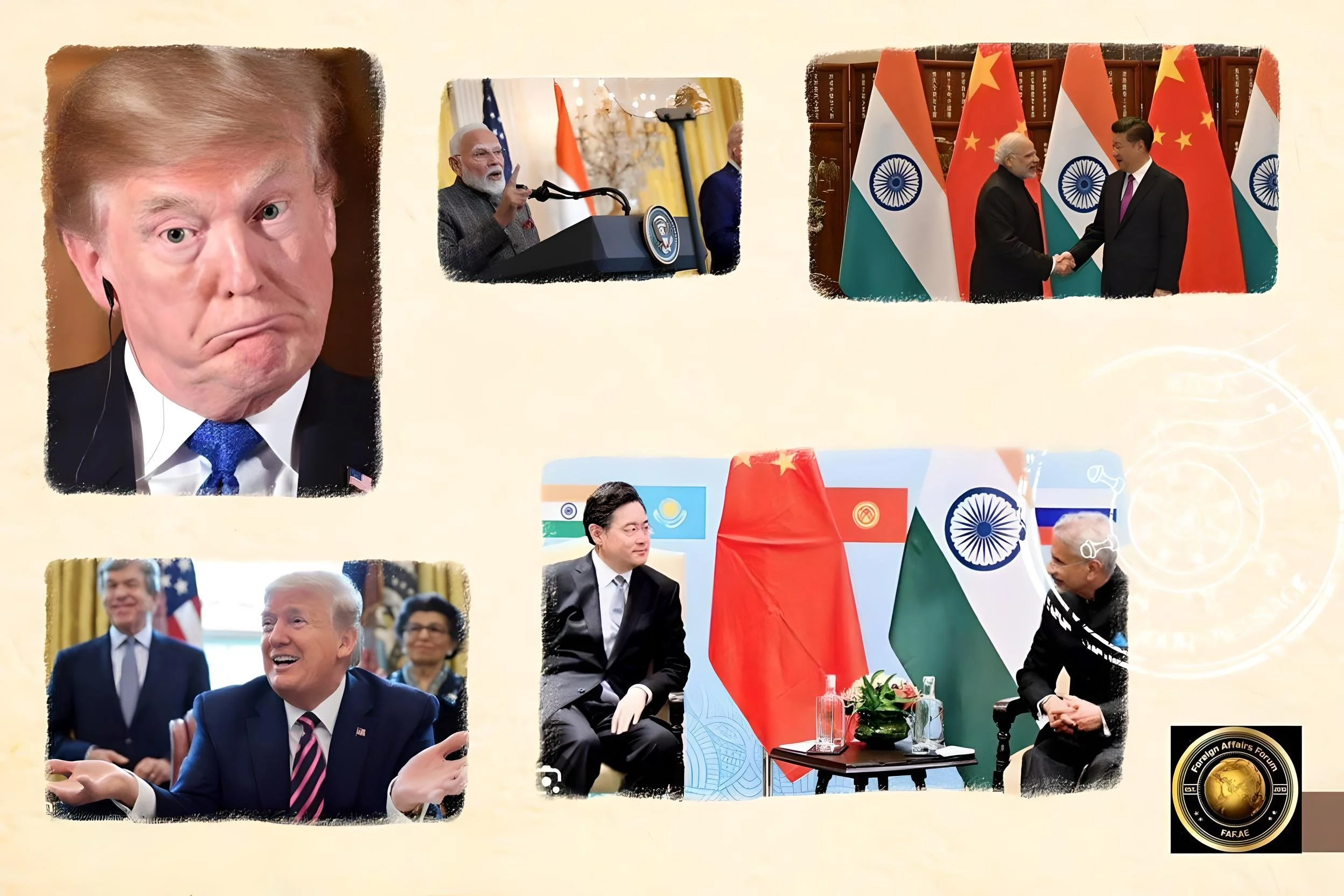
India’s foreign policy has long been guided by the principle of strategic autonomy, which enables it to make independent decisions in its foreign relations without being unduly influenced by other states.
This approach evolved from India’s non-aligned stance during the Cold War, when it sought to avoid entanglement in the ideological battles between superpowers while maintaining relationships with both sides.
In recent years, India’s strategic autonomy has evolved in response to changing geopolitical realities:
During the unipolar moment following the Cold War, India maintained its independent stance while gradually improving relations with the United States.
As China’s power grew, India recalibrated its approach to create more space for engagement with the US and China.
India has refined its strategic autonomy to pursue national interests while engaging with multiple global powers in the multipolar world.
This policy has been evident in India’s response to major international crises:
Ukraine War
India abstained from UN resolutions condemning Russia while calling for dialogue and diplomacy. Prime Minister Modi has consistently emphasized that “this is not an era of war,” a phrase he has applied to both the Ukraine conflict and now the Israel-Iran situation.
Gaza Conflict
India has condemned civilian casualties while also recognizing Israel’s security concerns, maintaining a balanced approach that reflects its relationships with both sides.
India-Israel Relations
A Growing Strategic Partnership
The relationship between India and Israel has transformed dramatically since full diplomatic relations were established in 1992, evolving into one of India’s most important strategic partnerships. Several factors have driven this deepening relationship
Military and Defense Cooperation
India is Israel’s largest arms buyer, and Israel has become India’s fourth-largest arms supplier.
The bilateral arms trade has grown by a remarkable 33-fold over the past decade, from $5.6 million in 2015 to $185 million in 2024.
Israel has supplied India with advanced weapons systems, including drones and air defense systems that were reportedly used effectively in India’s recent conflict with Pakistan.
The defense relationship has been particularly valuable during times of crisis, with Israel providing India with armaments, ammunition, and intelligence during conflicts with Pakistan.
Economic and Technological Collaboration
Commercial cooperation has expanded beyond defense to include critical sectors such as semiconductors, water management, and agriculture.
Israel’s water-saving agricultural technologies, particularly drip irrigation, have helped Indian farmers reduce water usage by up to 70% while increasing crop yields.
The Adani Group’s operation of Israel’s Haifa Port represents a significant Indian commercial presence in Israel, handling over 30% of Israel’s imports.
Despite recent Iranian missile strikes targeting Haifa, the Adani-operated port has remained operational, underscoring the resilience of this commercial relationship.
Political Alignment and Shared Worldviews
Prime Minister Modi and Netanyahu have a particularly warm relationship, and both leaders share specific governing approaches and worldviews.
Modi’s historic 2017 visit to Israel—the first by an Indian prime minister—marked a significant milestone in bilateral relations, resulting in seven memoranda of understanding and an upgrade to a strategic partnership.
Some analysts note similarities between India under Modi and Israel in their approaches to national security and treatment of minorities, contributing to ideological alignment between the two governments.
Israel was one of the few countries to fully support India during its recent conflict with Pakistan, further cementing the relationship.
India’s Interests in Iran and the Broader Middle East
Despite its growing ties with Israel, India maintains significant interests in Iran and the wider Middle East region that it cannot afford to jeopardize.
India-Iran Relations
India has invested in developing Iran’s Chabahar Port, which is crucial for India’s connectivity to Afghanistan and Central Asia, bypassing Pakistan.
In May 2024, India and Iran signed a 10-year agreement for the development of Chabahar Port. India pledged to invest approximately $120 million and provided a $250 million credit line for infrastructure modernization.
The evacuation of Indian nationals from Iran has become an immediate priority, with approximately 11,000 Indian citizens in Iran, including around 6,000 students.
India has launched “Operation Sindhu” to evacuate its nationals, with the first batch of 110 students already evacuated via Armenia.
Broader Middle East Interests
The Middle East remains a critical source of energy for India, accounting for approximately 48% of its oil imports as of late 2024.
Nearly 9 million Indian expatriates live and work in Gulf Cooperation Council countries, making the region the top destination for Indian workers abroad.
India has developed strong economic ties with countries like the UAE, with bilateral trade reaching $85 billion in 2022/23 and on track to surpass $100 billion well ahead of the 2030 target.
India is engaged in significant regional multilateral initiatives, including the I2U2 Group (with Israel, UAE, and the US) and the India-Middle East-Europe Economic Corridor (IMEC).
India’s Response to the Israel-Iran Conflict
India’s approach to the Israel-Iran conflict carefully balances competing interests and regional relationships.
Diplomatic Positioning
India declined to participate in the SCO statement condemning Israel’s strikes on Iran, instead issuing its statement calling for dialogue and diplomacy.
The Ministry of External Affairs stated that “India’s position on the matter had been articulated by us on 13 June 2025,” emphasizing the need for de-escalation and diplomatic solutions.
External Affairs Minister S. Jaishankar spoke with his Iranian counterpart, conveying “the deep concern of the international community” while urging the avoidance of escalatory steps.
Prime Minister Modi reiterated his mantra that “this is not an era of war,” which is consistent with India’s approach to other international conflicts.
Balancing Competing Interests
India’s stance acknowledges Israel’s security concerns regarding Iran’s nuclear program while also recognizing the importance of preventing further escalation.
By not condemning Israel while still calling for de-escalation, India is attempting to maintain its strategic partnership with Israel without alienating Iran or other Middle Eastern partners.
This approach is similar to India’s position on the Ukraine war, where it has avoided condemning Russia while advocating for dialogue and a peaceful resolution.
The evacuation of Indian nationals from Iran demonstrates India’s pragmatic focus on protecting its citizens amid the conflict.
Regional Reactions and Implications
The Israel-Iran conflict has elicited varied responses across South Asia, reflecting different strategic interests and domestic considerations.
South Asian Responses
Muslim-majority states in South Asia—Afghanistan, Bangladesh, the Maldives, and Pakistan—have strongly condemned Israel’s strikes against Iran.
Pakistan, which shares a 565-mile border with Iran, has been particularly vocal in its support for Tehran, with its diplomatic strategy focused on signaling support for Iran while calling for an end to the fighting.
Nepal’s reaction has mirrored India’s balanced approach, while Sri Lanka’s response has been more complex due to its ties with Israel and reported injuries to Sri Lankan nationals in Israel.
Twenty Muslim countries, including Pakistan, Turkey, Saudi Arabia, Qatar, UAE, and Egypt, issued a joint statement condemning the Israeli attacks as “a violation of international law” and a threat to Iran’s sovereignty.
Implications for Regional Connectivity
The conflict could impact regional connectivity initiatives, including the recently completed road linking Afghanistan’s Panjshir province to Pakistan’s Chitral, which is intended to bolster trade between Afghanistan and Pakistan.
Pakistan has been working hard to strengthen trade and connectivity links with Afghanistan and Central Asia, partly to counter India’s influence in the region.
India’s Chabahar Port project in Iran represents a competing connectivity initiative. It is designed to provide India with access to Afghanistan and Central Asia while bypassing Pakistan.
The India-Middle East-Europe Economic Corridor (IMEC), a trans-continental connectivity project estimated to cost over $600 billion, could also be affected by regional instability.
Recent Diplomatic Developments
Recent diplomatic engagements highlight the complex web of relationships that India must navigate amid the Israel-Iran conflict.
Modi’s G7 Visit to Canada
Prime Minister Modi attended the G7 leaders’ summit in Alberta, Canada, marking his first trip to the country in a decade.
The visit faced protests from Sikh separatists supporting the formation of an independent Khalistan state.
Modi’s meeting with Canadian Prime Minister Mark Carney resulted in pledges for deeper cooperation, with both leaders reaffirming the importance of sovereignty and territorial integrity.
This engagement suggests that Canada’s new government is prepared to partner with India to address the Khalistan issue, potentially easing a source of bilateral tension.
Trump’s Meeting with Pakistan’s Army Chief
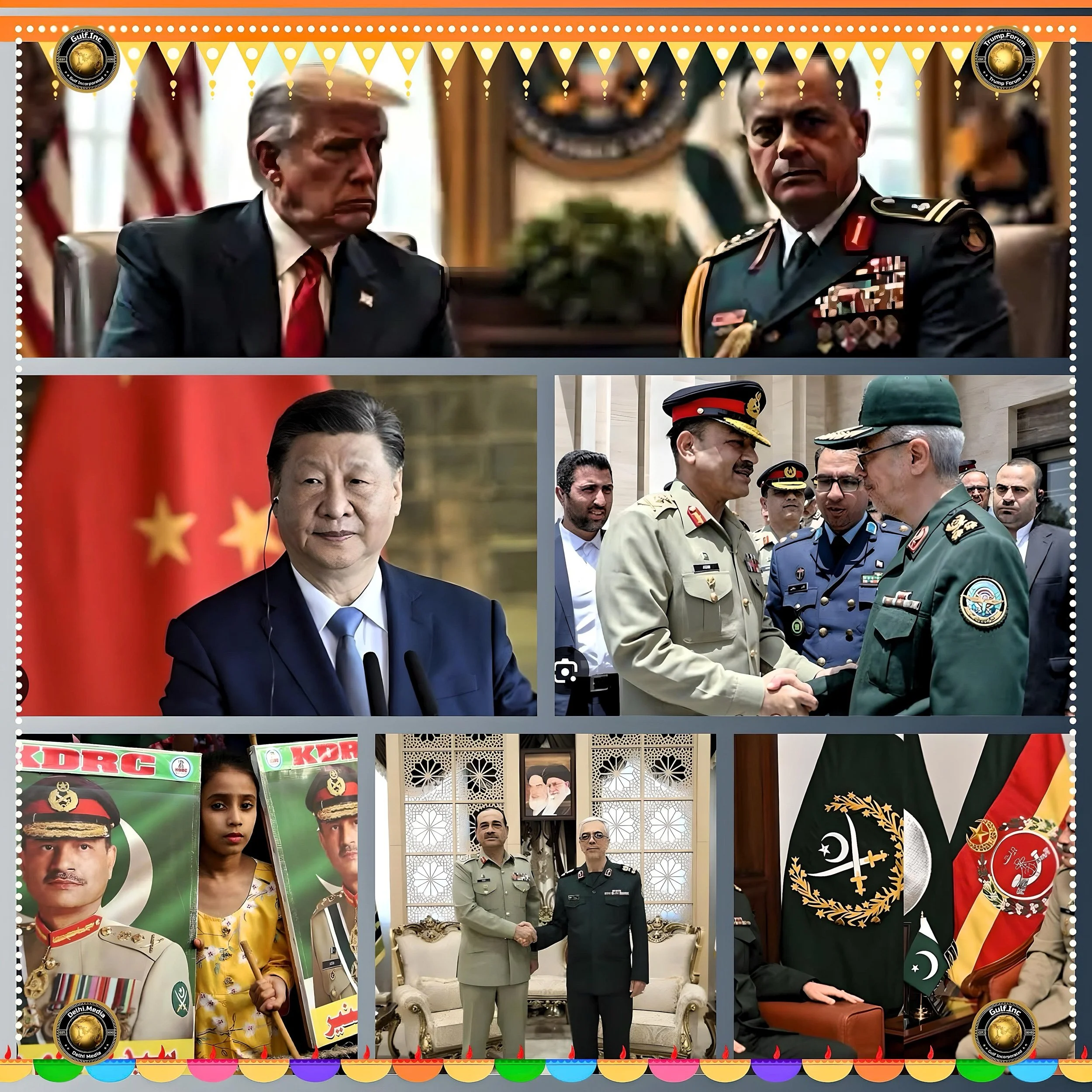
Pakistan Army Chief Asim Munir met with US President Donald Trump at the White House, an unusual level of engagement for a military leader.
During the meeting, Trump discussed the Israel-Iran conflict, noting that Pakistan “knows Iran very well—better than most” and could potentially play a role in de-escalation.
Trump also mentioned working on trade deals with India and Pakistan, expressing satisfaction that the recent India-Pakistan conflict had been resolved.
This meeting occurred shortly after Trump spoke with Modi by phone, during which Modi reportedly rejected Trump’s claim that the US had mediated cease-fire talks between India and Pakistan.
Conclusion
Walking a Diplomatic Tightrope
India is currently confronted with a significant diplomatic challenge as it navigates the complexities of the Israel-Iran conflict while safeguarding its multifaceted interests across the Middle East.
The strategic stakes are heightened because the region serves as a crucial provider of energy resources, trade routes, and investments and is home to a substantial number of Indian nationals.
India's diplomatic posture—centered on refraining from explicit condemnation of Israel while advocating for de-escalation and dialogue—embodies its doctrine of strategic autonomy.
This strategy aims to foster productive engagements with all involved parties. It acknowledges Israel's security imperatives while also considering the broader implications of regional stability, which are vital to prevent potential economic and geopolitical repercussions from a protracted conflict.
As the situation develops, Indian diplomats will be tasked with executing a finely-tuned diplomatic strategy.
This approach seeks to preserve the robust bilateral relationship with Israel without undermining ties with Iran and other key regional stakeholders.
India is indeed navigating a precarious diplomatic landscape characterized by competing interests. Still, its historical experience in managing intricate international relationships may provide valuable insights and strategies in this latest challenge to its foreign policy framework.