Putin’s Strategic Calculations: A Scholarly Analysis of the Current Moment
Introduction
By October 2025, Vladimir Putin finds himself at a critical juncture in his presidency, confronting a confluence of military stalemate, economic difficulties, diplomatic isolation, and increasing international pressure that challenge even the most seasoned authoritarian leaders.
Drawing upon historical patterns of Russian and Soviet strategic behavior, scholarly analyses of Putin’s decision-making psychology, and current geopolitical developments, it is likely that his strategic considerations revolve around several interconnected assessments.
The Constriction of Military and Economic Resources
Putin faces a sobering battlefield reality.
Russian forces have sustained approximately 1.1 million casualties since February 2022, with over 332,000 casualties occurring in 2025 alone.
Despite overwhelming numerical superiority—with Russian forces outnumbering Ukrainian troops three to six times in certain regions—the summer 2025 offensive resulted in strategic defeat, yielding minimal territorial gains of approximately 5,000 square kilometers since January 2024, representing less than 1% of Ukrainian territory.
Alarmingly, the ratio of wounded to killed Russian soldiers stands at merely 1.3 to 1, indicating deficiencies in battlefield medical care and suggesting that nearly one soldier dies for every soldier wounded.
The implementation of sanctions on October 22 against Rosneft and Lukoil signifies a significant escalation in the conflict, particularly as these companies account for over 5% of global oil production and approximately half of Russia’s crude oil exports, exceeding four million barrels per day.
Treasury Secretary Scott Bessent emphasized that the sanctions aim to diminish Russia’s capacity to generate revenue for its military efforts.
With transactions requiring cessation by November 21, President Putin faces a heavily constrained revenue stream, coinciding with signs of economic strain within Russia.
Russia’s economy has depleted its manufacturing reserves and manpower, entering a technical recession with GDP contracting sequentially in the first two quarters of 2025.
The budget deficit has expanded sharply to 4.88 trillion rubles (approximately $61.1 billion), constituting 2.2% of GDP, amid a 20.8% increase in government expenditure.
Furthermore, Ukrainian drone strikes have ravaged Russia’s energy infrastructure, precipitating fuel shortages and long queues nationwide.
The International Energy Agency projects these disruptions will hinder refinery processing rates until at least mid-2026.
The China-U.S. Dynamic and China’s Calculated Neutrality
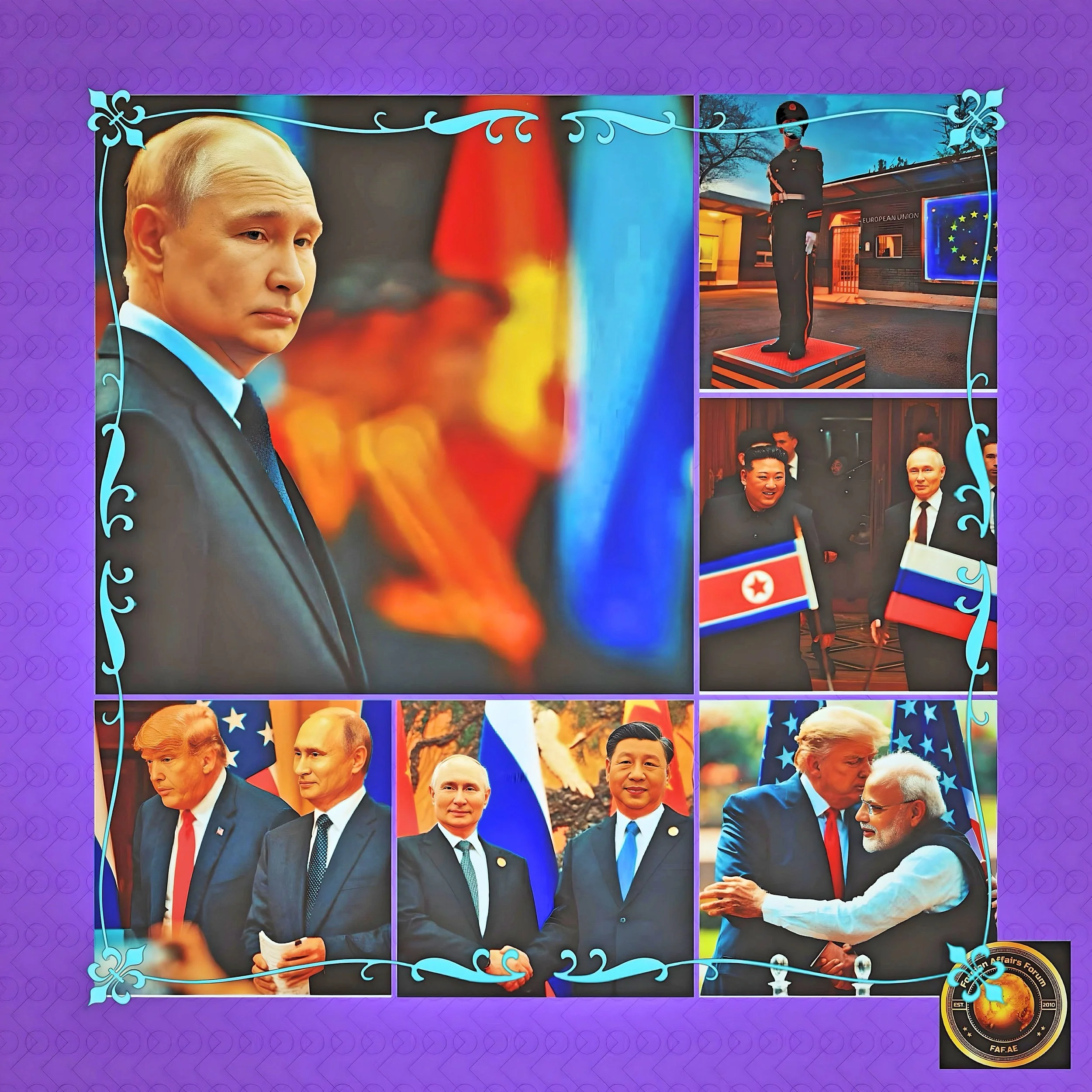
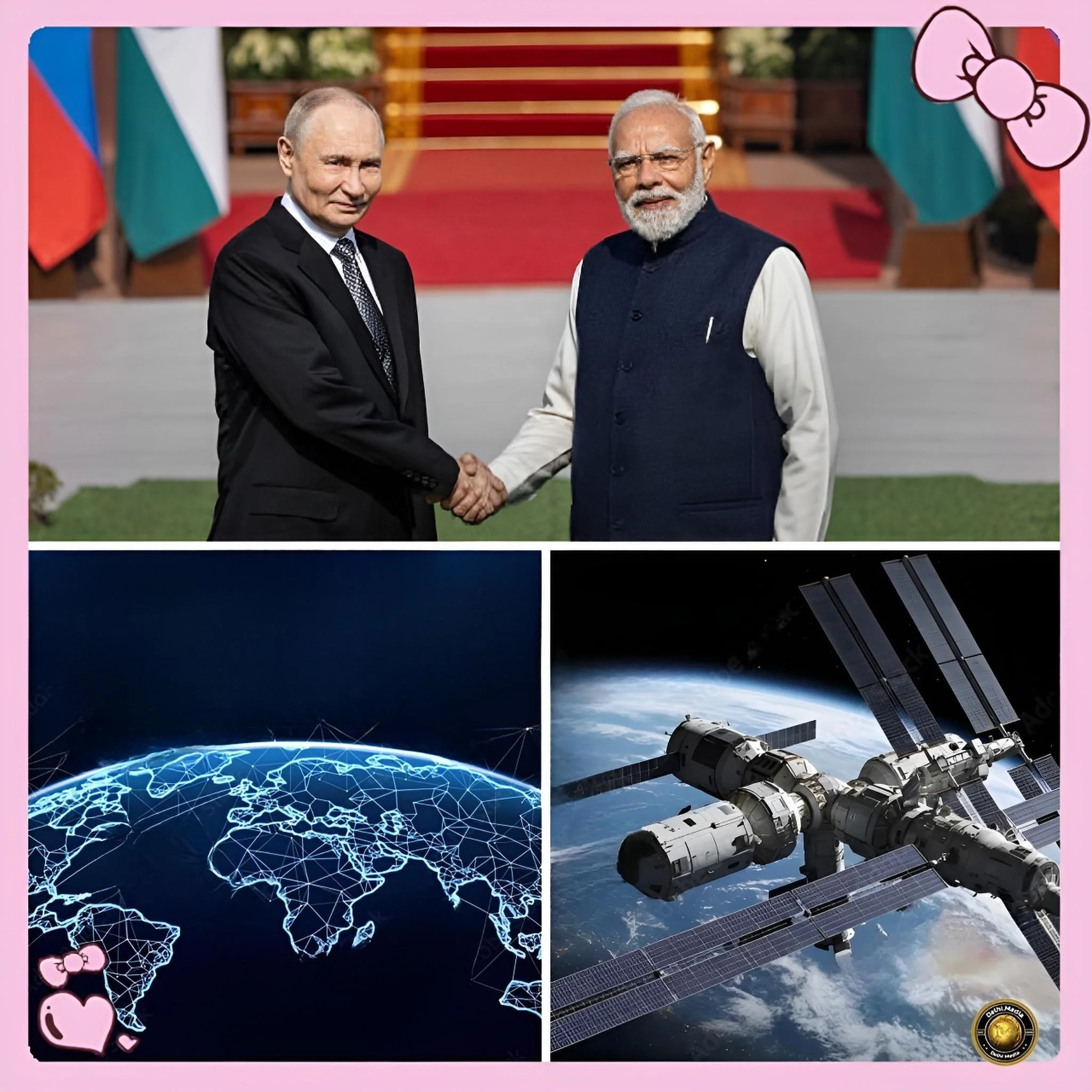
The October 30 meeting between Donald Trump and Xi Jinping in South Korea presents a scenario that is highly unfavorable for Putin: the possibility of rapprochement between the world’s two largest economies while Russia remains notably isolated economically.
Despite China and Russia reaffirming their 'comprehensive strategic partnership' in September 2025, China’s response to the oil sanctions highlights its strategic priorities.
Major Chinese state oil companies have ceased Russian seaborne oil purchases due to fears of secondary sanctions and loss of access to Western financial systems and the dollar-based global economy.
Chinese Foreign Ministry officials expressed opposition to the sanctions but offered no concrete countermeasures.
This underscores a fundamental asymmetry: while China values its partnership with Russia in balancing Western influence, it remains unwilling to jeopardize access to the American market.
India has similarly indicated compliance. Reliance Industries, India’s principal Russian oil importer, has stated it will modify its refinery operations to meet sanctions requirements.
United States President Donald Trump claimed that India is entirely ceasing Russian oil imports.
Together, China and India account for approximately 85% of Russia’s oil exports in August 2025.
Their partial retreat poses an existential threat to Russia’s ability to finance its military activities.
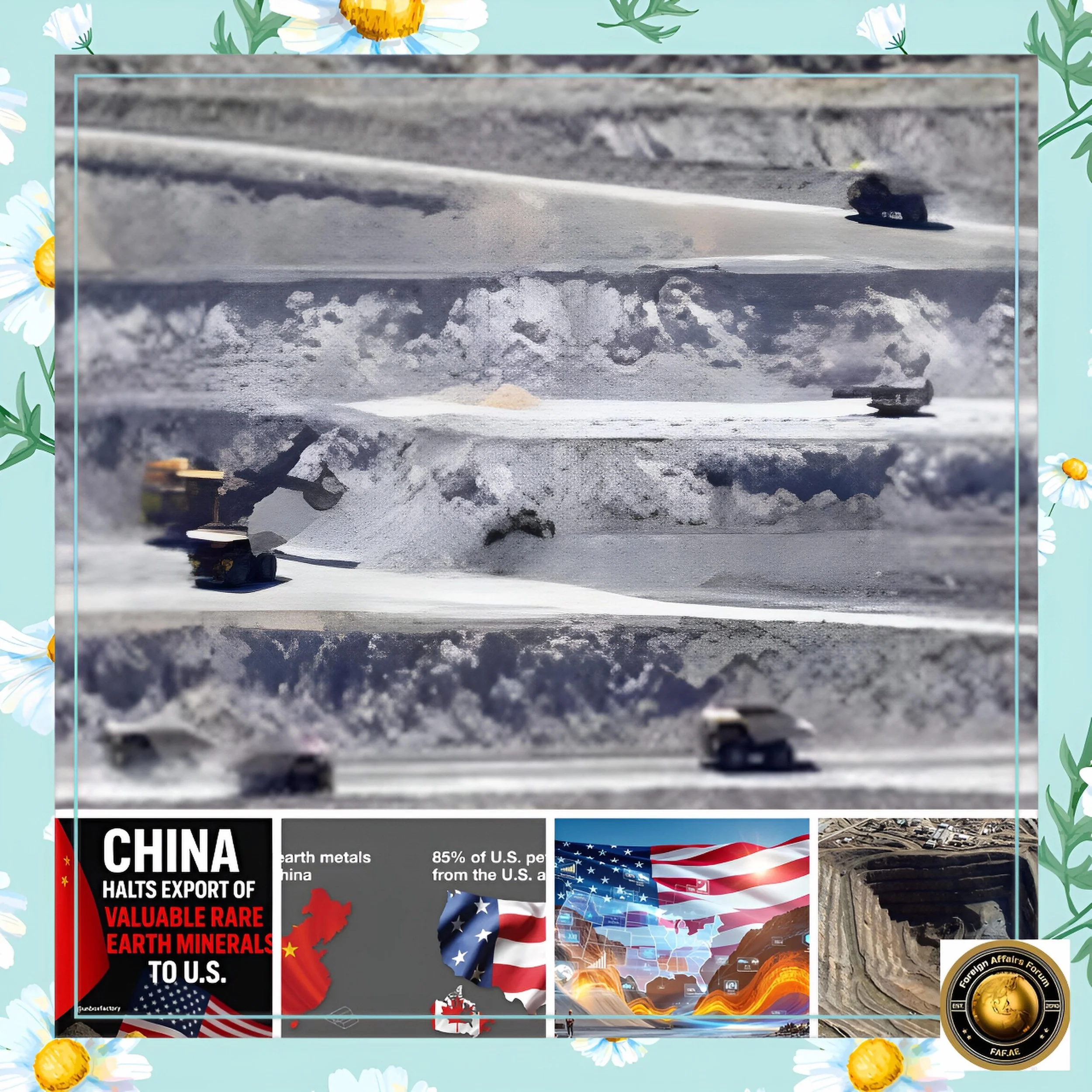
The Trump-Xi meeting also holds potential for negotiations on tariffs and rare earth elements, demonstrating that the two powers can negotiate pragmatically when interests align.
Nonetheless, Putin perceives that neither Washington nor Beijing requires Russia to fulfill their core strategic objectives, complicating efforts to secure external support.
Further, China’s growing unease regarding Russia’s expanding ties with North Korea—particularly the Russia-DPRK defense pact—adds another layer of complexity to the relationship.
Historical Patterns: Loss Aversion and Escalation Strategies
Scholarly insights rooted in Russian and Soviet strategic culture shed light on Putin’s mindset.
Historically, Russian and Soviet grand strategies have exhibited a combination of "offensive messianism and pragmatic realism," shaped by factors such as Russia’s limited natural boundaries, economic lag relative to Western powers, and historical vulnerability to invasion.
This cultural legacy fosters a strategic worldview centered on spheres of influence and perceives Western military capabilities as primarily threatening when deployed near Russian borders.
Putin’s decision-making displays evidence of "loss aversion," consistent with prospect theory.
Prior to 2022, Putin was characterized as a pragmatic risk-taker, employing calibrated force in Georgia, Syria, and Crimea.
The full-scale invasion of Ukraine represented a deviation driven by framing Ukraine’s westward orientation, NATO integration prospects, and the failed Minsk agreements as unacceptable losses to Russia’s sphere of influence.
Research indicates that Putin and his advisors increasingly framed Ukraine as a reference point for losses, leading them to accept high risks rather than strategic defeat.
The doctrine of "escalate to de-escalate" remains central to Russian strategic thinking. This involves raising threats—including nuclear posturing—to compel adversaries to concede, while simultaneously seeking off-ramps from untenable positions.
The deployment of Kirill Dmitriev, CEO of the Russian Direct Investment Fund, to American media outlets exemplifies this pattern.
Dmitriev reaffirmed Russia’s maximalist demands—including regime change, Ukrainian neutrality, and NATO’s withdrawal—while signaling escalation from perceived weakness.
Current Strategic Calculus of Vladimir Putin
Synthesizing these factors, Putin’s expectations as of late October 2025 likely encompass several key assessments.
On the Battlefield
Recognizing the failure of his war of attrition, with unsustainable casualties and limited territorial gains, Putin perceives victory as unlikely.
Nonetheless, acknowledging this reality could threaten his regime’s stability, given Russia’s strategic culture and personal authority structures, which view retreat or compromise as existential threats.
Economically
Regaining Russia’s vital oil sector represents an escalation that jeopardizes the sustainability of its war effort.
The economic disruptions—fuel shortages, budget deficits, stagnation—indicate an approaching crisis.
Nevertheless, Putin likely believes he can endure longer than Western political resolve to sustain Ukraine support.
Diplomatically
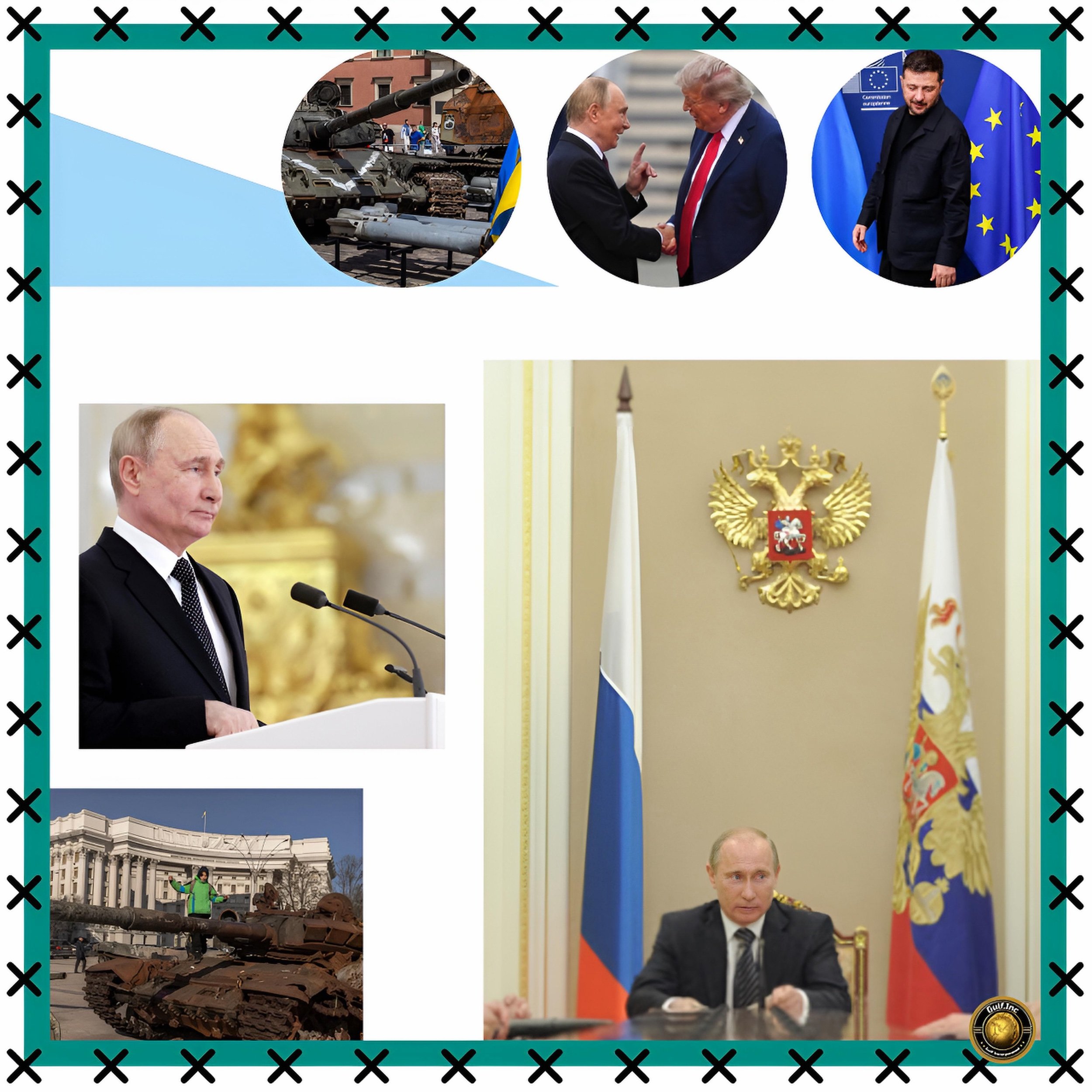
Putin dismissed President Trump’s proposed ceasefire, insisting on full control of Donbas and remaining committed to maximalist demands.
This indicates a strategy to maintain pressure through offensive actions and hybrid warfare, aiming to fracture Western unity.
Dependence on China
Although increasingly reliant on China, Putin is aware of China’s limitations.
The suspension of Russian oil purchases by Chinese companies after sanctions displays China’s unwillingness to sacrifice access to the American market, which could lead to further Russian economic isolation.
Domestic Stability
Reports suggest Putin fears internal unrest, with signs such as legal actions against opposition figures and reserve troop mobilizations implying concerns over the regime’s stability amid mounting casualties and economic hardship.
Historical Patterns and the Russian Strategic Mindset
Analysis by Stephen Kotkin and other scholars highlights a recurring theme: Russia tends to perceive itself as a providential power with a special mission, often resorting to forced modernization to address perceived power asymmetries.
Despite ideological differences from Soviet-era narratives, current policies continue this tradition.
Putin’s military actions reflect a continuation of imperial ambitions dating back to Tsarist times.
The failure to evolve beyond Cold War paradigms underscores Russia’s persistent reliance on expansionism driven by perceived weakness rather than strength.
Potential Endgame Scenarios
Putin faces a strategic impasse with limited options.
Contine the War of Attrition
This remains his default, predicated on the hope that Ukrainian resilience will eventually falter.
However, current casualty rates and infrastructural losses suggest this approach is unsustainable.
Escalate the Conflict
Further hybrid warfare, including attacks on civilian infrastructure, NATO airspace violations, and nuclear threats, could be employed to break Western resolve.
Yet, escalations risk provoking harsher responses and exposing Russian weaknesses.
Negotiate with Constraints
Negotiated settlement remains the most rational option but is politically unlikely without face-saving mechanisms.
The perception of defeat would threaten Putin’s hold on power.
Employ Escalate-to-De-Escalate
This strategy involves raising threats to induce concessions while seeking to resolve the conflict on advantageous terms.
The deployment of Dmitriev and recent sanctions demonstrate this approach’s current limits.
Current Perspectives and Strategic Outlook
Putin’s immediate concerns include the economic impact of sanctions, particularly the blackout of major markets by China and India, and the risk of further diplomatic isolation resulting from the Trump-Xi meeting.
The resilience of Ukraine and continued Western support undermine hopes of a swift resolution.
In addition, Putin remains committed to his ideological narrative, perceiving the conflict as essential to Russia’s status as a great power and his personal legacy.
This ideological commitment hampers realistic evaluation and limits strategic flexibility.
Conclusion
In October 2025, Vladimir Putin finds himself entangled in a strategic dilemma characterized by military setbacks, economic hardship, growing diplomatic isolation, and internal vulnerabilities.
His traditional reliance on Russian strategic culture—loss aversion, sphere-of-influence mentality, and escalation tactics—may prove insufficient against coordinated Western economic actions and Ukrainian resilience.
The upcoming Trump-Xi summit exemplifies the deepening global polarization, presenting a serious challenge to Russia’s position.
China’s reluctance to fully support Russia—evidenced by the suspension of oil purchases—underscores competing priorities, chiefly access to Western markets.
While Putin likely recognizes that his situation is deteriorating, his inclination is to continue pursuing escalation tactics, seeking negotiated face-saving solutions while hoping for advantageous shifts in battlefield or political circumstances.
Nonetheless, the confluence of military, economic, and diplomatic pressures signals a narrowing window for favorable resolution.
Scholarly consensus, rooted in analyses of Soviet and Russian strategic patterns, suggests that Putin is predisposed to persist with wartime efforts despite their immense costs.
Only when his perception shifts—perhaps through increased economic pressure and Ukrainian advances—will genuine negotiations become feasible.
The sanctions introduced in October 2025 may mark the initial stages of such a shift, but historical patterns imply that Moscow is likely to exhaust additional alternatives before accepting strategic defeat.