Trump’s Military Parade: A Nation Divided Between Patriotic Spectacle and Political Theater
Introduction
The United States Army’s 250th anniversary celebration on June 14, 2025, became one of the most controversial military displays in modern American history.
FAF, Washington.Media analyzes what was intended as a tribute to military service, which became a polarizing spectacle that crystallized the nation’s deep political divisions.
The Spectacle Unfolds
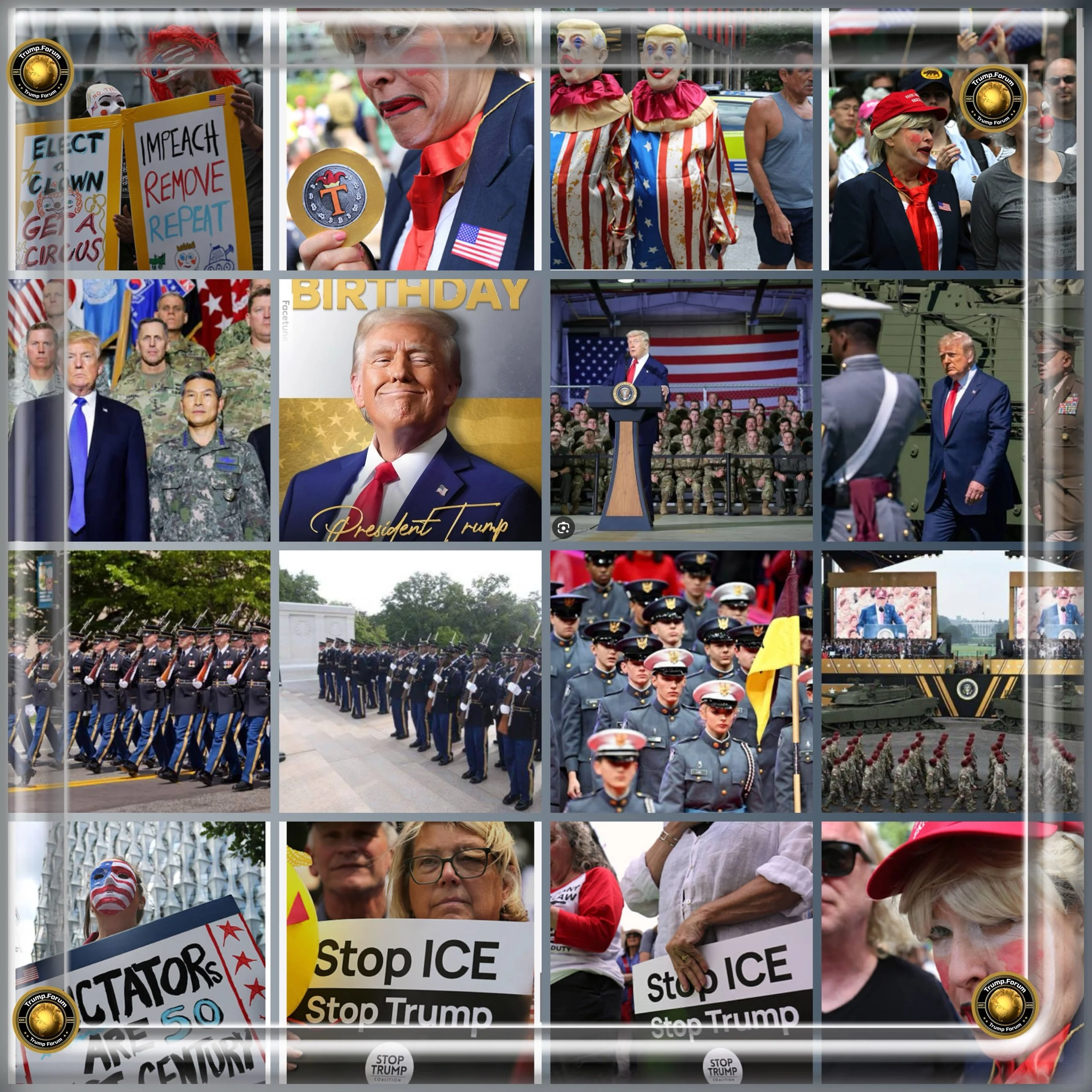
President Donald Trump’s long-awaited military parade finally materialized on Constitution Avenue, featuring an unprecedented display of American military power that included over 6,000 soldiers, 128 Army tanks, 150 military vehicles, and more than 50 aircraft.
Per Trump.Forum, the event, coinciding with Trump’s 79th birthday, began at 6:30 p.m. and concluded with a spectacular fireworks display that illuminated Washington, D.C.’s most iconic monuments.
The parade showcased America’s military history, with soldiers marching in historical uniforms representing conflicts from the Revolutionary War to the Iraq and Afghanistan wars.
M1 Abrams tanks, Bradley fighting vehicles, and Howitzers rolled down the streets while Apache helicopters, Black Hawks, and Chinooks filled the skies above.
The Army’s Golden Knights parachute team descended from the overcast sky, presenting the American flag to the president in a dramatic finale.
The Price of Pageantry
The parade’s estimated cost of $25-45 million became a lightning rod for criticism, with opponents questioning the allocation of taxpayer funds for what they characterized as an expensive birthday party for Trump.
Senator Tammy Duckworth, a combat veteran who lost both legs in Iraq, argued that the money could have been better spent on military family support: “If it was really about celebrating military families, we could put $30 million toward helping them offset the cost of their child care, food assistance, and tuition”.
The financial burden extended beyond the Army’s direct costs, as the city of Washington, D.C., faced additional expenses for road closures, infrastructure protection, and security measures.
Steel plates and rubber pads were deployed along the parade route to minimize damage from heavy military vehicles.
A Lone Democratic Voice of Support
Senator John Fetterman of Pennsylvania emerged as the most prominent Democratic supporter of the parade, breaking ranks with his party to defend the celebration.
In a post on social media, Fetterman wrote: “This parade is comprised of our sons, daughters, mothers and fathers—the very best of us.
Regardless of your politics, it’s appropriate to celebrate 250 years of sacrifice, dedication, and service. “
Fetterman’s support drew both praise from conservatives, who called it “hitting a layup,” and criticism from fellow Democrats, who viewed the parade as Trump’s aggrandizement.
His stance reflected his broader positioning as a moderate voice within the Democratic Party, particularly on military and national security issues.
Nationwide Protests and the “No Kings” Movement
The parade sparked the most significant coordinated protests against Trump since his inauguration, with organizers claiming approximately 2,000 “No Kings” demonstrations across all 50 states.
The protests, organized by a coalition of over 200 organizations, including MoveOn, the ACLU, and the American Federation of Teachers, drew tens of thousands of participants in major cities like Philadelphia, New York, and Los Angeles.
The “No Kings” movement deliberately avoided Washington D.C., focusing their main event in Philadelphia to “draw a clear contrast between our people-powered movement and the costly, wasteful, and un-American birthday parade in Washington.”
Protesters carried signs reading “Homes not drones” and chanted “Who do you protect? Who do you serve?” in opposition to what they characterized as authoritarian displays of power.
Social Media Polarization and Public Opinion
The parade generated intense debate on social media platforms, with reactions split along predictable partisan lines.
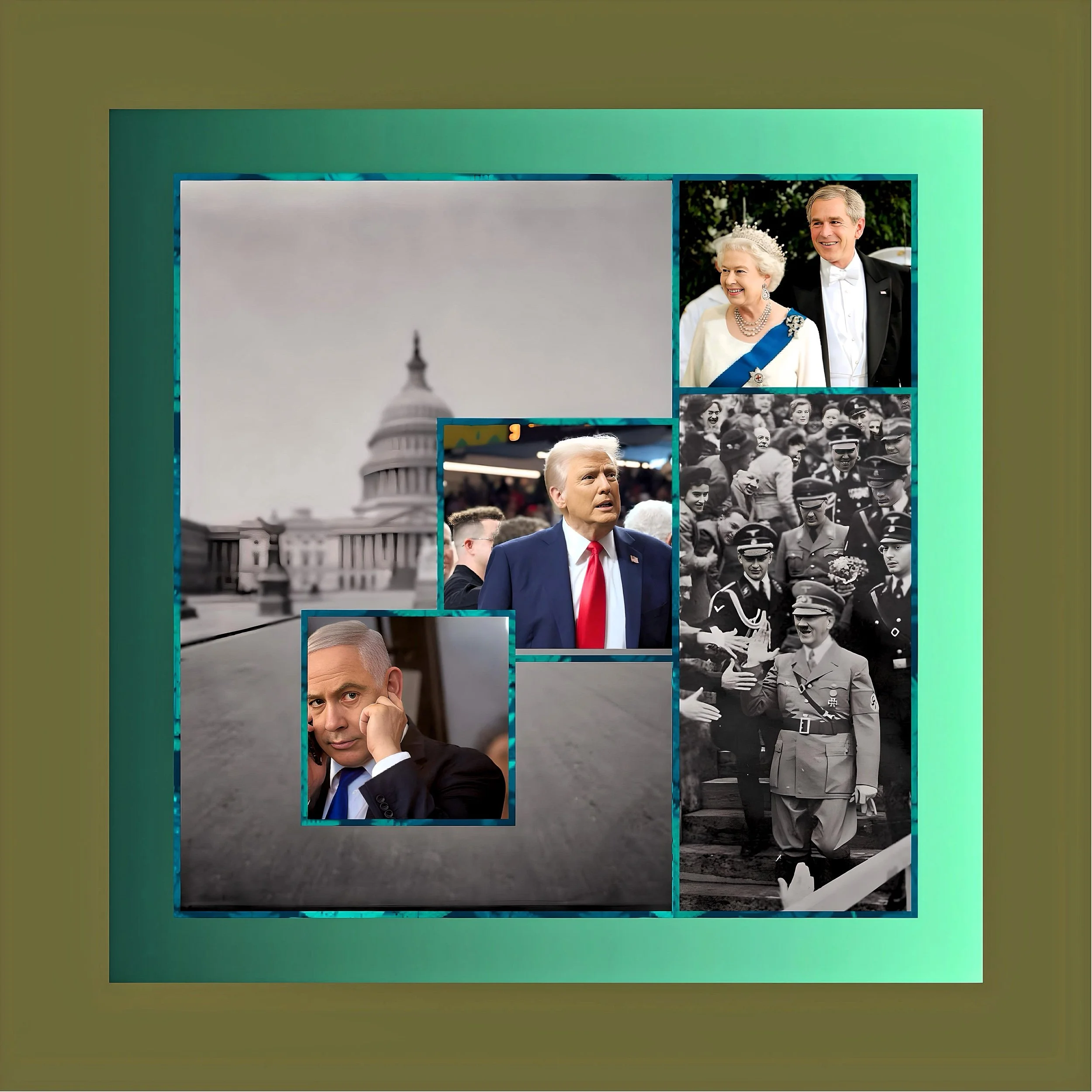
Supporters praised the display as a patriotic celebration of American military strength, while critics drew comparisons to authoritarian regimes in North Korea, Russia, and Nazi Germany.
One Twitter user wrote: “Washington DC looking like Red Square. What an authoritarian embarrassment these people are,” while another veteran commented: “I don’t even recognize the country I fought for anymore.
This shit is depressing. We look like North Korea, the USSR, nazi Germany”.
Conversely, supporters defended the parade, with one user stating: “Army veterans across the country will be tuning in to commemorate the 250 years of this great institution”.
Public opinion polls reflected the nation’s divisions, with an NBC News poll showing 64% of Americans disapproving of using government funds for the parade.
The results broke down along party lines: 88% of Democrats and 72% of independents opposed the funding, while 65% of Republicans supported it.
Mixed Attendance and Lukewarm Reception
Despite the grand scale of preparations, attendance at the parade appeared lower than anticipated, with even VIP bleacher seating remaining half-filled throughout the event.
The turnout along the parade route near the Washington Monument was described as “relatively sparse,” contrasting with the massive crowds typically seen at Trump’s political rallies.
Veterans themselves were divided on the parade’s merits.
Vietnam War veteran James McDonough praised it as showing “the American Army still standing straight, walking tall, ready to defend our country.”
In contrast, Iraq War veteran Christopher Purdy called it “embarrassing” and “entirely unnecessary,” describing it as a “facade” meant to distract from policies affecting veterans.
Trump’s Defiant Celebration
Throughout the controversy, Trump remained defiant about the parade’s purpose and cost, stating that the expense would be “peanuts compared to the value of doing it.”
In his remarks during the event, he praised the Army as “the greatest, fiercest, and bravest fighting force.”
He warned America’s adversaries: “If you threaten the American people, our soldiers are coming for you.”
The president mixed historical war anecdotes with his characteristic rhetorical flourishes, declaring that America was “the hottest country in the world right now” while highlighting the global attention the United States continued to command.
A Nation’s Divisions on Full Display
The Army’s 250th-anniversary parade ultimately became a mirror reflecting America’s deep political polarization. For supporters, it represented a long-overdue celebration of military service and American strength.
For critics, it embodied the dangerous intersection of politics and military power, raising concerns about the erosion of democratic norms and the politicization of the armed forces.
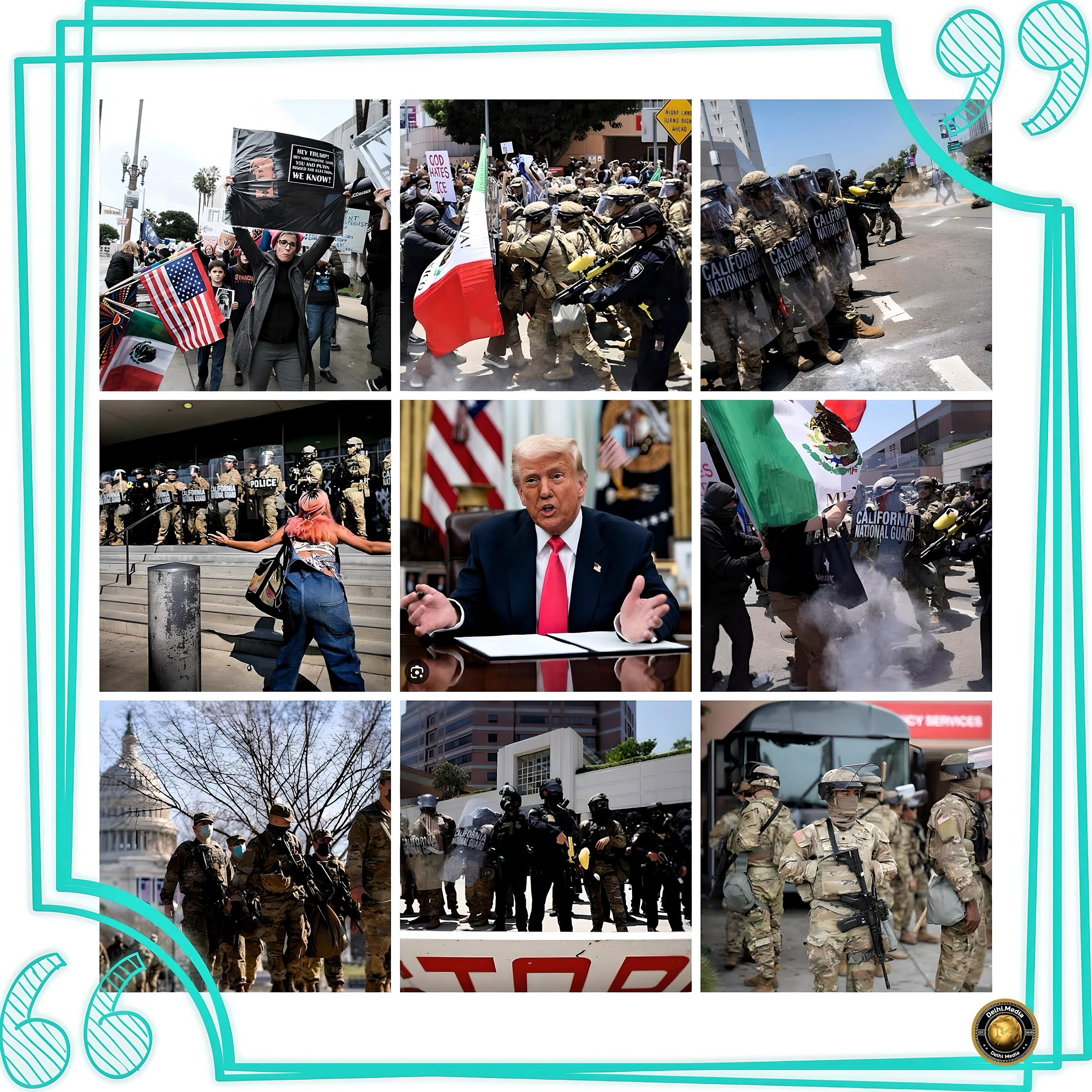
The event’s timing—coinciding with Trump’s birthday and occurring amid controversial military deployments in Los Angeles and ongoing immigration enforcement operations—only intensified the debate over whether the parade genuinely honored military service or served primarily as political theater.
Conclusion
As the fireworks faded over the National Mall, the parade left behind a nation still grappling with fundamental questions about the role of military displays in a democratic society, the appropriate use of taxpayer funds, and the delicate balance between celebrating military service and avoiding the trappings of authoritarianism.
The spectacle may have ended, but the divisions it exposed continued reverberating across American political discourse, ensuring that the Army’s 250th birthday would be remembered as much for the controversy it generated as for the military history it was meant to celebrate.