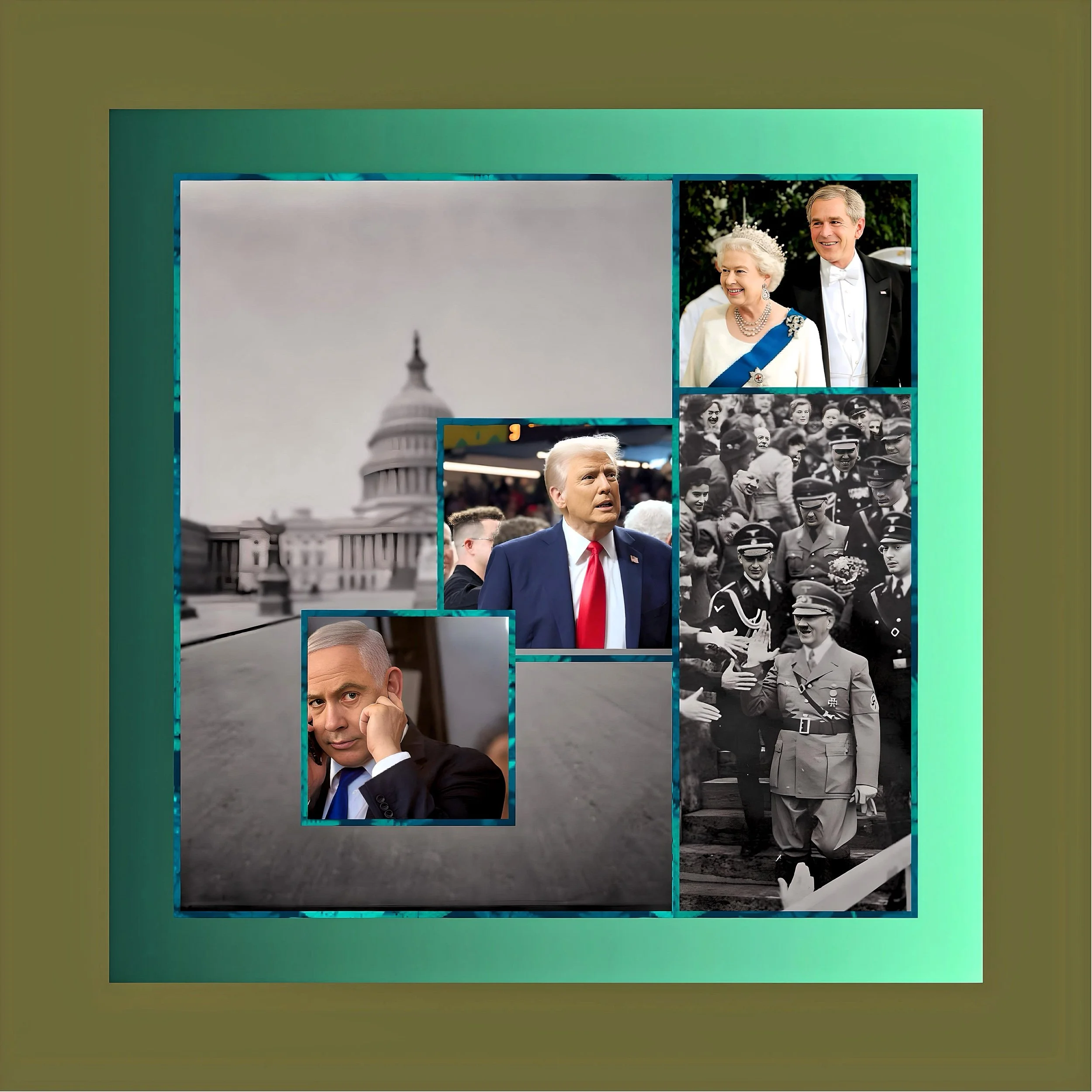
The Amplification of Domestic Political Divisions Under Trump: Rhetoric, Policy, and Structural Fractures
Introduction
Donald Trump’s presidency and post-presidency have profoundly intensified domestic political divisions in the United States, reshaping the socio-political landscape through inflammatory rhetoric, polarizing policies, and exploitation of structural inequities.
FAG synthesizes evidence from academic analyses, media reports, and policy critiques to demonstrate how Trump’s actions deepened partisan animosity, normalized extremism, and eroded institutional trust.
Rhetorical Strategies: Weaponizing Division
Dehumanizing Language and Authoritarian Appeals
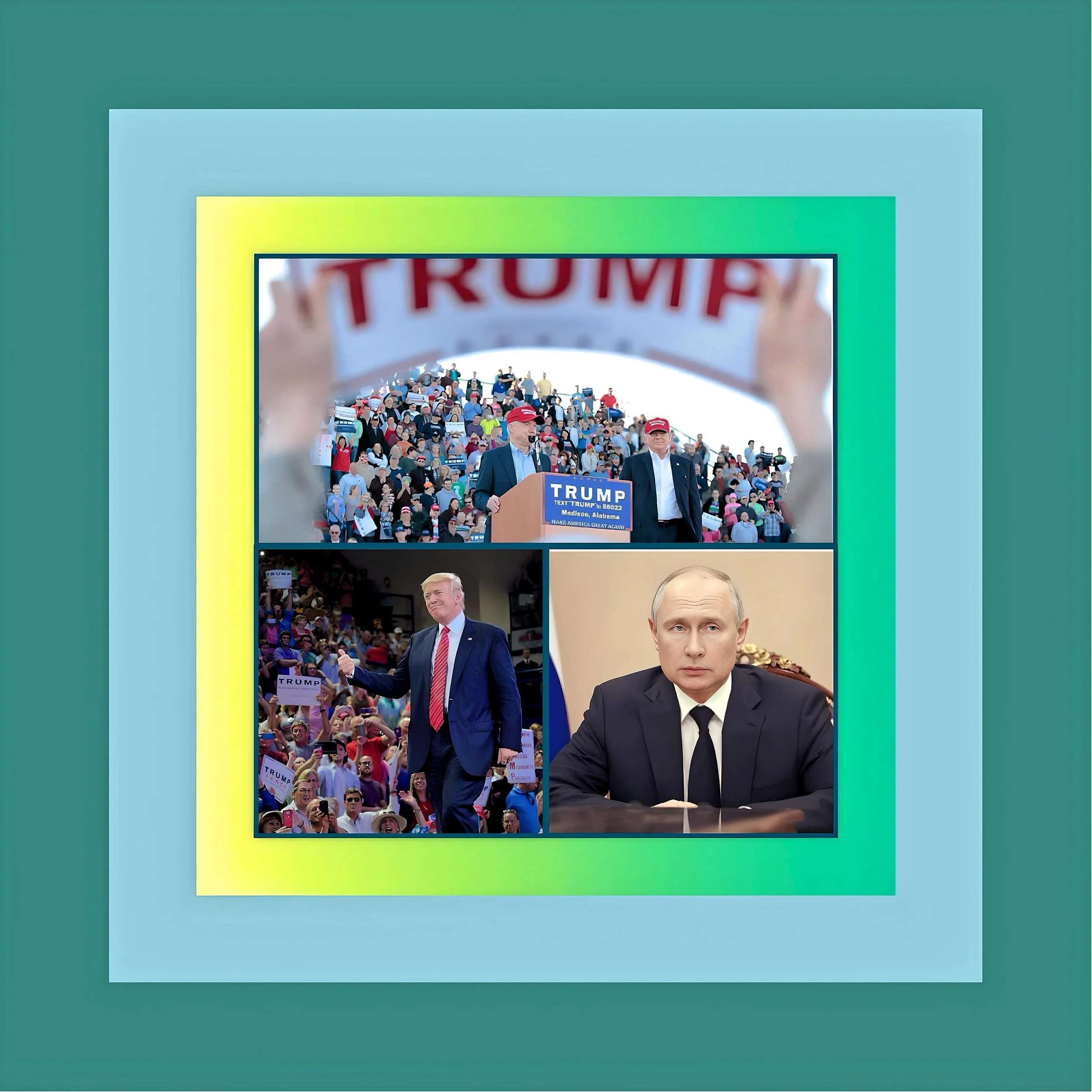
Trump’s rhetoric, characterized by “us vs. them” binaries and dehumanizing labels (e.g., calling migrants “rapists”), exacerbated racial and cultural divides.
His speeches often targeted marginalized groups, including immigrants, Muslims, and Black Lives Matter activists, framing them as existential threats to national identity.
By 2024, his campaign escalated this rhetoric, echoing Nazi ideology in warnings of immigrants “poisoning the blood of our country.” Such language not only galvanized his base but also normalized hate speech, correlating with a 20% rise in hate crimes from 2016 to 2019.
Disinformation and the “Firehose of Falsehood”
Trump’s reliance on falsehoods—repeating claims of a “rigged” 2020 election and promoting conspiracy theories like QAnon—overwhelmed fact-checking mechanisms, creating parallel realities for supporters.
This strategy, termed the “firehose of falsehood,” entrenched distrust in media and institutions, with 76% of Republicans in 2025 believing Trump’s claims of election fraud despite evidence to the contrary.
Policy Decisions: Institutional Erosion and Partisan Governance
Attacks on Democratic Norms
Trump’s refusal to concede the 2020 election and incitement of the January 6 Capitol riot marked a watershed in institutional erosion. His efforts to pressure state officials to overturn results and pardons for rioters signaled impunity for political violence, fracturing faith in electoral integrity.
By 2025, 42% of Americans believed his actions had worsened government functionality, with 78% of Democrats viewing his impact as catastrophic.
Polarizing Appointments and Governance Style
Trump’s administration prioritized loyalty over expertise, appointing billionaires and controversial figures (e.g., Steve Bannon) who amplified divisive agendas.
High turnover (e.g., three national security advisors in one year) and vacancies destabilized governance, while policies like the Muslim travel ban and family separations codified exclusionary nationalism.
Economic and Structural Drivers of Division
Exploiting Economic Anxiety
Trump capitalized on wage stagnation and deindustrialization, particularly among non-college-educated white voters. Despite real median wage growth during his term, his narrative blamed globalization and immigrants for economic decline, resonating with communities feeling “left behind.”
This messaging weaponized economic anxiety, redirecting frustration toward cultural scapegoats rather than systemic issues like corporate tax cuts or automation.
Electoral College and Gerrymandering
Structural inequities, such as the Electoral College’s rural bias, allowed Trump to win in 2016 despite losing the popular vote.
Gerrymandering further entrenched minority rule, enabling Republicans to “punch above their weight” in Congress despite representing a shrinking demographic base. These mechanisms amplified perceptions of disenfranchisement among Democratic voters.
Racial and Cultural Polarization
White Identity Politics
Trump’s presidency emboldened white supremacist groups, evident in the Unite the Right rally in Charlottesville (2017), where he equivocated between neo-Nazis and counter-protesters. His dismissal of systemic racism and attacks on “critical race theory” framed racial justice movements as anti-American, deepening racial fault lines.
Backlash Against Demographic Change
By 2025, Trump’s rhetoric framed demographic shifts (e.g., a rising non-white population) as a threat to “traditional America,” exacerbating fears among white conservatives. Policies targeting “sanctuary cities” and attempts to add a citizenship question to the census institutionalized this anxiety.
Consequences: A Nation at Odds
Partisan Hostility and Violence
The partisan approval gap under Trump reached historic levels: 86% of Republicans approved his policies versus 6% of Democrats. This divide manifested in violence, including a 300% increase in threats against lawmakers by 2025 and the normalization of armed protests at state capitols.
Institutional Distrust and Democratic Erosion
By 2025, only 47% of Americans expressed trust in the federal government, down from 54% in 2016. Trump’s attacks on the “deep state,” judiciary, and press (“fake news”) corroded civic faith, with 60% of Democrats fearing authoritarian consolidation.
Conclusion
The Legacy of Division
Trump’s actions transformed political polarization from a policy disagreement into a clash over national identity and democratic survival. His rhetoric and policies exploited structural vulnerabilities—economic inequality, racial resentment, and electoral biases—to fracture the electorate.
Reversing this damage requires addressing systemic inequities, rebuilding institutional trust, and discrediting extremist narratives. However, with Trump’s 2025 agenda prioritizing further deregulation, immigration crackdowns, and attacks on the administrative state, divisions are likely to deepen, posing existential risks to American democracy.
The enduring lesson of the Trump era is that once weaponized polarization becomes a self-perpetuating force that outlives its architects and reshapes the nation’s trajectory for generations.