Iran-Israel Missile Attacks: Recent Impact on Civilian Areas
Introduction
The escalating conflict between Iran and Israel has entered a devastating phase, with both nations conducting extensive missile and drone attacks that have significantly impacted civilian populations.
The current crisis, which intensified on June 15, 2025, has resulted in substantial casualties and damage to residential areas across both countries.
Overview of Recent Escalation
The current round of hostilities began with Israel launching surprise airstrikes against Iran’s nuclear facilities and military installations on Friday, June 13, 2025.
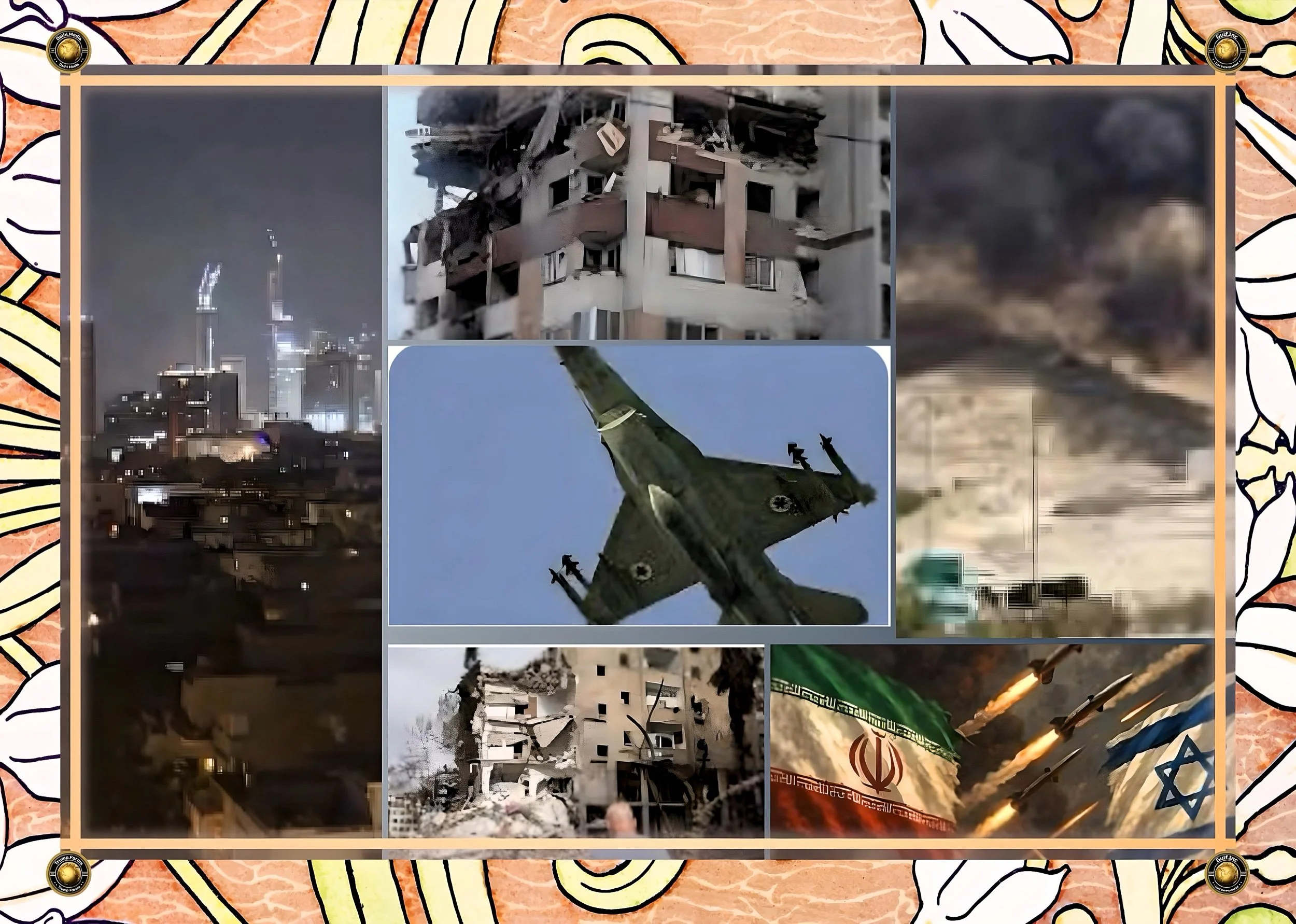
This offensive has continued for three consecutive days, with Iran responding through multiple waves of ballistic missile attacks targeting Israeli cities.
The conflict has evolved into what analysts describe as the most direct and destructive confrontation between the two nations in recent years.
Civilian Casualties and Impact in Israel
Death Toll and Injuries
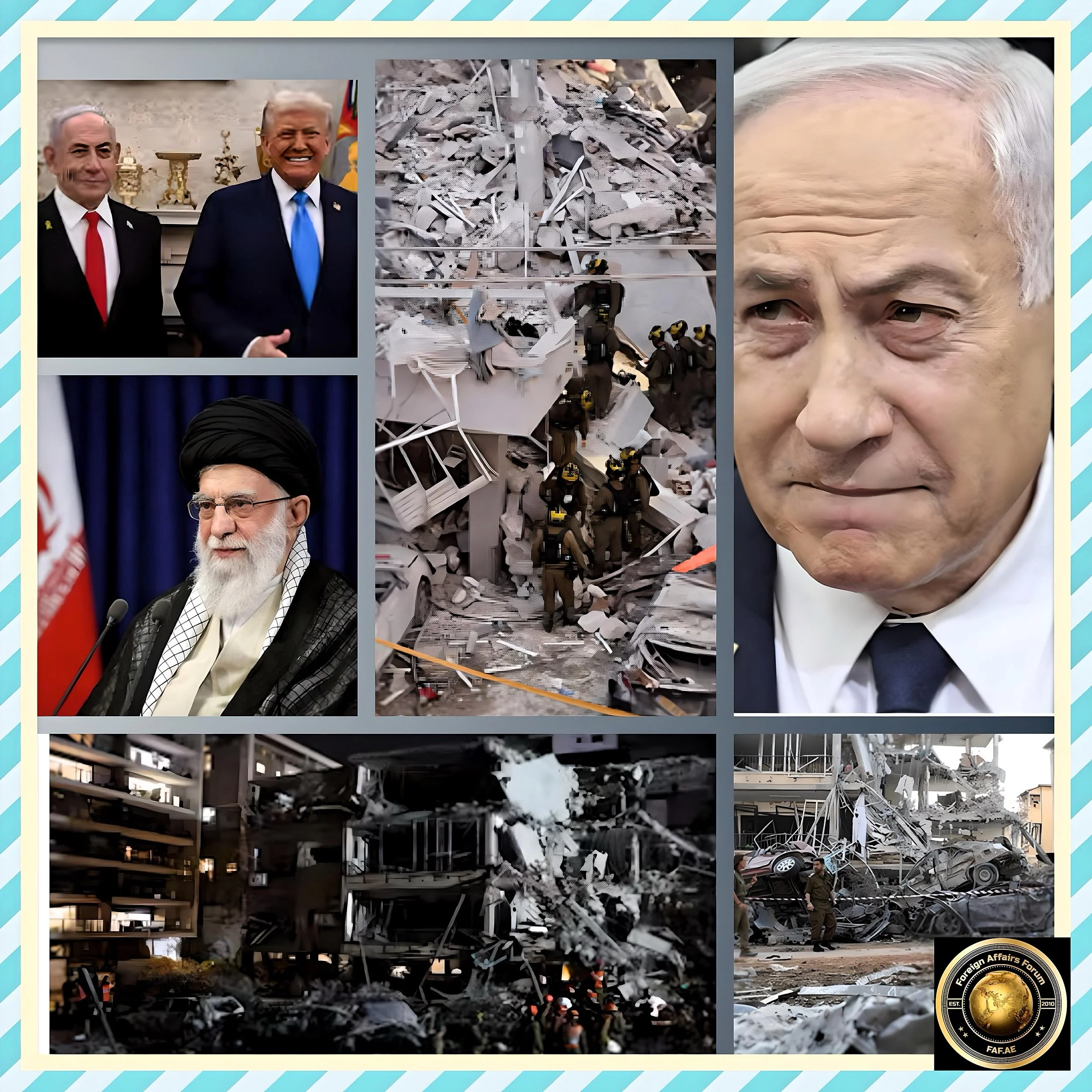
Iranian missile strikes have resulted in significant civilian casualties across Israel. As of June 15, 2025, at least 13 Israeli civilians have been killed, with over 370 people injured.
The attacks have particularly affected densely populated urban areas, including Tel Aviv, Jerusalem, Haifa, and surrounding cities.
Specific Incidents in Israeli Cities
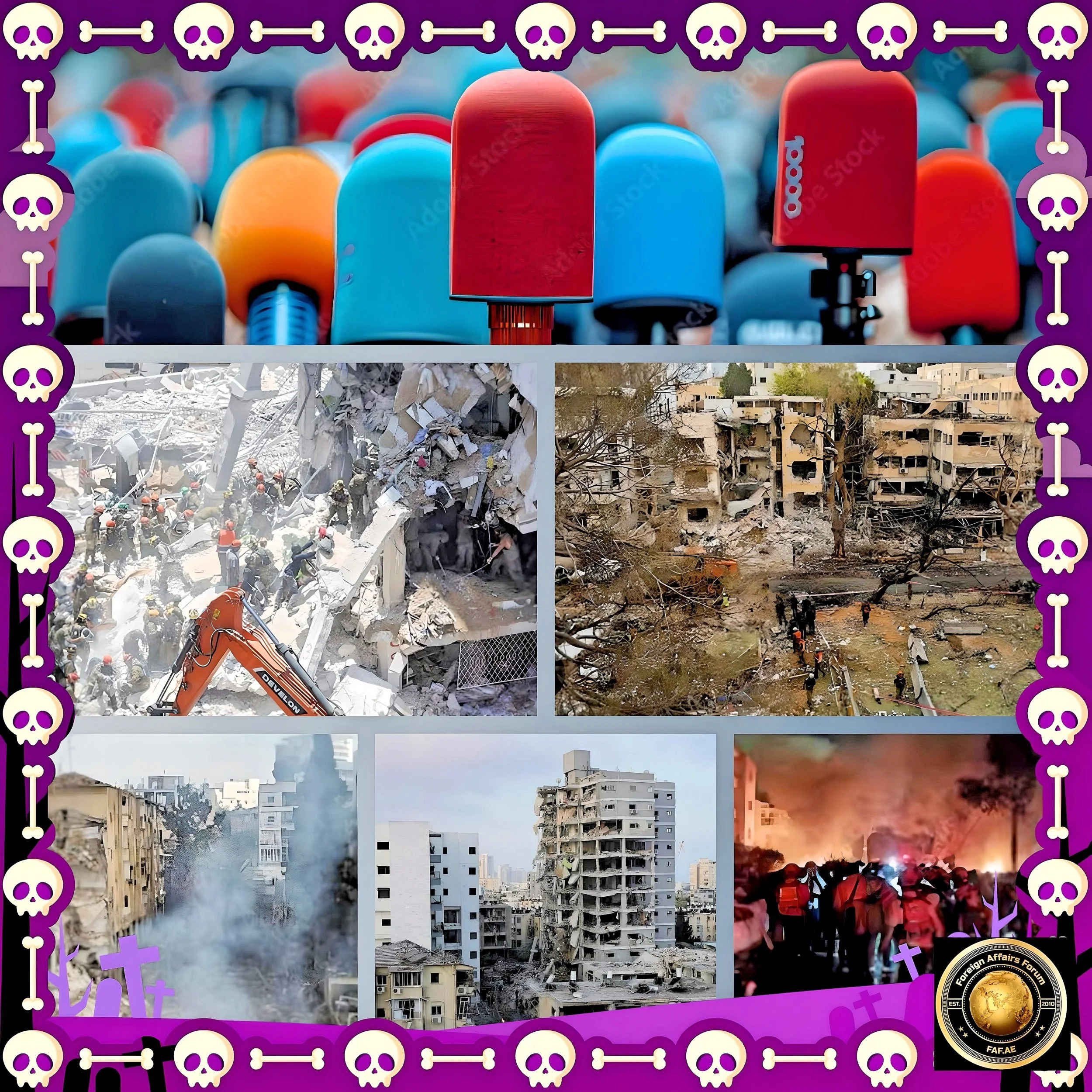
Bat Yam and Central Israel The coastal city of Bat Yam near Tel Aviv suffered one of the most devastating attacks, with six people killed when Iranian missiles directly hit a residential building.
Among the victims were at least two young children, including a 10-year-old and a 9-year-old.
Emergency responders used drones to search for survivors in the rubble, with seven people still reported missing.
Northern Israel - Tamra In the Arab town of Tamra in northern Israel, four people were killed, including a 13-year-old, when a missile struck a residential building.
This incident highlighted the vulnerability of Palestinian-Israeli communities, which, according to the Association for Civil Rights in Israel, often lack adequate public shelters and protective facilities.
Rishon LeZion Two fatalities were reported in Rishon LeZion, including a 73-year-old resident, with approximately 19 others sustaining injuries when an Iranian missile struck residential areas.
The attack caused significant damage to homes, with residents describing shattered windows, collapsed roofs, and debris scattered across peaceful residential streets.
Infrastructure and Daily Life Impact
The attacks have severely disrupted civilian life across Israel.
Air raid sirens have sounded repeatedly across Jerusalem, Tel Aviv, and other major cities, sending millions of Israelis into bomb shelters.
Israel’s main international airport and airspace have remained closed for three days, affecting domestic and international travel.
Israeli officials have emphasized that all those killed and seriously wounded were not in bomb shelters when the attacks occurred, underscoring the importance of following Home Front Command safety instructions.
Civilian Impact in Iran
Casualties and Residential Damage
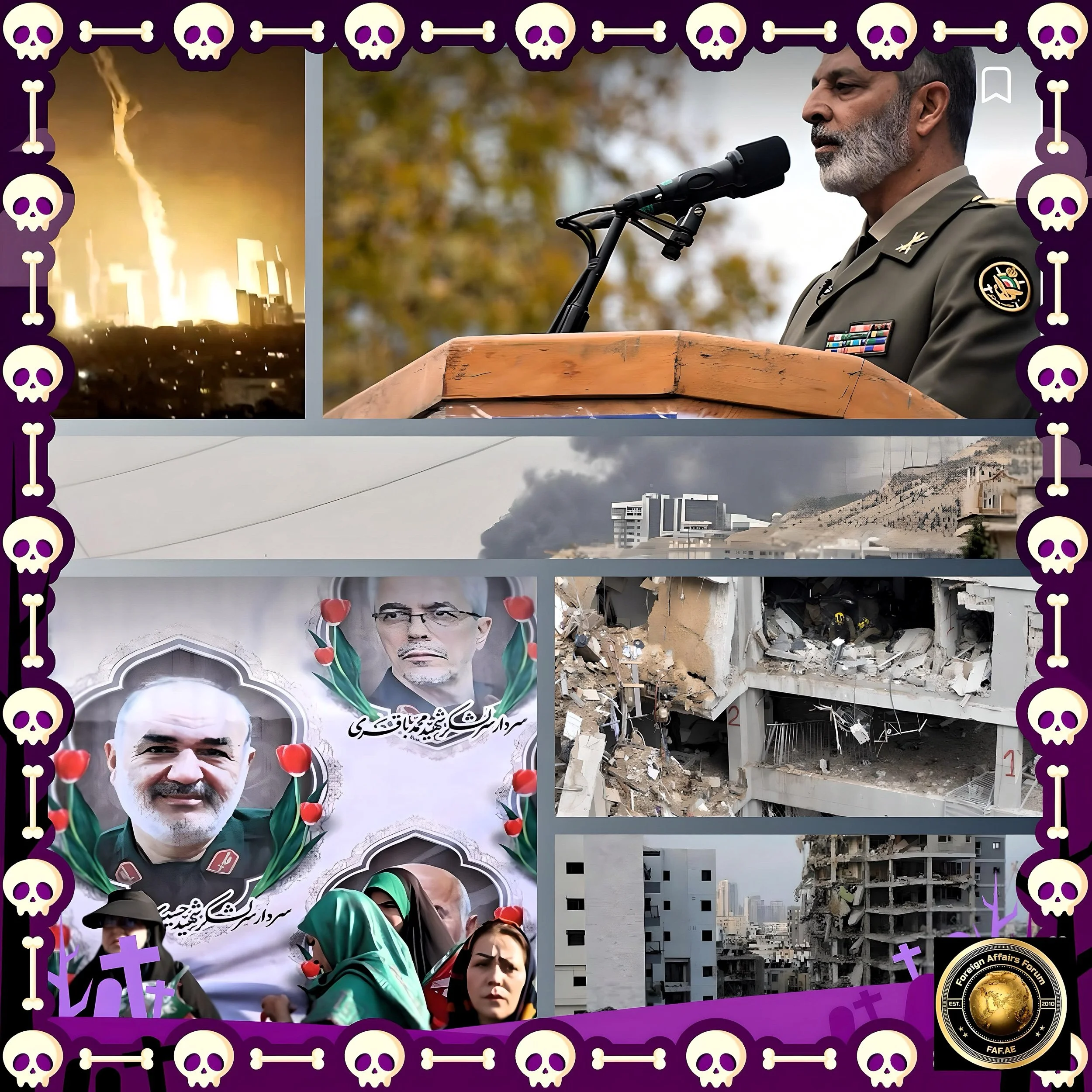
Iranian civilian casualties have been substantial, with reports indicating at least 80-138 people killed and over 320 injured in Israeli strikes.
Among the most tragic incidents was an Israeli airstrike on a single residential building in Tehran’s Shahid Chamran Township, which killed 60 civilians, including 20 children.
Targeting of Civilian Infrastructure
Israeli strikes have targeted multiple civilian and dual-use facilities across Iran
Energy Infrastructure
Israel struck the Shahran oil depot in Tehran, causing fires and disrupting energy supplies.
Most significantly, Israel attacked Iran’s South Pars gas field - the world’s largest natural gas field - partially suspending production of 12 million cubic meters of gas.
This marked the first Israeli strike on Iran’s oil and gas sector.
Residential Areas
Iranian state media reported that residential neighborhoods in Tehran were affected by the airstrikes, with explosions noted in various parts of the capital.
The attacks have forced Iranian authorities to designate mosques, metro stations, and schools as emergency shelters.
Defense and Nuclear Facilities
While primarily military targets, Israeli strikes on Iran’s Defense Ministry headquarters in Tehran and nuclear facilities have had broader implications for civilian areas, as these sites are often located near populated regions.
Humanitarian Concerns and Civilian Protection
Targeting of Civilian Areas
Both sides have accused each other of deliberately targeting civilian populations. Israel has accused Iran of intentionally aiming missiles at civilian zones, with many Iranian missiles striking within Israeli urban areas rather than isolated military targets.
Conversely, Iran’s health minister reported that most casualties from Israeli attacks consist of women and children.
Vulnerable Populations
The conflict has particularly affected vulnerable communities. In Israel, Palestinian-Israeli towns in the north have been disproportionately impacted due to inadequate shelter infrastructure.
In Iran, the civilian toll has included significant numbers of children, with reports indicating that half of the 60 people killed in one residential building strike were minors.
Emergency Response Challenges
Both countries have mobilized extensive emergency response efforts. In Israel, rescue teams have deployed search dogs and drones to locate survivors in damaged buildings.
Iran has activated emergency services at multiple strike sites to extinguish fires and provide medical assistance.
Regional and International Implications
The civilian impact of these attacks has raised international concerns about escalation.
The cancellation of scheduled nuclear talks between Iran and the United States demonstrates how civilian casualties and infrastructure damage are complicating diplomatic efforts.
European leaders have called for de-escalation to prevent the conflict from expanding into a wider regional war.
The attacks have also disrupted global energy markets, with oil prices rising 9% due to concerns about potential impacts on regional oil exports.
Targeting Iran’s gas infrastructure is particularly significant, given its role as the world’s third-largest gas producer.
Conclusion
The recent missile exchanges between Iran and Israel have resulted in unprecedented civilian casualties and damage to residential areas in both countries.
With at least 13 killed in Israel and over 80 reported dead in Iran, the conflict has moved beyond military targets to impact civilian populations significantly.
The destruction of homes, displacement of families, and disruption of essential services underscore the urgent need for international intervention to prevent further escalation and protect civilian lives.
As both nations continue to threaten expanded military operations, the humanitarian crisis is likely to deepen without immediate diplomatic intervention.