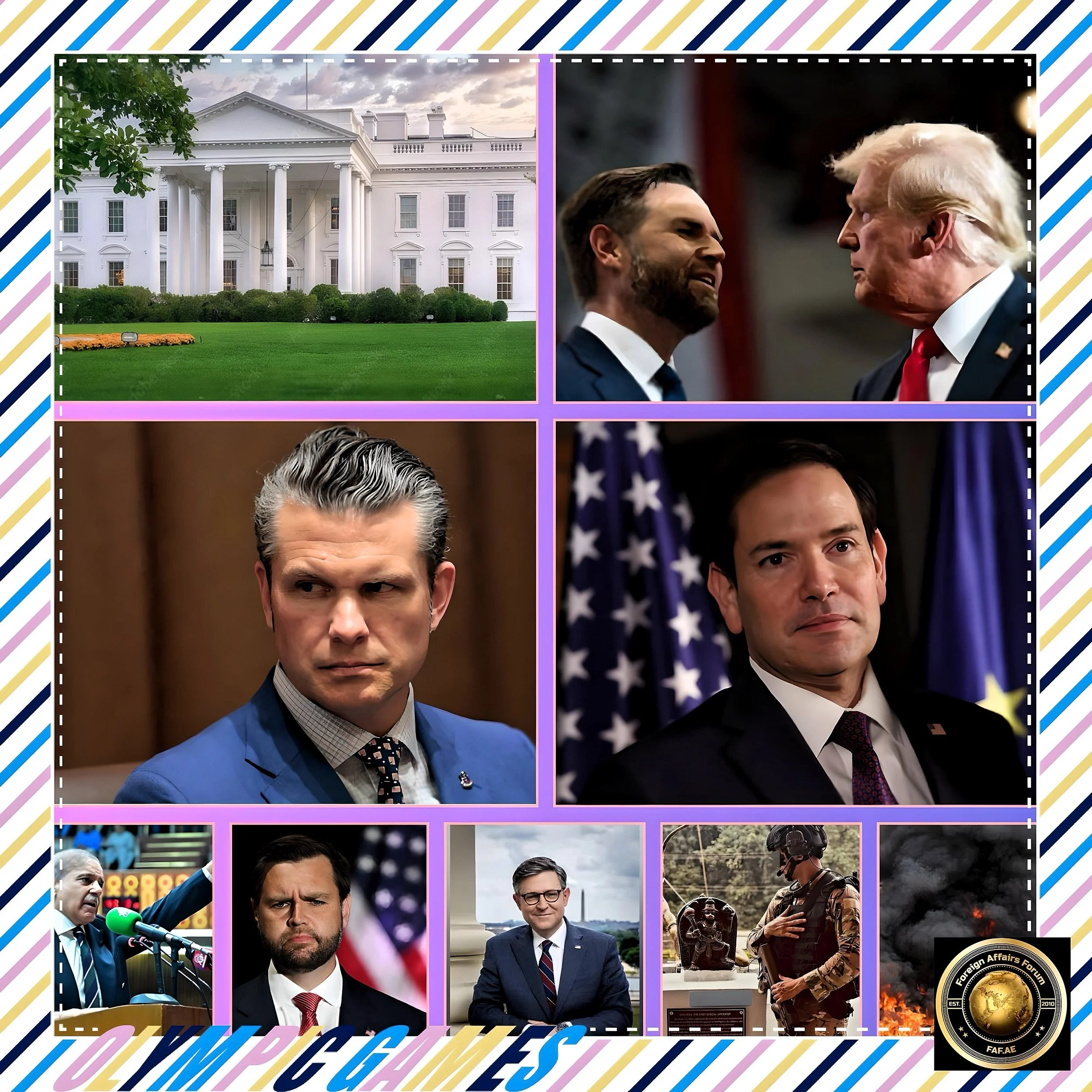
US Statements and Global Expert Opinions on the India-Pakistan Conflict
Introduction
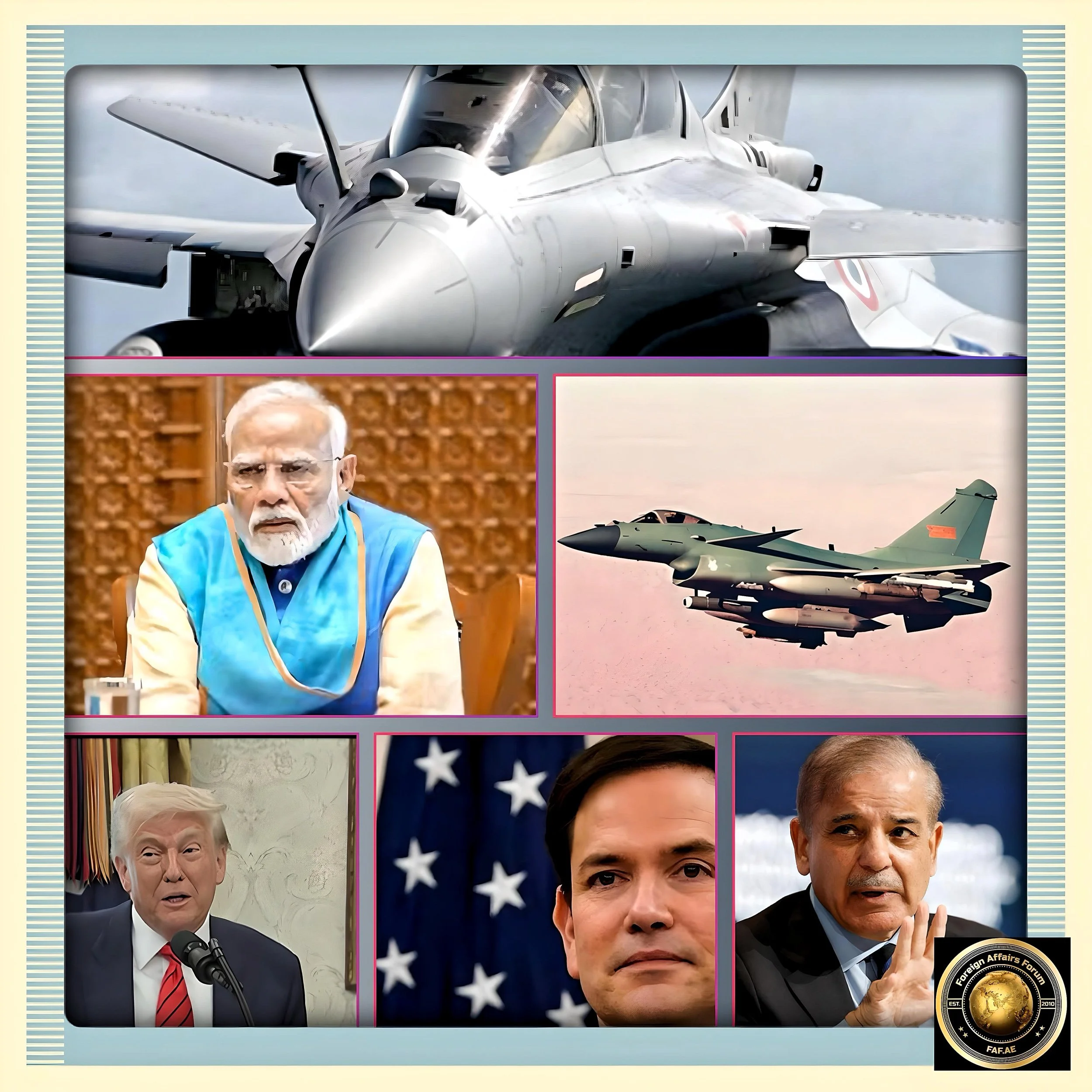
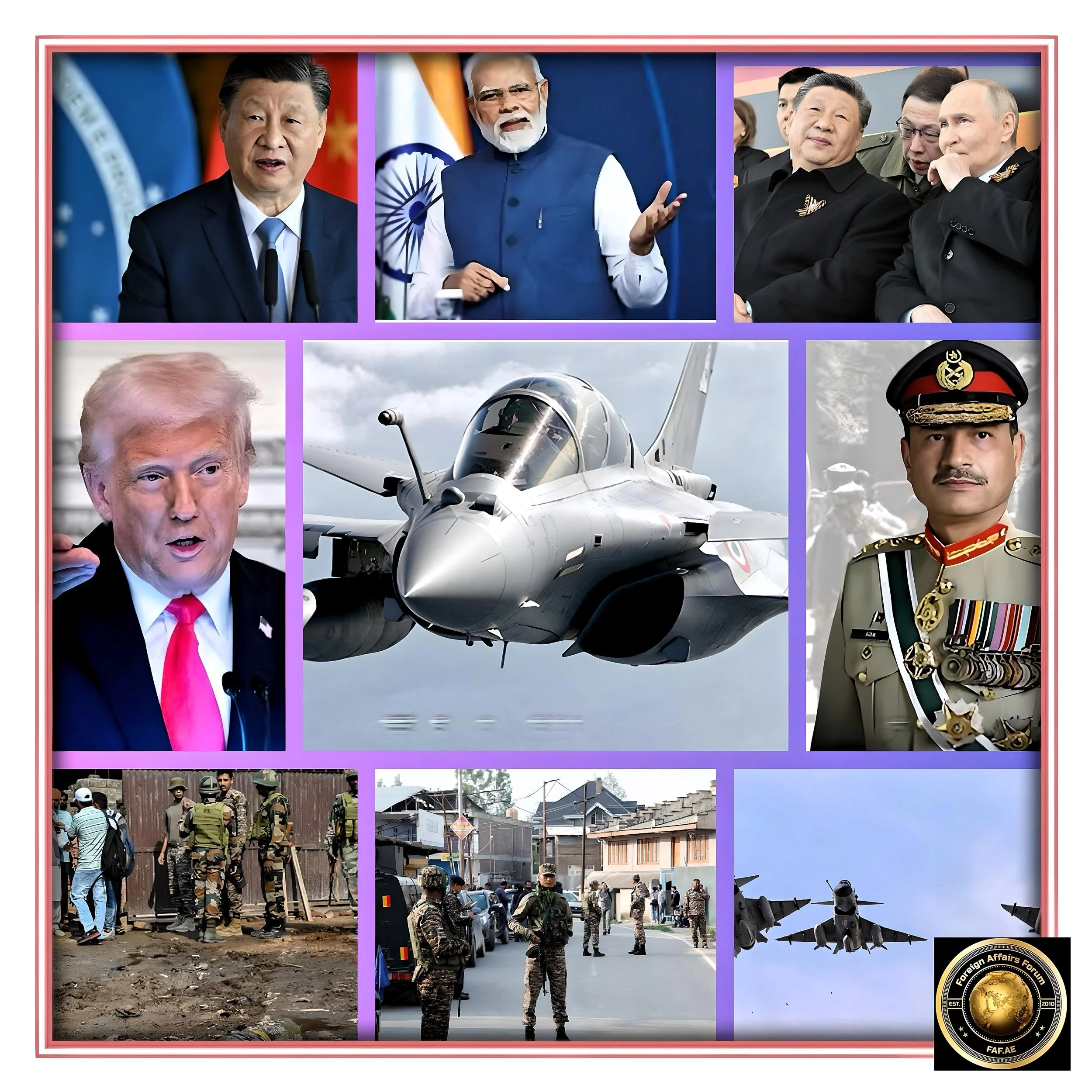
As tensions between India and Pakistan escalate following military exchanges, US officials have issued various statements while global experts express differing views on Washington’s approach.
The evolving crisis presents a complex diplomatic challenge for the Trump administration, which must balance its strategic partnership with India against the risk of nuclear escalation in South Asia.
Key US Official Statements on the Conflict
President Donald Trump’s Position
President Trump has adopted a relatively hands-off approach while expressing concern about the situation.
He described the escalating tensions as “terrible” and called the situation “shameful.”
While offering assistance, his statements have remained noncommittal: “I know both very well, and I want to see them work it out, I want to see them stop. And hopefully they can stop now, they’ve gone tit-for-tat, so hopefully they can stop now”.
Trump has maintained that both countries would “figure it out one way or the other” while offering conditional help: “If I can do anything to help, I will be there.”
This approach reflects his reluctance to become deeply involved in the regional conflict.
Vice President JD Vance’s Controversial Remarks
In what has become one of the most discussed US statements on the crisis, Vice President JD Vance declared that the India-Pakistan conflict is “fundamentally none of our business.”
Speaking to Fox News, Vance elaborated: “We can’t control these countries, though.
Fundamentally, India has its gripes with Pakistan, and Pakistan has responded to India.
What we can do is to urge these folks to de-escalate a little bit, but we are not going to get involved in a war that is fundamentally none of our business and has nothing to do with America’s ability to control it”.
While Vance has expressed concern about “a hot spot breaking out, especially between two nuclear powers,” his comments signal a significant departure from traditional US crisis management in South Asia.
Secretary of State Marco Rubio’s Diplomatic Efforts
In contrast to Vance’s stance, Secretary of State Marco Rubio has taken a more active diplomatic approach.
He has spoken directly with Indian External Affairs Minister S. Jaishankar and Pakistani Prime Minister Shehbaz Sharif, emphasizing “the need for immediate de-escalation” and calling for “an end to the violence.”
In his conversation with Pakistani leadership, Rubio “reiterated his calls for Pakistan to take concrete steps to end any support for terrorist groups.”
Jaishankar “reaffirmed the United States’ commitment to work with India in the fight against terrorism” while encouraging dialogue between the nuclear-armed neighbors.
Other US Officials’ Positions
Defense Secretary Pete Hegseth stated that the US “stood in solidarity” with India and supported its “right to defend itself.”
House Speaker Mike Johnson supported “India in its fight against terrorism.” The State Department has acknowledged it has been calling out Pakistan for supporting terrorist groups “for decades” while describing the recent Kashmir attack as “awful.”
Expert Analysis of the US Approach
Concerns About Limited US Engagement
Several prominent experts have expressed alarm about what they perceive as insufficient US involvement in de-escalating the conflict:
John Mearsheimer, a US political scientist, has warned that the current crisis could spiral into a full-scale war potentially involving nuclear weapons.
He expressed concern about the Trump administration’s approach: “You don’t have the sense that the Trump administration is paying careful attention to this conflict or that President Trump will intervene in a major way to dampen down the tensions the way previous presidents have.”
Mearsheimer recalls how “in the past, the United States has intervened in crises between these two countries to go to great lengths to shut them down.”
Praveen Donthi of the International Crisis Group has cautioned that efforts to mediate the conflict will fail “unless the U.S. steps in with full sincerity.”
He suggested that Trump’s remarks create the impression of a “benign war” that will eventually conclude, which he considers “a huge risk” given that both nations possess nuclear weapons.
Historical Context of US Mediation
The Belfer Center’s analysis notes that in previous South Asian crises between 1999 and 2015, the US unequivocally led diplomatic efforts with “a diplomatic frenzy choreographed among multiple countries.”
The current US approach represents a “qualitatively different crisis role than in the past,” with Washington taking “a hands-off approach” rather than seeking to lead international crisis diplomacy.
Chatham House analysts observe that “in the past, the US played a prominent role in de-escalating tensions,” but President Trump has “nonchalantly referred to the hostilities as ‘a shame’.”
They suggest “clearly a limited appetite for Washington to get involved in South Asian geopolitics” in a world where the US increasingly sees international relations through “the prism of ‘spheres of influence.’”
Strategic Implications for US Interests
The Council on Foreign Relations has characterized the crisis as posing “steep challenges for U.S. policymakers.”
They warn that if the US were seen as either unsupportive of India or interfering in Kashmir, it would be “a serious setback to the U.S.-India partnership.”
At the same time, they note that the US has “limited leverage” over Pakistan, which complicates diplomatic efforts.
Some Indian analysts have taken a more positive view of US neutrality.
Prerna Bountra of the Ananta Aspen Centre suggested that “neutrality is a step in the direction of India.” At the same time, Harsh Pant of the Observer Research Foundation argued that the current episode doesn’t negatively impact the India-US partnership.
The Evolving US Approach to South Asian Crises
The current US stance represents an evolution in its crisis mediation approach. During the 2019 India-Pakistan crisis, the US initially appeared to back India but quickly reverted to prioritizing de-escalation when the conflict intensified.
The Trump administration’s current approach may reflect competing domestic and global priorities rather than a deliberate strategy.
Indian officials have claimed that India has maintained “robust” and “strong” lines of communication with the US before and after its strikes, with Washington expressing “overwhelming” support for India’s fight against terrorism.
This suggests that despite public statements indicating limited involvement, the US may be more engaged behind the scenes than is apparent.
Conclusion
The varying US statements on the India-Pakistan conflict reflect the complex balancing act Washington faces between supporting its strategic partner India and preventing a potentially catastrophic escalation between nuclear-armed neighbors.
While President Trump and Vice President Vance have signaled reluctance to engage deeply, Secretary Rubio has pursued more active diplomatic engagement.
Global experts remain divided on whether the US approach is appropriate, with many expressing concern about insufficient American leadership in crisis management compared to previous South Asian conflicts.
As the situation continues to evolve, the effectiveness of the US strategy or lack thereof may prove decisive in determining whether the region avoids a potentially catastrophic war.