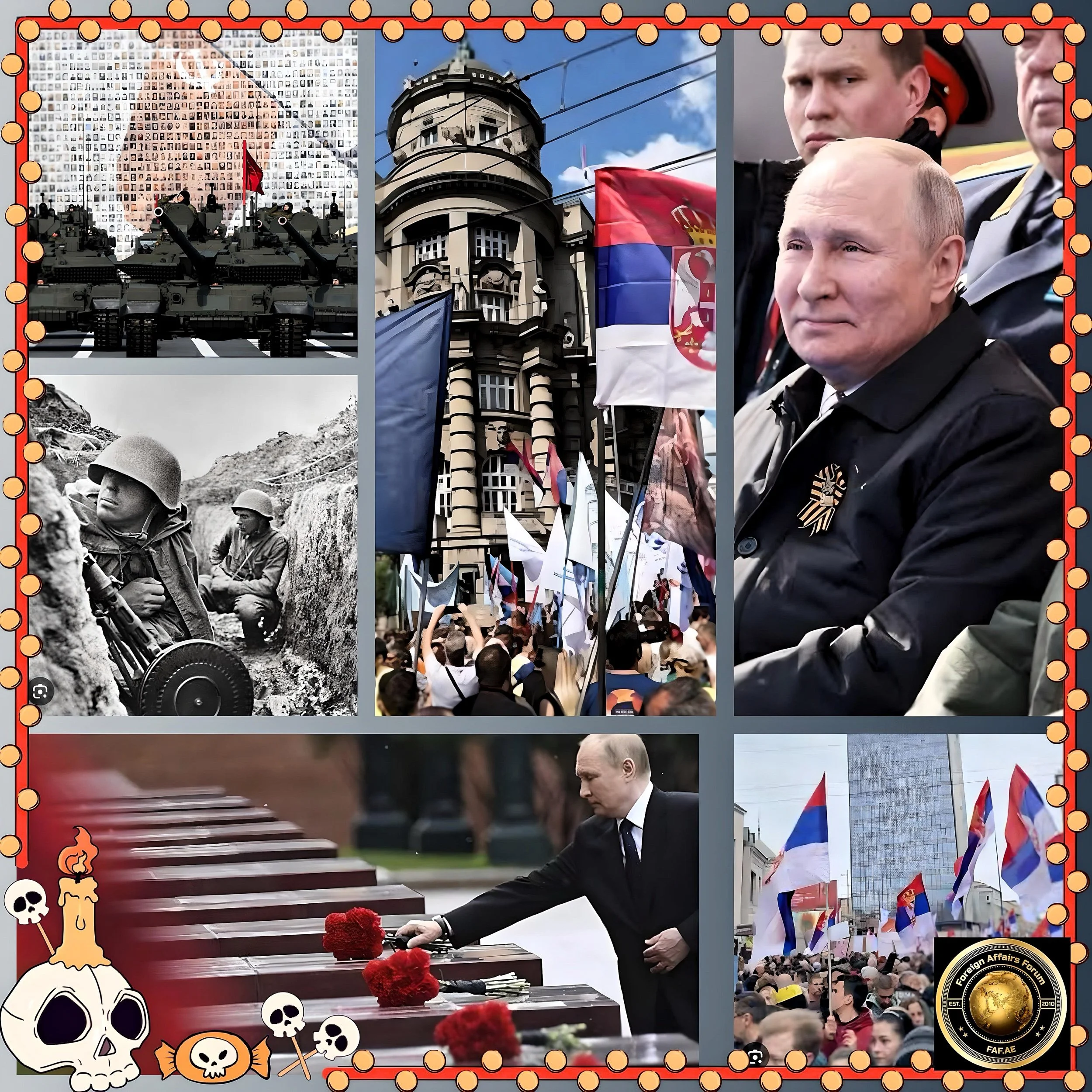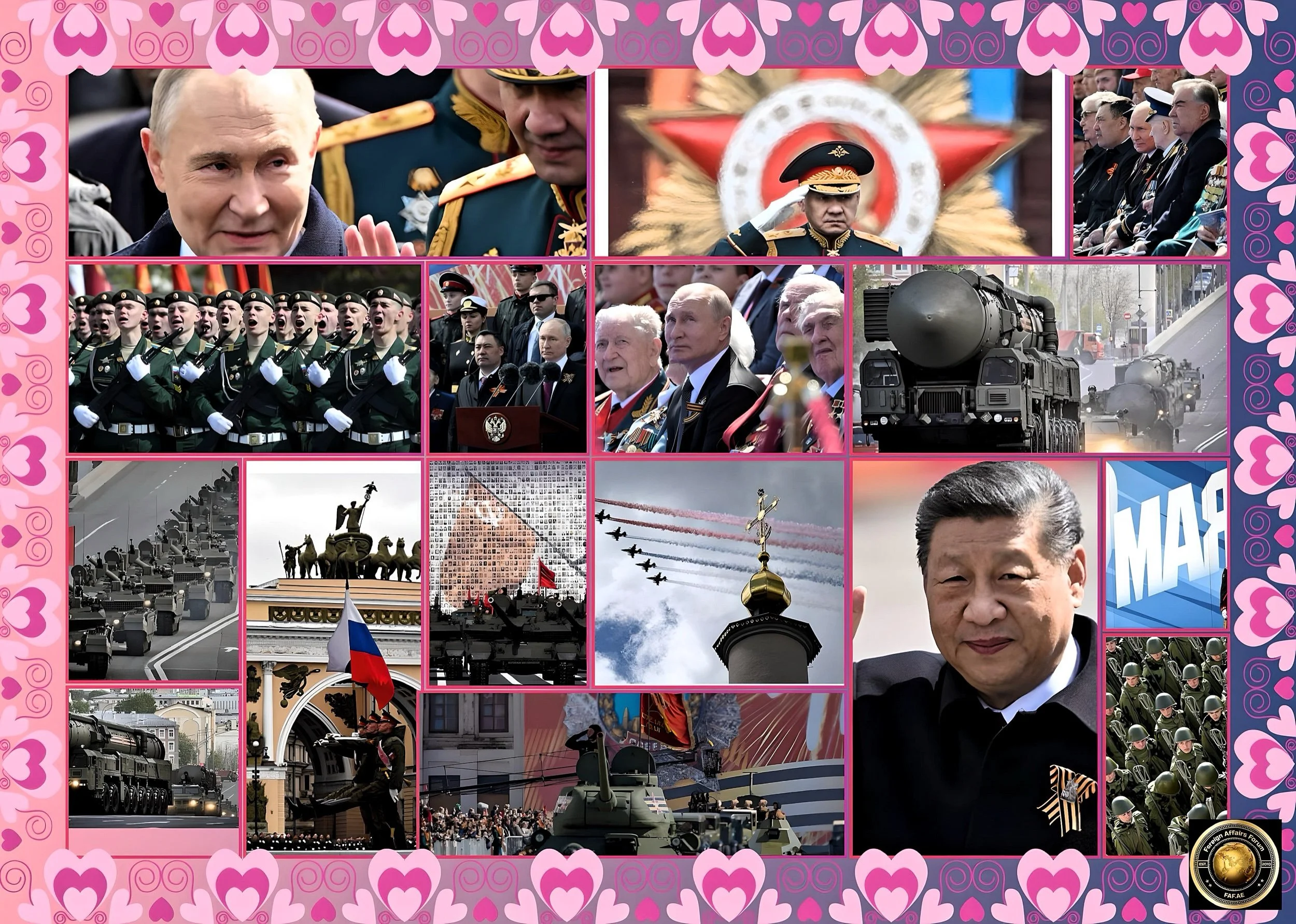
Russia’s 80th Victory Day Parade: International Attendance, Military Display, and Putin’s Strategic Messaging
Introduction
Best wishes to President Valdamir Putin and citizens on the victory day Parade from -
Moscow.Forum
Russia’s 80th anniversary Victory Day parade on May 9, 2025, marked a significant display of military might and international diplomacy amid the ongoing Ukraine conflict.
The event showcased unprecedented foreign leadership attendance, elaborate military exhibitions, and carefully crafted messaging from President Vladimir Putin that balanced historical commemoration with contemporary geopolitical positioning.
This parade, commemorating the Soviet victory over Nazi Germany, served as both a celebration of Russia’s military heritage and a demonstration of its continued global influence despite Western isolation efforts.
International Guests and Diplomatic Significance
The 2025 Victory Day parade featured an impressive roster of international guests, representing one of the most significant foreign diplomatic showings since Russia’s full-scale invasion of Ukraine in 2022.
Nearly 30 world leaders attended the celebrations in Moscow, significantly more than in previous years.
Key World Leaders in Attendance
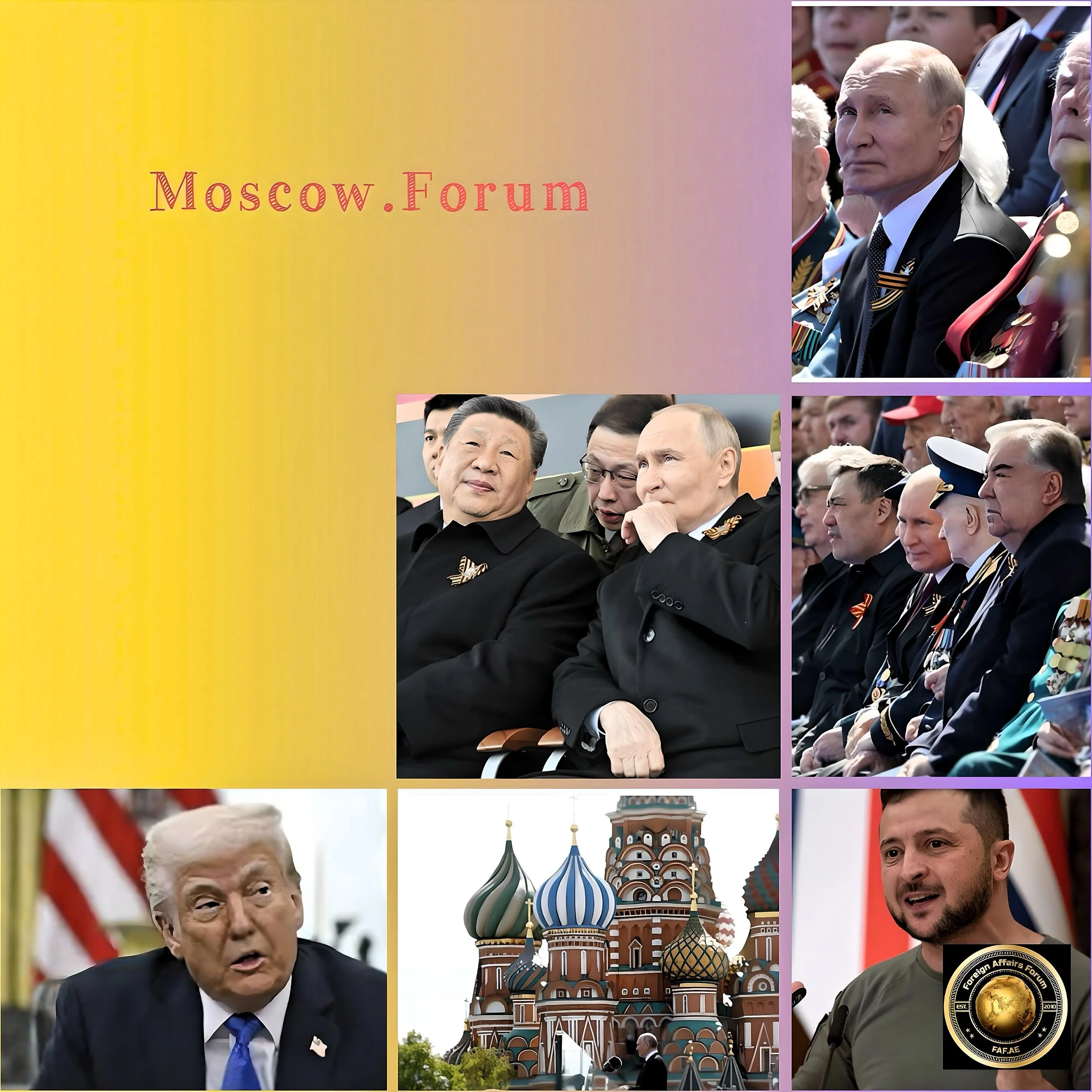
Chinese President Xi Jinping’s presence was particularly noteworthy, highlighting the strategic “no limits partnership” between Russia and China.
Brazilian President Luiz Inácio Lula da Silva and Venezuelan President Nicolas Maduro were among other high-profile attendees, representing significant non-Western powers. Belarusian President Alexander Lukashenko, a steadfast Russian ally, was also present.
From Europe, only Serbian President Aleksandar Vučić and Slovak Prime Minister Robert Fico attended the parade, reflecting the limited European engagement with Russia in the current geopolitical climate.
Their attendance was further complicated by Baltic states closing their airspace to diplomatic aircraft heading to Moscow, forcing these leaders to alter their travel routes.
Military Delegations and Participation
Beyond political leadership, the parade included military personnel from 13 countries: Azerbaijan, Belarus, China, Egypt, Laos, Kazakhstan, Kyrgyzstan, Mongolia, Myanmar, Tajikistan, Turkmenistan, Uzbekistan, and Vietnam.
This multinational military presence demonstrated Russia’s continued security relationships and influence, particularly in post-Soviet regions and the Global South.
The attendance of political leaders and military contingents from these countries conveyed an important message: despite Western attempts to isolate Russia diplomatically, Moscow maintains significant international relationships and can still command respect on the world stage.
Parade Highlights and Military Display
The 80th-anniversary parade was notably larger than those held since Russia’s invasion of Ukraine, reflecting the Kremlin’s effort to project strength and normalcy despite the ongoing conflict.
Scale and Participation
Over 11,000 soldiers from the Defense Ministry and other security services, including the Federal Security Service (FSB) and National Guard, participated in the parade.
An additional 1,500 servicemen who had fought in what Russia calls the “special military operation” in Ukraine also marched in a symbolic display of support for the war effort.
Russian Defense Minister Andrei Belousov, breaking with tradition, attended the event in civilian attire rather than military uniform, marking a departure from the approach of his predecessor Sergei Shoigu.
Military Hardware Display
The mechanized section of the parade featured nearly 200 tanks, including the iconic WWII-era T-34, alongside various modern armored vehicles, artillery systems, drones, and infantry vehicles.
This display balanced historical commemoration with a showcase of contemporary Russian military capabilities.
The parade concluded with a flyover of fighter jets and bombers, demonstrating Russia’s air power despite recent Ukrainian drone attacks on Moscow.
This aerial display held particular significance given that Ukrainian drone strikes had disrupted Moscow’s airports just days before the parade, stranding thousands of passengers.
Ceremonial Elements
Following the main parade, Putin and other world leaders participated in a wreath-laying ceremony at the Tomb of the Unknown Soldier in the Alexander Garden.
This solemn tribute emphasized the historical significance of the Victory Day commemorations while providing additional opportunities for diplomatic interaction among the assembled leaders.
Putin’s Messaging: Spoken and Unspoken
President Vladimir Putin’s address and the entire event's choreography carried explicit and implicit messages to domestic and international audiences.
Historical Reverence and Contemporary Conflict
In his speech, Putin honored Soviet World War II heroes and paid tribute to Russian veterans who “displayed true love for the motherland.”
He emphasized preserving the memory of those who defeated Nazism, creating a historical continuity between past struggles and present conflicts.
Putin explicitly linked Russia’s current military operations to this historical legacy: “The entire country—our society, our people—stands behind those taking part in the special military operation.”
He praised the “courage and determination” of Russian forces, declaring that these qualities have “always brought us nothing but victory.”
Strategic Diplomacy and Targeted Rhetoric
Unlike in previous years, Putin largely avoided direct criticism of the West, suggesting a potential shift in Russia’s international messaging strategy.
Instead, he focused on broader themes of anti-Nazism and anti-Russophobia, positioning Russia as an “invincible defender against those who support Nazism, Russophobia, and anti-Semitism.”
In a notable diplomatic gesture toward China, Putin highlighted its role in World War II, saying, “We’ll always remember that opening the second front brought victory closer.”
This acknowledgment of China’s historical contribution strengthened current Sino-Russian relations when both countries faced challenges from the West.
Unspoken Strategic Messaging
The parade itself conveyed several unspoken messages.
The presence of nearly 30 world leaders, especially Xi Jinping, demonstrated that Russia is not internationally isolated despite Western sanctions and diplomatic pressure.
The attendance of leaders from the “Global South” illustrated Russia’s alternative diplomatic relationships and its vision of a multipolar world order challenging Western dominance.
The timing of the parade amid a declared ceasefire in Ukraine (which both sides accused each other of violating) presented Russia as seeking peace while maintaining military readiness.
This juxtaposition of celebrating victory while engaged in an ongoing conflict enabled Putin to frame the Ukraine war within Russia’s historical narrative of defending against external threats.
Ceasefire Context and Security Considerations
The parade took place against a backdrop of heightened tensions and security concerns related to the ongoing conflict in Ukraine.
Contested Ceasefire
Before the parade, Russia proposed a unilateral three-day ceasefire to coincide with the Victory Day celebrations.
Ukraine dismissed this as a “theatrical display” aimed primarily at ensuring the safety of the parade rather than representing a genuine peace initiative.
Ukrainian officials, including President Volodymyr Zelensky, called instead for a more substantial 30-day ceasefire that could facilitate meaningful negotiations.
This proposal received support from Ukraine’s Western allies, including the United States.
Security Challenges
In the days leading up to the parade, Ukraine conducted multiple drone strikes against Moscow and surrounding regions, grounding flights and causing significant disruption.
These attacks highlighted the vulnerability of the Russian capital despite the Kremlin’s projection of strength and control.
The extensive security measures implemented in central Moscow for the parade reflected these concerns. Strict restrictions were in place to ensure the safety of the event and its high-profile attendees.
Ukrainian President Zelensky had previously cautioned that he could not guarantee the safety of those attending and urged world leaders not to visit Moscow.
Conclusion
The Strategic Significance of the 80th Victory Day Parade
The 2025 Victory Day parade represented much more than a historical commemoration. It served as a carefully orchestrated demonstration of Russia’s continued global relevance and military capability amid its ongoing war in Ukraine.
Through the assembly of international leaders, the display of military hardware, and Putin’s strategic messaging, Russia sought to counter Western isolation efforts while reinforcing domestic support for its military operations.
The parade illustrated Russia’s vision of a multipolar world order where it maintains significant influence despite Western sanctions.
The presence of leaders from China, Brazil, and numerous other non-Western nations suggested at least partial success in this diplomatic strategy. At the same time, the participation of military contingents from 13 countries demonstrated Russia’s continued security relationships.
As Russia navigates the complex geopolitical landscape of 2025, the 80th Victory Day parade celebrates its past triumphs. It declares its determination to maintain its status as a global power, regardless of Western opposition or the ongoing conflict in Ukraine.