Russia’s False Euphoria: Victory Day 2025 and the Limits of Putin’s Diplomacy
Introduction
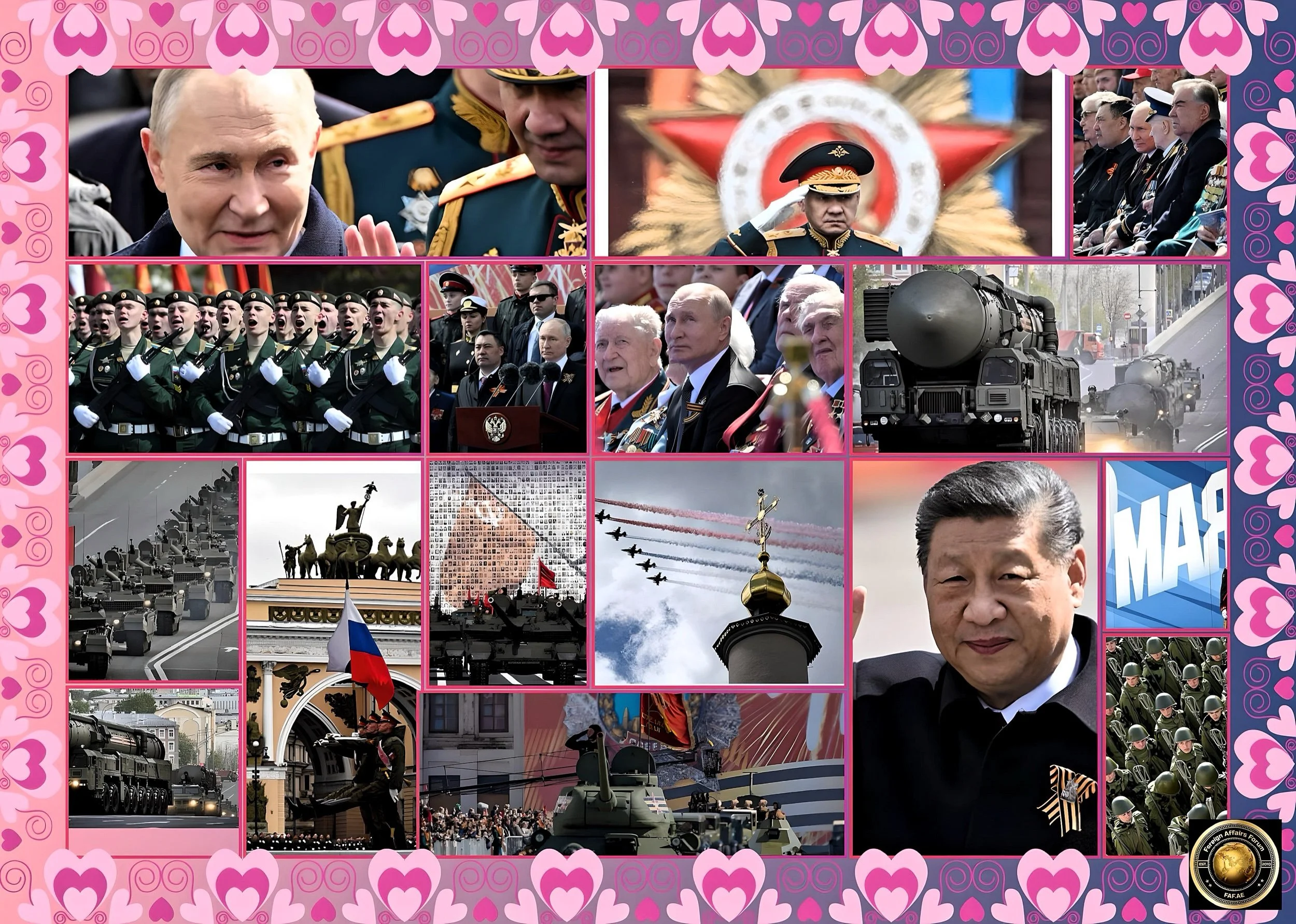
Putin’s extravagant Victory Day parade on May 9, 2025, celebrating the 80th anniversary of the Soviet Union’s victory over Nazi Germany, was designed to showcase Russia’s continued global relevance despite Western isolation attempts.
While the event drew an impressive lineup of 29 world leaders more than the nine who attended in 2024-the parade revealed both Putin’s diplomatic strategy and its inherent limitations, especially against the backdrop of ongoing war in Ukraine and shifting U.S. policy under President Trump.
Victory Day as Political Theater
The 2025 Victory Day celebration represented Putin’s most ambitious attempt yet to transform the commemoration of World War II into political capital supporting his current geopolitical agenda.
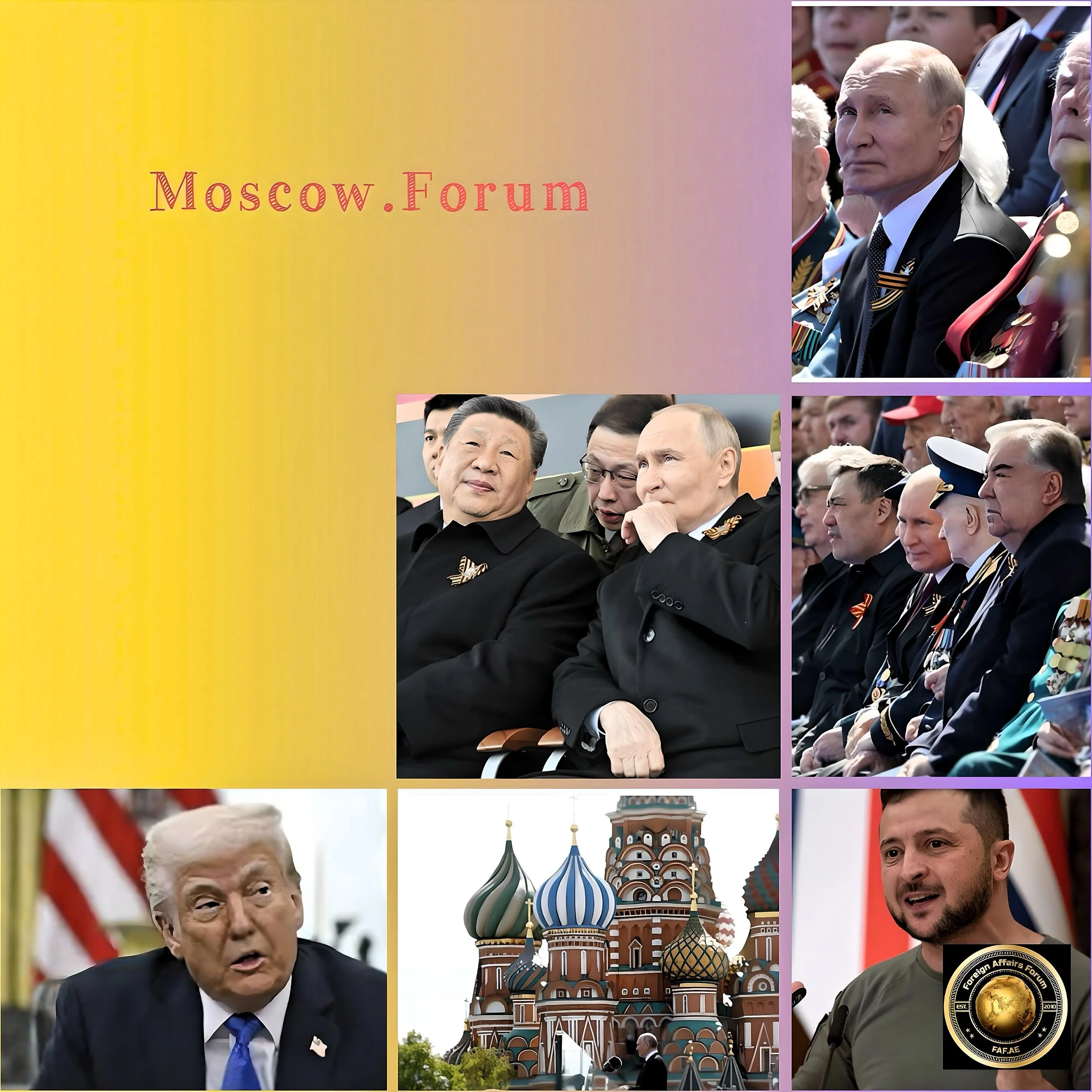
As thousands of soldiers paraded across Moscow’s Red Square, Putin stood prominently alongside his special guest, Chinese President Xi Jinping, in a meticulously orchestrated display designed to demonstrate that Russia remains connected to the world despite perceptions of isolation.
The annual event on May 9, which commemorates the Soviet Union’s triumph over Nazi Germany, has held significant importance in Putin’s political calendar throughout his rule.
The celebration traditionally honors the estimated 27 million Soviet soldiers and civilians who perished during what Russians call the Great Patriotic War.
However, following Russia’s invasion of Ukraine, Victory Day has increasingly morphed into a propaganda tool, with Putin portraying the Ukraine conflict as a continuation of that historic struggle.
This evolution was evident in how state authorities have systematically controlled previous civil initiatives.
The “Immortal Regiment” movement-originally conceived as a popular initiative to preserve the memory of veterans-has been completely subordinated to state purposes.
As cyber specialists from the ATEŠ organization noted after disabling the movement’s website: “The movement later came under the complete control of the state and began to serve military purposes.
The Kremlin spreads its ideology through such resources, manipulates historical memory, and forms a false impression of what is happening”.
The Parade: Showcasing Power and Alliances
The 2025 parade featured over 11,500 troops and more than 180 military vehicles, including tanks, armored infantry vehicles, and artillery currently being used on the battlefield in Ukraine.
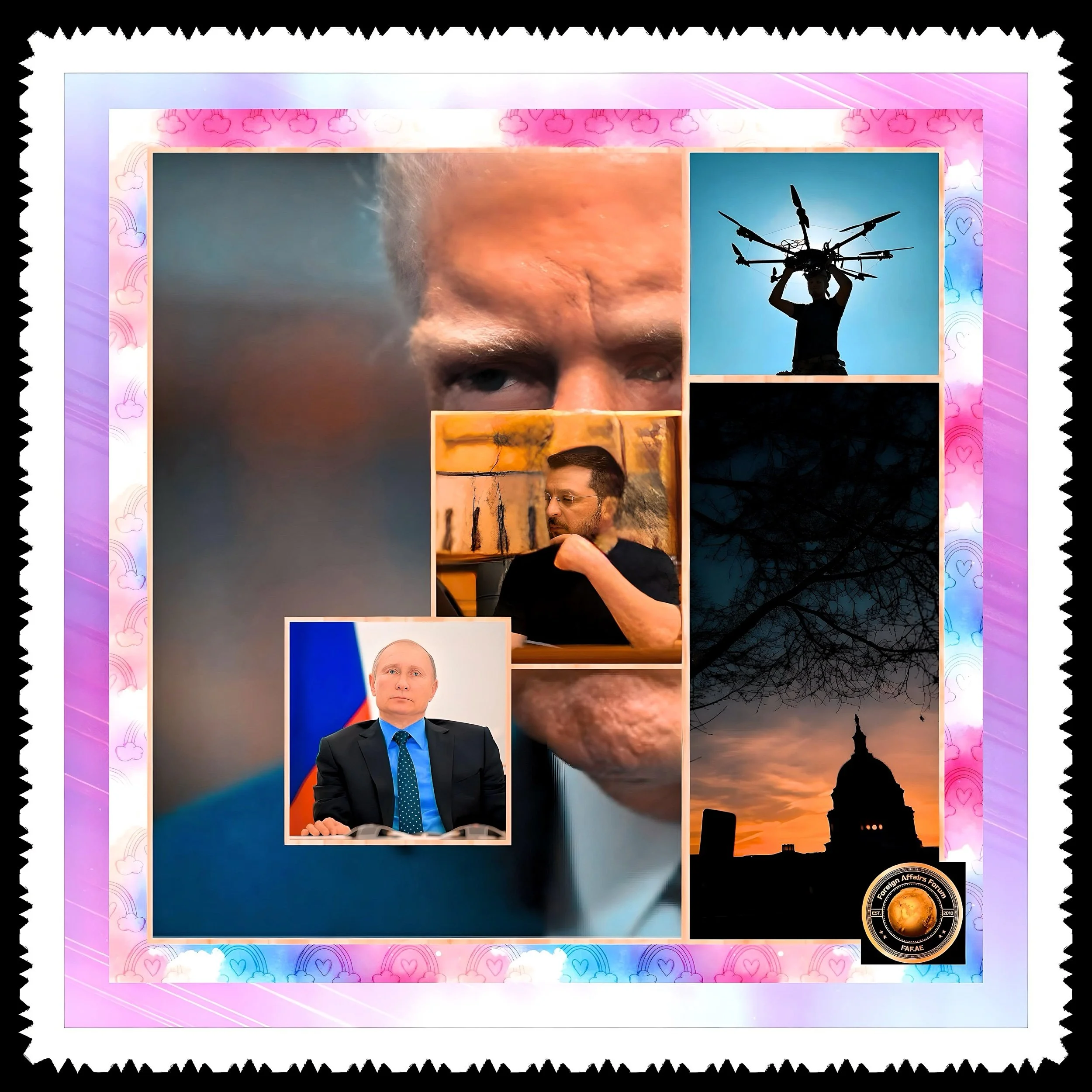
It came during a dramatic week marked by Ukrainian drone strikes on Moscow and a dubious unilateral ceasefire announced by the Kremlin from May eight until midnight on May 11, a measure Ukraine’s President Zelensky dismissed as a “theatrical performance.”
Military personnel from 13 countries participated in the parade, including troops from Azerbaijan, Belarus, China, Egypt, Laos, Kazakhstan, Kyrgyzstan, Mongolia, Myanmar, Tajikistan, Turkmenistan, Uzbekistan, and Vietnam.
Their presence represented a significant expansion compared to previous years. It aligned with Russia’s tradition of inviting foreign troops to the Victory Day parade, which dates back to the original parade in 1945.
Putin’s “Global Majority” Strategy
The guest list for the 2025 parade revealed Putin’s strategic focus on cultivating relationships with non-Western powers while accepting the reality of his isolation from Europe and America.
Xi Jinping’s attendance was the diplomatic centerpiece, highlighting the strengthening of the Russia-China relationship. Xi arrived in Moscow on May 8 to “sign several bilateral inter-governmental and inter-departmental documents” to strengthen Chinese-Russian ties.
According to Brazilian media, Brazil’s President Luiz Inácio Lula da Silva also attended, hoping to position himself as a mediator in negotiations between Russia and Ukraine.
Russian media portrayed his presence and that of leaders from Burkina Faso, Congo, Egypt, Equatorial Guinea, Ethiopia, Guinea-Bissau, and Zimbabwe as evidence of solidarity from the “Global South.”
The African leaders’ participation gave them “the unique chance to review their bilateral relations with the Kremlin.
Their presence in Moscow showcased the irreversible dynamism, political-military symbolism, and rapidly evolving character of contemporary multifaceted ties”.
However, Europe was sparsely represented, with only Slovakia’s Prime Minister Robert Fico representing an EU member state, while Serbian President Aleksandar Vučić also attended.
Most notably, despite President Trump’s diplomatic outreach to Russia, the United States did not send representatives to the parade.
Trump’s Diplomacy: Realism vs. Euphoria
Despite early expectations following Trump’s return to office, his efforts to forge a new relationship with Putin have produced mixed results.
In February 2025, Trump had what he described as a “lengthy and highly productive phone call” with Putin, during which they discussed Ukraine, the Middle East, and energy issues.
However, by late March 2025, Trump expressed frustration with the Russian leader, saying he was “furious” and “pissed off” with Putin after weeks of attempting to negotiate a ceasefire in Ukraine.
Trump criticized Putin for attacking Ukrainian President Volodymyr Zelensky’s credibility and threatened to impose a 50% tariff on countries buying Russian oil if Russia did not agree to a ceasefire.
Russia has maintained a measured stance regarding Trump’s presidency.
Foreign Ministry spokeswoman Maria Zakharova stated in March 2025 that Russia does not feel “any euphoria over Donald Trump’s rise to power in the US and instead has absolute realism.”
This suggests a pragmatic approach to relations with Washington despite Trump’s more conciliatory tone than his predecessor.
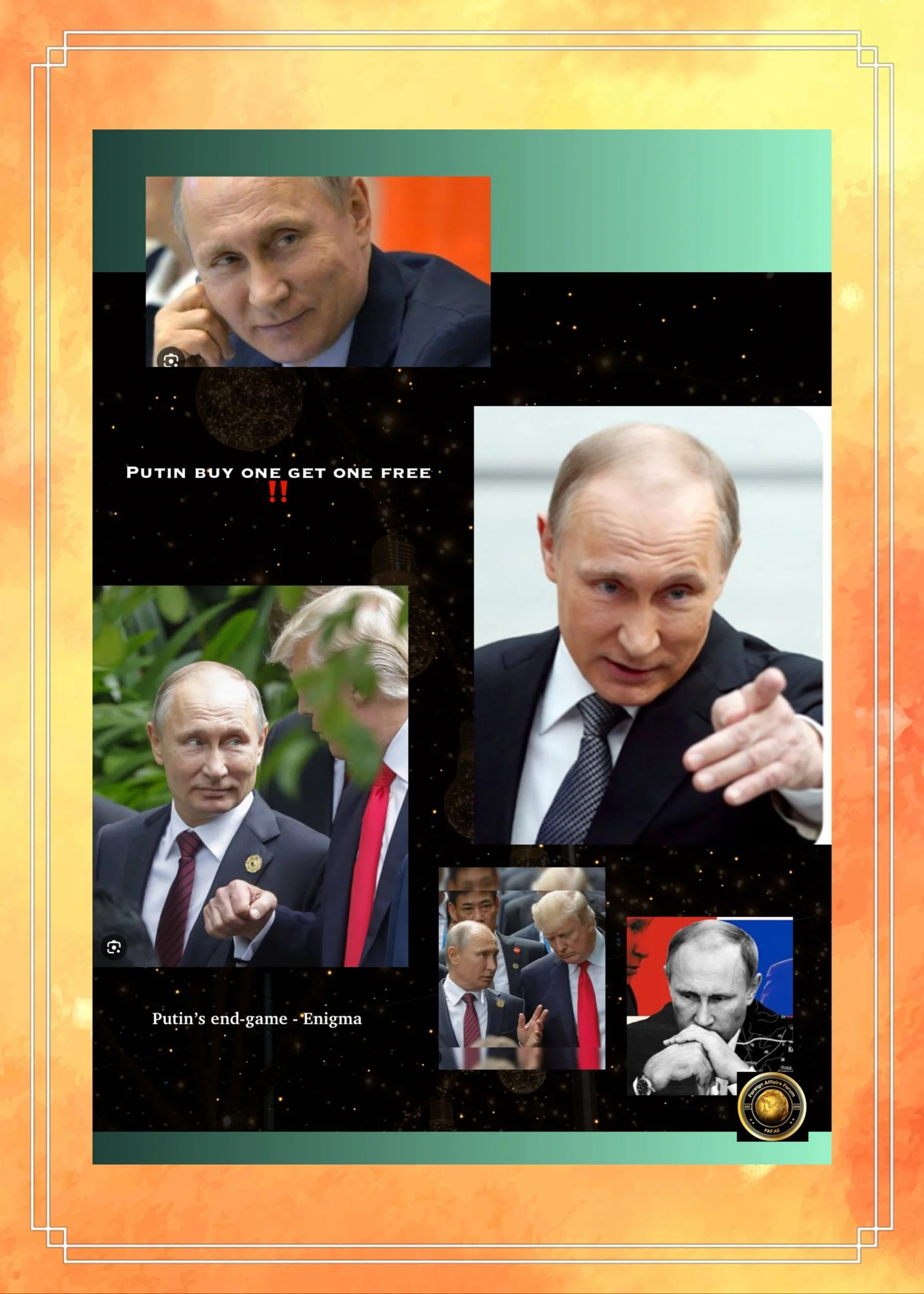
Russian President Vladimir Putin appears to be strategically accommodating Trump’s diplomatic style.
According to Carnegie's analysis, “Putin seeks to exploit Trump’s desire to be seen as swift and decisive. Therefore, resuming communication to give him his first success was a logical step. “
This includes releasing Americans detained in Russia and projecting a willingness to negotiate with Ukraine while maintaining its core strategic objectives.
The Ukraine War: Rhetoric vs. Reality
Despite diplomatic overtures, the war in Ukraine continues with increasing intensity.
According to Britain’s Ministry of Defense, Russia sustained approximately 160,000 casualties during the first four months of 2025, the highest total for this period since the start of the full-scale invasion.
If this trend continues, 2025 could be the deadliest year of the war in terms of Russian losses.
Russia’s strategy continues to rely on costly frontal assaults, though the nature of these attacks has evolved.
Russian troops increasingly employ motorbikes and other improvised vehicles to advance in small groups and infiltrate Ukraine’s defensive lines, backed by strike drones, glide bombs, and artillery.
The Ukrainian authorities have accepted a US proposal for an unconditional 30-day ceasefire and remain ready to pursue a sustainable peace settlement.
However, with Russia showing little sign of following suit, Ukraine faces continued fighting. As of May 2025, Trump’s diplomatic efforts have yet to produce the quick resolution he had hoped for.
Conclusion: Symbol vs. Substance
The 2025 Victory Day parade contrasts Putin’s symbolic victories and strategic challenges.
While he successfully assembled a broader international coalition than in previous years, the absence of Western powers highlighted Russia’s continued isolation from the world’s most advanced economies.
Putin’s framing of the Ukraine conflict as a continuation of the Great Patriotic War provides domestic legitimacy but has failed to convince most of the international community.
Similarly, Trump’s outreach to Putin has altered the diplomatic landscape without fundamentally changing the situation on the battlefield or Russia’s core objectives in Ukraine.
As the summer of 2025 approaches, Putin appears determined to achieve a military breakthrough in Ukraine while simultaneously projecting an image of diplomatic strength through alliances with China and the “Global South.”
Whether this dual strategy will succeed in either ending the war on favorable terms or genuinely breaking Russia’s isolation from the West remains highly uncertain.