Pakistan’s Retaliatory Options Against India: Capabilities, Probabilities, and Vulnerabilities
Introduction
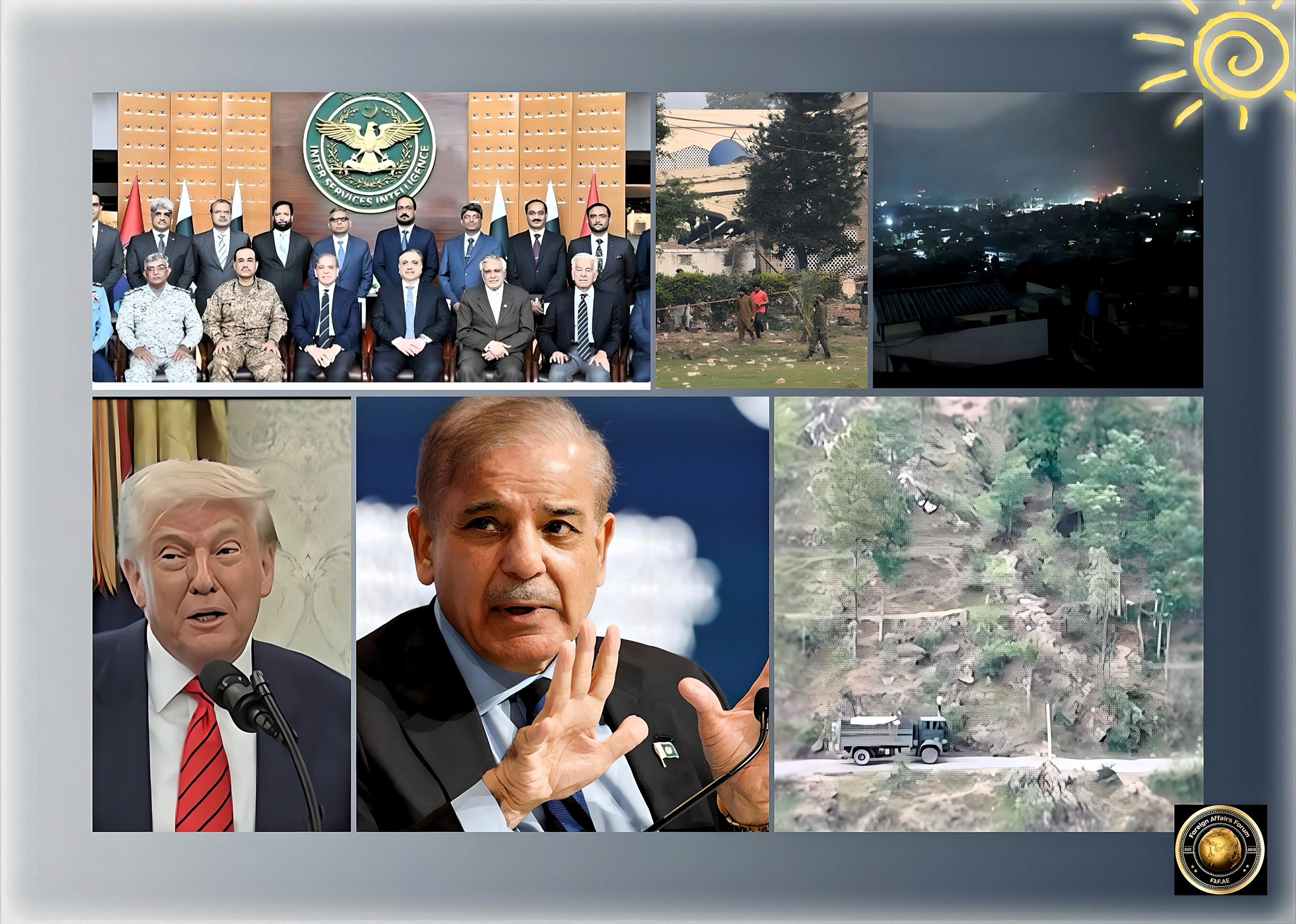
Following India’s Operation Sindoor strikes, Pakistan faces critical decisions regarding its response mechanisms.
FAF, defense. Forum deep analysis examines Pakistan’s conventional and nuclear strike options, assesses nuclear readiness, evaluates escalation probabilities, and identifies high-risk regions in India.
Conventional Military Response Options
Historical Response Patterns
Pakistan has consistently employed rapid conventional retaliation following Indian cross-border operations.
During the 2019 Balakot crisis, Pakistan conducted airstrikes in Jammu & Kashmir, downing an Indian MiG-21.
Similarly, after the 2025 Pahalgam attack, Pakistan initiated 11 consecutive days of artillery exchanges along the Line of Control (LoC).
These patterns suggest a three-phase response protocol
Immediate artillery barrages targeting Indian forward posts (ongoing as of May 7, 2025)
Limited air operations using F-16s armed with AIM-120C-5 AMRAAMs (despite 30% of missiles nearing end-of-life)
Theater-level missile deployments, evidenced by recent Fatah-II (400 km range) and Abdali (450 km range) tests
Current Conventional Capabilities
Pakistan’s conventional strike options emphasize mobility and precision:
Artillery systems
240 M109A5 self-propelled howitzers with 30 km range
Ballistic missiles
Fatah-II
400 km range, <10m CEP accuracy, designed to bypass Indian S-400 defenses
Abdali
450 km range, capable of striking Delhi from Punjab launch sites
Air assets
75 F-16C/D Block 52+ fighters, though AMRAAM inventory faces 2028 obsolescence
These systems enable Pakistan to conduct punitive strikes without crossing India’s nuclear thresholds.
Nuclear Arsenal Status and Modernization
Strategic Weapons Systems
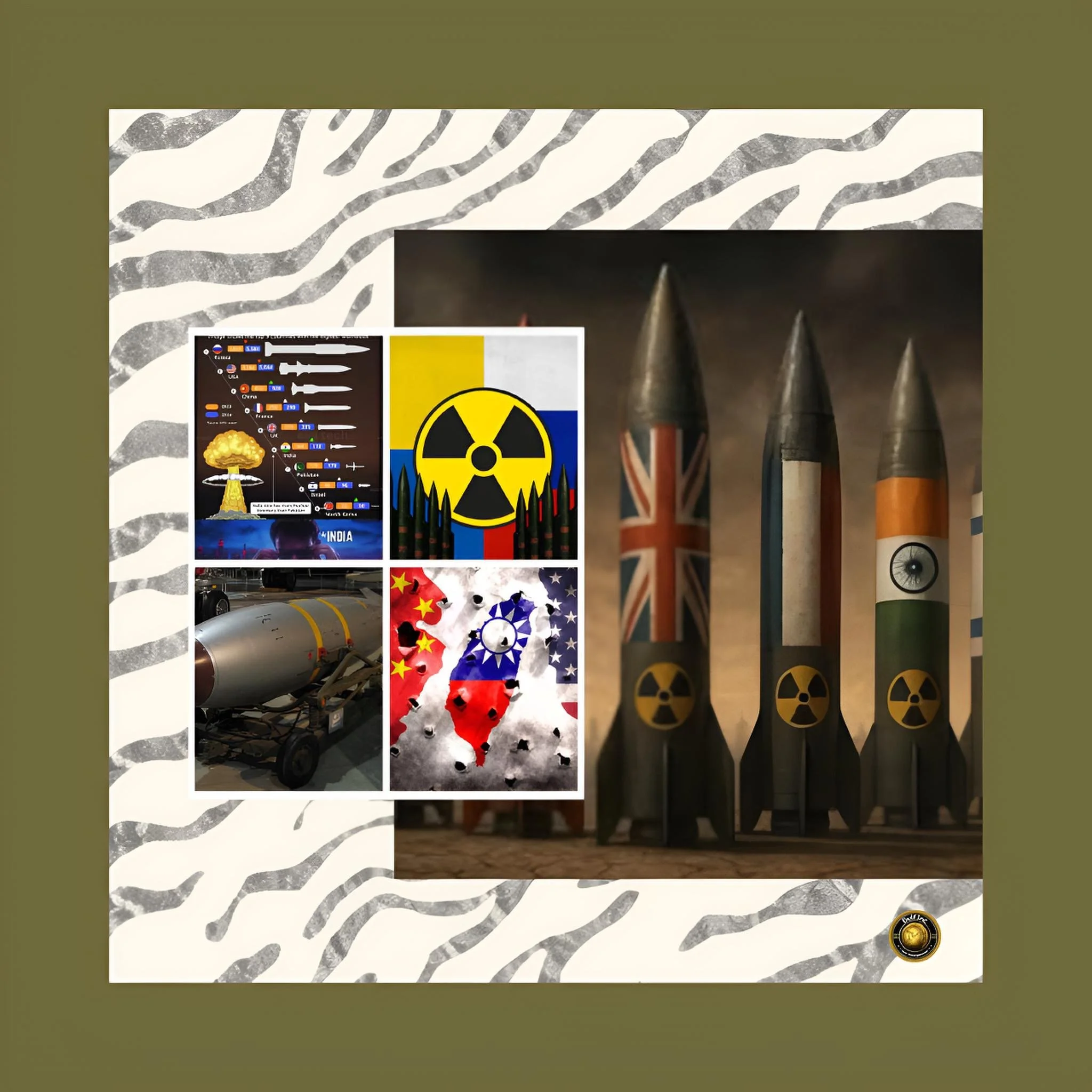
Pakistan maintains a diversified nuclear triad with recent upgrades
The Khushab complex’s fourth plutonium reactor (operational since 2024) supports the annual production of 20 warheads.
Satellite imagery indicates expanded uranium enrichment at Gadwal, potentially doubling HEU output to 400kg/year.
Tactical Nuclear Weapons
Pakistan’s development of battlefield nuclear weapons represents a doctrinal shift
NASR system
60 mobile launchers deployed near Sialkot and Lahore sectors
Ra’ad-II ALCM
600 km range, integrated with JF-17 Block III fighters
These systems lower the nuclear threshold by enabling rapid response to Indian armored thrusts.
Nuclear Employment Probability Assessment
Threshold Analysis
Pakistan’s declared nuclear thresholds have remained unchanged since 2002
Territorial threshold
15-20% territory loss (≈130,000 km²)
Military threshold
Destruction of >50% of ground/air forces
Economic threshold
Naval blockade of Karachi
Political threshold
Regime collapse threat
Operation Sindoor’s limited scope (9 terrorist targets) does not approach these thresholds, reducing immediate nuclear risk.
Escalation Scenarios
Probability estimates for nuclear use:
The presence of tactical nuclear weapons complicates deterrence stability, creating a “use it or lose it” dilemma during rapid conventional defeats.
Vulnerable Indian Regions
Strategic Targets
Northwestern Theater (Jammu-Punjab-Rajasthan):
Vulnerability
90% (within the NASR range)
Key targets
Indian II Corps (Ambala)
Bhatinda Air Force Station
Western Command HQ (Chandimandir)
Metropolitan Centers
Delhi
8 minutes warning time from Shaheen-III launches
Mumbai
12 minutes from submarine-launched Babur-3 missiles
Andaman & Nicobar
Strategic value
Indian tri-service command
Risk
Shaheen-III can deliver MIRV strikes (Ababeel variant)
Economic Chokepoints
Mundra Port (Gujarat)
Within the Babur-1B range (900 km)
Dedicated Freight Corridor hubs
12 nodes vulnerable to EMP attacks
Conclusion
Pakistan is poised to maintain various escalation options as we consider future developments. We strongly favor conventional responses (estimated at 85% probability) rather than nuclear possibilities (15% in extreme scenarios).
With operational nuclear weapons and delivery capabilities that can target various locations in India, the possibility of atomic escalation remains a critical concern.
However, based on in-depth threshold analysis and historical trends, it seems increasingly likely that, in response to future events such as Operation Sindoor, Pakistan will opt for conventional military tactics instead of resorting to nuclear measures.
Conventional military responses, particularly artillery exchanges along the Line of Control and possibly limited air operations, are more plausible as tensions rise.
It’s important to note that the dynamic nature of the situation could rapidly shift these assessments.
The existence of tactical nuclear weapons in Pakistan, explicitly designed for battlefield scenarios, raises serious concerns.
These systems were developed to counterbalance India's conventional military superiority without leading to a broader strategic nuclear exchange. This development presents potential escalation shortcuts, especially in regions like Punjab.
Given these factors, India's northwestern military infrastructure and major urban centers might face heightened risks.
As such, it will be crucial to deploy advanced ballistic missile defense systems and establish Robust crisis communication protocols to mitigate the chances of miscalculations.
It is essential to monitor these developments closely, as the landscape is continually evolving.