Could Iranian Nukes Be a Business Opportunity for the U.S.?
Background and Proposal
Recently, Iranian officials have floated the idea that the United States could not only help contain Iran’s nuclear program but actively participate in building it—specifically, by investing in Iran’s civilian nuclear reactor projects.
Iranian Foreign Minister Abbas Araghchi has argued that a new nuclear deal could open up a “trillion-dollar” economic opportunity for U.S. companies, especially those in the atomic energy sector, by granting them access to Iran’s vast market and plans to construct at least 19 new nuclear reactors.
The pitch is designed to appeal to U.S. leaders' transactional, deal-focused instincts. It promises jobs and economic benefits in exchange for sanctions relief and technology access for Iran.
Potential Economic Upside
Iran’s nuclear expansion plan involves building at least 19 new reactors, which could represent tens of billions of dollars in potential contracts for U.S. firms.
Iranian officials claim their market is large enough to “revitalize the struggling nuclear industry in the United States,” especially as the U.S. nuclear sector faces domestic challenges.
The proposal also hints at broader access for American companies to Iran’s economy, which, beyond nuclear energy, includes opportunities in oil, gas, mining, and technology.
Historically, the U.S. played a foundational role in Iran’s nuclear program during the 1950s and 1960s, suggesting some precedent for such cooperation.
Strategic and Political Calculations
Iran’s offer is not a diplomatic olive branch but a calculated effort to reframe its nuclear program as an economic asset rather than a security threat, appealing directly to U.S. interests in jobs and business deals.
The proposal includes strict verification mechanisms to ensure the peaceful nature of Iran’s nuclear activities.
However, Iran remains unwilling to grant unfettered access to sensitive sites or dismantle its enrichment infrastructure.
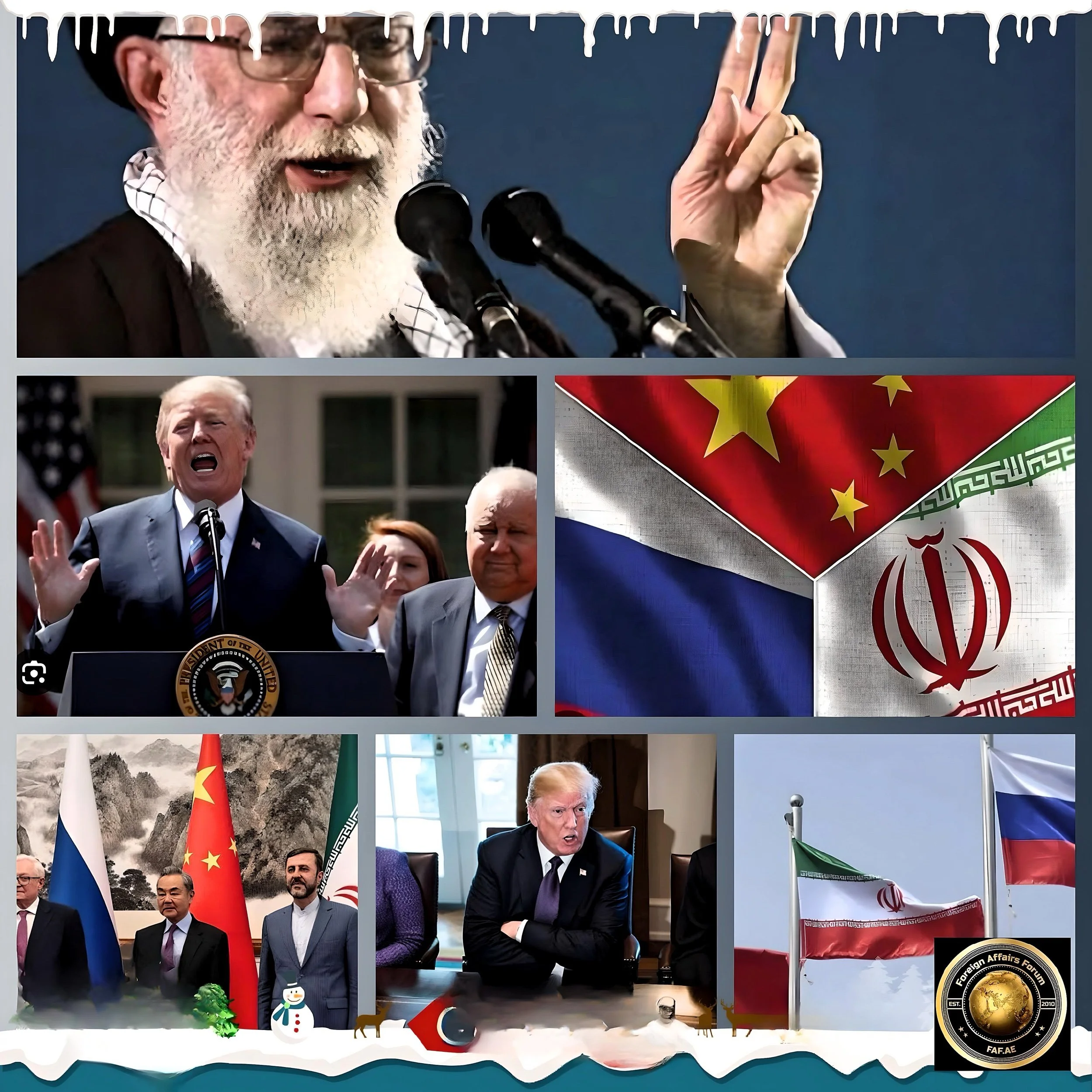
Iran’s pivot to the West is partly driven by frustration with limited gains from its partnerships with China and Russia, as well as ongoing energy crises and economic mismanagement at home.
Major Obstacles and Risks
Despite the theoretical economic appeal, the practical and political barriers are substantial:
Sanctions and Legal Risks: The Financial Action Task Force continues to blacklist Iran’s banking system, and U.S. sanctions—both primary and secondary—make direct investment legally and financially perilous for American firms.
Political Opposition
Any deal perceived as legitimizing Iran’s uranium enrichment or indirectly supporting its nuclear infrastructure would face fierce opposition in the U.S. Congress, especially from Republicans and national security hawks.
Regulatory and Corruption Concerns
Iran’s business environment is fraught with corruption, opaque regulations, and the powerful influence of semi-state entities like the Islamic Revolutionary Guard Corps (IRGC), which complicates foreign partnerships and increases reputational risks for Western firms.
Verification and Trust
Iran has signaled it will not allow U.S. experts unfettered access to sensitive nuclear sites, and deep mistrust persists on both sides regarding compliance and espionage.
Regional and International Complications
Proposals for regional nuclear consortia, including Gulf Arab states, face skepticism and logistical hurdles, as cooperation between adversaries like Iran and Saudi Arabia is highly unlikely.
Conclusion
While Iranian officials are actively pitching U.S. investment in their nuclear sector as a “win-win” business opportunity, the likelihood of such a scenario materializing is extremely low in the current political and legal climate.
The idea is primarily a strategic gambit to reframe the nuclear standoff economically and potentially influence U.S. policy by appealing to commercial interests.
However, entrenched sanctions, regulatory risks, political opposition, and deep mutual distrust make actual U.S. investment in Iran’s nuclear program highly improbable for the foreseeable future.