For the Soul of Mankind: The United States, the Soviet Union, and the Cold War - A Comprehensive Analysis
Foreward
In his masterful work “For the Soul of Mankind,” distinguished historian Melvyn P. Leffler offers an illuminating examination of the ideological struggle that defined international relations for nearly half a century.
Published in 2007 and winner of the American Historical Association’s George Louis Beer Prize in 2008, this analytical tour provides a fresh perspective on why the Cold War persisted for decades and how it ultimately came to its unexpected conclusion in 1990.
Through meticulous research and balanced analysis, Leffler transcends traditional historiographical debates to reveal the complex interplay of factors that shaped this pivotal era of modern history.
The Episodic Approach to Cold War History
Rather than presenting a conventional chronological narrative, Leffler employs a strategic episodic structure, focusing on five critical junctures when peace opportunities emerged but were mainly squandered.
This methodological approach allows for deep analysis of specific moments when history’s trajectory might have changed.
Origins of the Cold War (1945-1948)
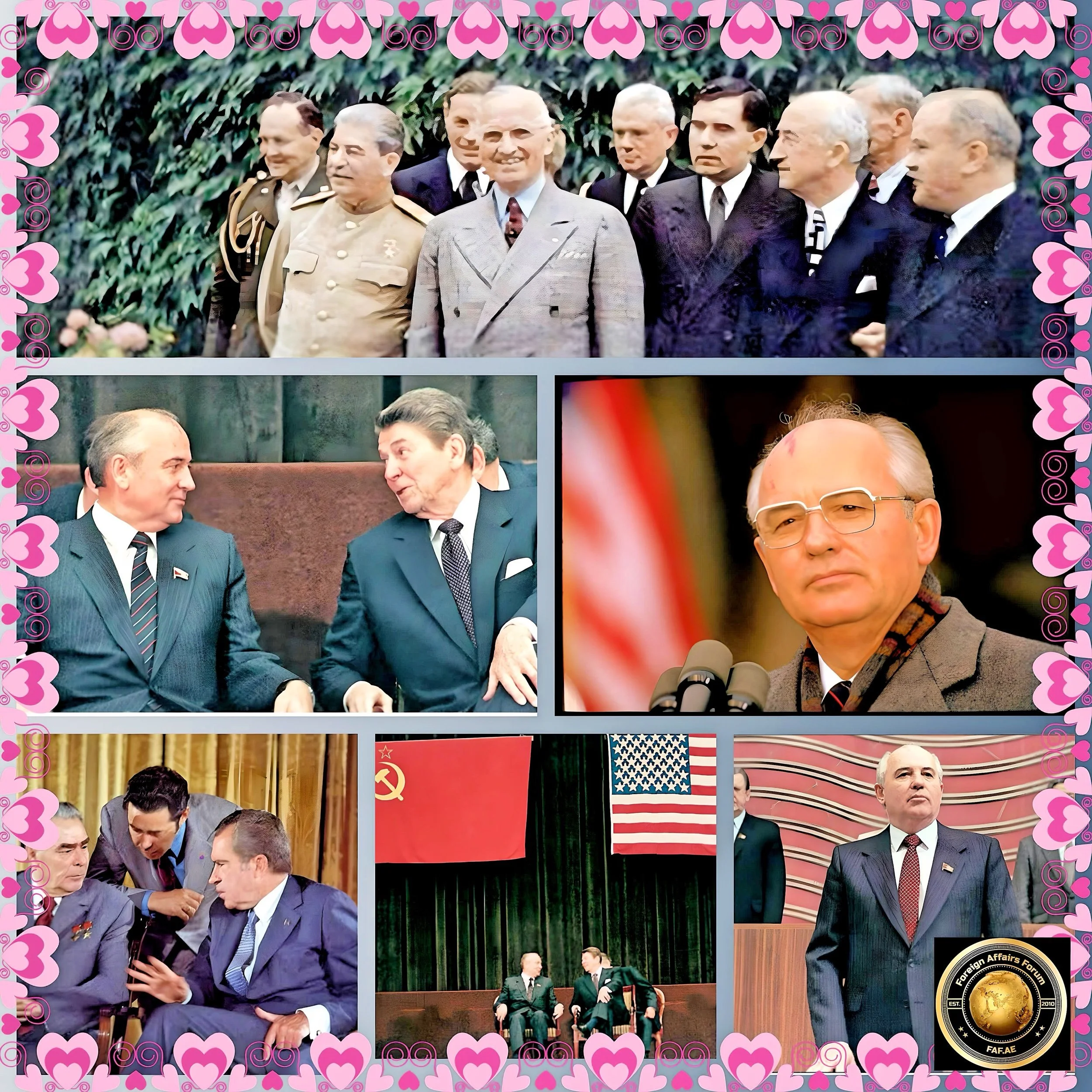
Leffler begins by examining the immediate post-World War II period when Harry Truman and Josef Stalin established the policies that would define the early Cold War.
Despite neither leader initially wanting a bipolar confrontation, their actions and reactions established patterns of hostility that would persist for decades.
Stalin’s revolutionary background and wartime experiences shaped his suspicious worldview.
In contrast, Truman’s relatively limited foreign policy experience led him to rely heavily on advisors who viewed Soviet actions with distrust.
The Chance for Peace (1953-1954)
Following Stalin’s death in 1953, a brief window of opportunity emerged with Georgy Malenkov’s leadership in the Soviet Union and Dwight Eisenhower’s presidency in America.
Leffler explores how both leaders considered potential paths toward peace but ultimately failed to overcome ideological differences and security concerns.
Eisenhower’s genuine concerns about nuclear weapons and the spread of communism created a complex policy environment where peace initiatives competed with containment strategies.
Retreat from Armageddon (1962-1965)
The Cuban Missile Crisis brought the world to the brink of nuclear war, creating another moment when leaders reconsidered the dangerous trajectory of Cold War competition.
Leffler analyzes how Nikita Khrushchev, John F. Kennedy, and later Lyndon Johnson attempted but ultimately failed to build upon the de-escalation following the crisis.
While the brush with nuclear calamity created momentum for arms control measures, deep-seated mistrust, and ongoing proxy conflicts undermined sustained détente.
The Erosion of Détente (1975-1980)
Following the Helsinki Conference in the mid-1970s, another opportunity to reduce tensions emerged.
Leffler scrutinizes how Leonid Brezhnev and Jimmy Carter initially worked to sustain détente but saw their efforts collapse amid conflicts in the developing world and domestic political pressures.
This period demonstrated how the Cold War had become entrenched in global politics, with events like Afghanistan and Nicaragua derailing superpower cooperation.
The End of the Cold War (1985-1990)
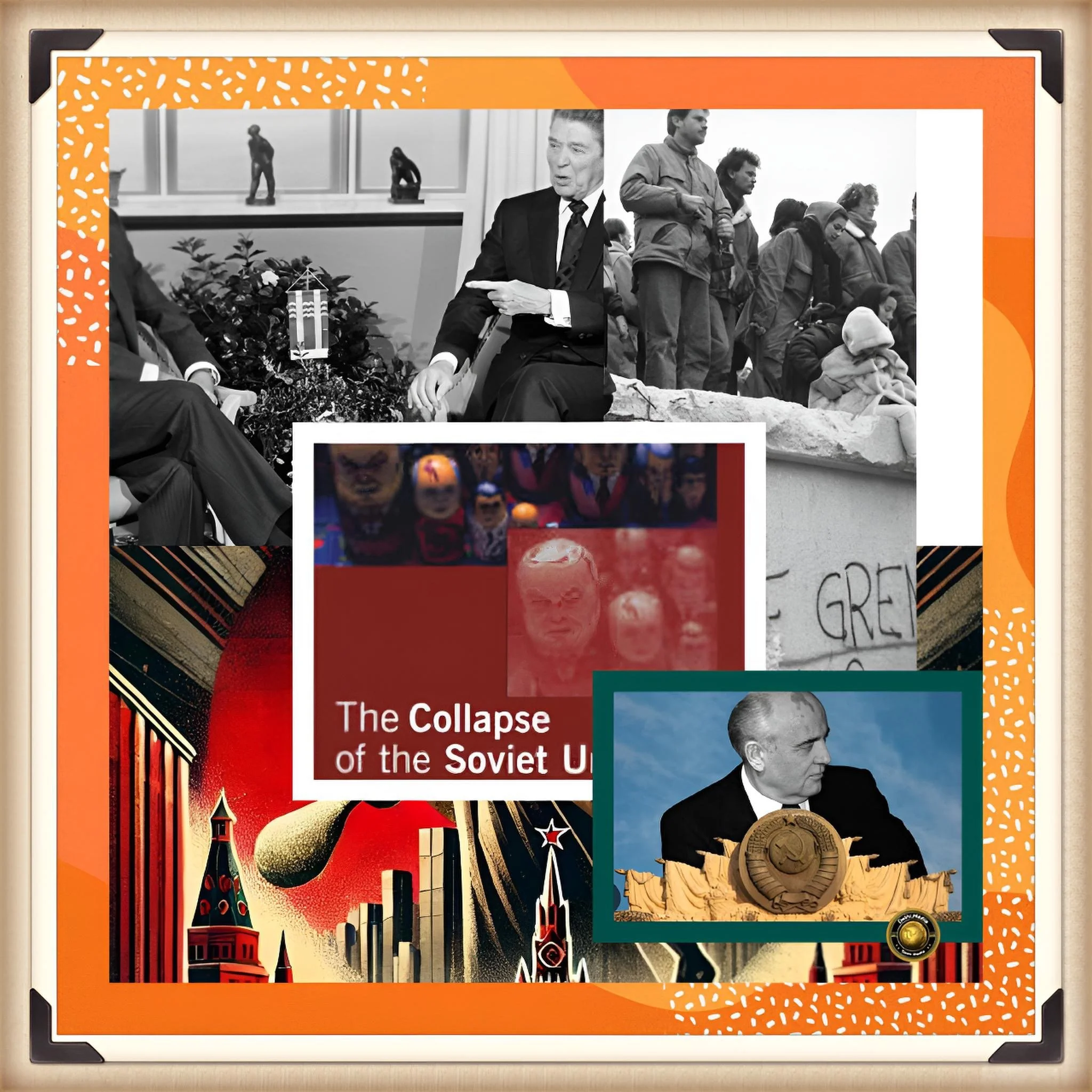
The book’s final section examines how Ronald Reagan, George H.W. Bush, and especially Mikhail Gorbachev successfully broke free from the mental frameworks that had constrained their predecessors.
Leffler emphasizes Gorbachev’s extraordinary willingness to make concessions and rethink Soviet policy fundamentals, effectively committing “political suicide” to end the dangerous standoff.
This analysis provides crucial insight into why the Cold War concluded peacefully rather than through catastrophic conflict.
The Battle for “The Soul of Mankind”
The book’s title encapsulates Leffler’s central argument: the Cold War transcended traditional geopolitical competition to become an existential battle between competing visions of modernity and human organization.
This was not merely about territory or resources but about whose system would prove superior and ultimately shape humanity’s future.
Ideological Competition
Leffler demonstrates how both American and Soviet leaders genuinely believed in the superiority of their respective systems and viewed the conflict through an ideological lens.
The confrontation represented competition between capitalism and communism, democracy and authoritarianism, with each side convinced their model offered the better path for humanity’s development.
The Paradox of Power and Fear
Throughout the book, Leffler highlights how even as both superpowers accumulated unprecedented military might, their sense of vulnerability and fear often increased rather than decreased.
This paradox drove arms races and interventions across the globe as each side sought to prevent the other from gaining advantages.
Missed Opportunities
A recurring theme is that leaders on both sides recognized the Cold War's counterproductive nature but remained trapped in cycles of hostility.
Leffler identifies key factors that prevented peace initiatives from succeeding:
Ideological convictions that framed the conflict as existential
Domestic political pressures that constrained policy options
Expectations and demands from allies and client states
Fear-based decision-making informed by historical memories
The structural dynamics of the international system
Leffler’s Methodological Innovation
What distinguishes Leffler’s analysis is his balanced consideration of perspectives from both Washington and Moscow, made possible by access to previously classified documents from Soviet archives.
This approach allows him to move beyond simplistic villain-and-hero narratives to reveal how leaders on both sides were responding to complex pressures and genuine security concerns.
Human Agency and Structural Constraints
Leffler navigates a middle path between emphasizing individual leadership decisions and acknowledging the structural constraints of the international system.
While recognizing that leaders operated within significant limitations, he demonstrates that their choices, perceptions, and personal characteristics significantly shaped Cold War history.
Beyond Traditional Historiographical Debates
By incorporating multiple analytical frameworks, Leffler transcends traditional Cold War historiographical divisions between economic, structural, and ideological explanations. Instead, he shows how these factors interacted in complex ways across different periods.
The Path to Resolution
Perhaps most valuable is Leffler’s explanation of how the Cold War finally ended. He portrays Gorbachev as the transformative figure who recognized that Soviet security interests could be better served through cooperation than competition.
Reagan and Bush responded to these openings effectively, but Leffler assigned primary agency to Gorbachev’s willingness to reconsider Soviet assumptions and policies fundamentally.
Breaking Free from Mental Frameworks
Leffler argues that leaders' ability, particularly Gorbachev, distinguished the successful peace initiatives of the late 1980s from previous failed attempts to break free from the mental frameworks and historical memories that had trapped their predecessors.
This perspective offers valuable lessons about how transformative leadership can potentially resolve entrenched conflicts.
Conclusion
“For the Soul of Mankind” significantly contributes to understanding Cold War history.
By examining pivotal moments when peace might have been achieved, Leffler illuminates why the conflict persisted and how it was finally resolved.
His balanced approach, considering perspectives from both superpowers, provides a nuanced understanding that moves beyond simplistic moral judgments.
Leffler’s work demonstrates that while ideological differences were real and significant, the Cold War’s persistence owed much to fear, mistrust, domestic politics, and the expectations of allies.
The conflict’s peaceful resolution came from military victory and fundamentally reconsidering assumptions and priorities.
This insight offers valuable lessons for understanding and potentially resolving contemporary international conflicts that similarly blend ideological differences with security concerns.
As we navigate a complex international landscape with emerging great power competitions, Leffler’s analytical framework provides tools for understanding how conflicts escalate, persist, and might ultimately be resolved through a combination of visionary leadership and practical diplomacy.
Courtesy: War.Events