From Silicon Valley to Sanjivani Valley: Apple’s India Manufacturing Pivot Amid US-India Tariff Negotiations
Introduction
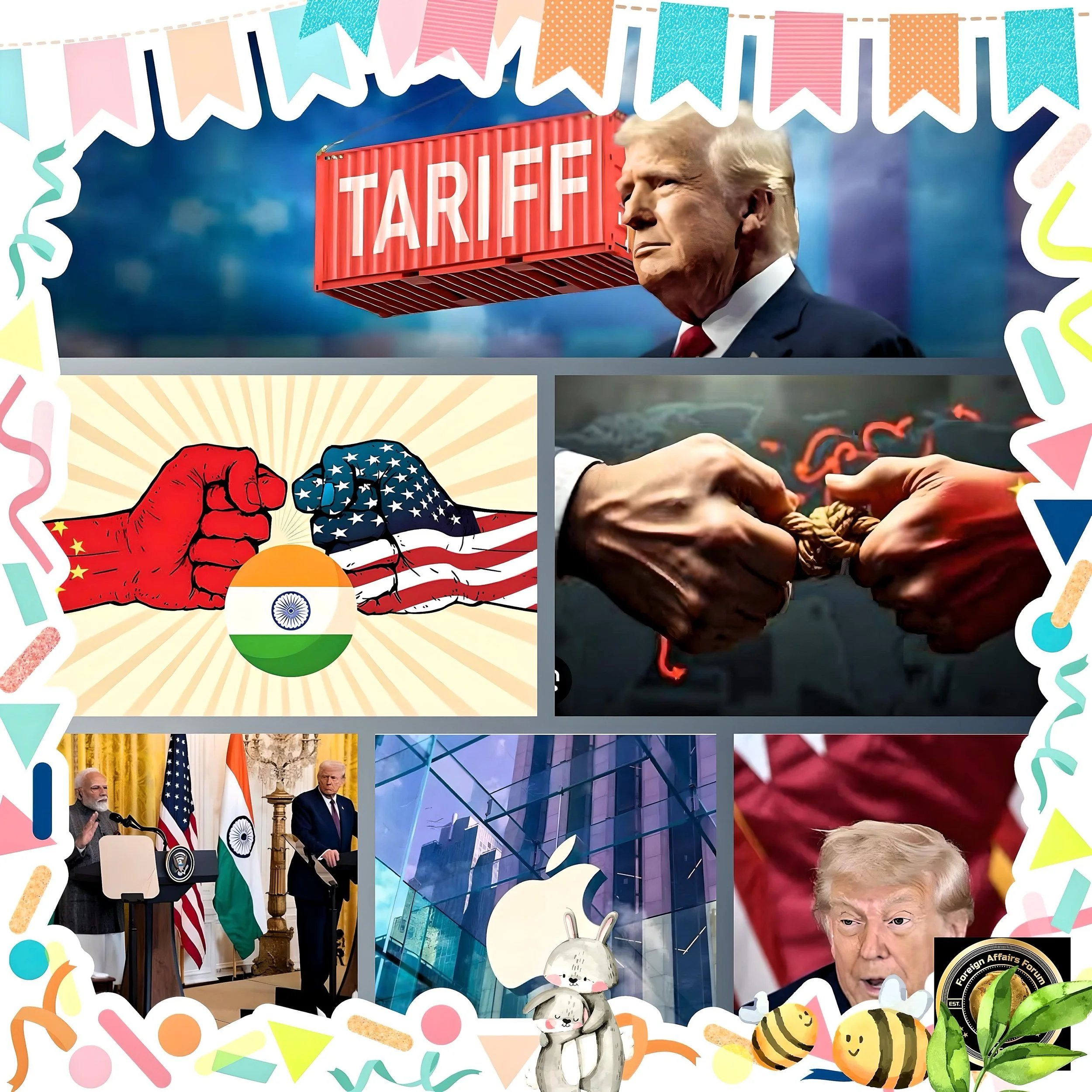
Apple’s strategic pivot to make India its primary iPhone manufacturing hub for the US market represents a significant shift in global technology supply chains. It occurs against the backdrop of complex trade negotiations between the United States and India.
As tariff tensions escalate under the Trump administration’s trade policies, both countries engage in delicate discussions while Apple maneuvers to protect its business interests in an increasingly unpredictable global trade environment.
Apple’s Strategic Shift to India Manufacturing
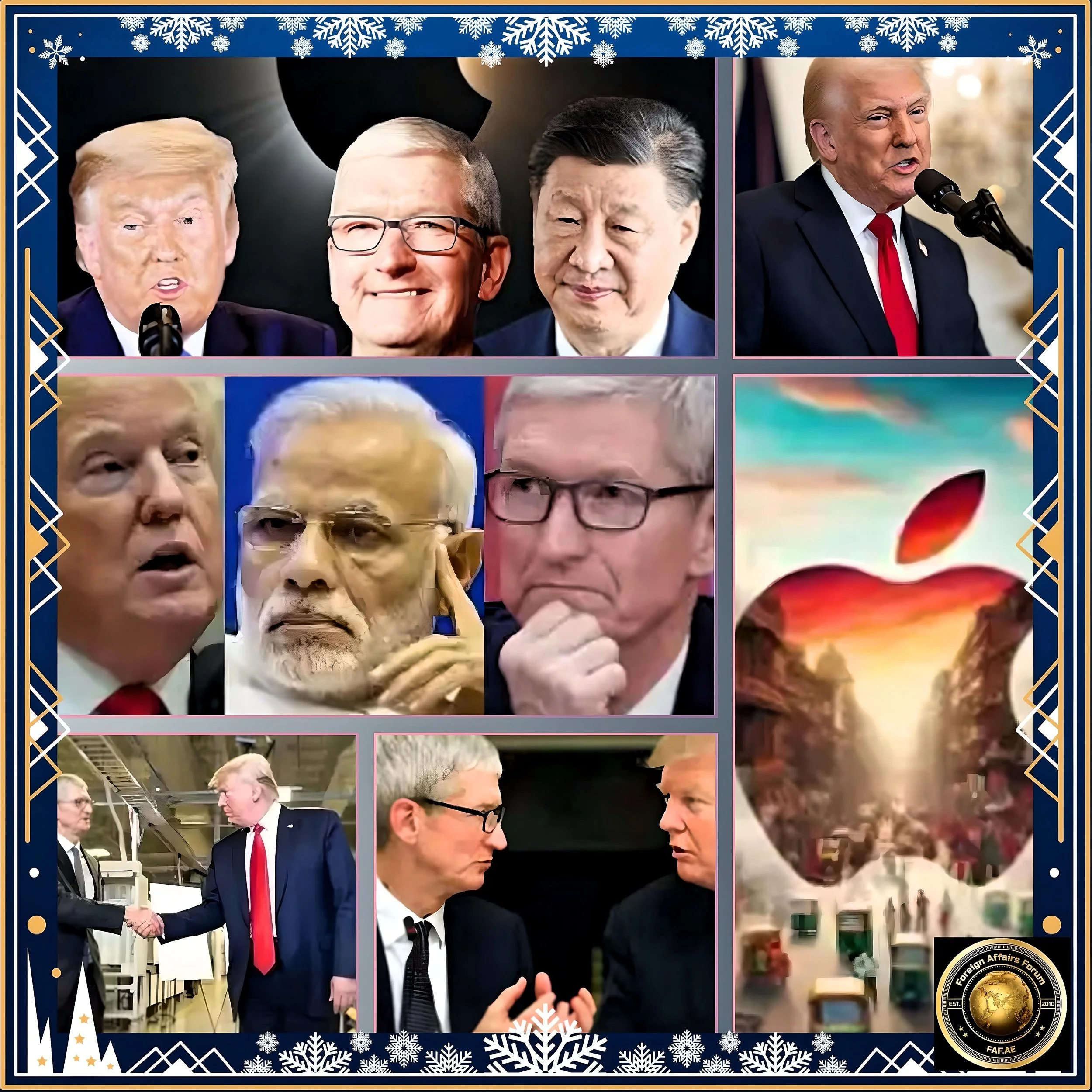
Apple CEO Tim Cook made a significant announcement during the company’s first-quarter earnings call on May 1, 2025, declaring that “for the June quarter, we do expect the majority of iPhones sold in the US will have India as their country of origin.”
This represents a significant restructuring of Apple’s global supply chain, which is historically centered in China.
The shift extends beyond iPhones, with Cook stating, “Vietnam will be the country of origin for almost all iPad, Mac, Apple Watch and AirPods products sold in the US.”
The strategic realignment comes as Apple forecasts a substantial financial impact from the current tariff environment.
The company predicts tariffs will add $900 million to its costs in the current quarter, assuming policies remain unchanged.
This financial pressure is driving what appears to be the most significant manufacturing shift in Apple’s recent history.
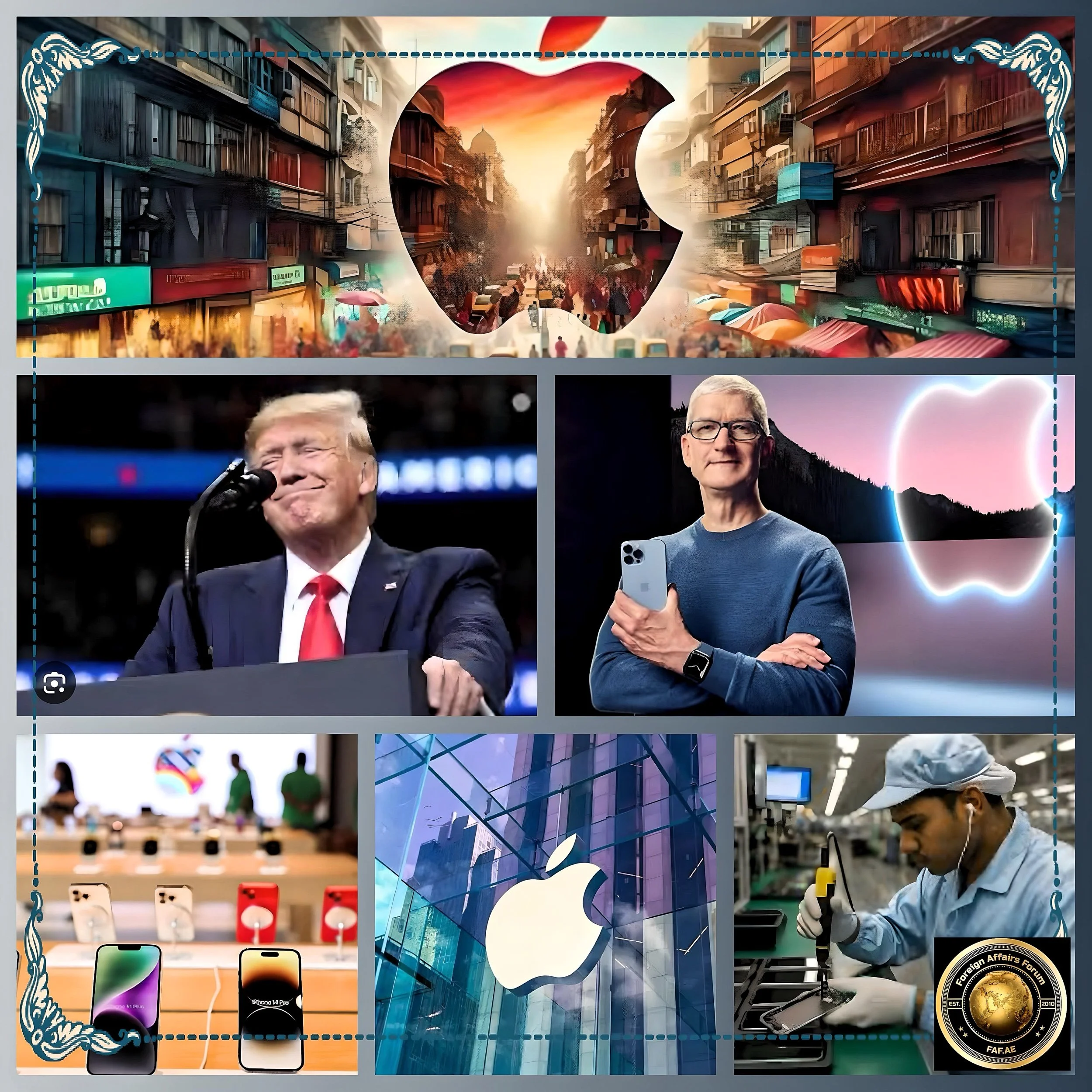
Approximately 20% of Apple’s global iPhone production already occurs in India, with millions of units assembled in the southern state of Tamil Nadu alone.
Industry analysts at Counterpoint Research estimate that made-in-India iPhones will account for 25-30% of global iPhone shipments in 2025, up from 18% in 2024.
Foxconn and Tata Electronics (which acquired Pegatron) are Apple’s primary manufacturing partners in India.
Despite this pivot toward India for US-bound products, Cook emphasized that “China would continue to be the country of origin for the vast majority of total product sales outside the US.”
This balanced approach suggests Apple is strategically diversifying its manufacturing footprint while maintaining its significant Chinese production capacity for global markets.
The Financial Stakes
The tariff situation creates significant financial exposure for Apple. In April 2025, the Trump administration imposed tariffs of up to 145% on certain products from China, though many of Apple’s flagship products received temporary exemptions.
For products that remain subject to tariffs, the financial implications are substantial. As Cook explained, “In addition, for China, there was an additional 125% tariff for imports of specific categories of products announced in April.
For us, that’s some of our US Apple Care and accessories businesses, bringing the total rate in China for these products to at least 145%. “
Trump’s Tariff Policies and Their Impact
The current trade tensions stem from the Trump administration’s aggressive tariff policies, which were announced earlier this year.
On April 2, 2025, Trump introduced “Liberation Day” tariffs, imposing 10% across-the-board duties against all US imports and releasing a targeted list of higher tariffs against dozens of nations.
Markets reacted negatively, with Treasury yields experiencing one of their quickest upward moves ever and stocks declining.
For India specifically, the administration imposed an additional 26% duty on exports to the United States, covering sectors ranging from seafood to industrial metals like steel.
However, on April 10, the US temporarily suspended these additional tariffs on Indian exports for 90 days, effective until July 9, 2025. This pause was viewed as a goodwill gesture to facilitate ongoing trade negotiations.
Trump has maintained that adverse market reactions did not influence his decision to pause the reciprocal tariffs.
When asked about the bond market tumult following his announcement, Trump told Time magazine, “No, it wasn’t for that reason… I’m doing that until we come up with the numbers that I want to come up with”.
The US-India Trade Negotiations
The tariff situation has catalyzed intensive trade discussions between the United States and India.
During a visit to Doha on May 15, 2025, President Trump made a significant claim about these negotiations, stating that India had offered “a deal where they are willing to charge us no tariff literally.”
According to Reuters reporting cited in several sources, India has proposed reducing its average tariff differential with the US from approximately 13% to under 4%.
The proposal reportedly includes bringing duties down to zero on 60% of tariff lines in the first phase and offering preferential access to nearly 90% of goods imported from the US.
In exchange for these concessions, India seeks comprehensive protection from US tariffs, specifically, “a full exemption from existing and potential future U.S. tariff hikes.”
This exemption level would exceed what was granted even in Washington’s recent agreement with the United Kingdom.
India’s Cautious Response
India’s leadership has been notably cautious in their public statements about these negotiations. Responding to Trump’s “zero tariffs” claim, India’s External Affairs Minister S. Jaishankar carefully noted that “trade talks have been ongoing” and that the discussions “are very intricate.”
He emphasized that “nothing is decided until everything is” and that “any trade deal has to be mutually beneficial and work for both countries.”
The stakes of these negotiations are significant for both nations.
The US is India’s largest trading partner, with bilateral trade totaling $129 billion in 2024, and India currently runs a $45.7 billion trade surplus with Washington.
Both countries are working to secure an agreement before the current tariff freeze expires on July 9, 2025.
Trump’s Conflicting Position on Apple’s India Manufacturing
President Trump has publicly expressed displeasure with Apple’s manufacturing shift to India.
According to a May 15, 2025, New York Times report, Trump criticized Apple’s attempts to shift iPhone production from China to India, asserting that he told Apple’s CEO Tim Cook, “I don’t want you building in India.”
This position appears to conflict with the broader goal of reducing US trade deficits, as increased tariffs on Chinese goods have been a key factor driving companies like Apple to diversify their manufacturing bases.
Trump’s criticism of Apple’s India manufacturing also stands in tension with his simultaneous pursuit of better trade terms with India.
The situation has created political complications in India as well.
As the New York Times reported, “Critics of Prime Minister Narendra Modi ridiculed his association with an American president who claims to be steering high-tech production away from India.”
Some Indian commentators have expressed frustration with the US administration's contradictory positions.
The Implications of “Sanjivani Valley”
“Sanjivani Valley” adds an interesting cultural dimension to this story.
In Hindu mythology, Sanjivani (or Sanjeevani) is a medicinal herb with extraordinary healing properties.
In the epic Ramayana, when Lakshmana is mortally wounded, Hanuman lifts an entire mountain containing the Sanjivani herb to save his life.
The metaphor of “From Silicon Valley to Sanjivani Valley” suggests that India’s growing role in technology manufacturing represents an economic shift and potentially a revitalizing force for India’s economy and global standing.
Just as the mythological Sanjivani brought healing, the manufacturing shift could bring economic growth and technological advancement to India.
Conclusion
The US-India trade relationship remains delicate as the July 9 deadline for the tariff exemption approaches.
Apple’s strategic pivot to make India its primary manufacturing hub for US-bound iPhones reflects the company’s pragmatic response to an uncertain trade environment, while also highlighting India’s growing importance in global technology supply chains.
The divergent signals from the Trump administration trade concessions from India while simultaneously criticizing Apple’s manufacturing shift to the country-illustrate the complex and sometimes contradictory nature of international trade politics.
Meanwhile, India’s cautious diplomatic stance reflects its desire to secure favorable trade terms while protecting its economic interests.
The outcome of these negotiations will not only shape the future of US-India trade relations but also determine whether Apple’s bold manufacturing shift proves to be a sustainable long-term strategy or merely a temporary response to political headwinds.