The Great Betrayal: Key Notes and Analysis of Fawaz A. Gerges’ Work
Foreward
In his 2025 book “The Great Betrayal: The Struggle for Freedom and Democracy in the Middle East,” Fawaz A. Gerges provides a comprehensive historical-sociological analysis of why political change has been so challenging to achieve in the Middle East.
As a professor of international relations at the London School of Economics and Political Science, Gerges brings considerable expertise to examining the region’s ongoing struggles.
Central Thesis and Framework
Gerges argues that a convergence of three crucial factors has produced political paralysis and economic stagnation across the Middle East:
Entrenched political authoritarianism
Persistent meddling by Western powers
Effects of Prolonged Regional Conflicts
These interlocking forces have created what Gerges describes as “a widening chasm between state and society,” where “the agency of everyday people has been thwarted by an authoritarian status quo that is maintained by a powerful partnership of external and internal forces.”
Rather than attributing the region’s challenges to any single cause, Gerges rejects simplistic theoretical frameworks in favor of acknowledging the complexity and specificity of the Middle East’s diverse histories.
Historical Scope and Analysis
The book traces more than a century of consequential events, providing a sweeping historical narrative that connects current struggles to their deeper roots.
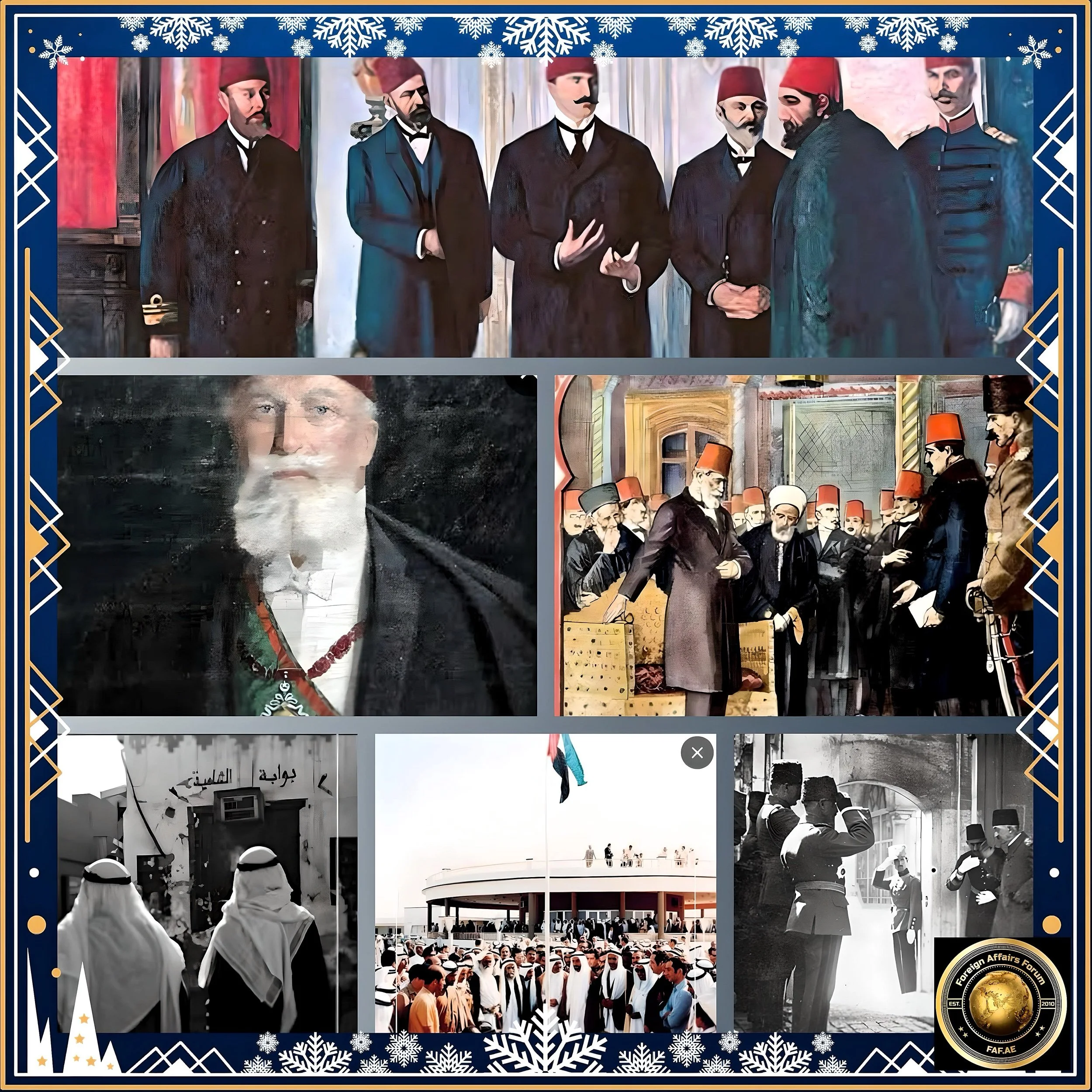
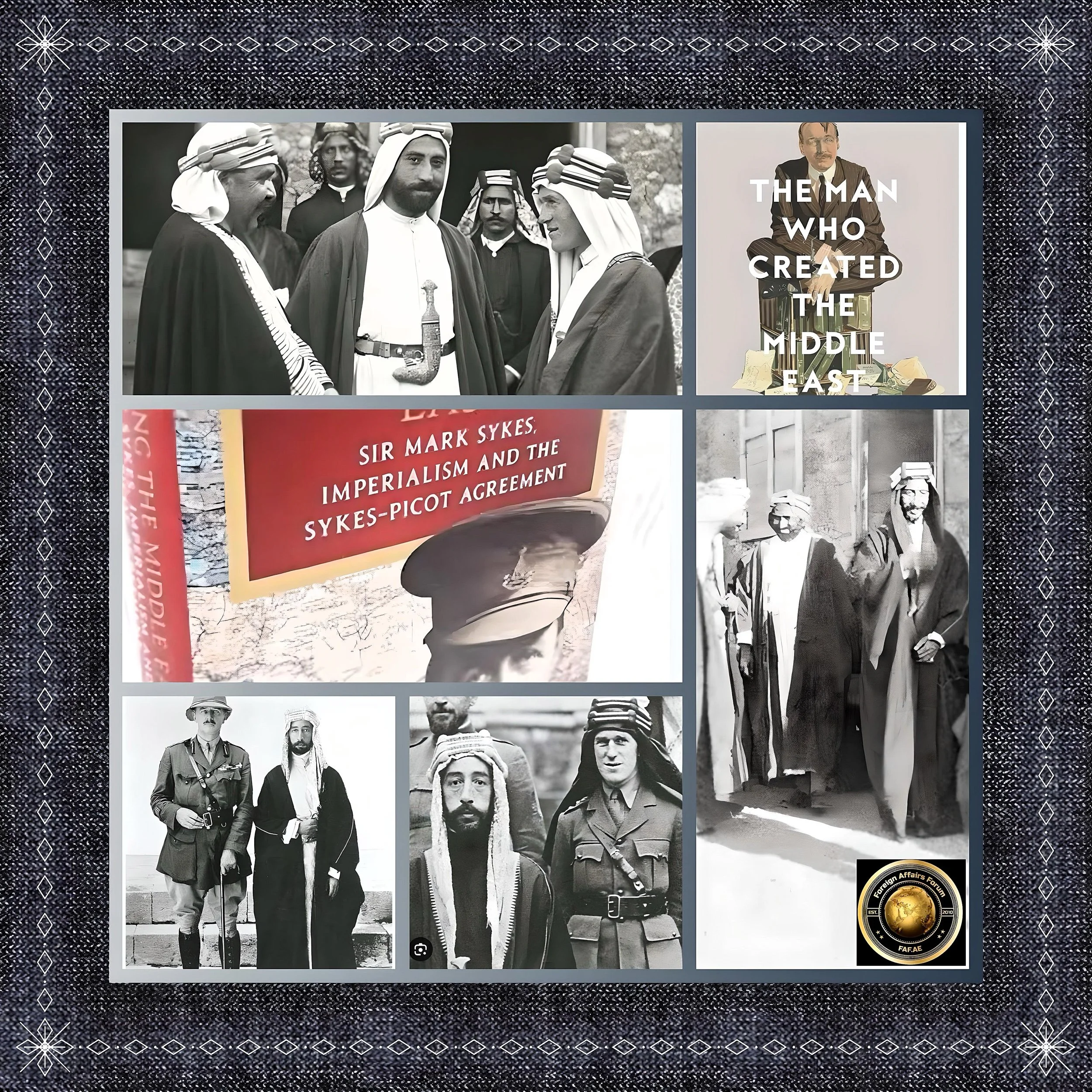
Gerges begins with what he calls “The Original Sin: The Formation of the Arab State System” following the collapse of the Ottoman Empire, examining how European powers carved up the region without regard for local aspirations.
Colonial Legacy and Independence
Gerges explores the contradictions of the colonial state and the profound disconnect between what was promised to Middle Eastern peoples and what was delivered- the titular “great betrayal.”
He argues that post-independence states faced the challenge of establishing legitimacy through “foundational myths” that ultimately collapsed, leading to cycles of authoritarian rule.
His analysis demonstrates how Middle Eastern populations have been “systematically denied self-determination, political representation, and effective government” through generations of both foreign interference and domestic authoritarianism.
Arab Spring Context
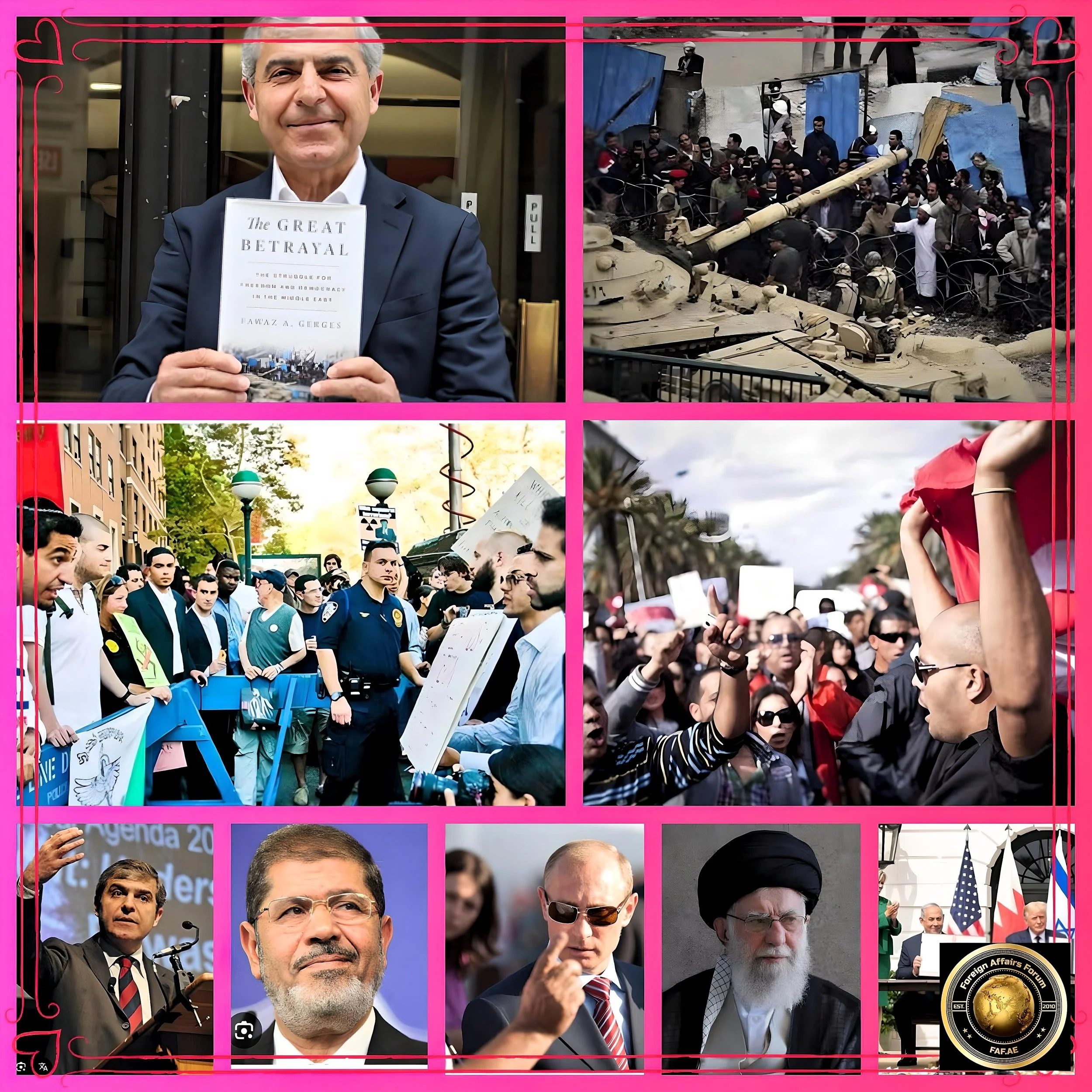
The book places special emphasis on the Arab Spring and its aftermath, which represents both the potential for democratic change and the forces aligned against it.
Gerges examines how the uprisings that began in Tunisia in 2010 spread across the region, only to be crushed by what he describes as “a powerful partnership of local autocrats and their great powers in ableism sic.”
This analysis builds upon perspectives that view the Middle East as trapped in a “state of permanent revolution,” where “the aspirations of its people permanently churning but never fulfilled.”
Gerges notes how dictatorships cannot turn back the clock to pre-2011 conditions, yet also shows how they have mobilized tremendous resources to prevent democratic transitions.
Challenging Conventional Narratives
Gerges addresses several ongoing debates in Middle Eastern studies
He challenges the “Arab exception” theory that claims culture or religion makes the region uniquely unsuited for democracy
He counters narratives that attribute the region’s problems solely to colonial legacies, instead showing how both external and internal factors interact
Further he analyzed how economic mismanagement by governing elites has contributed to political stagnation
The Role of Youth and Future Prospects
Despite documenting decades of setbacks, Gerges maintains a cautiously optimistic outlook.
He argues that “the region’s future will be determined not by dictators and their superpower patrons but by a growing population of Arab and Muslim youth who demand to be treated as citizens and not as subjects.”
This perspective acknowledges the demographic reality of a young population increasingly unwilling to accept authoritarian rule.
Academic Reception and Contribution
The book represents a significant academic contribution to understanding the Middle East’s political development.
While The Irish Times suggests the scope might be “too broad, and the prose a little dry, for this book to appeal to the general reader,” it appears to be an essential addition to scholarly literature that avoids cultural determinism and reductive external blame.
Gerges builds his argument using a historical-sociological approach that examines key events while focusing on the lived experiences and aspirations of ordinary people in the region.
The work connects to his previous books, including “What Went Wrong: The West and the Failure of Democracy in the Middle East,” demonstrating his ongoing engagement with these critical questions.
Conclusion
“The Great Betrayal” offers a nuanced analysis of the Middle East’s struggle for freedom and democracy, emphasizing the complex interplay between international interference, authoritarian resilience, and popular desires for change.
Gerges provides valuable insights into historical developments and future possibilities by rejecting simplistic explanations and embracing the region's complexity.
His cautious optimism about the role of youth movements suggests that despite decades of setbacks, the demand for political representation and effective governance remains a powerful force for potential change in the region.