Apple’s Manufacturing Shift to India: Capacity, Supply Chain, and Trump Tariff Impact
Introduction
India’s Apple manufacturing sector has grown remarkably, emerging as a pivotal alternative to China for iPhone production amid evolving global trade dynamics.
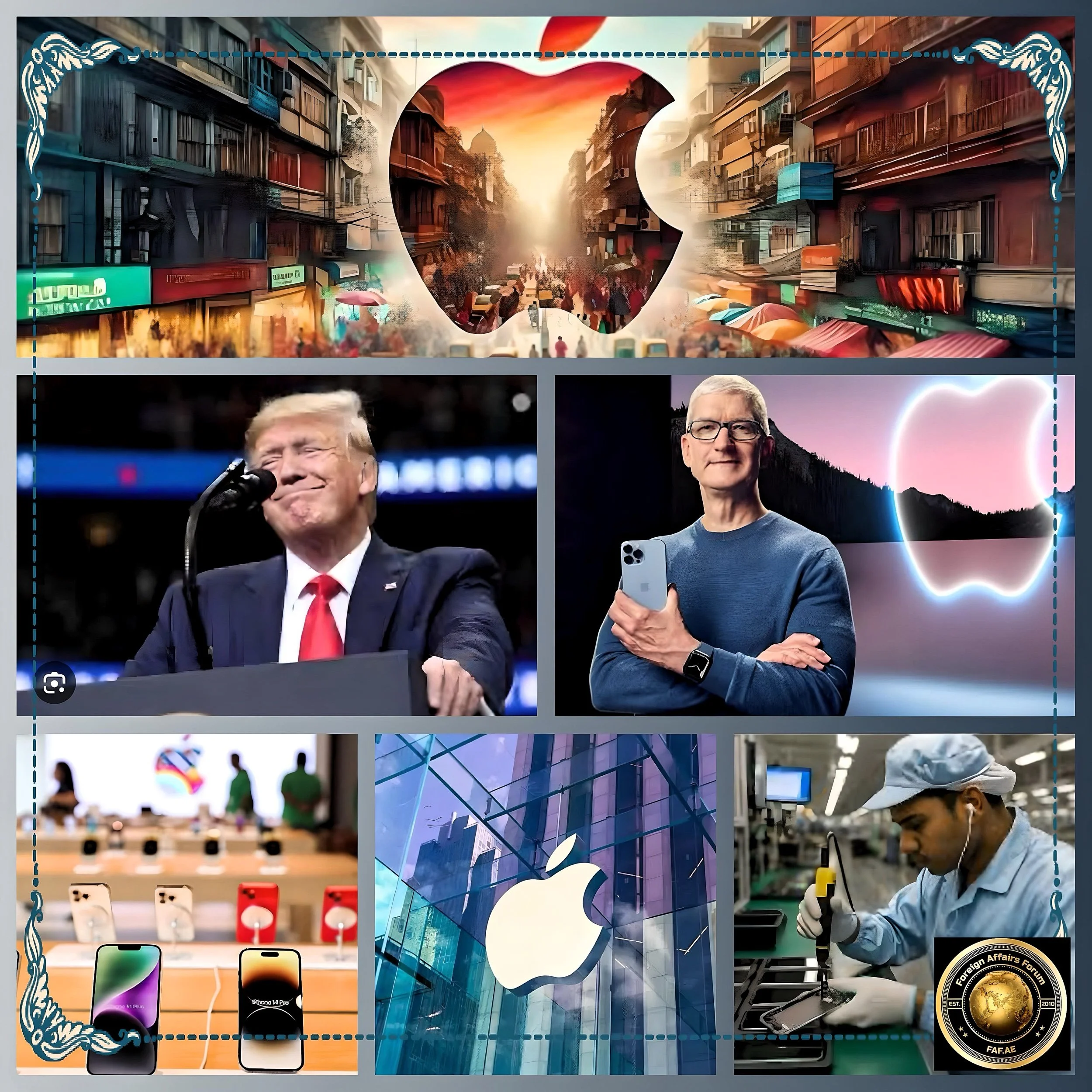
With President Trump’s recent tariff announcements affecting manufacturing hubs across Asia, Apple’s strategic realignment highlights India’s growing importance while posing questions about previously planned Vietnamese operations.
India’s Current Manufacturing Capability
Apple has significantly accelerated its manufacturing presence in India, with recent data demonstrating impressive growth.
The tech giant assembled iPhones worth $22 billion in India during the fiscal year ending March 2025, representing a nearly 60% increase over the previous year.
This production milestone means approximately 20% of all iPhones globally are now manufactured in India, marking a substantial shift away from Apple’s traditional Chinese manufacturing base.
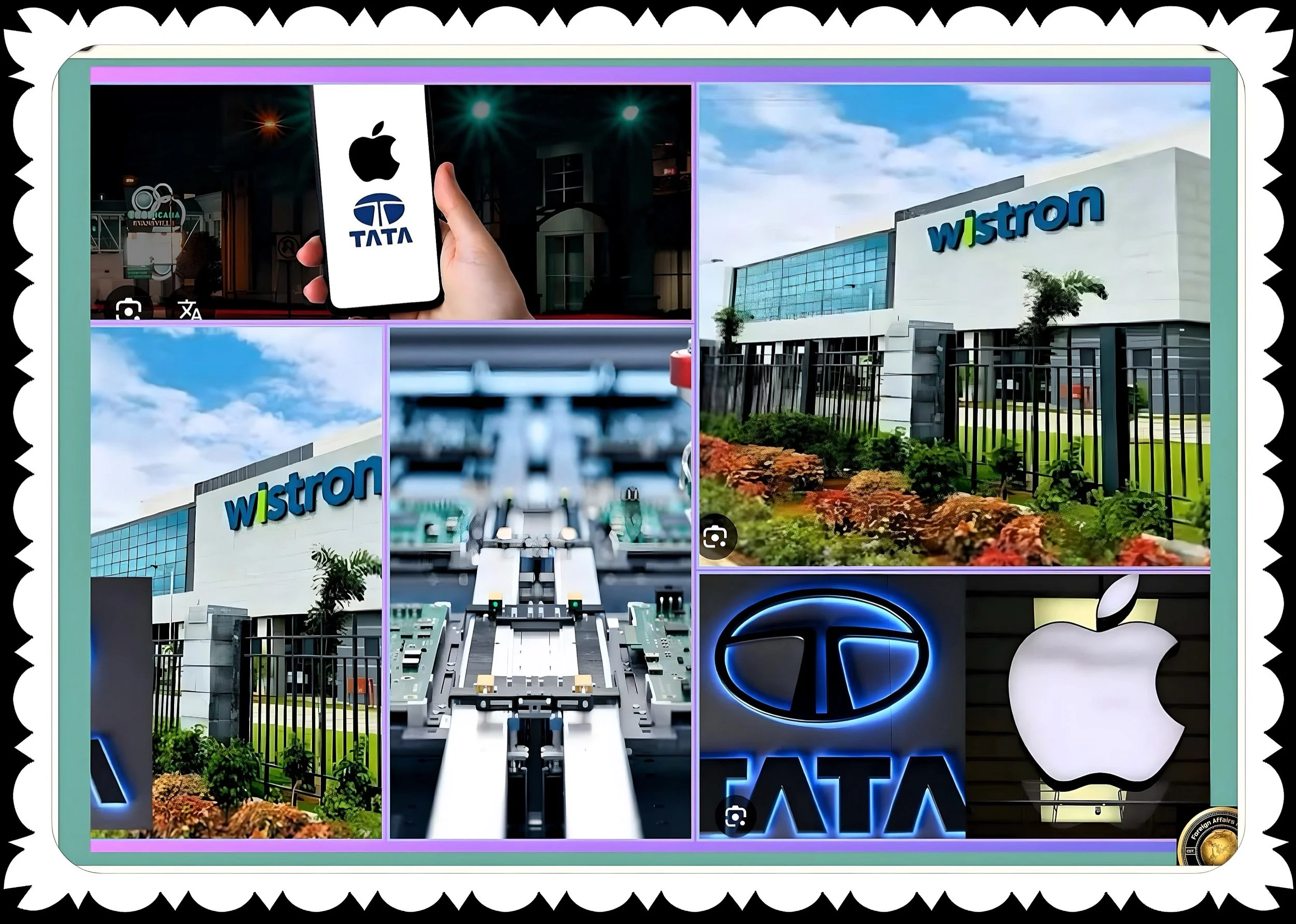
Most India-made iPhones are assembled at Foxconn Technology Group’s factory in southern India, with the Tata Group playing an increasingly important role in the supply chain.
Tata’s electronics manufacturing arm, which acquired Wistron Corp. and controls Pegatron Corp.‘s operations, has become a key supplier for Apple’s Indian production.
This manufacturing ecosystem has enabled Apple to export iPhones worth approximately 1.5 trillion rupees ($17.4 billion) from India during the fiscal year ending March 2025.
Manufacturing Infrastructure Development
Apple’s manufacturing footprint in India had expanded significantly since 2021 when the company first began producing iPhones in the country—marking the first time Apple manufactured iPhones outside of China.
The acceleration of Apple’s operations in India was catalyzed by the introduction of the smartphone production-linked incentive (PLI) scheme by the Indian government in 2020.
This initiative provided crucial incentives that have helped establish India as a manufacturing hub.
Three contract manufacturers—Foxconn, Wistron (now acquired by Tata), and Pegatron—support current production capabilities.
Foxconn’s operations, in particular, have seen substantial growth.
In 2025, the company plans to produce 25-30 million Apple iPhones at its Indian facilities—more than double the previous year’s output of approximately 12 million units.
Future Growth Potential and Capacity
Based on industry projections, India’s capacity to handle a larger share of Apple’s production appears promising.
According to research estimates, India’s share of global iPhone production could reach 25% by 2025, with some analysts projecting this figure could further expand to 26-30% by 2027.
More ambitious forecasts suggest India could produce 45-50% of Apple’s iPhones by 2027, potentially reaching parity with China’s production share.
Supply Chain Development
The supply chain in India continues to mature, with Apple and its manufacturing partners investing in infrastructure development.
Foxconn has been conducting testing operations at its Bengaluru site over the past three to four months, indicating rapid advancement in manufacturing capabilities across India.
This expansion supports Apple’s goal to manufacture more than 50 million iPhones annually in India.
The Indian government is actively supporting this growth through state-backed incentives aimed at establishing the country as a global manufacturing hub.
These efforts include offering $2.7 billion in incentives to further develop the electronics component production sector.
However, development of the complete supply chain will take time, as Bloomberg Intelligence suggests it might take up to eight years for Apple to relocate just 10% of its production capacity from China.
Vietnam’s Role and Trump Tariff Impact
Apple had previously begun diversifying its supply chain beyond China by relocating some iPad and AirPod manufacturing to Vietnam, while simultaneously shifting iPhone production to India.
This strategy was part of Apple’s broader approach to mitigate risks associated with relying heavily on Chinese manufacturing.
Tariff Disruption
The recent announcement of “reciprocal tariffs” by President Trump has significantly complicated Apple’s diversification strategy. The new tariff structure imposes rates of:
54% on China (including an additional 34% on top of existing 20% tariffs)
46% on Vietnam
26% on India
These tariffs have effectively undermined Apple’s previous plans for Vietnam, as the country now faces a substantially higher tariff rate than India, making it less economically viable as a manufacturing alternative for US-bound products.
Apple’s Strategic Response
In response to these tariff changes, Apple appears to be recalibrating its global production strategy, with a particular focus on leveraging its Indian manufacturing base.
According to industry sources, Apple has begun using production from India’s factories to ship iPhones to the US market, with plans to drastically reduce exports from China.
This shift represents a significant operational change driven by the tariff differential between the countries.
Market-Specific Production Allocation
Apple is reportedly implementing a strategic allocation of its manufacturing capacity:
India-made products will be increasingly directed toward the US market
Chinese factories will continue to serve demand in other markets including Europe, Latin America, and Asia
This approach allows Apple to optimize its supply chain in response to the varying tariff rates.
As one industry official noted, “In a way, this will be a significant leapfrogging for iPhone production in India and may lead to major expansion in the country, if Apple decides to stick to the formula going forward”.
Challenges for India’s Manufacturing Expansion
Despite the positive growth trajectory, several challenges remain for India to achieve over 50% of Apple’s production capacity.
While manufacturing volumes are increasing rapidly, India’s contribution to Apple’s global revenue remains significantly lower than China’s.
In fiscal year 2024, Apple achieved record revenue of $8 billion from India, representing just over 2% of its global revenue of $391 billion, compared to Greater China’s contribution of $66.95 billion (more than 17%).
This disparity between production capacity and revenue contribution reflects differences in market maturity and consumer purchasing power.
Industry experts suggest that while India’s iPhone production volumes could match China’s within five years, achieving comparable revenue contributions might take 10-15 years.
Additionally, approximately 70% of iPhones produced in India are currently exported, with this figure expected to rise to 80-85% as capacity increases.
Conclusion
India’s Emerging Dominance in Apple Manufacturing
The evidence strongly suggests that India has the potential to handle over 50% of Apple’s production in the coming years, though the timeline for reaching this milestone may extend to 2027 or beyond.
The combination of government incentives, expanding manufacturing infrastructure, and favorable tariff position compared to China and Vietnam has positioned India as Apple’s most viable option for diversification.
The Trump administration’s tariff decisions have accelerated this shift, effectively redirecting Apple’s focus more intensively toward India while diminishing Vietnam’s role in the company’s manufacturing strategy.
Q As global trade tensions continue to evolve, Apple’s supply chain reconfiguration represents a significant opportunity for India’s manufacturing sector, potentially establishing the country as Apple’s primary production hub outside of China.