Trump’s Middle East Tour: A Pivot in US-Iran Strategy
Introduction
Trump’s May 2025 Gulf trip marked a significant shift in US strategy toward Iran. The US balanced diplomatic overtures with strategic pressure while building regional consensus.
The visit, coinciding with ongoing nuclear negotiations, revealed a more nuanced approach to containing Iran’s nuclear ambitions and regional influence, per Gulf.Inc Media group.
Diplomatic Momentum Amid Regional Realignment
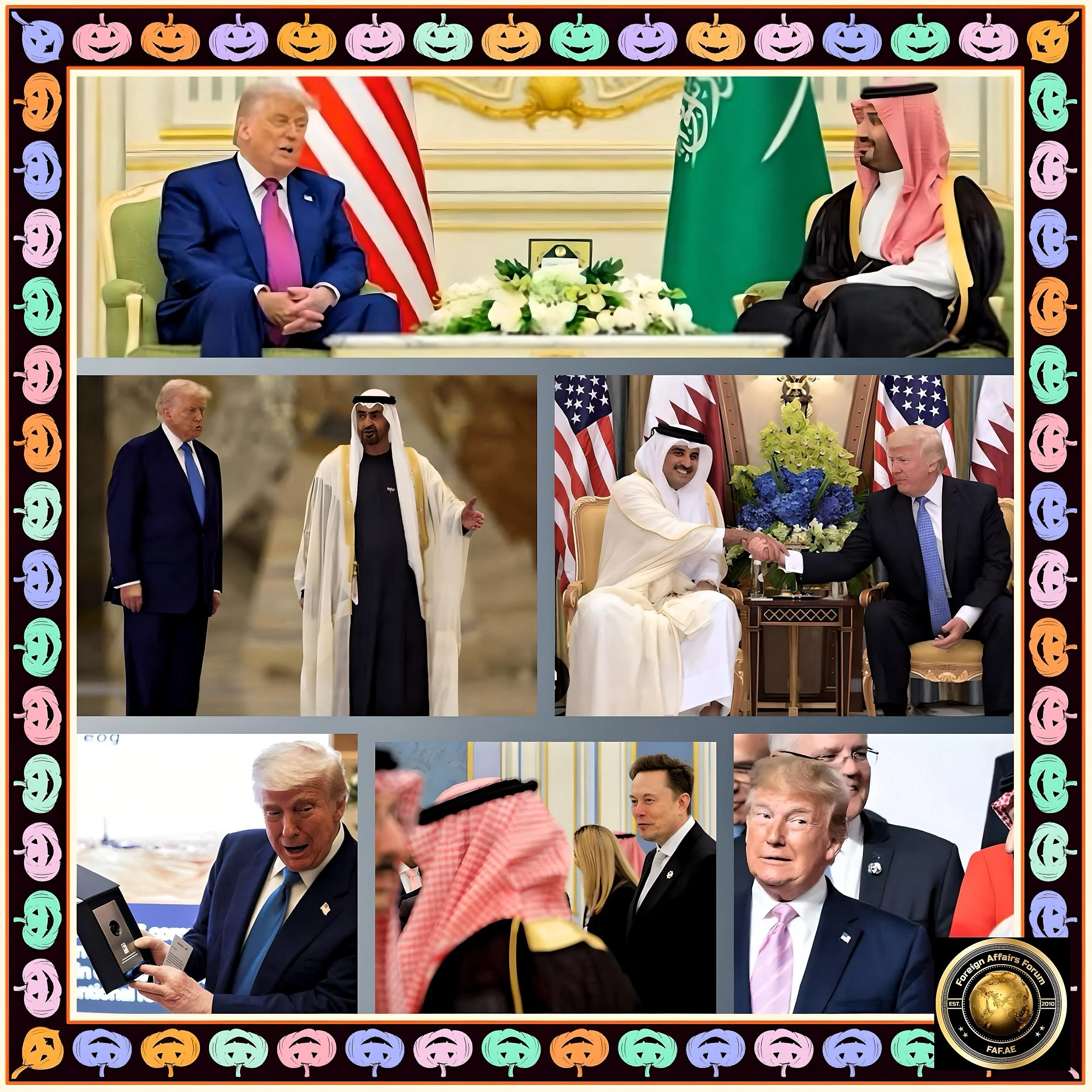
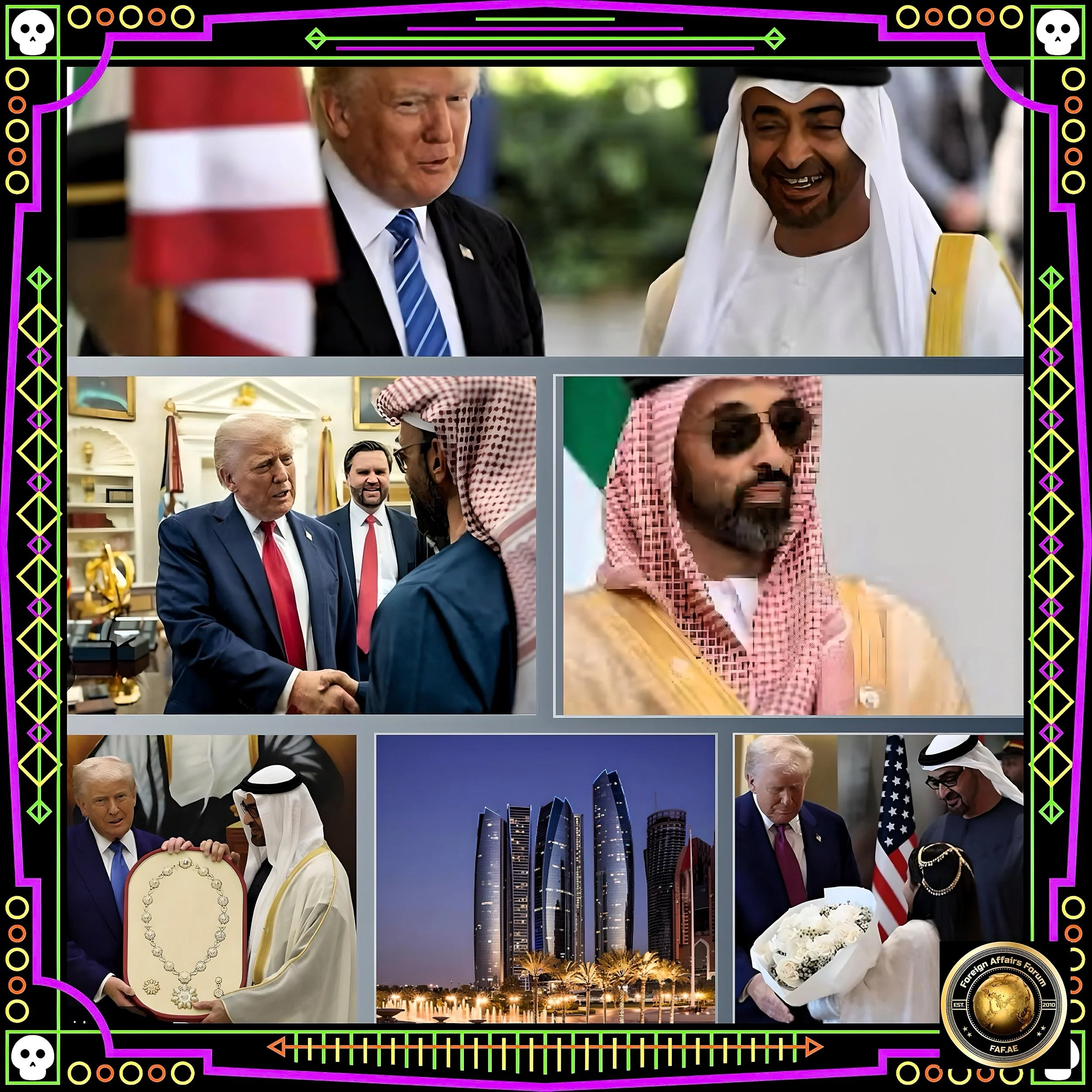
President Donald Trump’s four-day tour of Saudi Arabia, Qatar, and the UAE in May 2025 coincided with the fourth round of US-Iran nuclear negotiations, creating diplomatic momentum for a breakthrough.
Israel was absent from his itinerary, signaling a strategic pivot toward Gulf partnerships as the foundation of regional policy.
During the visit, Trump made his most optimistic statements about the prospects for an agreement with Iran.
“We’re in earnest negotiations with Iran for long-term peace,” Trump told reporters in Qatar, adding that the US was “getting cI would lose to maybe doing a deal without having to do this. There are two steps to doing this: there is a very, very nice step and there is the violent step, but I don’t want to do it the second way. “
This public optimism was bolstered by Trump’s claim that Iran had “sort of agreed to the terms” regarding nuclear restrictions.
The markets responded immediately, with oil prices falling about $2 on expectations that a deal could result in sanctions easing and Iranian oil returning to global markets.
Dual-Track Approach: Diplomacy and Pressure
Trump’s strategy during the visit reflected a dual-track approach to Iran.
While expressing hope for a diplomatic solution, he maintained pressure by warning of consequences if negotiations failed. This balanced carrots-and-sticks approach was evident in his remarks to Gulf leaders.
“I want to make a deal with Iran… to make your region and the world a safer place,” Trump said in Saudi Arabia. “But if Iran’s leadership rejects this olive branch and continues to attack their neighbors, then we will have no choice but to inflict massive maximum pressure and drive Iranian oil exports to zero like I did before”.
The president’s conditions for a deal were clear: Iran “must stop sponsoring terror, halt its bloody proxy wars and permanently and verifiably cease pursuit of nuclear weapons”.
His unequivocal declaration that “They cannot have a nuclear weapon” established a red line while leaving room for diplomatic solutions.
Building a Regional Coalition Against Iran
A key aspect of Trump’s strategy that emerged during the visit was the cultivation of a stronger regional alliance to counter Iranian influence.
The trip revealed a shift from isolated bilateral negotiations to a more comprehensive regional approach that incorporated Gulf states’ security concerns.
This regional strategy manifested in record-breaking economic deals, notably a $600 billion Saudi investment commitment to the United States.
Such arrangements strengthen ties with Gulf partners who share American concerns about Iran’s regional activities.
Andrew Leber, a Middle East expert, observed: “I expect to see economic deal-making to be the central focus of this trip, as reflected in the host of business leaders accompanying the president on the trip.
Announcements will primarily take the form of large-scale investment pledges from the countries into various strategic sectors of the U.S. economy”. These economic ties create additional leverage and regional cohesion against Iran.
Gulf States’ Role in Iran Strategy
The visit empowered Gulf states to take a more active role in shaping US-Iran policy.
Rather than being passive recipients of American decisions, Saudi Arabia and other Gulf nations are now expected to contribute to both diplomatic efforts and enforcement mechanisms.
“Gulf leaders are expected to urge Trump to pair any nuclear agreement with strict verification mechanisms and provisions that limit Iran’s ballistic missile program and regional militancy.
The Gulf states are no longer satisfied with arms-length diplomacy and demand a seat at the table in shaping post-agreement enforcement”.
This represents a significant evolution from Trump’s first-term approach, where Gulf concerns were considered but not necessarily integrated into the negotiation framework.
Signs of Progress in Nuclear Talks
Trump’s visit coincided with significant developments in the nuclear negotiations with Iran.
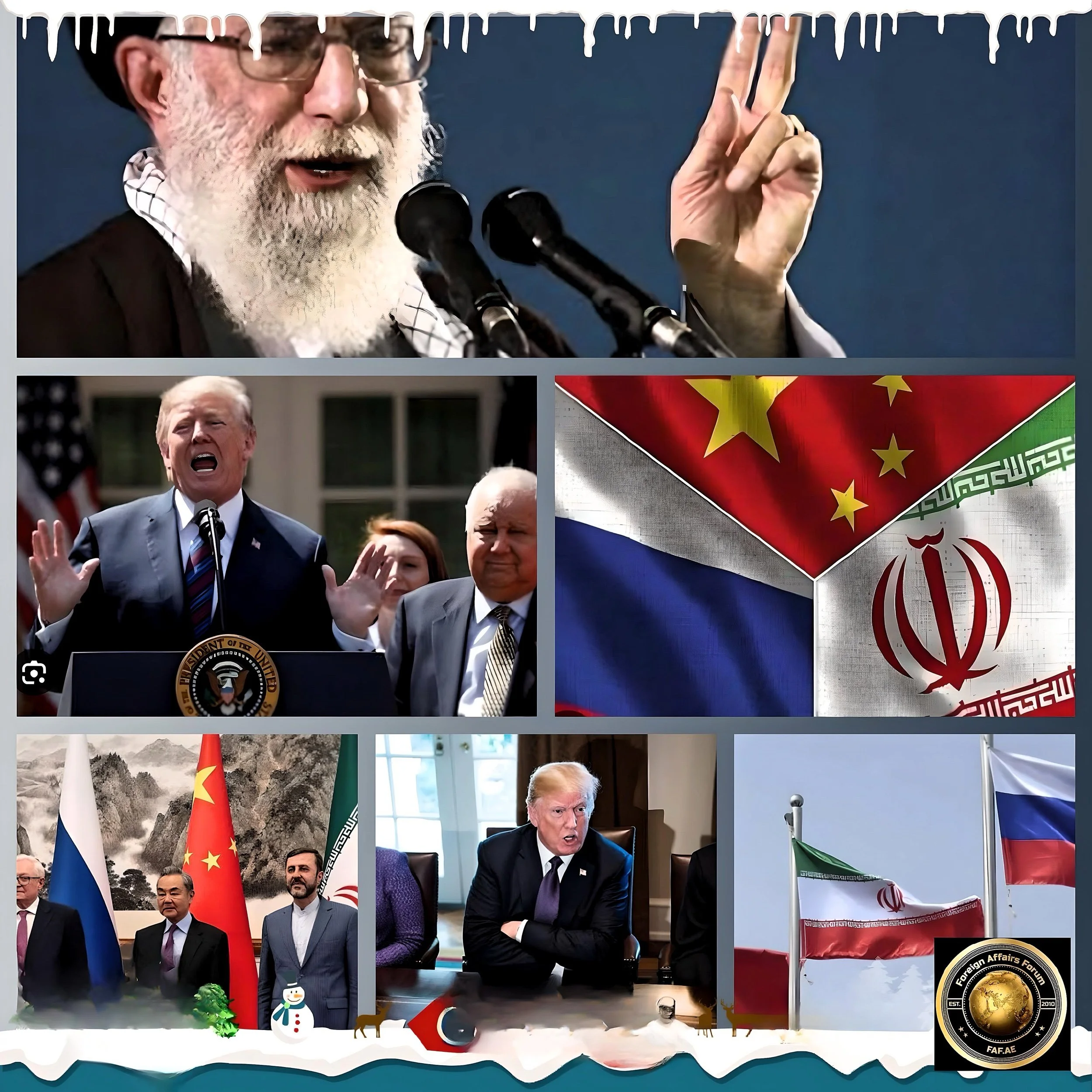
A top political, military, and nuclear adviser to Iran’s supreme leader told NBC News that Tehran was willing to make major concessions, including:
Getting rid of stockpiles of highly enriched uranium that can be weaponized
Agreeing to enrich uranium only to lower levels needed for civilian use
Allowing international inspectors to supervise the process
In exchange, Iran sought “an immediate lifting of all economic sanctions”.
This public signal from Iran’s leadership offered a potential pathway forward that Trump referenced during his Gulf tour.
Energy Secretary Chris Wright reinforced this optimism, telling CBS News that he anticipated a deal with Iran by the end of the year: “I think sometime later this year, and hopefully on the sooner, and hopefully much sooner than late this year, we’ll see large breakthroughs in Iran”.
Divergence from Netanyahu’s Hardline Approach
An important strategic shift evidenced during Trump’s Middle East tour was his apparent distancing from Israeli Prime Minister Netanyahu’s maximalist position on Iran.
Where Netanyahu has advocated military strikes against Iran’s nuclear facilities, Trump seemed to recognize the potential for a diplomatic resolution.
According to reports, “While Netanyahu has advocated for military action against Iran’s nuclear sites, Trump appears to be recognizing an opportunity to mitigate the threat of Iran obtaining nuclear weapons through a diplomatic agreement with the Iranian government”.
This divergence suggests a more pragmatic approach to Iran that prioritizes verifiable limitations on nuclear activities over regime change or military confrontation.
Trump addressed this dynamic obliquely during his visit, telling Saudi leaders regarding their potential normalization with Israel: “It’s my fervent hope, wish and even my dream that Saudi Arabia… will soon be joining the Abraham Accords.
But you’ll do it in your own time”. This acknowledgment that the Gaza conflict and current Israeli government positions were obstacles to normalization reflected a more nuanced regional strategy.
Conclusion
A Strategic Recalibration
Trump’s May 2025 Middle East tour represents a significant recalibration of US strategy toward Iran.
The visit moved American policy from pure confrontation to conditional diplomacy, from bilateral negotiations to regional consensus-building, and from maximalist demands to focused limitations on nuclear capabilities and regional activities.
This evolution was summarized by Middle East analysts who noted: “Unlike his first term, where maximalist policies on Iran and Syria dominated the agenda, this visit is widely seen as an opportunity for Trump to adopt a more flexible and transactional style of diplomacy shaped by evolving regional realities and pragmatic Gulf preferences”.
While maintaining the threat of “maximum pressure” and even military action, Trump’s approach during the Gulf visit emphasized diplomatic pathways and economic incentives that could lead to a sustainable agreement.
By building stronger relations with Gulf partners and acknowledging their security concerns, Trump created a more multilateral framework for addressing the Iranian challenge-one that could potentially achieve more durable results than previous approaches.