Trump’s Middle East Tour: Strategic Gains, Notable Absences, and Economic Motivations
Introduction
Trump’s May 2025 Middle East tour, which spanned Saudi Arabia, Qatar, and the UAE, resulted in massive economic agreements and geopolitical realignments.
While generating unprecedented investment commitments for the United States, Israel's and certain OPEC nations' absence from his itinerary signaled shifting regional priorities.
Gulf.Inc group illustrated Trump’s focus on economic diplomacy.
Middle Eastern Gains from Trump’s Visit
Economic and Defense Benefits for Host Nations
The three Gulf nations Trump visited secured significant strategic advantages.
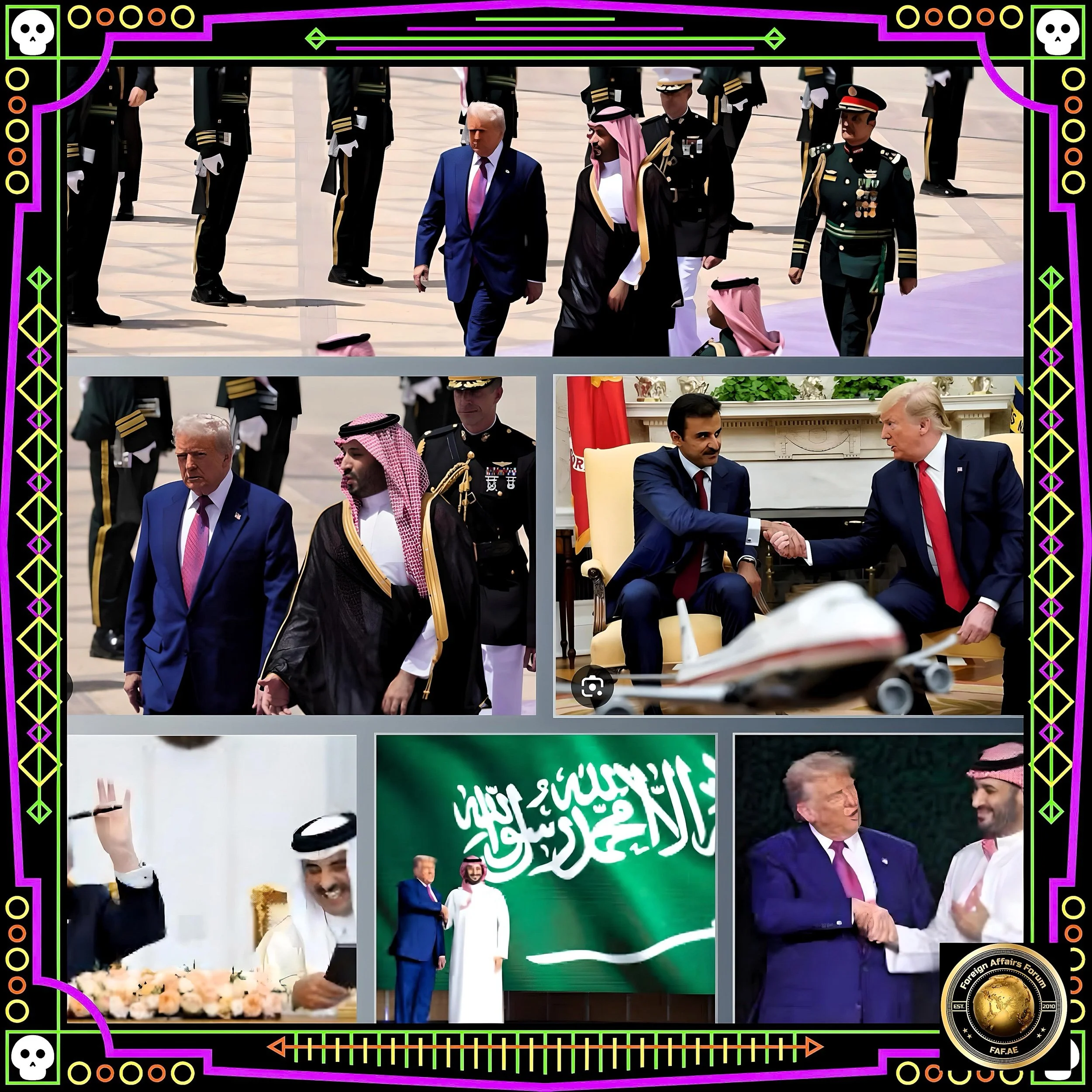
Saudi Arabia finalized a comprehensive partnership, including a $142 billion defense capabilities agreement and cooperation on energy resources, disease prevention, and space exploration.
This visit substantially elevated Crown Prince Mohammed bin Salman’s diplomatic standing as he welcomed Trump at King Khalid International Airport.
Qatar secured even more substantial economic arrangements. Trump announced over $243 billion in deals, including a historic agreement for Qatar Airways to purchase up to 210 Boeing aircraft, described as “the largest order of jets in Boeing's history.”
Additionally, Qatar gained a $1 billion defense agreement with Raytheon for counter-drone capabilities, a $2 billion contract with General Atomics for MQ-9B uncrewed aerial vehicles, and a $38 billion investment in Al Udeid Air Base.
The UAE, focusing on technology advancement, received support for its ambitious $1.4 trillion investment plan designed to position the country as a significant contributor to AI and advanced technology over the next decade.
As Anwar Gargash, diplomatic adviser to the UAE president, explained: “The UAE sees a once-in-a-lifetime opportunity to become a significant contributor in AI and advanced technology.”
Regional Diplomatic Breakthroughs
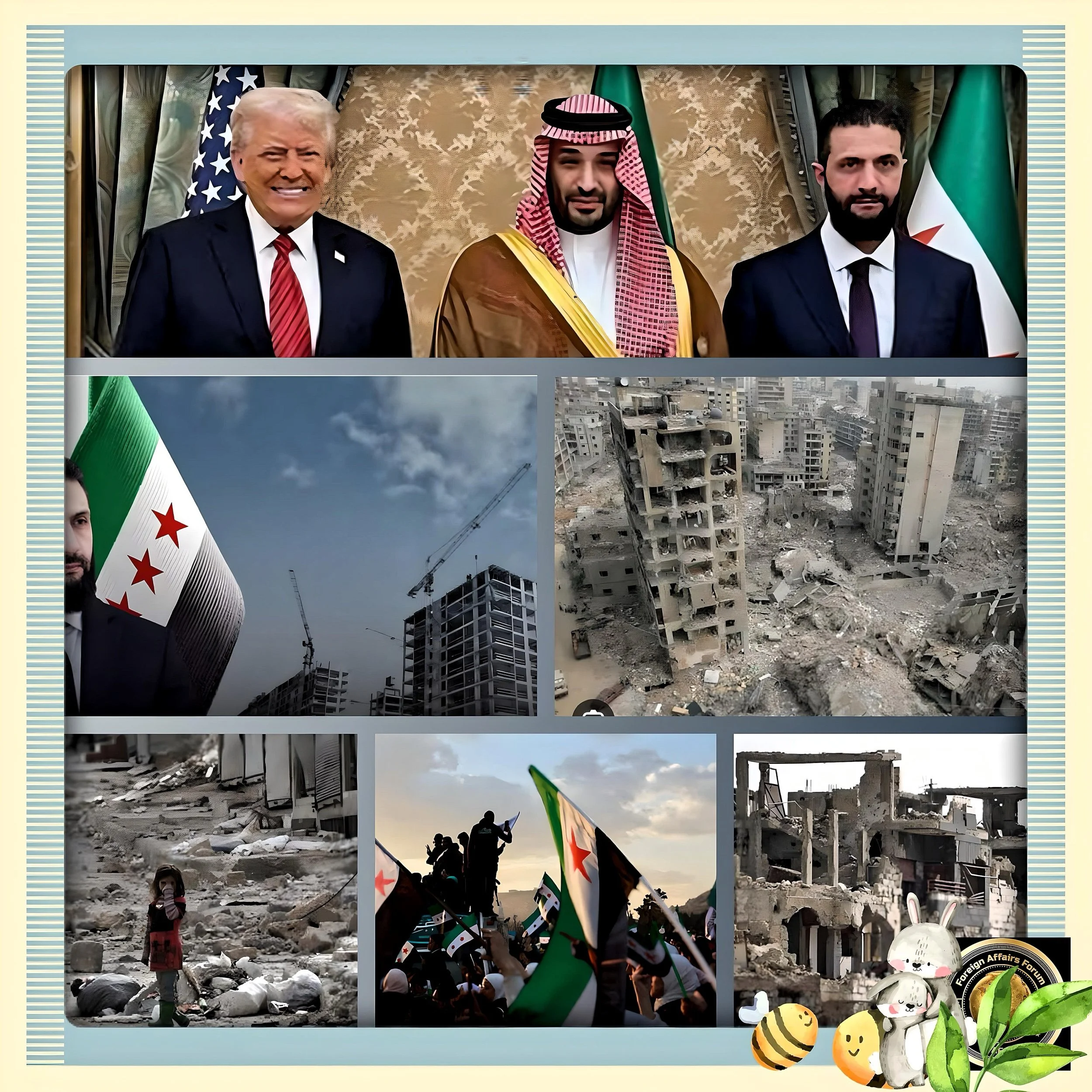
One of the most significant diplomatic outcomes was Trump’s pledge to lift all sanctions against Syria, offering the war-torn nation “a chance at greatness.”
This decision followed a trilateral meeting hosted by the Saudi Crown Prince and attended by Syrian President Ahmad Al-Sharaa, with Turkish President Recep Tayyip Erdoğan joining via phone.
Al-Sharaa, who assumed office after Bashar al-Assad’s fall in December, called the sanctions relief “a pivotal step toward rebuilding Syria.”
Trump also encouraged both Saudi Arabia and Syria to join the Abraham Accords, potentially expanding the normalization of relations with Israel in the region.
This reflects Trump’s continued interest in expanding the diplomatic framework established during his first term.
Why Trump Bypassed Israel
Shifting Strategic Priorities
Trump’s decision to skip Israel on his Middle East tour represented a notable departure from traditional US diplomatic patterns and generated substantial concern in Jerusalem.
Israeli officials actively inquired about the possibility of a presidential stop in Jerusalem or Tel Aviv. Still, Trump publicly stated he had “no plans to stop in Israel” for this trip.
The Israeli snub appears to stem from multiple factors. One source bluntly stated: “Without results, he’s not coming (to Israel).”
This suggests Trump may be dissatisfied with the Netanyahu government’s recent actions or lack of diplomatic progress.
Growing Tensions with Netanyahu
The relationship between Trump and Netanyahu appears increasingly strained.
A former Israeli diplomat noted: “From Trump’s perspective, Netanyahu has become more of a nuisance than an asset, offering little in return - especially where it matters most to him: the bottom line.”
Trump has reportedly sidelined Netanyahu by holding nuclear discussions with Iran and initiating hostage negotiations with Hamas without informing Israel, fueling unease in a country accustomed to close coordination with Washington.
Despite these tensions, Trump insisted his Middle East approach benefits Israel, stating: “This is good for Israel. Having a relationship like I have with these countries… I think it’s perfect for Israel”.
Economic Considerations
Notably, Israel has not been exempted from Trump’s global tariff policies, with a new 17% US import duty recently implemented on Israeli goods despite Jerusalem’s offers of reciprocal trade concessions.
This economic dimension aligns with Trump’s broader approach of prioritizing financial interests in international relations.
Why Trump Excluded Other OPEC Nations
Following the Money
Trump’s selective itinerary focused exclusively on the three wealthiest Gulf states, capable of offering massive investment commitments to the United States.
As experts at the Washington Institute for Near East Policy observed, “Trump can easily score a win by reassuring them of America’s strategic commitment to the region, demonstrating consistent messaging and generally rising above the fray.”
The financial disparity between the chosen destinations and other regional nations is stark.
One analyst explained Oman’s absence from the itinerary as follows: “These Gulf countries Trump is currently visiting are offering trillions of dollars of investments to him, which Oman cannot match, as it’s currently struggling to straighten out its economy.”
Clear Strategic Calculation
The selection criteria for Trump’s visit destinations were unambiguously outlined by Hasan Alhasan, a senior fellow at the International Institute for Strategic Studies: “In Trump’s book, the three Gulf countries tick all the right boxes.
They pledge to invest trillions in the US economy and spend colossal amounts on US weapons systems”.
Saudi Arabia and the UAE have pledged approximately $2 trillion in investment and trade with the US over the next decade.
These figures dwarf what smaller OPEC nations could offer, explaining their absence from Trump’s itinerary.
Personal Business Connections
Trump’s focus on these three Gulf nations aligns with his business interests.
As Jon B. Alterman from the Center for Strategic and International Studies noted: “This is his happy place.
His hosts will be generous and hospitable. They’ll be keen to make deals. They’ll flatter him and not criticize him.
And they’ll treat his family members as past and future business partners”.
The Associated Press reported that Trump visited “three energy-rich nations home to existing or planned Trump-branded real estate projects.”
Trump’s Business-First Diplomatic Approach
The Middle East tour underscored Trump’s transactional approach to foreign policy, prioritizing economic deals over traditional diplomatic objectives.
The trip yielded unprecedented investment commitments:
$600 billion from Saudi Arabia
$243+ billion from Qatar
Part of a $1.4 trillion, decade-long investment plan from the UAE
This focus on business deals was evident in Trump’s traveling delegation, which included business titans rather than traditional diplomatic figures
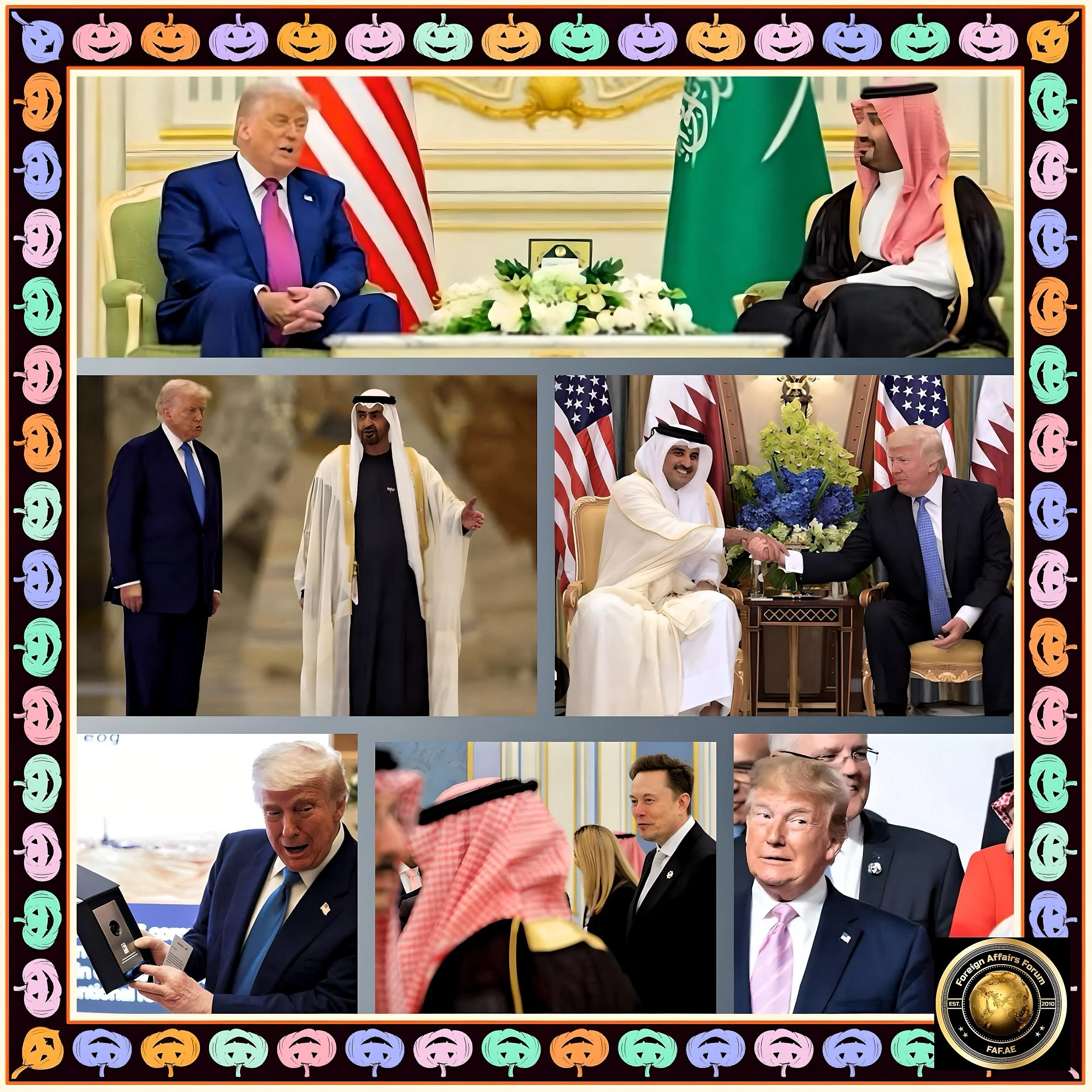
Trump was accompanied by Elon Musk, OpenAI CEO Sam Altman, BlackRock CEO Larry Fink, and Nvidia CEO Jensen Huang.
These executives engaged directly with Saudi officials who were interested in diversifying away from oil dependency by enhancing AI capabilities.
Conclusion
Trump’s Middle East tour represented a significant realignment of US regional priorities, emphasizing economic and business interests over traditional diplomatic relationships.
The Gulf states gained substantial defense agreements, technological access, and diplomatic validation, while Trump secured unprecedented investment commitments for the United States.
The conspicuous absence of Israel from the itinerary signals potential strategic shifts in US-Israeli relations under Trump’s second term. At the same time, the exclusion of less wealthy OPEC nations reinforces the transactional nature of Trump’s approach to international diplomacy.
Whether visiting additional countries would have yielded similar economic benefits seems unlikely, given the limited financial capacity of other regional nations to match the trillion-dollar commitments secured from Saudi Arabia, Qatar, and the UAE.