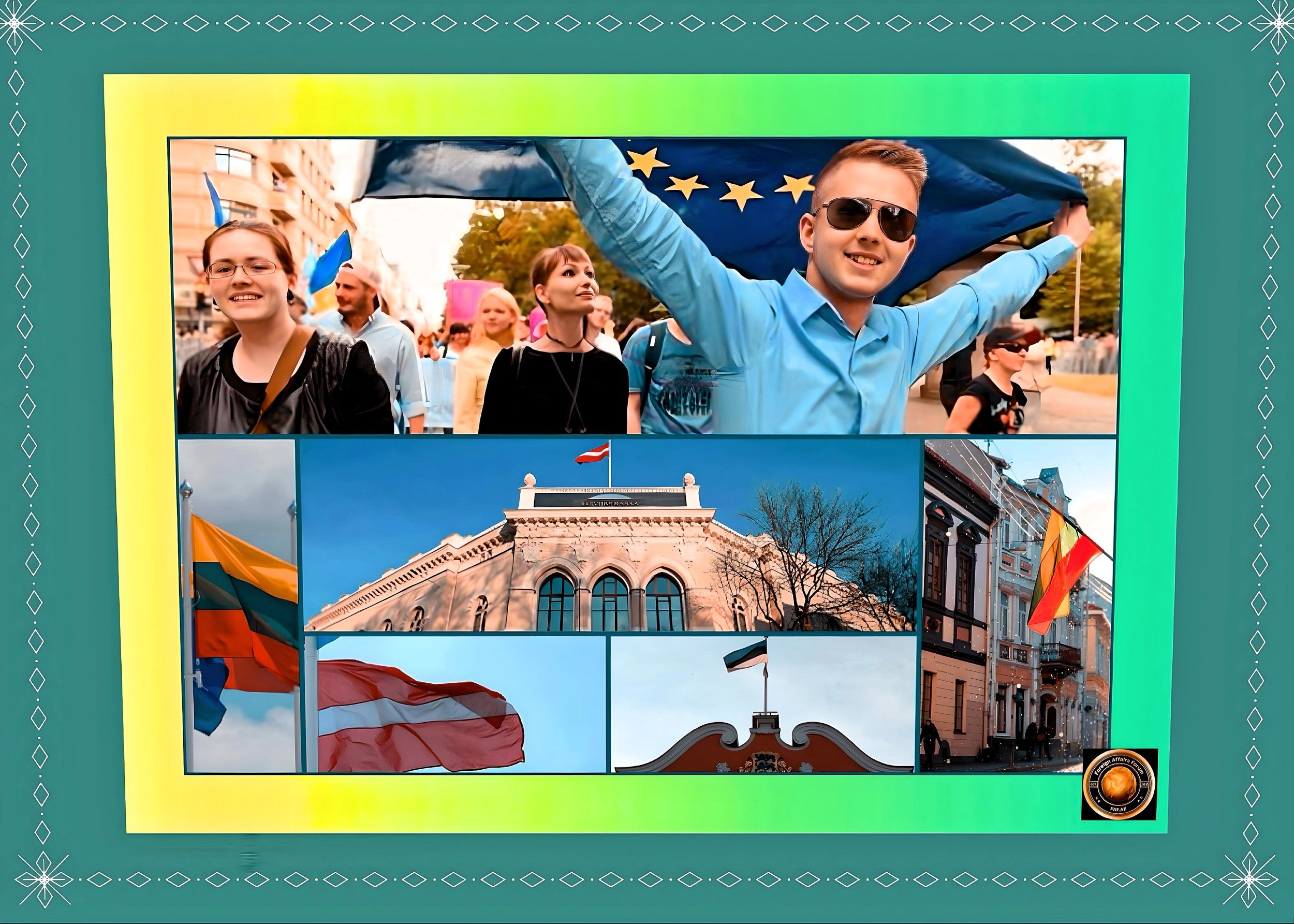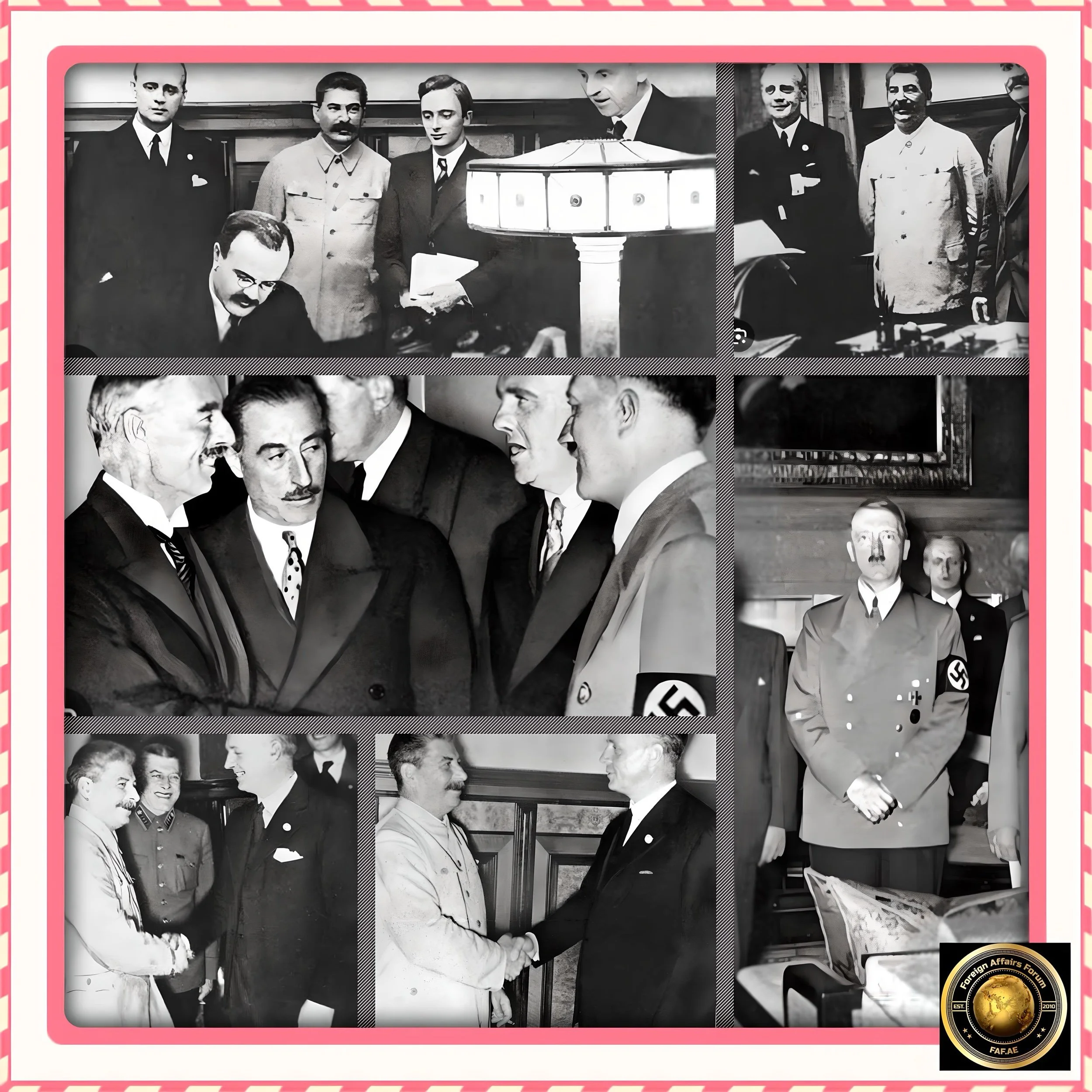
The Restoration of Baltic Independence: A Triumph of Peaceful Resistance and Strategic Diplomacy
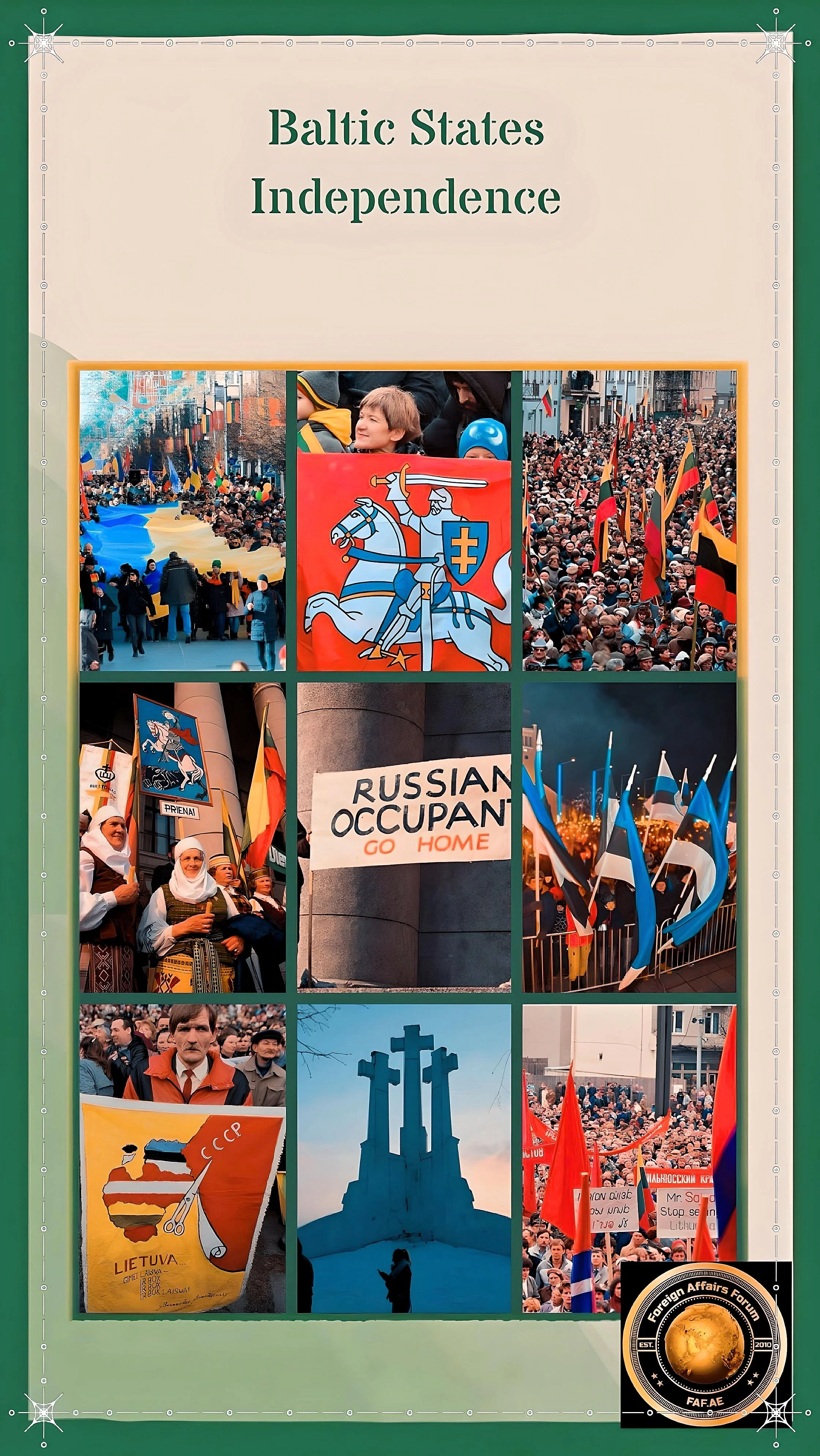
Introduction
The restoration of independence for Estonia, Latvia, and Lithuania after World War II represents one of the most remarkable examples of peaceful resistance in modern history.
Despite being forcibly annexed by the Soviet Union in 1940 under the Molotov-Ribbentrop Pact, the Baltic states maintained their legal state continuity under international law.
Their path to regained sovereignty in 1990–1991 was shaped by a combination of grassroots mobilization, strategic use of glasnost-era reforms, and international advocacy, culminating in the collapse of Soviet authority.
Legal Continuity and International Non-Recognition of Soviet Annexation
The Baltic states’ claim to independence rested on the principle of state continuity, which held that their sovereignty had never been legally extinguished despite decades of Soviet occupation.
Western nations, including the United States, consistently refused to recognize the 1940 annexation as legitimate, citing violations of international law and bilateral treaties.
This non-recognition policy, formalized in the 1940 Welles Declaration, provided a legal foundation for subsequent independence efforts.
The Soviet Union’s own admission in 1989 that the Molotov-Ribbentrop Pact’s secret protocols were invalid further undermined its claims to the region.
Glasnost and the Rise of National Movements
Mikhail Gorbachev’s policies of glasnost (openness) and perestroika (restructuring) in the mid-1980s created political space for dissent.
Environmental protests in Estonia (1986) and Latvia (1987) against Soviet industrialization plans evolved into broader calls for self-determination.
By 1988, reformist factions within the Communist Parties of each republic had aligned with grassroots movements:
Estonia
The Popular Front (Rahvarinne) emerged in April 1988, demanding greater autonomy.
Latvia
The Latvian Popular Front (Tautas Fronte) formed in October 1988, advocating for language rights and economic sovereignty.
Lithuania
The Reform Movement (Sąjūdis), established in June 1988, became the most radical in pushing for full independence.
These movements skillfully framed their demands within the Soviet legal framework, initially seeking autonomy rather than outright secession to avoid provoking a violent crackdown.
The Baltic Way: A Catalyst for Change
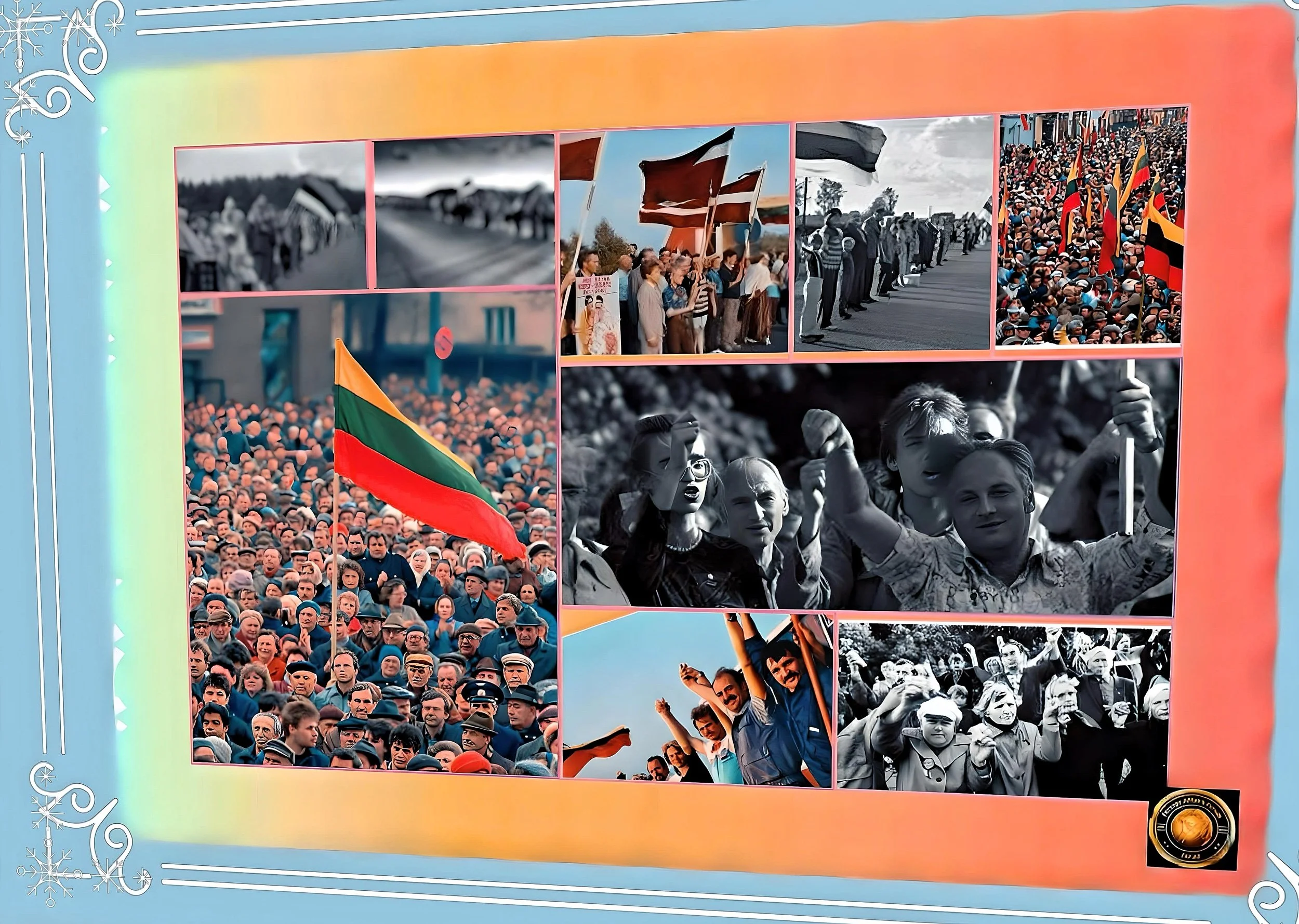
On August 23, 1989, the 50th anniversary of the Molotov-Ribbentrop Pact, approximately two million Balts joined hands in a 675-kilometer human chain stretching from Tallinn to Vilnius. This unprecedented demonstration, organized by the three national fronts, achieved several critical objectives:
Global Attention
Western media coverage shifted international discourse, exposing Soviet human rights abuses.
Moral Legitimacy
The protest’s peaceful nature contrasted sharply with Soviet repression, garnering sympathy from democratic governments.
Unity
The event solidified cooperation among Estonian, Latvian, and Lithuanian activists, demonstrating their shared commitment to independence.
Within months, the Berlin Wall fell (November 1989), and Lithuania became the first Soviet republic to declare independence on March 11, 1990.
Estonia and Latvia followed with phased declarations, asserting the restoration of pre-1940 statehood rather than creating new nations.
Soviet Resistance and the Role of International stakeholders
The USSR initially responded with economic blockades and military force. In January 1991, Soviet troops stormed Vilnius’ TV tower, killing 14 civilians. However, these actions backfired:
Western Condemnation
The U.S. and European governments intensified pressure, with Iceland becoming the first country to formally recognize Lithuanian independence in February 1991.
Diplomatic Maneuvering
Baltic leaders leveraged Gorbachev’s need for Western aid, tying economic assistance to human rights improvements.
Legal Arguments
Scholars and politicians emphasized that the Baltics were not seceding but reclaiming sovereignty, sidestepping Soviet constitutional hurdles.
The August Coup and Final Recognition
The failed hardline coup against Gorbachev in August 1991 proved decisive. As central Soviet authority crumbled:
Estonia and Latvia finalized independence declarations on August 20 and 21, respectively.
On September 6, 1991, the USSR State Council recognized Baltic independence, followed by UN admission on September 17.
Western nations, previously cautious, extended full diplomatic recognition within days.
Legacy and Implications
The Baltic independence movement achieved its goals without large-scale violence, a rarity in 20th-century decolonization. Key factors in its success included:
Strategic Non-Violence
The Singing Revolution’s emphasis on cultural identity and peaceful protests prevented Soviet justification for harsher repression.
International Law
Persistent emphasis on illegal annexation under the 1939 pact ensured global sympathy.
European Integration
Aspirations to join NATO and the EU provided a unifying goal that disciplined post-independence reforms.
Conclusion
Today, the Baltic states’ restoration of sovereignty stands as a testament to the power of civic unity and diplomatic perseverance in overcoming imperial domination.
Their experience continues to inspire movements for self-determination worldwide, proving that even small nations can reshape geopolitical realities through resolve and strategic action.