How do the Baltic states' histories differ from each other
Foreward
Divergent Paths: A Comparative History of Estonia, Latvia, and Lithuania
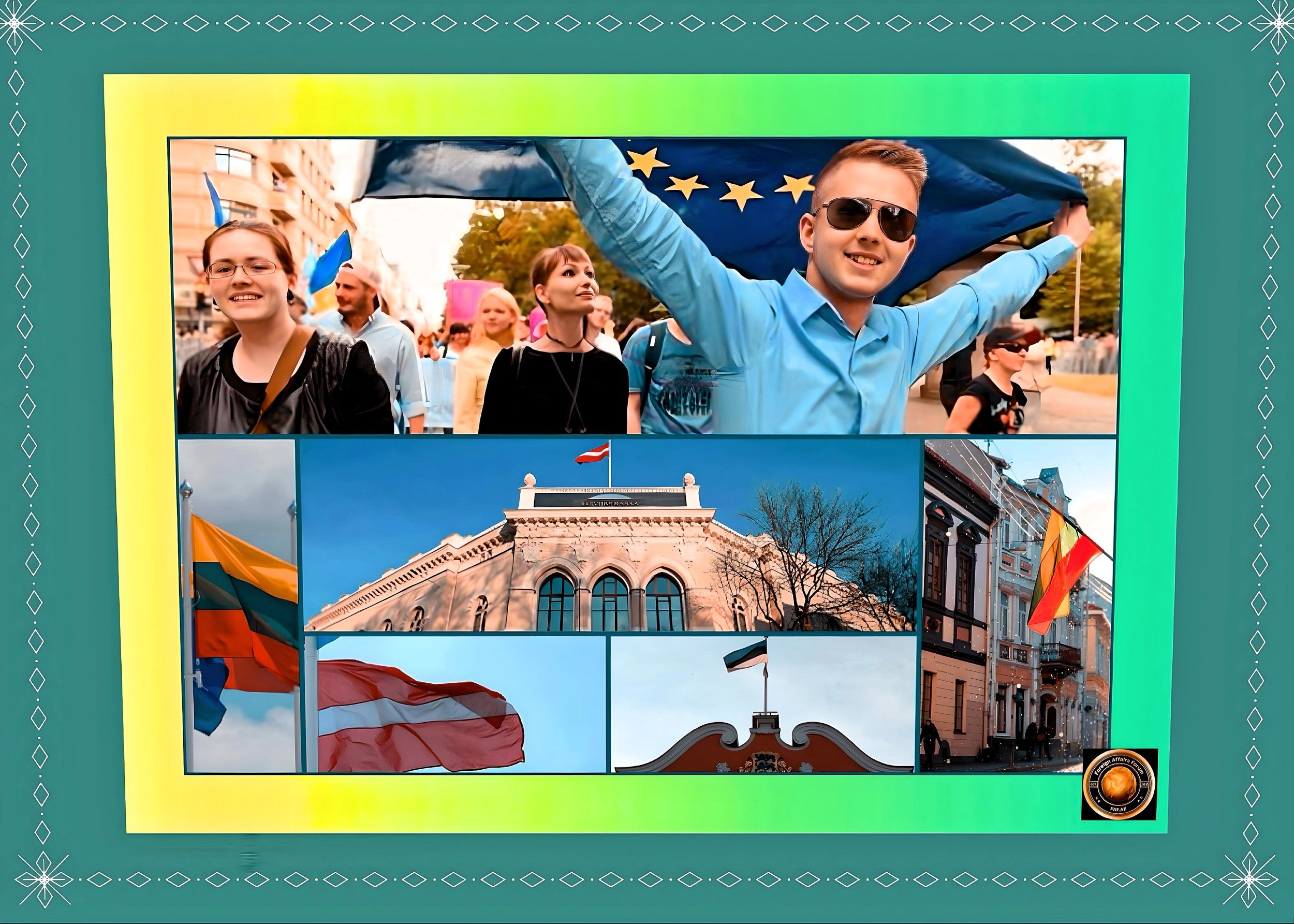
The Baltic states—Estonia, Latvia, and Lithuania—are often perceived as a cohesive bloc due to their shared experiences of Soviet occupation and post-independence integration into NATO and the EU.
However, their histories reveal profound cultural identity, political development, and geopolitical orientation differences.
These distinctions stem from variations in medieval conquests, religious influences, and interactions with neighboring powers, which shaped each nation’s trajectory through the centuries.
Early Foundations and Medieval Divergence
Lithuania: The Rise of a Regional Power
Lithuania’s early history diverged sharply from its northern neighbors.
By the 13th century, the Grand Duchy of Lithuania emerged as a formidable power, resisting Germanic crusaders and expanding eastward to encompass territories as far as modern-day Ukraine.
This expansion brought Lithuania close contact with Slavic cultures, culminating in the 1386 Union of Krewo with Poland.
The resulting Polish-Lithuanian Commonwealth (1569–1795) entrenched Catholicism and introduced a feudal system dominated by a Polish-speaking nobility, leaving Lithuanian peasants culturally isolated but politically united under a shared statehood.
Estonia and Latvia: Germanic Domination and Serfdom
In contrast, Estonia and Latvia faced centuries of subjugation under the Livonian Order, a branch of the Teutonic Knights.
By the 13th century, these regions were incorporated into a crusader state that enforced serfdom and suppressed local autonomy.
The Baltic German aristocracy, which ruled until the 19th century, imposed Lutheranism in Estonia and most of Latvia (except Catholic Latgale), creating a rigid social hierarchy.
Estonian and Latvian peasants remained largely illiterate until the 18th century when the Pietist movements promoted vernacular education, which catalyzed later nationalist movements.
Religious and Cultural Identity
Lithuania: Catholic Stronghold
Lithuania’s adoption of Catholicism in 1387, driven by its union with Poland, solidified its cultural ties to Central Europe.
The Counter-Reformation further entrenched Catholic identity, with Vilnius becoming a Baroque cultural hub and home to one of Europe’s oldest universities (1579).
Even under Russian rule (1795–1918), Lithuania retained a distinct Catholic identity, which later fueled resistance to Soviet atheism.
Estonia and Latvia: Lutheran Influences and Folk Traditions
Estonia and Latvia, under Lutheran influence, developed a more egalitarian religious culture. By the 19th century, literacy rates exceeded 90% in Estonia and 80% in Latvia, fostering a robust tradition of folk poetry and nationalist literature.
These regions also retained stronger pagan traditions; Estonian peasants left offerings for household spirits well into the 1800s, while Latvians celebrated Jāņi, a midsummer festival with pre-Christian roots.
Interwar Independence and Political Experimentation
Lithuania: Authoritarianism and Territorial Disputes
Lithuania’s interwar period (1918–1940) was marked by instability. After losing Vilnius to Poland in 1920, the government relocated to Kaunas and gradually shifted toward authoritarianism.
A 1926 coup led by Antanas Smetona established a nationalist regime that emphasized Catholic values and suppressed leftist movements. Land reforms redistributed estates to peasants but proceeded slowly, leaving rural discontent unresolved.
Estonia and Latvia: Fragile Democracies
Estonia and Latvia adopted parliamentary systems but struggled with political fragmentation. In Latvia, 23 parties contested the 1922 election, leading to frequent coalition collapses.
Both countries implemented radical land reforms: Estonia confiscated Baltic German estates without compensation by 1920, while Latvia redistributed 61% of its agricultural land to peasants.
However, economic challenges and rising far-right movements led to authoritarian turns—Estonia under Konstantin Päts (1934) and Latvia under Kārlis Ulmanis (1934)—though both retained limited political pluralism compared to Lithuania.
Soviet Occupation and Resistance
Lithuania: Armed Resistance and Cultural Autonomy
During the Soviet occupation (1940–1941; 1944–1991), Lithuania mounted the most sustained armed resistance. The Forest Brothers guerrillas, numbering 30,000 at their peak, waged a decade-long insurgency against Soviet forces.
Post-Stalin, Lithuania benefited from a less Russified bureaucracy; its Communist Party leadership included Lithuanian speakers who tolerated cultural expression, enabling a stronger dissident movement rooted in Catholic networks.
Estonia and Latvia: Demographic Shifts and Nonviolent Resistance
Estonia and Latvia faced intense Soviet Russification. By 1989, ethnic Russians comprised 30% of Estonia’s and 34% of Latvia’s population, compared to just 9% in Lithuania.
This demographic change influenced resistance strategies: Estonian and Latvian dissidents emphasized legalistic protests, such as the 1987 Hirvepark meetings demanding the publication of the Molotov-Ribbentrop Pact.
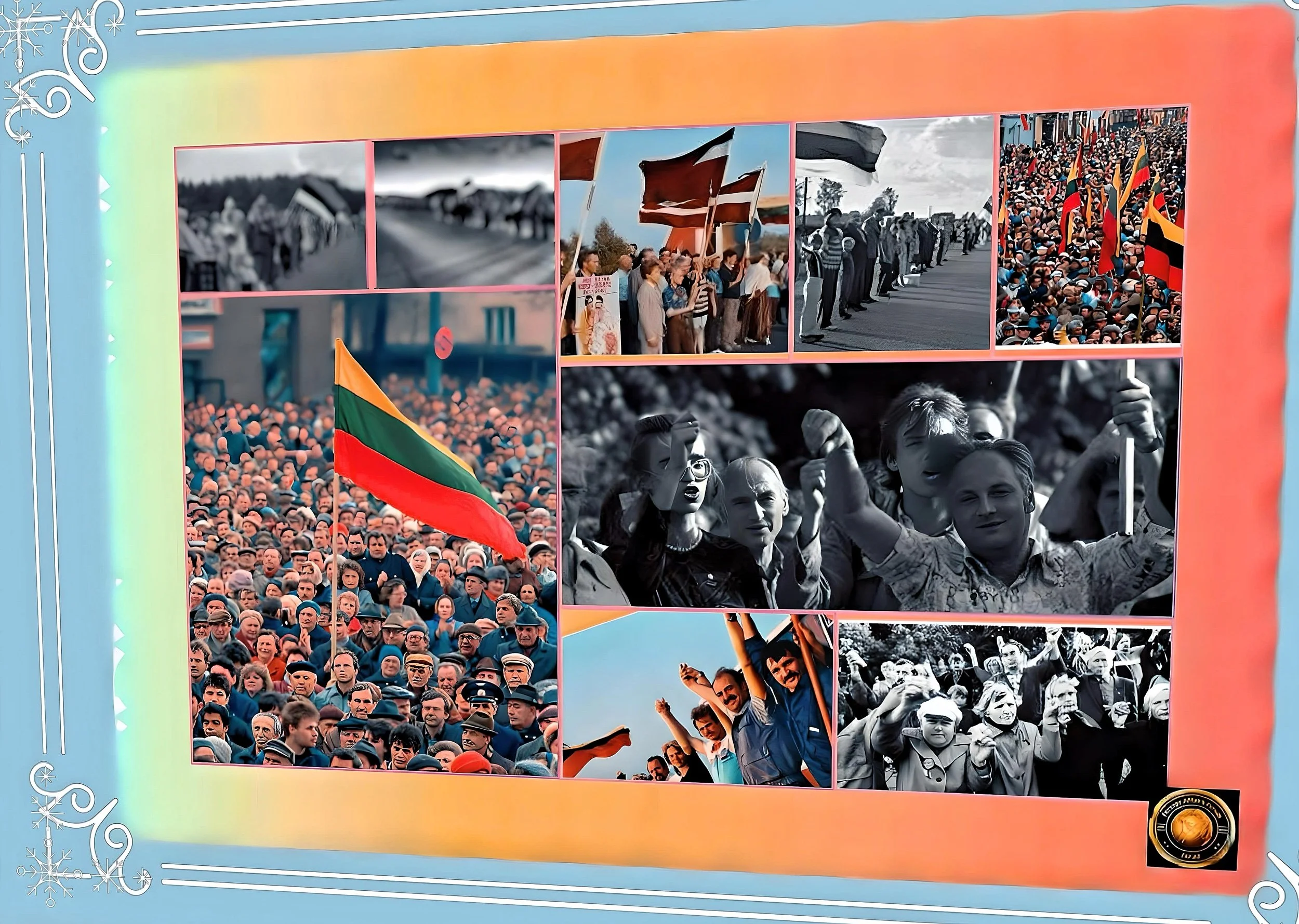
The 1989 Baltic Way human chain, which linked all three capitals, showcased solidarity but masked underlying disparities in grassroots mobilization.
Post-Independence Trajectories
Estonia: Nordic Integration and Digital Innovation
Post-1991, Estonia leaned toward Nordic partners, adopting a flat tax (1994) and pioneering e-governance. Its proximity to Finland facilitated economic integration, with Finnish investment comprising 24% of foreign capital by 2004.
Rapid market reforms caused initial hardship but enabled Estonia to become a tech leader, exemplified by Skype’s development in Tallinn.
Latvia: Economic Struggles and Minority Integration
Latvia’s transition was rockier. The 2008 financial crisis triggered a 24% GDP contraction, the worst in the EU.
Lingering tensions with its sizeable Russian minority (24% in 2025) complicated EU-oriented policies, though membership in NATO and the eurozone (2014) stabilized its geopolitical footing.
Lithuania: Balancing East and West
Lithuania, less burdened by Russian minorities, focused on energy independence. It became the first ex-Soviet state to disconnect from Russia’s electricity grid (2025) and actively supported Ukraine post-2014, positioning itself as a regional leader. However, emigration—8.5% of its population left between 2004 and 2025—remains challenging.
Conclusion
Unity in Diversity
While the Baltic states share a standard narrative of resistance to imperialism, their histories reflect distinct cultural foundations and strategic choices.
Lithuania’s Catholic, Polish-influenced past contrasts with Estonia’s Nordic ties and Latvia’s blend of Lutheran and Russian influences.
These differences continue to shape their approaches to security, economic policy, and national identity, proving that even closely aligned nations chart unique courses through history.