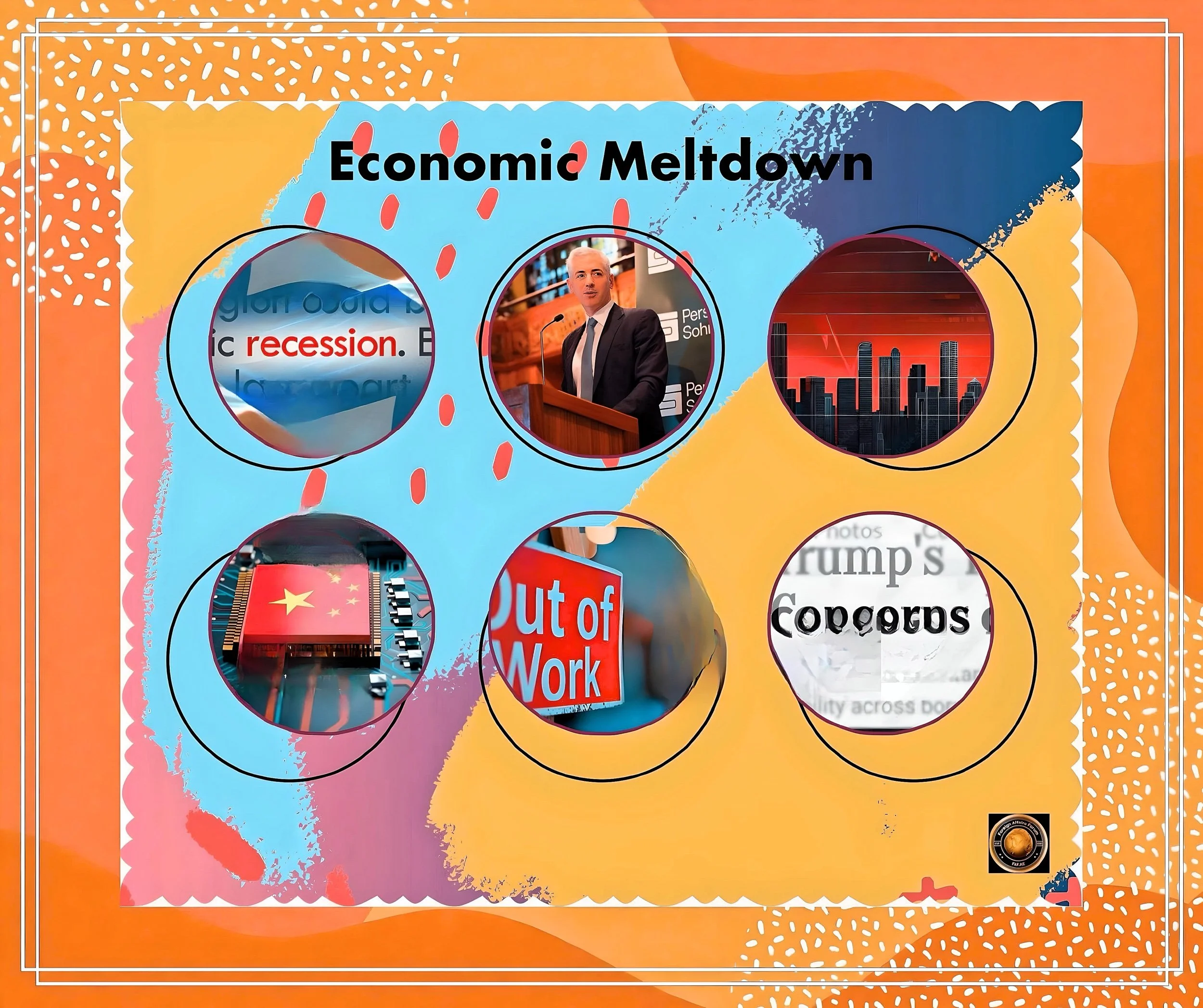
Bill Ackman’s Warning of Economic Nuclear Winter- Came as good news. Perhaps someone took it seriously ‼️
Introduction
Bill Ackman, the billionaire hedge fund manager, and Trump supporter has issued an urgent warning about President Trump’s sweeping tariff policies, describing them as potentially triggering an “economic nuclear winter.”
Despite his support for Trump, Ackman has expressed grave concerns about the economic ramifications of the administration’s approach to global trade. He calls for immediate reconsideration of policies that he believes could severely damage the U.S. economy and international trade relationships.
Ackman’s Economic Warning
On April 6-7, 2025, Bill Ackman took to X (formerly Twitter) to voice his concerns about the potential economic fallout from President Trump’s tariff policies.
In a series of posts, Ackman warned that the United States could be heading toward a “self-induced, economic nuclear winter” if the current approach to tariffs continues without modification.
The hedge fund manager expressed that while he supports President Trump, he feels compelled to speak about what he perceives as a dangerous economic policy direction.
His stark warning emphasizes the urgency of reconsidering the tariff implementation before potentially irreversible damage occurs to the American economy and its global standing.
Ackman highlighted that “business is a confidence game” and predicted that in the current climate of uncertainty, CEOs and corporate boards would be hesitant to make significant investments in what he termed an “economic nuclear war.”
This withdrawal of business investment could have cascading effects throughout the economy, potentially leading to job losses, reduced consumer spending, and broader economic contraction.
The timing of Ackman’s warning coincides with the initial implementation of tariffs that began taking effect on April 6, with additional measures set to activate on April 9, 2025, underscoring the immediacy of his concerns.
The Investor’s Perspective
As the founder and CEO of Pershing Square Capital Management, Ackman brings a significant investment perspective to his economic warnings. His position as a major investor gives weight to his concerns about market confidence and financial stability.
Ackman’s warning stands out because it comes from someone who has otherwise supported the Trump administration, suggesting that his economic concerns transcend political allegiance.
This perspective offers insight into how the investment community may view current trade policies and their potential market implications.
Ackman’s warning addresses explicitly the practical implications for business planning and investment decisions in an environment of trade uncertainty.
He suggests that rational business leaders would naturally delay or cancel significant investments when faced with unpredictable trade costs and potential market disruptions.
This hesitation in business investment could quickly translate to broader economic impacts, including slowed growth, reduced hiring, and potential market downturns, effects that would extend far beyond the direct impacts of the tariffs themselves.
Trump’s Tariff Policy Details
President Trump’s new tariff policies, implemented in April 2025, represent a broad and aggressive approach to addressing perceived trade imbalances.
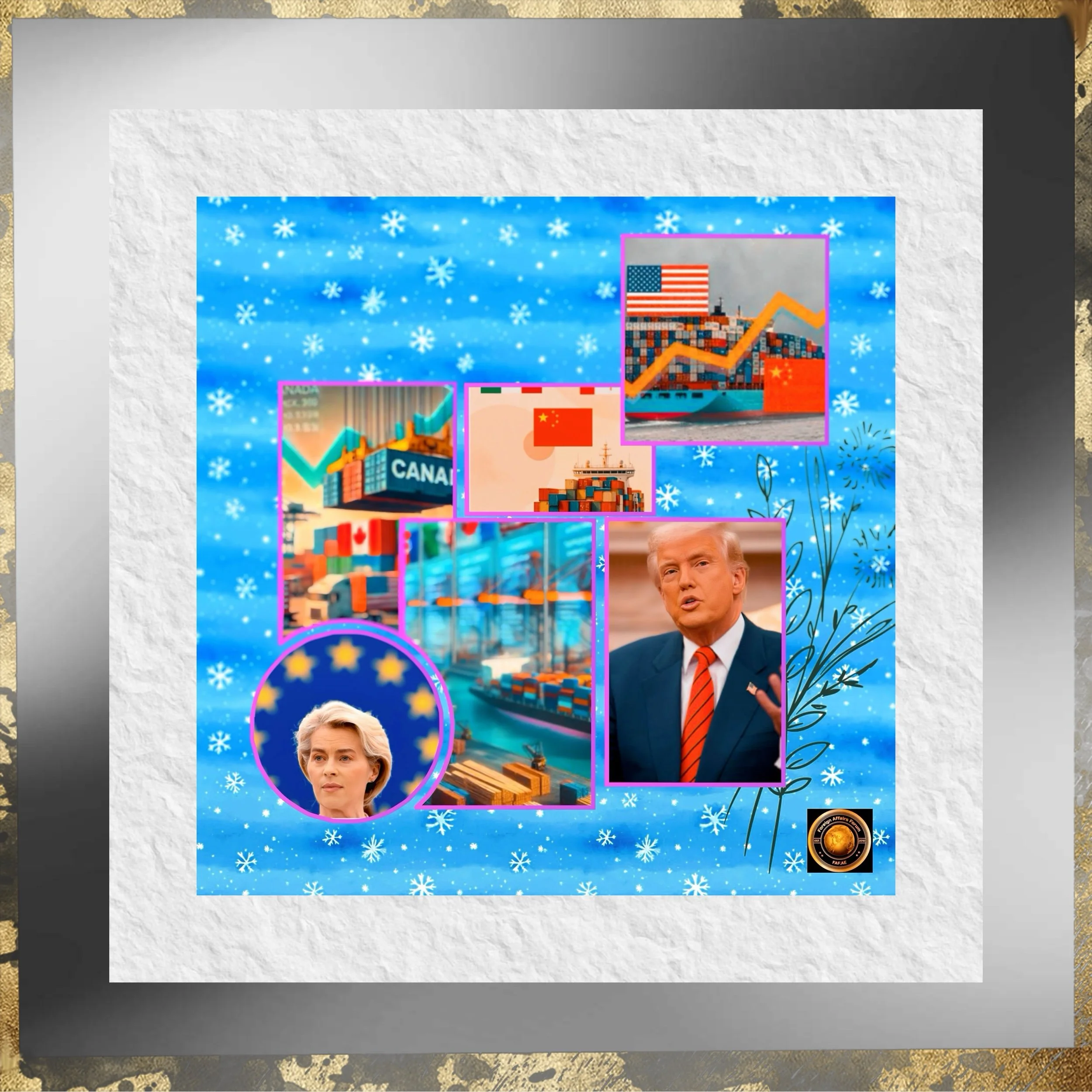
The policies impose a 10% base rate on imports from more than 180 countries, with China facing significantly higher duties at 54%.
Ackman has characterized this sweeping approach as “placing massive and disproportionate tariffs on our friends and our enemies alike,” effectively “launching a global economic war against the whole world at once.”
The comprehensive nature of these tariffs distinguishes them from more targeted approaches used in previous administrations, raising concerns about their widespread economic impact.
The tariff structure includes escalating rates for different trading partners, with some of America’s closest allies also facing substantial import duties.
This broad-based approach has raised concerns about diplomatic and economic consequences, potentially straining relationships with traditional partners while confronting strategic competitors.
The implementation timeline, with some tariffs already in effect and others set to activate within days, has created a sense of urgency among economic analysts and business leaders concerned about the rapid pace of change in trade policy.
Economic Justification and Criticism
The Trump administration has justified these tariff policies as necessary to protect American industries, reduce trade deficits, and address unfair trading practices by global competitors. Proponents argue that these measures will help revitalize domestic manufacturing and create jobs by reducing reliance on imports.
However, critics, including Ackman, have pointed out that such widespread tariffs may ultimately harm American consumers and businesses by increasing costs across supply chains and potentially triggering retaliatory measures from affected countries.
Ackman acknowledges the legitimacy of concerns about unfair trade practices but questions the strategy of simultaneously imposing broad tariffs on the world.
He argues that this approach fails to distinguish between allies who engage in fair trade practices and competitors who may not, potentially alienating critical economic partners.
Numerous economists have questioned the economic rationale behind targeting such a wide range of countries simultaneously, warning that the costs to American consumers and businesses may outweigh any potential benefits to protected industries.
Global Economic Implications
Implementing such widespread tariffs raises significant concerns about potential global economic disruption. Ackman warns that these measures could damage the United States’ reputation with the rest of the world, potentially leading to a loss of confidence in the country as a reliable trading partner and investment destination.
This loss of trust could have far-reaching consequences, affecting international trade relationships and foreign direct investment in the U.S. economy. The global nature of supply chains means that trade disruptions can quickly cascade throughout the international economic system.
International financial markets have shown signs of volatility in response to the tariff announcements, with investors concerned about potential impacts on global growth and corporate profitability.
The prospect of retaliatory measures from affected countries further complicates the economic outlook, raising the possibility of an escalating trade conflict that could dampen global economic activity. Economists have noted that trade restrictions rarely remain isolated in an interconnected global economy and often trigger counteractions that can amplify adverse financial effects.
Supply Chain Disruptions
One of the most immediate concerns economists raise regarding the tariff policies is their potential to severely disrupt global supply chains that American businesses have developed over decades.
Modern manufacturing and retail operations often rely on complex international networks of suppliers and partners, with components and materials crossing borders multiple times before reaching end consumers. Sudden changes in tariff rates can disrupt these finely tuned systems, potentially leading to production delays, increased costs, and logistical challenges.
For many American companies, quickly finding domestic alternatives to international suppliers may prove difficult or impossible in the short term.
This reality means that many businesses may have to absorb higher costs or pass them on to consumers, potentially reducing competitiveness or consumer demand. The complexity of global supply chains also means that the full impact of tariff changes may take time to manifest, creating prolonged uncertainty for businesses trying to adapt to the new trade environment.
Ackman’s Call for Reconsideration
In light of these concerns, Ackman has called for a 90-day timeout on the tariff measures to allow for further assessment and potential adjustment of the policies.
This proposed pause would allow “cooler heads” to prevail and for policymakers to evaluate the potential economic consequences more thoroughly before fully implementing them. Ackman’s suggestion reflects a belief that swift action to reconsider the scope and implementation of the tariff policies can still avert the worst economic consequences.
Ackman’s call for reconsideration emphasizes that his concerns are not about the legitimacy of addressing unfair trade practices but rather about the method and scope of the current approach.
He suggests a more targeted strategy focusing on specific trade issues and countries engaged in unfair practices would be more effective than the current broad-based approach. This nuanced position acknowledges trade challenges while advocating for a more measured response to minimize collateral economic damage.
Alternative Approaches Suggested
While warning about the current policy direction, Ackman has also alluded to alternative approaches to address legitimate trade concerns without triggering such severe economic disruption.
He suggests a more collaborative approach to working with allies to address specific unfair practices would be more effective than imposing blanket tariffs on friendly nations alongside strategic competitors. This approach would maintain meaningful trade relationships while addressing particular areas of concern regarding unfair practices.
Ackman also emphasizes the importance of predictability and stability in trade policy to maintain business confidence.
He suggests that a more gradual, telegraphed approach to trade reform would allow businesses time to adapt their supply chains and investment strategies, reducing the shock to the economic system. This measured approach would still work toward addressing trade imbalances but would do so in a way that minimizes disruption to American businesses and consumers.
Market and Business Reactions
The financial markets have already begun responding to tariff announcements and warnings from prominent investors like Ackman.
Market volatility has increased as investors attempt to assess the potential impacts on various sectors and companies. Industries with significant exposure to international trade or complex global supply chains have seen pressure as investors weigh the likely costs of adapting to the new tariff environment. This market reaction reflects the broader economic uncertainty the sweeping policy changes created.
Business leaders across various sectors have expressed concerns similar to Ackman’s, particularly regarding the challenges of rapid adaptation to new trade costs.
Many companies have indicated reviewing investment plans and considering delays to significant capital expenditures until the trade situation becomes more apparent. This hesitation in business investment could have broader economic implications, potentially slowing growth and job creation even before the full impact of the tariffs themselves is felt.
Corporate Planning Challenges
The sudden implementation of broad tariffs creates significant planning challenges for American businesses with international operations or supply chains. Corporate decision-makers face difficult choices about whether to absorb higher costs, pass them on to consumers, or invest in restructuring supply chains—all options with significant business risks.
This uncertainty complicates strategic planning and may lead to conservative approaches prioritizing risk management overgrowth and expansion.
For publicly traded companies, this uncertainty also challenges providing guidance to investors and meeting earnings expectations. Companies may need to revise financial projections for higher input costs or reduced demand from price increases.
These adjustments could contribute to market volatility and potentially impact stock valuations across affected sectors, creating additional economic headwinds beyond the direct impact of the tariffs.
Economic Expert Assessments
Economic experts and analysts have offered varied assessments of the potential impact of the tariff policies, with many expressing concerns aligned with Ackman’s warning. Several prominent economists have noted that broad-based tariffs typically result in higher consumer prices, reduced purchasing power, and potential job losses in sectors dependent on imported materials or components.
These experts point to historical examples where protective tariffs ultimately created more economic harm than benefit, mainly when they triggered retaliatory measures from trading partners.
International economic organizations have also weighed in on the potential global impact of the U.S. tariff policies.
Many have warned about the risk of slower global growth if trade tensions escalate and called for dialogue to prevent a cycle of retaliatory measures that could damage the international trading system. These assessments provide essential context for understanding the broader implications of the policies that have prompted Ackman’s warning.
Historical Context of Trade Wars
Economic historians have drawn parallels between the current situation and previous periods of trade tension, noting that trade conflicts often escalate beyond initial expectations and can be difficult to resolve once retaliatory cycles begin.
The most frequently cited example is the Smoot-Hawley Tariff Act of 1930, which raised U.S. tariffs on over 20,000 imported goods and is widely believed to have deepened and prolonged the Great Depression. While current circumstances differ in many ways, the historical precedent provides a cautionary tale about the potential unintended consequences of broad protectionist measures.
Modern economic analysis suggests that in today’s highly integrated global economy, the impacts of trade disruption can spread more quickly and extensively than in previous eras. Global supply chains, international financial markets, and multinational corporate structures create channels through which trade shocks can propagate throughout the economic system.
This interconnectedness amplifies the direct and indirect effects of significant trade policy changes, potentially leading to the economic crisis that Ackman’s “nuclear winter” metaphor evokes.
Conclusion
Bill Ackman’s warning about a potential “economic nuclear winter” resulting from President Trump’s sweeping tariff policies highlights significant concerns about the economic direction of the United States.
As a prominent investor and Trump supporter, Ackman’s alarm carries particular weight, suggesting that economic concerns about the tariff approach transcend political allegiances. His call for a 90-day timeout on tariff implementation reflects the situation's urgency and the belief that there is still an opportunity to reconsider the approach before severe economic damage occurs.
The comprehensive nature of the tariff policies—affecting more than 180 countries with varying rates—creates unprecedented uncertainty for businesses and markets.
Ackman’s warning emphasizes that beyond the direct costs of the tariffs themselves, the broader impact on business confidence and investment could trigger far-reaching economic consequences.
As the situation develops, policymakers face critical decisions about whether to proceed with the current approach or consider adjustments that might address trade concerns while minimizing economic disruption.
The coming weeks may prove crucial in determining whether Ackman’s dire warning proves prophetic or adjustments to the trading strategy can avert the economic crisis he foresees.
The good news is President Trump has paused the tariffs for 90 days for all countries except China. FAF has been predicting the same.
Only question remains ‘ Will Trump put Marshal law in US.’