Is Trump Preparing the Stage for Martial Law? An Analysis of Current Evidence
Introduction
As of early April 2025, concerns have emerged that President Donald Trump may lay the groundwork for invoking martial law. This analysis examines the factual evidence, pending decisions, and historical context to assess what is currently known about these concerns.
Executive Actions and Border Emergency Declarations
Since taking office in January 2025, President Trump has signed numerous executive orders focused on immigration enforcement and border security.
On January 20, 2025, Trump declared a national emergency at the southern border, citing “threats, including cartels, criminal gangs, known terrorists, human traffickers, smugglers and unvetted military-age males from adversarial countries.”
This emergency declaration requires the Department of Defense to determine necessary troop deployments to support Homeland Security operations at the border.
A separate executive order titled “Clarifying the Military’s Role in Protecting the Territorial Integrity of the United States” outlines actions for the Secretary of Defense and Armed Forces to “protect the sovereignty and territorial integrity of the U.S. along its national borders.”
These orders establish legal frameworks that could expand the military’s domestic role beyond traditional limitations.
Trump has repeatedly framed immigration as an “invasion,” language that parallels the statutory requirements for invoking the Insurrection Act.
According to one analysis, “In just seven days, Trump has initiated the opening stages of a strategy that he and fascist aides like Stephen Miller and Tom Homan have been preparing for years.”
The Pending Insurrection Act Decision
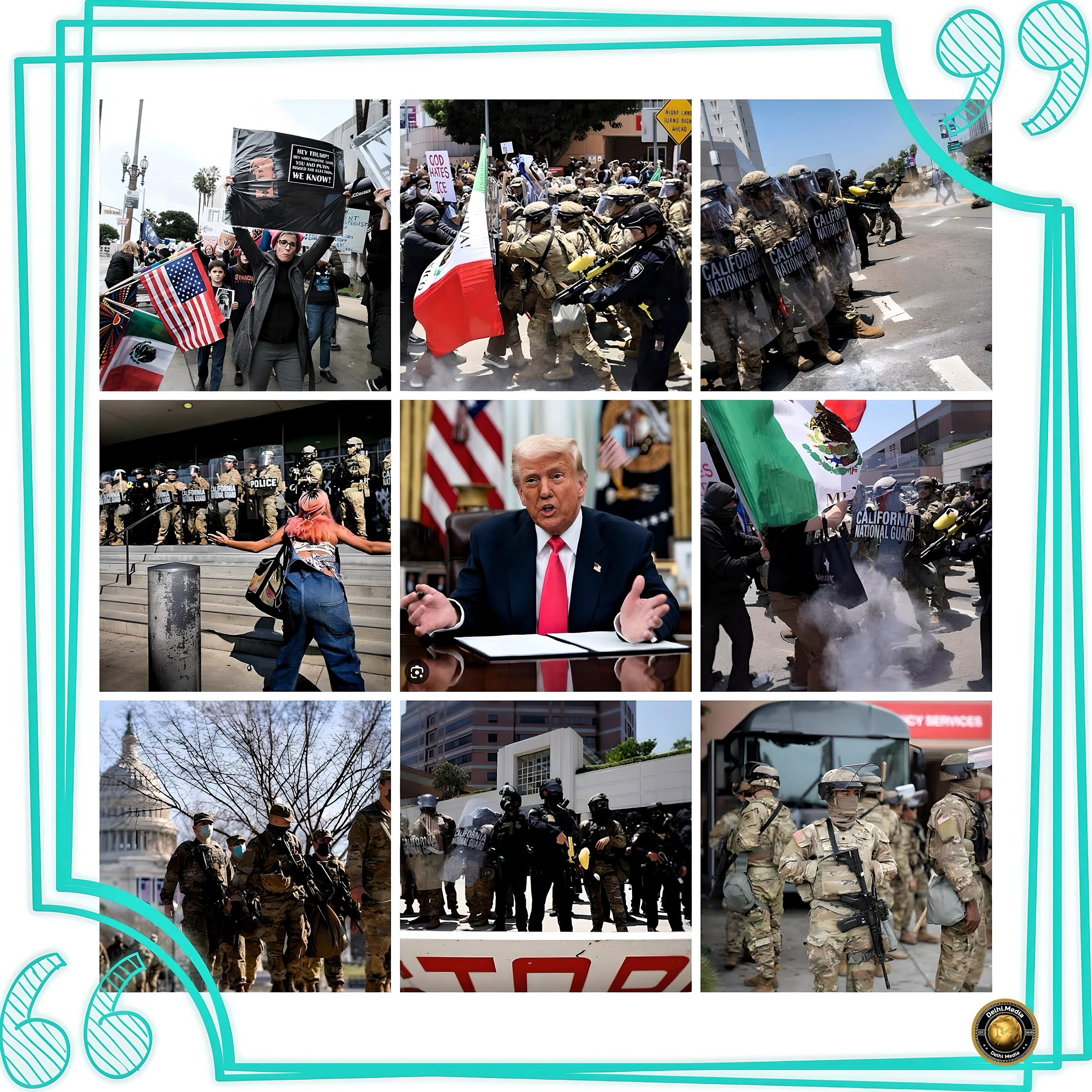
Perhaps most significant is a pending recommendation on the Insurrection Act. A joint Department of Defense and Homeland Security report, mandated within 90 days of Trump’s initial executive orders, will soon recommend “whether to invoke the Insurrection Act” regarding illegal migration. This report is due by April 20, 2025.
The Insurrection Act of 1807 would allow the president to deploy U.S. military and federalized National Guard troops within the country.
While the act has been used by previous presidents, including Lincoln during the Civil War and Bush during the L.A. riots, legal experts note it presents “a door wide open for abuse.”
Military Leadership Changes and Personnel Shifts
Trump has made significant changes to military leadership, which some observers view as removing potential obstacles to controversial deployments. Critics have described these changes as the “Friday Night Massacre” at the Pentagon.
The administration fired four-star General Charles Q. Brown Jr. as chairman of the Joint Chiefs of Staff and other Navy and Air Force leaders, including their chief legal advisors.
According to the San Francisco Chronicle, the only thing that stopped Trump from ordering military action against protesters in his first term “was the refusal by his then-defense secretary and top general to carry out his order.”
The article notes that “the venture capitalist slated to be our next top general is a Conservative Political Action Conference darling.”
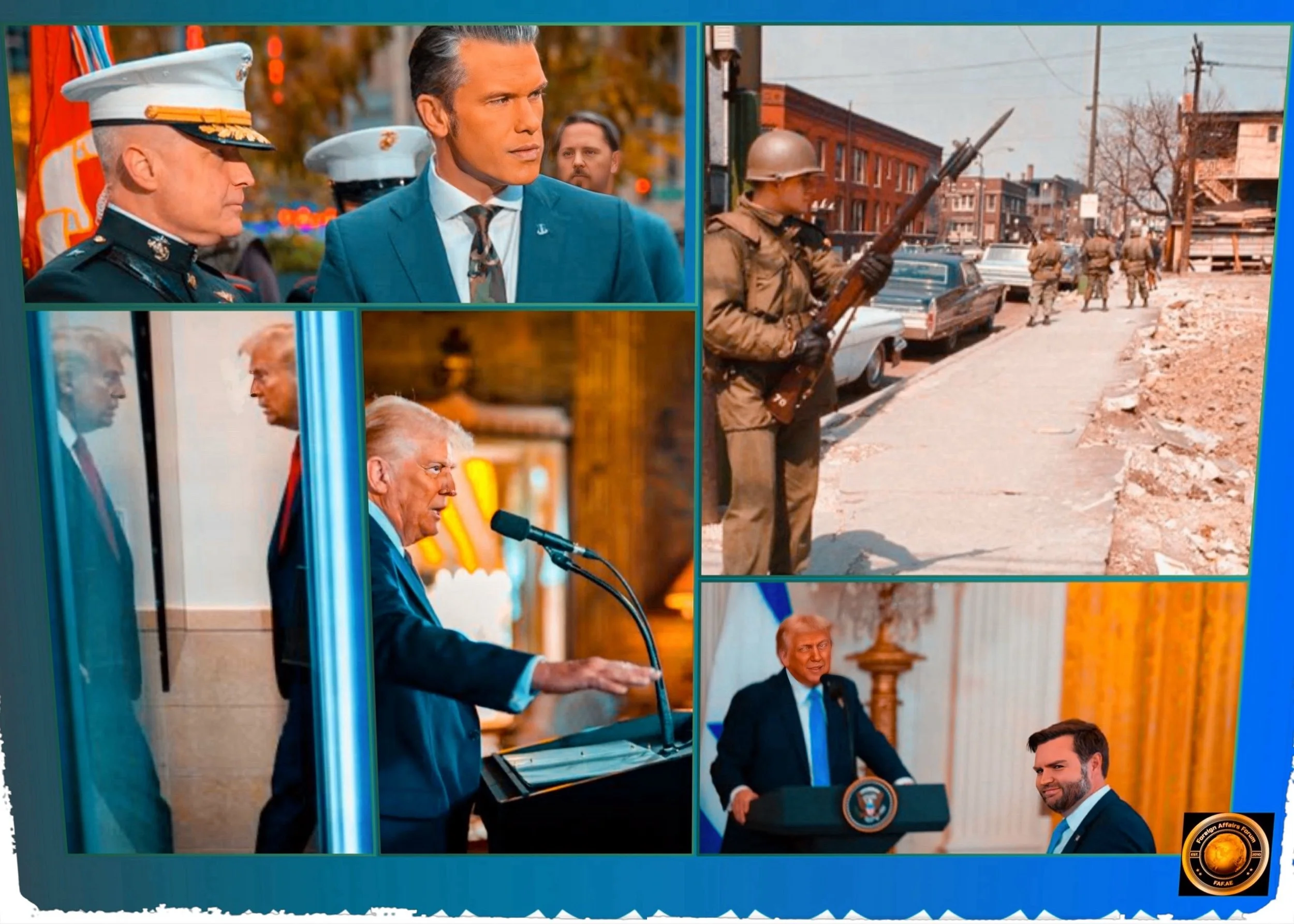
Furthermore, Secretary of Defense Pete Hegseth explicitly stated that military leadership changes were taken to prevent them from blocking “orders that a commander in chief gives.”
This provides context for why these personnel changes might be relevant to concerns about martial law.
Project 2025 and Expanded Presidential Powers
The policy blueprint“Project 2025” contains provisions for expanding presidential powers and using the military domestically. According to Wikipedia, Project 2025 recommends “deploying the U.S. Armed Forces for domestic law enforcement.”
Stephen Miller, a key Trump advisor, “proposed immediately mobilizing the military at the start of the second Trump administration for domestic law and immigration enforcement under the Insurrection Act of 1807”.
Miller has described mass deportation operations that would “go around the country arresting illegal immigrants in large-scale raids” who would then be taken to “large-scale staging grounds near the border, most likely in Texas.”
The scale of such operations would potentially require military involvement beyond traditional law enforcement capabilities.
Historical Context and Precedents
Martial law has been declared in the United States, though rarely at the federal level. The most recent federal declaration was in Hawaii following the Pearl Harbor attack in 1941. More recently, Maryland instituted martial law in 1963 during civil unrest in the Civil Rights Movement.
It’s worth noting that during Trump’s first term, there was a contentious Oval Office meeting where martial law was discussed. According to CNN, Michael Flynn “had suggested that Trump could invoke martial law as part of his efforts to overturn the election.” While others in the meeting “forcefully pushed back and shot it down,” the idea was seriously discussed.
Expert Analysis and Concerns
Legal experts and civil liberties organizations have expressed concerns about the potential for executive overreach.
The Brennan Center for Justice conducted tabletop exercises simulating Trump invoking the Insurrection Act, which revealed that military leaders might initially resist direct civilian interaction but could be pressured or replaced if they refused orders.
According to Waging Nonviolence, “If Trump’s regime were stacked with brilliant (but ruthless) tacticians, use of the Insurrection Act would be merely a prelude to a greater restriction of freedoms beyond the border, culminating in the use of the military against protesters in blue-state cities.”
The article suggests that Trump may be waiting to ensure his people are correctly in place before making such moves.
Michael Bromwich, a former Justice Department inspector general, stated that plans to use the DOJ and FBI as “instruments of his revenge should send shivers down the spine of anyone who cares about the rule of law.”
Conclusion
What We Know and What Remains Unclear
Based on the available evidence, President Trump has taken concrete steps that could facilitate martial law or similar emergency powers if he chooses to invoke them.
These include declaring a national emergency, restructuring military leadership, ordering a report on the Insurrection Act, and appointing officials who have previously advocated for martial law.
However, whether Trump will invoke the Insurrection Act or declare martial law remains unclear.
The pending report due April 20 will likely provide more clarity on the administration’s intentions. What is clear is that the legal and personnel infrastructure being established would make such actions more feasible than they were during Trump’s first term.
One analysis states, “Trump must not be allowed to invoke the Insurrection Act. If he does, the next step will be to declare martial law.”
Understanding these developments and their potential implications remains critical for citizens concerned about constitutional governance and civil liberties.