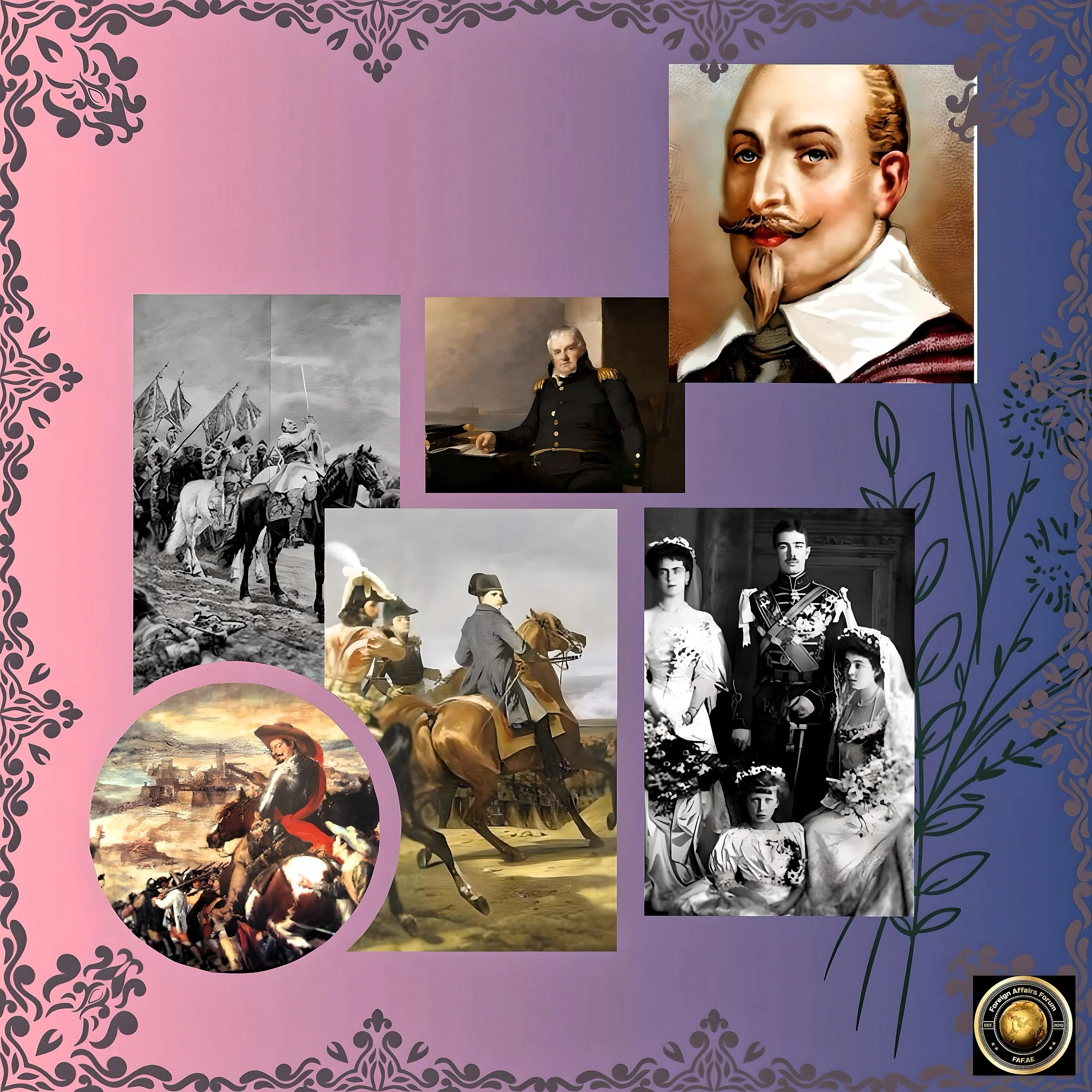
Gustavus Adolphus: The Father of Modern Warfare Strategy
Introduction
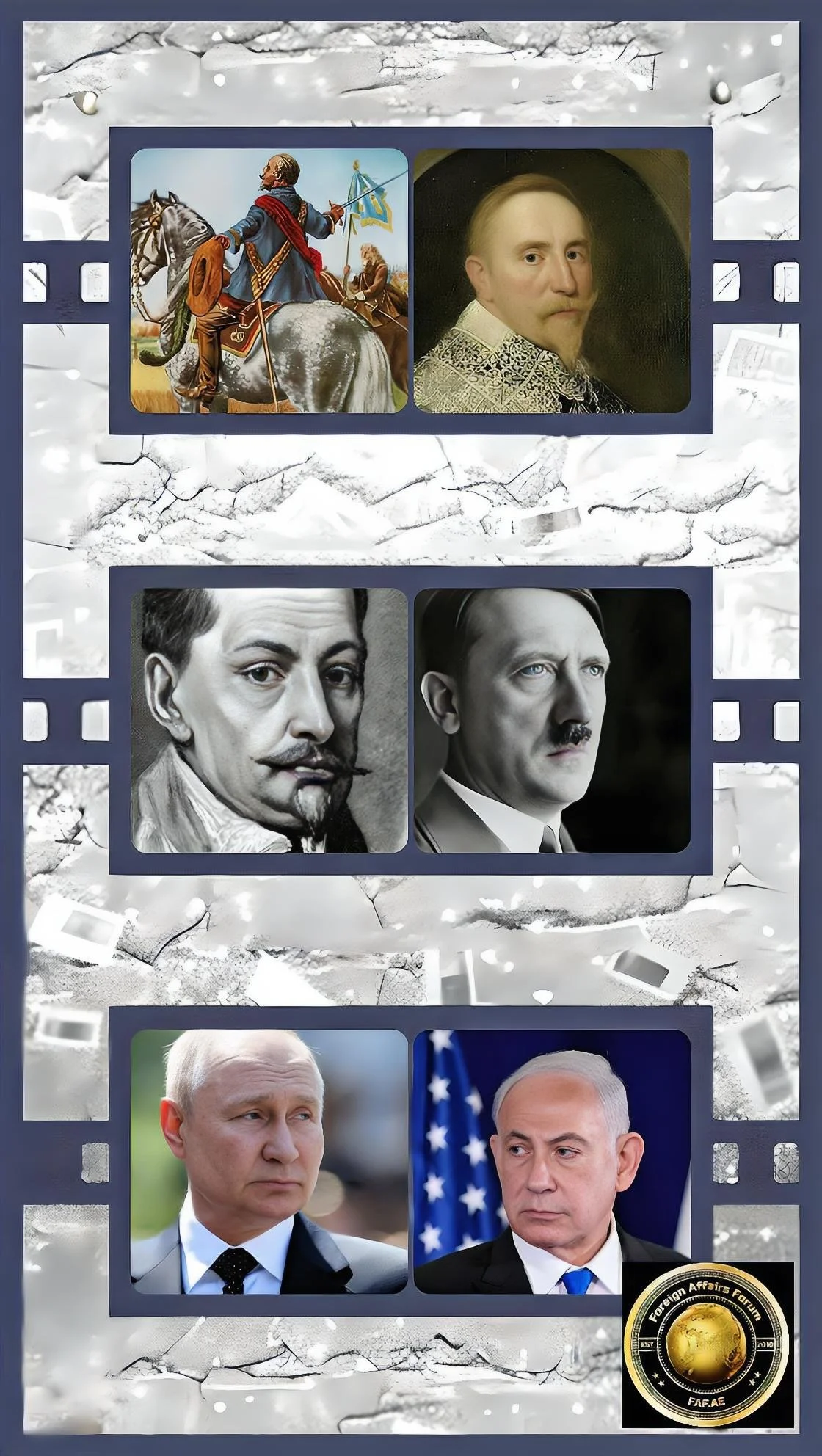
Gustavus Adolphus of Sweden, also known as “The Lion of the North,” is one of history’s most influential military innovators whose tactical brilliance and strategic vision transformed European warfare in the 17th century.
His military reforms secured Sweden’s position as a significant European power and established principles that would influence military thinking for centuries.
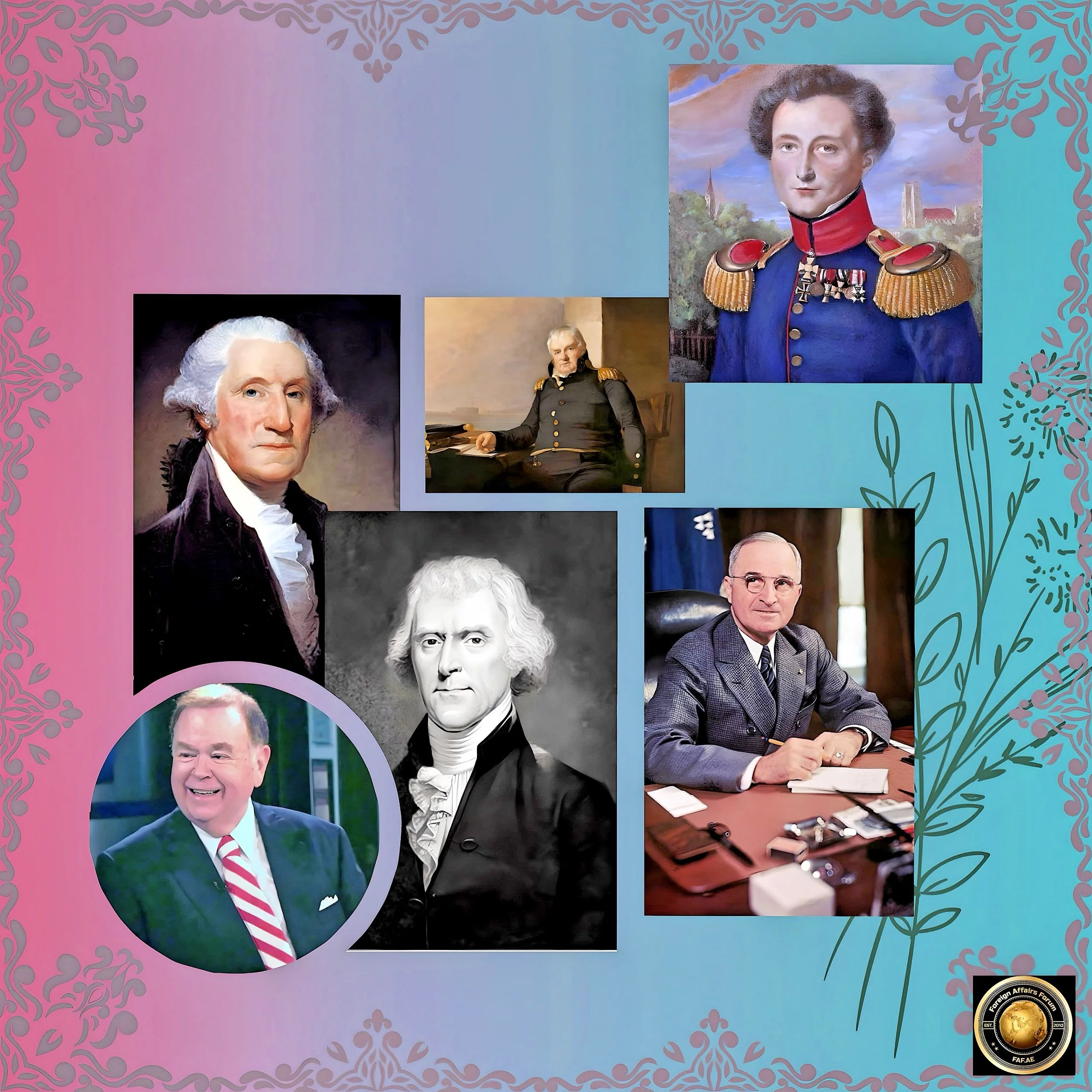
This report examines why Gustavus Adolphus earned the title “Father of Modern Warfare,” his significant achievements, how his principles might apply to 21st-century warfare, and how his military philosophy contrasts with Carl von Clausewitz's.
Revolutionary Military Innovations
Gustavus Adolphus revolutionized warfare during a crucial transitional period when gunpowder weapons reshaped European battlefields.
His innovative approach fundamentally altered how armies fought and established relevant principles in modern military doctrine.
Combined Arms Tactics and Battlefield Flexibility
Perhaps Gustavus Adolphus’s most enduring contribution was his pioneering implementation of combined arms tactics.
Unlike his contemporaries, who viewed different military branches as separate entities, Gustavus integrated infantry, cavalry, and artillery into a cohesive fighting force in which each element complemented the others.
This synergistic approach maximized battlefield effectiveness and created a whole greater than the sum of its parts.
His genius lay in creating an army with exceptional flexibility.
Rather than rigid formations that characterized contemporary warfare, Gustavus developed more mobile units that could rapidly adapt to changing battlefield conditions.
This tactical agility allowed his forces to outmaneuver opponents and exploit emerging opportunities during battle.
The Swedish king also emphasized attack over defense, a revolutionary concept that shifted military thinking from positional warfare to more dynamic offensive operations.
This aggressive doctrine aimed to seize and maintain the initiative, forcing opponents to react rather than act.
Revolutionary Artillery Usage
Gustavus Adolphus transformed artillery from a static siege weapon into a decisive battlefield asset.
He introduced lighter, more mobile cannons that could be rapidly redeployed during combat, providing crucial fire support where and when needed.
This innovation dramatically increased battlefield firepower while maintaining tactical flexibility.
Before Gustavus, artillery typically remained fixed throughout battles. His mobile artillery concept allowed for coordinated fire support that could shift to address emerging threats or exploit weaknesses, fundamentally changing how battles unfolded.
Infantry Formation and Training Innovations
The Swedish king reorganized infantry formations, abandoning the deep, unwieldy blocks of pikemen and musketeers that were common in his era.
Instead, he deployed soldiers in shallower formations—only 5 or 6 men deep compared to the contemporary standard of 20 to 30 men deep—which increased firepower while maintaining mobility.
These shallower formations enabled more effective volley fire, with soldiers trained to maintain a sustained rate of fire that could devastate enemy formations.
This approach maximized the impact of musket fire while allowing for more excellent battlefield maneuverability.
Cross-Training and Professional Discipline
Gustavus instituted cross-training among his troops, ensuring each soldier could perform multiple battlefield roles.
Pikemen were trained to use fallen muskets, while musketeers understood pike work. This versatility created a more adaptable force where soldiers could shift roles as battlefield conditions required.
He established one of Europe’s first truly professional armies with standardized training and strict discipline.
Unlike the mercenary forces common in his era, Gustavus’s army maintained battlefield order and avoided the looting and atrocities that characterized contemporary warfare.
Political and Administrative Achievements
Gustavus Adolphus’s impact extended far beyond the battlefield. His administrative and political reforms transformed Sweden from a peripheral medieval kingdom into a modern European power.
State Building and Governmental Reforms
The Swedish king implemented sweeping governmental reforms that centralized authority and improved administrative efficiency.
He established a centralized bureaucracy that dramatically improved tax collection, providing stable funding for his military campaigns.
Gustavus balanced royal authority with representative government, working with the Swedish Riksdag (Parliament) to implement his reforms.
This collaborative approach strengthened state institutions while maintaining political stability.
His administrative innovations included parish registration systems that enabled more efficient taxation and conscription, creating a model of modern state administration that supported military power through improved resource mobilization.
Educational and Social Reforms
Beyond military and administrative reforms, Gustavus promoted education and intellectual advancement.
He founded the University of Tartu in Estonia in 1632, demonstrating his commitment to knowledge and learning as foundations for national power.
His reforms granted peasants greater autonomy and established additional educational institutions throughout Sweden.
These social innovations created a more dynamic society capable of supporting his ambitious military and political objectives.
International Impact and Legacy
Gustavus Adolphus’s intervention in the Thirty Years’ War (1618-1648) fundamentally altered European politics.
His military successes preserved Protestantism in Northern Europe and prevented Habsburg domination of Germany, reshaping the continent’s religious and political landscape.
His military and administrative innovations transformed Sweden into a significant European power, catapulting a previously peripheral kingdom into continental significance.
This remarkable achievement earned him the posthumous title “Gustavus Adolphus the Great”—the only Swedish monarch to receive such an honor.
Gustavus Adolphus and 21st Century Warfare
While Gustavus Adolphus died nearly four centuries ago, his military principles remain remarkably relevant to modern warfare.
Examining how his innovations might translate to contemporary conflicts reveals the enduring nature of his strategic vision.
Enduring Relevance of Combined Arms
Gustavus Adolphus's combined arms approach remains a cornerstone of modern military doctrine.
Today’s battlefield integration of infantry, armor, artillery, and air power follows directly from his revolutionary concept of coordinating different military elements for maximum effectiveness.
The historian Geoffrey Parker noted that if Gustavus Adolphus were “magically transported to the western front in 1914, he would have understood the underlying warfare concepts with little difficulty”.
This observation highlights how his fundamental principles established patterns that continue to shape modern military operations.
Modern Applications of Tactical Flexibility
Gustavus’s emphasis on tactical flexibility and battlefield adaptation aligns perfectly with modern military concepts like mission command and decentralized operations.
His cross-training of troops parallels today’s multi-domain operations, in which military units must operate effectively across various battlespace dimensions.
His doctrine of shock—using coordinated firepower to disrupt enemy formations—has evolved into modern concepts of synchronized effects aimed at dislocating adversary operations.
This principle remains central to contemporary warfighting, though now executed with precision munitions and electronic warfare rather than musket volleys.
Professional Forces and Military Innovation
Gustavus’s creation of a professional standing army anticipated the modern military establishment.
His emphasis on training, discipline, and professionalism established standards for effective military organizations today.
His willingness to embrace technological innovation and develop new tactical approaches to leverage these advantages continues to inspire modern military thinking.
The Swedish king’s adaptability and openness to innovation provide a model for military organizations facing rapidly evolving technological environments.
Gustavus Adolphus vs. Clausewitz
Contrasting Military Philosophies
Carl von Clausewitz, the Prussian military theorist who wrote nearly two centuries after Gustavus Adolphus, developed a different approach to understanding warfare.
Examining these contrasting perspectives provides insight into the evolution of military thought.
Practical Innovation vs. Philosophical Contemplation
Gustavus Adolphus was primarily a practical innovator whose military reforms emerged from battlefield experience and pragmatic problem-solving.
His approach focused on tactical and organizational improvements that enhanced combat effectiveness rather than theoretical frameworks.
In contrast, Clausewitz introduced “systematic philosophical contemplation into Western military thinking,” developing abstract concepts and theoretical models to understand warfare’s fundamental nature.
While Gustavus revolutionized how armies fought, Clausewitz revolutionized how military leaders thought about war.
The Political Dimension of Warfare
Clausewitz famously characterized the war as “the continuation of politics by other means,” emphasizing warfare’s political dimensions and subordination to state policy.
This perspective views military operations as instruments of political objectives rather than ends in themselves.
While Gustavus Adolphus certainly understood warfare’s political implications, particularly during the religiously charged Thirty Years’ War, his primary focus remained on battlefield effectiveness and military organization.
His approach centered more on how to win battles than the political context of those battles.
Offense vs. Defense
One of the starkest contrasts between these military thinkers lies in their views on offense and defense.
Gustavus Adolphus emphasized attack over defense, developing tactics and organizations optimized for offensive operations that seized the initiative and maintained pressure on opponents.
Clausewitz, conversely, stressed “the inherent superiority of the defense,” arguing that defensive positions offered fundamental advantages that offensive operations had to overcome.
This theoretical position contradicted Gustavus’s practical emphasis on offensive action.
Military Genius and Leadership
Both thinkers recognized the importance of military leadership but from different perspectives.
Gustavus Adolphus embodied personal battlefield leadership, frequently leading from the front and participating directly in combat—a practice that ultimately cost him his life at the Battle of Lützen in 1632.
Clausewitz developed the theoretical concept of “military genius” as a combination of intellect, experience, personality, and temperament that enabled effective command in a chaotic war environment.
His approach analyzed leadership qualities theoretically rather than demonstrating them personally.
Conclusion
Gustavus Adolphus earned his reputation as the “Father of Modern Warfare” through revolutionary innovations that transformed how armies fought and wars were conducted.
His combined arms tactics, mobile artillery, flexible formations, and professional military established principles that continued to shape modern military operations nearly four centuries later.
The Swedish king’s practical innovations contrasted with Clausewitz’s later theoretical approach, highlighting different but complementary paths in military thought.
While Clausewitz developed philosophical frameworks for understanding warfare, Gustavus demonstrated practical genius in solving battlefield challenges.
Gustavus Adolphus’s military principles' enduring relevance demonstrates how fundamental warfare concepts transcend technological change.
Modern military organizations continue to apply their core insights regarding combined arms coordination, tactical flexibility, and professional forces, even as the specific tools of war have evolved dramatically.
This lasting influence confirms his status as one of history’s most significant military innovators and a true father of modern warfare strategy.