DOGE’s $962 Million Vanishing Act: Analyzing Responsibility for Overnight Data Removal
Introduction
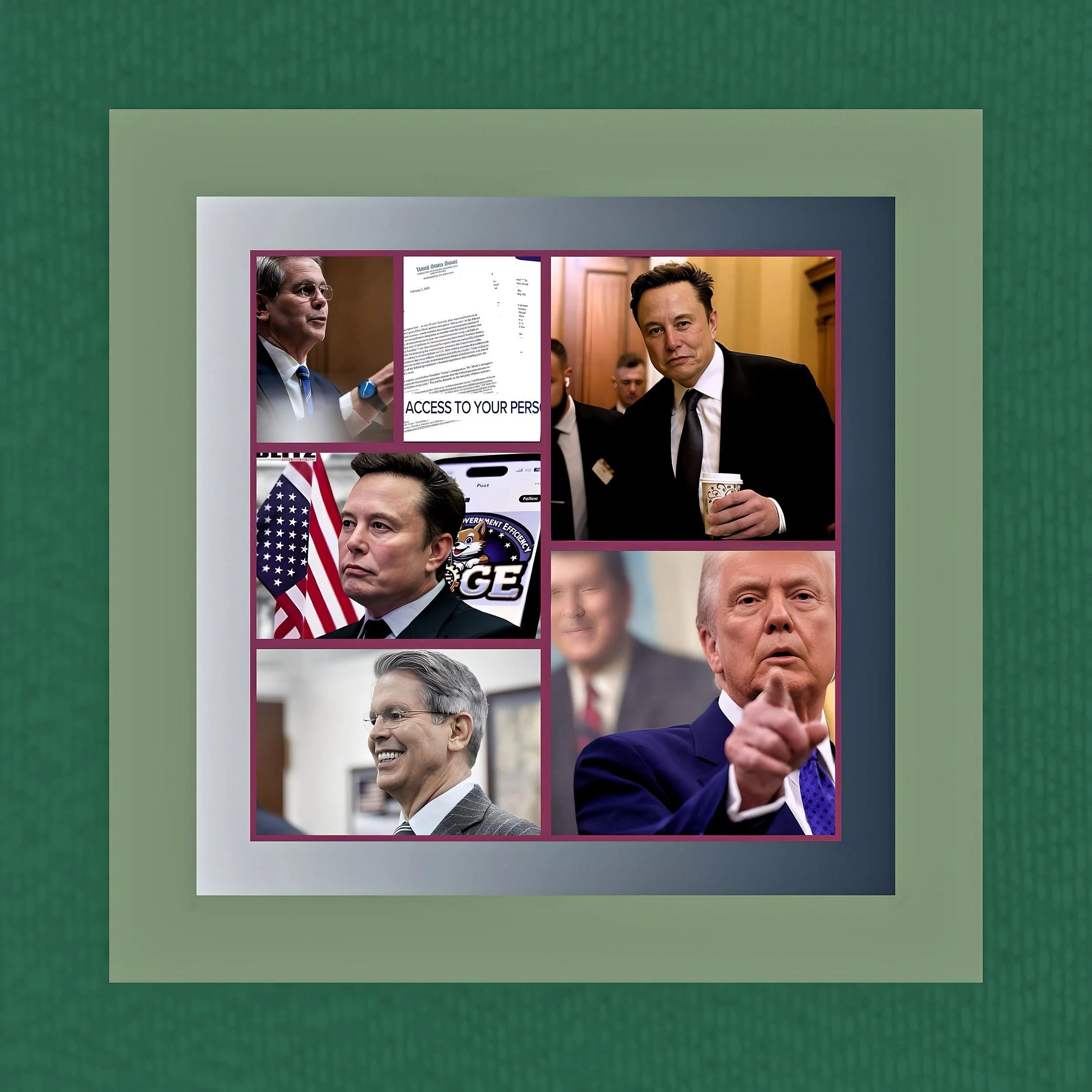
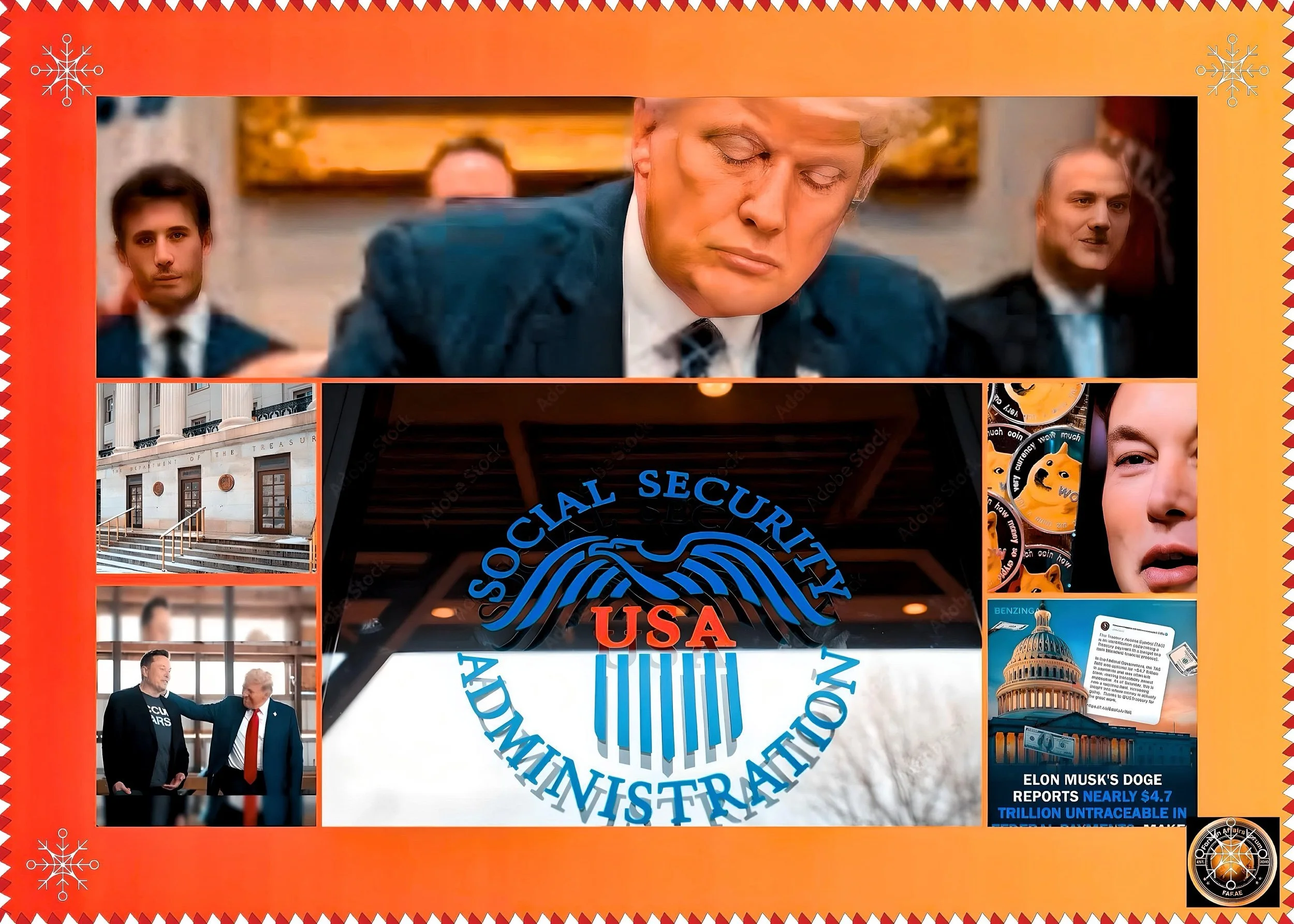
The Department of Government Efficiency (DOGE) website’s “wall of receipts” underwent a significant and unannounced modification on Tuesday, April 16, 2025, when approximately $962 million in previously claimed savings disappeared during a late-night update.
This quiet purge removed hundreds of canceled contracts, grants, and leases from public view without explanation, raising questions about accountability and transparency within the agency.
The incident represents the latest chapter in DOGE’s troubled accounting history, characterized by numerous data discrepancies and questionable savings claims.
DOGE’s Leadership Structure and Accountability
DOGE operates under the unique leadership structure established by the Trump administration. Elon Musk serves as its de facto leader alongside former presidential candidate Vivek Ramaswamy.
Although Musk does not hold an official government title, he exerts significant influence over DOGE’s operations and public messaging.
The department was created through Executive Order 14564, signed by President Trump on his first day in office in January 2025. The ambitious goal is to cut government spending by $2 trillion over four years.
Musk has been closely associated with DOGE’s public claims about government savings. In recent weeks, he significantly lowered expectations for the department’s achievements, reducing projected savings from an initial target of $1 trillion to a more modest $150 billion by the end of the fiscal year.
This dramatic adjustment came shortly before the overnight removal of the $962 million claimed savings, suggesting internal acknowledgment of accounting issues.
The timing of the website update—between midnight and 2 a.m.—follows a pattern of late-night modifications that have characterized DOGE’s operations since its inception.
Analysis of the Overnight Removal
The silent elimination of $962 million in claimed savings occurred during a narrow two-hour window in the early hours of Tuesday morning after DOGE had not updated its savings website since late March.
This sudden and substantial reduction included over 600 grants, dozens of contracts, and leases completely removed from public view. The modification represents approximately 3.2% of DOGE’s claimed $30 billion verified savings.
The removal pattern does not display characteristics typical of external hacking.
Instead, it appears to be an intentional administrative decision to quietly adjust inflated or problematic savings claims without drawing attention to the correction.
The precise and selective nature of the removals—targeting specific contracts with legal or accounting issues—suggests an internal review rather than unauthorized access.
For instance, the $1.1 billion contract with the Acacia Center for Justice, which had faced legal challenges, including a temporary restraining order from a federal judge, was among the items removed.
DOGE’s History of Accounting Discrepancies
This sudden removal fits within DOGE’s established pattern of questionable accounting practices. The department has repeatedly overstated savings through various means, including:
Clerical errors that inflated savings, such as the $8 billion vs. $8 million Homeland Security contract mistake that halved their claimed savings overnight when corrected
Multiple counting of the same contracts, as seen with a $25 million Agriculture Department contract that was counted four separate times
Fundamental misunderstandings of federal contracting, particularly regarding Indefinite Delivery/Indefinite Quantity (IDIQ) contracts, leading to nearly $2 billion in overstated savings
Taking credit for cancellations that occurred under the previous administration, including a $1.9 billion IRS contract with Centennial Technologies
These documented issues have led experts to question DOGE’s methodology and claims.
A Northwestern University professor and former CEO, Harry Kraemer, estimated that DOGE’s claimed savings could be overstated by up to 80%, noting that verified documentation exists for only about 30% of their reported total.
Official Responses and External Reactions
Neither Musk nor any official DOGE representative has provided a public explanation for the overnight removal of nearly $1 billion in claimed savings.
This silence is consistent with previous practice—DOGE has rarely addressed specific accounting discrepancies despite repeated inquiries from journalists and government oversight entities.
Congressional Democrats have criticized DOGE’s lack of transparency and questionable accounting methods.
Representative Jamie Raskin, a ranking member of the House Oversight Committee, noted that DOGE operates without formal congressional authority and with limited accountability mechanisms.
The Biden administration has also raised concerns about potential violations of federal laws regarding contract cancellations, particularly those that affect vulnerable populations like unaccompanied migrant children.
Implications for Government Accountability
The overnight removal of $962 million in claimed savings without explanation raises significant concerns about DOGE’s credibility and the administration’s commitment to transparent government.
The pattern of inflated claims followed by quiet corrections undermines public trust and complicates meaningful assessment of government efficiency efforts.
The incident highlights the challenges of oversight when government functions are delegated to individuals without formal titles or clear accountability structures.
Despite his significant influence over DOGE operations, Musk maintains an ambiguous role that makes traditional oversight mechanisms difficult to apply.
This governance structure creates an accountability gap, where major decisions—including the removal of nearly $1 billion in claimed savings—can occur without clear responsibility or explanation.
Conclusion
Based on available evidence, the most plausible explanation for the $962 million overnight removal appears to be an internal administrative decision rather than external hacking.
The selective nature of the removals, their timing coinciding with Musk’s downward revision of savings targets, and DOGE’s established pattern of accounting discrepancies all point to an intentional adjustment of problematic claims.
The incident underscores fundamental questions about DOGE’s methodology, transparency, and accountability.
While the department was created with the laudable goal of improving government efficiency, questionable accounting practices and a lack of transparency have undermined its credibility.
Without significant reforms to its reporting methodology and accountability structures, DOGE risks becoming known more for its accounting controversies than for any genuine improvements in government efficiency.