The Pentagon’s Endangered Brain Trust: A Strategic Foresight Office Under Threat
Introduction
The Office of Net Assessment (ONA), a small but influential Pentagon unit that accurately predicted China’s rise as a strategic competitor decades before conventional wisdom caught up, now faces elimination.
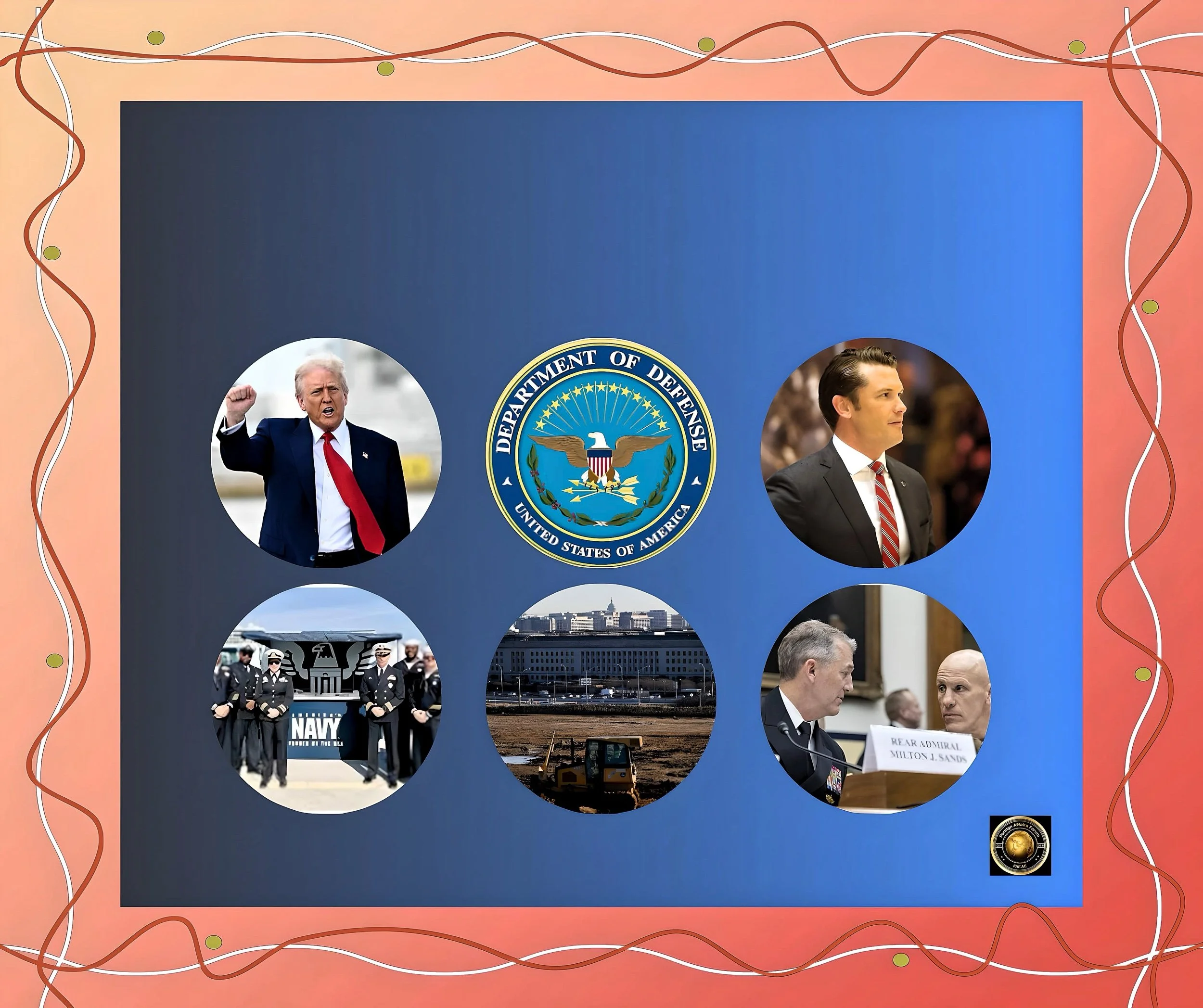
On March 13, 2025, Defense Secretary Pete Hegseth ordered the “disestablishment” of this vital strategic analysis center, directing the reassignment of its staff and cancellation of all existing research contracts.
This decision is critical as China’s military modernization continues to accelerate and geopolitical competition intensifies across multiple domains.
The proposed dismantling of this forward-looking analytical capability raises significant concerns about the Pentagon’s ability to anticipate emerging threats and develop effective long-term strategic responses.
The Strategic Foresight Engine of the Pentagon
Since its establishment, the Office of Net Assessment has served as the Department of Defense’s internal think tank, providing independent, often contrarian analysis that frequently challenged conventional wisdom.
Despite its small size—comprising only a dozen or so staff and operating with a modest research budget of approximately $20 million—the ONA has consistently delivered outsized strategic value to senior Pentagon leaders.
This “budget dust” in Pentagon terms has yielded critical insights that reshaped U.S. strategic thinking and military planning across decades of evolving security landscapes.
What made ONA unique was its mandate to conduct independent analyses free from the constraints of day-to-day policy concerns or bureaucratic imperatives.
This independence allowed the office to engage in deep, long-term assessment of strategic trends and potential threats, even when those assessments contradicted the prevailing views within Washington’s foreign policy establishment.
The office specialized in comparative analyses—“net assessments”—that evaluated U.S. capabilities, strategies, and potential vulnerabilities against those of competitors and adversaries.
Throughout its history, the ONA demonstrated remarkable foresight on multiple occasions.
During the Cold War, its analysts developed innovative strategies to counter Soviet advantages, providing intellectual frameworks that helped the United States maintain strategic deterrence.
This legacy of prescient analysis continued after the Soviet collapse, when the office turned its attention to emerging challenges in a rapidly changing world.
Institutional Independence and Analytical Rigor
The ONA’s effectiveness stemmed largely from its structural independence within the Pentagon bureaucracy. Reporting directly to the Secretary of Defense, the office was insulated from institutional pressures that might otherwise constrain analytical freedom or discourage challenging established thinking.
This position allowed ONA analysts to develop nuanced, long-term perspectives on strategic competition that might be overlooked by operational components focused on immediate concerns.
Beyond its organizational independence, the ONA cultivated a distinctive analytical approach characterized by intellectual curiosity, rigorous examination of assumptions, and willingness to consider alternative futures.
By commissioning diverse external research and bringing together insights from academia, industry, and government, the office created a unique intellectual ecosystem for strategic thought that transcended traditional defense planning horizons.
China’s Rise: The ONA’s Prescient Analysis
Perhaps the ONA’s most significant contribution to U.S. national security came during the 1990s, following the Soviet Union’s collapse.
During this “unipolar moment,” Washington’s conventional wisdom held that China would become a responsible stakeholder in the international system as it became more economically integrated with the global community.
The prevailing view assumed that economic liberalization would inevitably lead to political liberalization, diminishing the likelihood of strategic competition.
The ONA, however, reached a markedly different conclusion. Its analysts focused intensively on Chinese leadership intentions and strategic culture, finding evidence that China harbored ambitions to create capabilities specifically designed to challenge the U.S.-led international order.
This assessment proved remarkably prescient, anticipating by several decades the emergence of China as a peer competitor to the United States.
The office recognized early signs of China’s comprehensive military modernization program and its efforts to develop technologies and capabilities specifically tailored to counter U.S. military advantages.
This insight came at a time when most policymakers were focused on the “peace dividend” following the Cold War and emerging threats from regional powers and non-state actors rather than potential great power competition.
Strategic Competition Takes Shape
The validity of the ONA’s early warnings about China’s strategic intentions has become increasingly apparent over time.
By 2024, Pentagon assessments confirmed that China’s military modernization reflects a strategic shift toward achieving “world-class military” status by 2049—a milestone in the PRC’s strategic agenda.
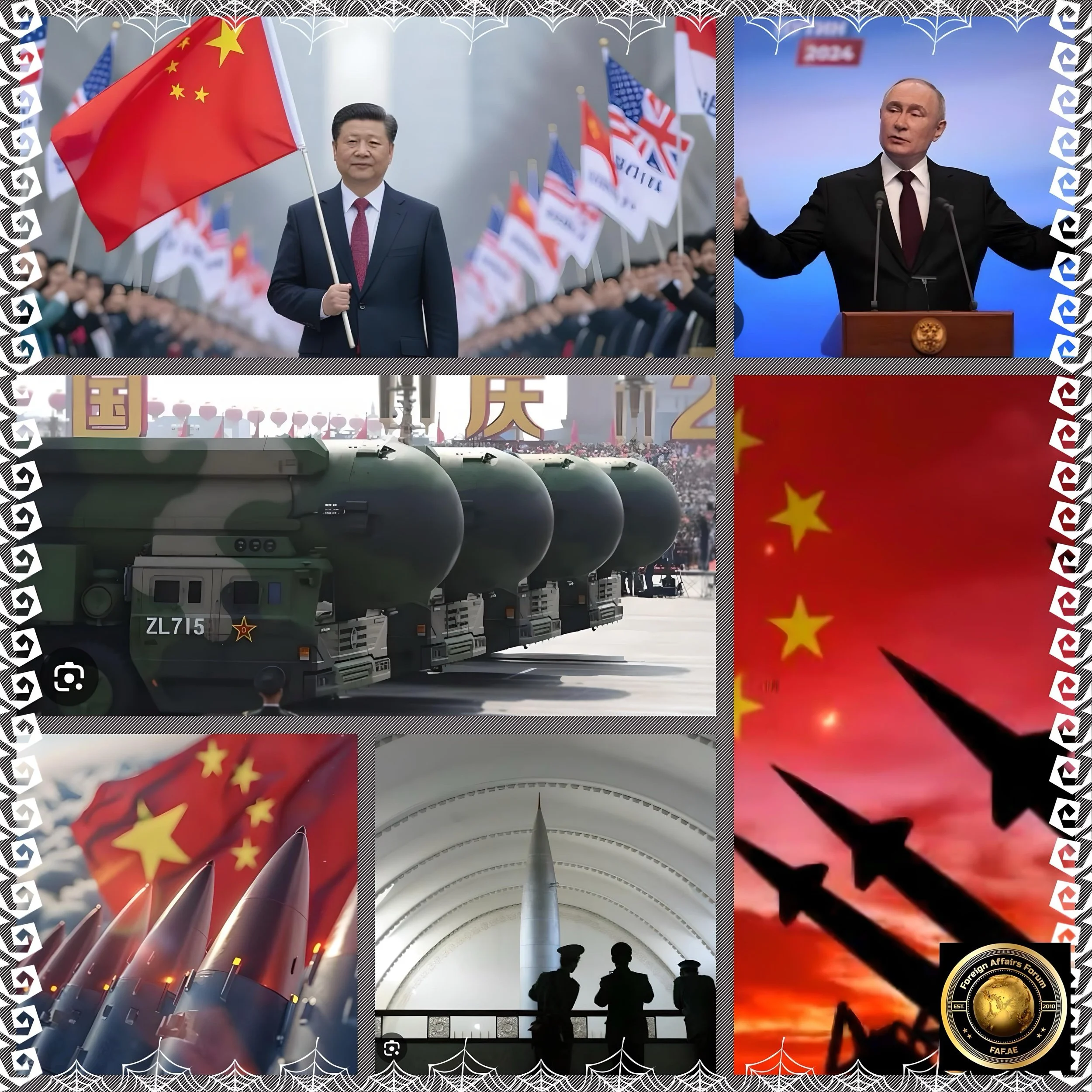
The People’s Liberation Army’s nuclear arsenal had already surpassed 600 operational warheads by mid-2024, with projections indicating it will reach over 1,000 warheads by 2030.
China’s conventional forces have also grown substantially, with the PLA Navy now recognized as the world’s largest navy by fleet size, boasting over 370 combat vessels—a number projected to reach 435 by 2030.
These developments align precisely with the trajectory that ONA analysts identified decades earlier, demonstrating the exceptional value of their long-term strategic assessment capabilities.
Current Strategic Environment: Growing Complexity and Competition
The strategic environment that the United States now faces is characterized by intensifying competition with China across multiple domains, complicated by China’s deepening strategic cooperation with Russia.
China’s military modernization continues at a rapid pace, with significant advances in nuclear capabilities, conventional forces, and emerging technologies that present increasingly complex challenges to U.S. interests.
Nuclear Dimensions of Strategic Competition
The nuclear dimension of this competition has become particularly concerning. According to a recent report to the U.S. Senate by the head of U.S. Strategic Command, Anthony J. Cotton, China is making significant investments in expanding its nuclear infrastructure and increasing plutonium production in breeder reactors with Russian support.
China has also constructed 320 silos for intercontinental ballistic missiles in its western regions, dramatically expanding its nuclear strike capabilities.
Additionally, China’s submarine-based nuclear deterrent has matured, with six Type 094 ballistic missile submarines now considered a reliable component of its strategic forces.
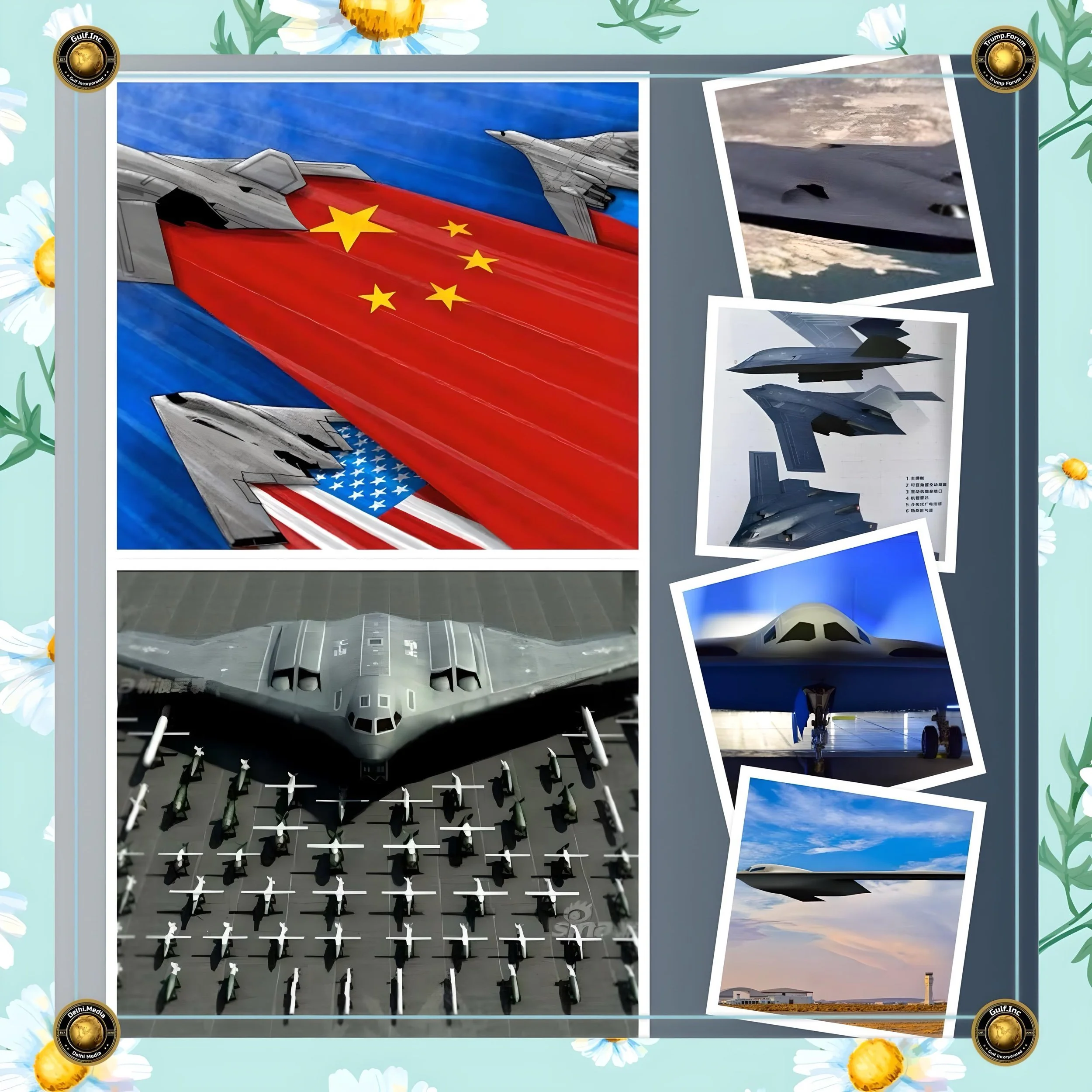
The ongoing development of the H-20 strategic stealth bomber, with an 8,000-kilometer flight range, could pose a direct threat to the U.S. mainland, especially when considering aerial refueling and long-range strike capabilities.
The Russia-China Strategic Partnership
Complicating matters further is the growing cooperation between China and Russia in military affairs and nuclear technology.
The Pentagon has warned of a “nuclear alliance” between Russia and China, challenging the simplistic view that redirecting resources to counter China in the Pacific would automatically resolve most security concerns.
This cooperation extends beyond nuclear technology to include joint exercises, intelligence sharing, and strategic coordination that creates additional challenges for U.S. security planning.
Broader Military Modernization
Beyond nuclear forces, China’s military modernization encompasses advances in conventional capabilities, space and counterspace systems, cyber operations, and emerging technologies.
The PLA is pursuing next-generation combat capabilities based on what it calls “intelligentized warfare,” defined by the expanded use of AI, quantum computing, big data, and other advanced technologies at every level of warfare.
The PLA is also enhancing its power projection capabilities, improving its ability to operate farther from China’s shores for extended periods.
These improvements enable China to assert its interests more aggressively in disputed areas such as the South China Sea and to exert influence farther afield, including in Europe where Serbia recently became the first European country to deploy a Chinese-made missile defense system.
The Decision to Disestablish the ONA
Against this backdrop of intensifying strategic competition and China’s accelerating military modernization, Secretary of Defense Pete Hegseth’s March 13, 2025, decision to disestablish the Office of Net Assessment represents a significant shift in how the Pentagon approaches long-term strategic analysis.
The order not only directed the reassignment of ONA employees but also canceled all existing ONA research contracts, effectively discontinuing the office’s ongoing work.
While Hegseth requested that the Deputy Secretary of Defense develop a plan for “rebuilding” the office in a different form, to be structured “consistent with” the Secretary’s priorities, this suggests fundamental changes to the office’s mission, independence, and analytical approach.
The decision appears to signal that ONA will no longer exist as the autonomous center for strategic thinking that has historically provided crucial and sometimes paradigm-shifting insights by challenging conventional wisdom.
Potential Motivations
The specific rationale behind the decision to disestablish the ONA has not been fully articulated publicly.
However, several potential factors may be at play, including budget constraints, shifts in strategic priorities, or a desire to realign analytical capabilities with new leadership priorities.
The emphasis on rebuilding the office to be “consistent with” the Secretary’s priorities suggests a desire to more closely align the office’s work with current policy directions rather than maintaining its traditionally independent analytical role.
This shift comes as part of broader changes within the Department of Defense under the new administration, which has emphasized efficiency and organizational restructuring in various areas.
The timing is particularly notable given the ongoing review of defense priorities and resource allocation across the department.
Implications for U.S. Strategic Planning
The disestablishment of the ONA raises significant concerns about the Pentagon’s capability to conduct the kind of independent, long-term strategic analysis that has proven so valuable in anticipating emerging threats and strategic challenges.
The loss of this capability could have far-reaching implications for U.S. national security, particularly in an era of intensifying great power competition.
Loss of Independent Analysis
One of the most significant potential consequences is the loss of a structurally independent analytical capability within the Pentagon.
The ONA’s unique position allowed it to challenge prevailing assumptions and provide alternative perspectives that might not emerge from traditional planning processes or operational components focused on immediate concerns.
Without this independent voice, there is a risk that strategic groupthink could go unchallenged, potentially leading to blind spots in U.S. security planning.
Diminished Long-Term Focus
The ONA specialized in looking beyond immediate operational concerns to identify long-term strategic trends and emerging challenges.
This long-term perspective is particularly valuable in addressing complex challenges such as China’s multidecade strategy to achieve “world-class military” status by 2049 and its broader ambitions for “national rejuvenation”.
Without dedicated capacity for such long-horizon analysis, the Pentagon may struggle to anticipate and prepare for developments that unfold over decades rather than years.
Reduced Intellectual Diversity
The ONA played a crucial role in bringing diverse perspectives into strategic planning by commissioning research from a wide range of outside experts and fostering intellectual exchange between defense officials, academics, and industry specialists.
The dissolution of this analytical ecosystem could reduce the intellectual diversity informing U.S. defense planning, potentially limiting the range of perspectives considered in developing strategies to address complex security challenges.
Conclusion
The Office of Net Assessment’s early recognition of China’s potential to emerge as a strategic competitor demonstrated the unique value of independent, long-term strategic analysis within the Department of Defense.
At a time when conventional wisdom held that China would become a responsible stakeholder in the international system, ONA analysts correctly identified Beijing’s intentions to develop capabilities that could challenge U.S. military advantages and the U.S.-led international order.
As China’s military modernization continues to accelerate and its strategic cooperation with Russia deepens, the need for forward-looking, independent strategic analysis has only grown more acute.
The Pentagon’s decision to disestablish the ONA comes at a particularly challenging moment in the strategic competition with China, potentially depriving defense leaders of a crucial tool for anticipating emerging threats and developing effective long-term responses.
The proposed rebuilding of the office in a form “consistent with” the Secretary’s priorities raises questions about whether the new structure will preserve the independence and intellectual freedom that made the original ONA so valuable.
As the United States navigates an increasingly complex and competitive international security environment, maintaining robust capabilities for independent strategic assessment will be essential to identifying challenges before they materialize and developing effective strategies to address them.