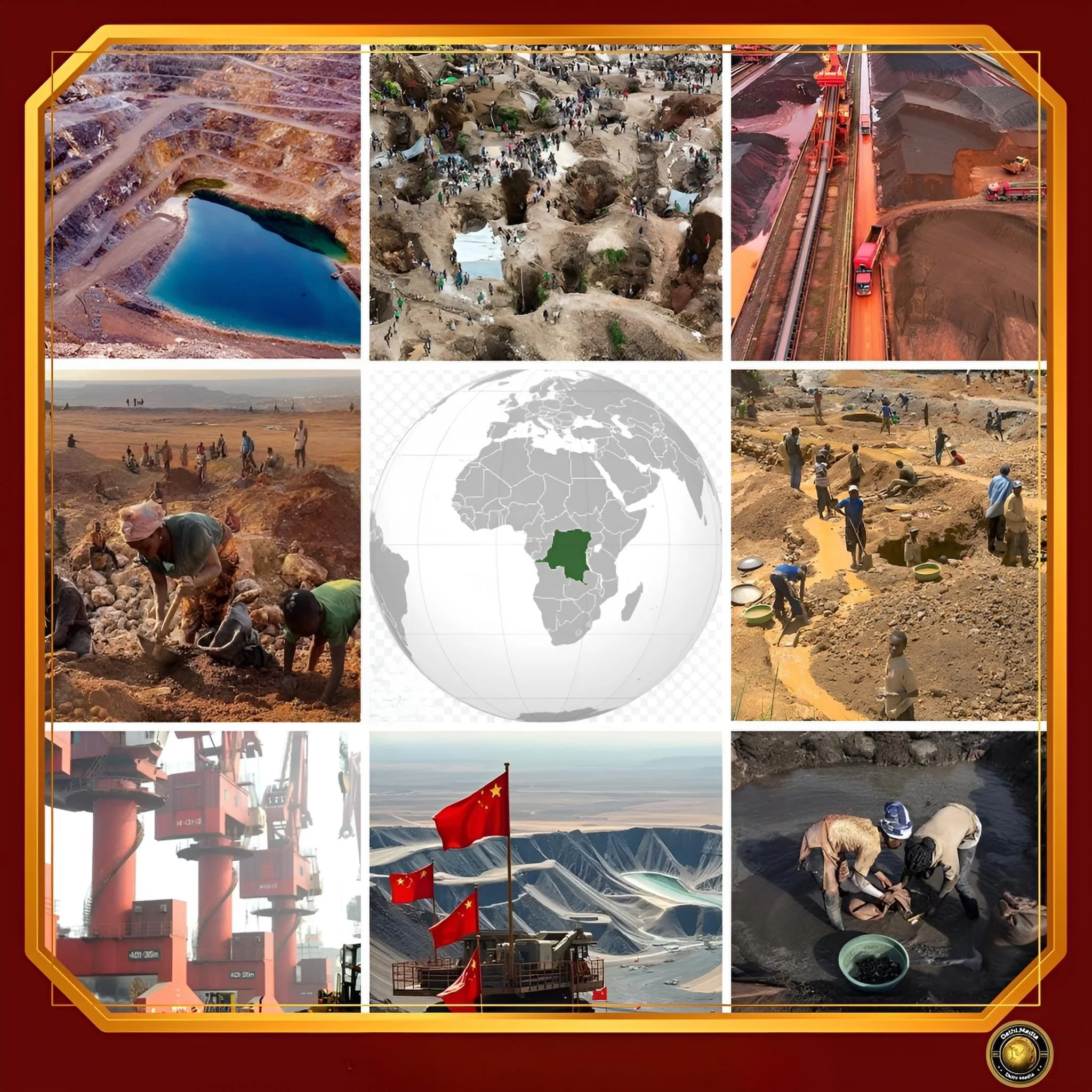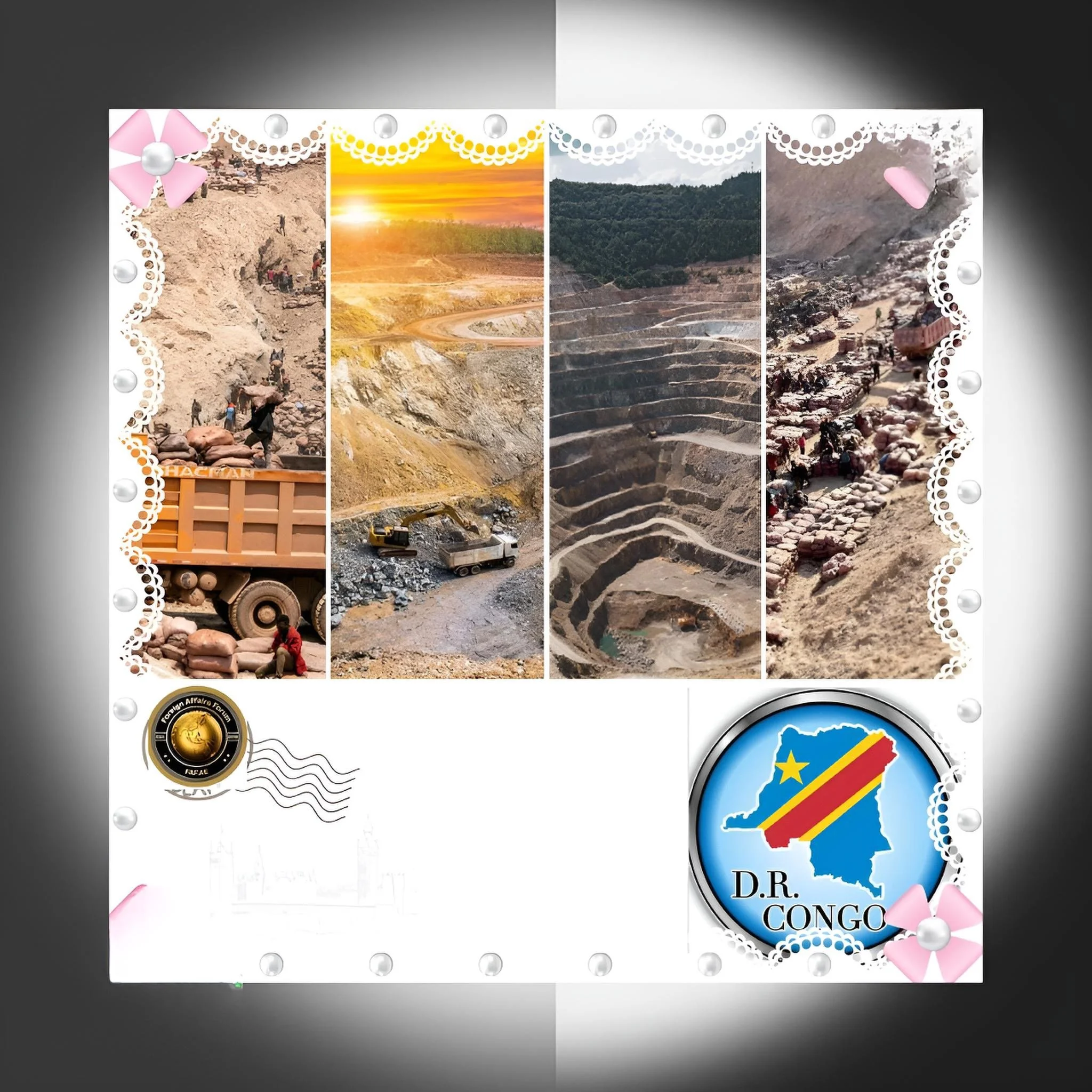
Cobalt Miners: The Human Cost of Clean Energy : DRC Cobalt Mining Realities
Introduction
What is Cobalt Used For?
Cobalt is a critical metal that serves diverse applications across industries, but its primary and most rapidly expanding use is in lithium-ion battery cathodes.
Cobalt’s unique chemical properties make it essential for energy storage and advanced technologies.
The metal is primarily utilized in three major following categories
Battery Applications (Primary Driver)
Cobalt forms the core component of nickel-manganese-cobalt (NMC) battery chemistries used in electric vehicles and portable electronics.
The average electric vehicle battery requires more than 13 kilograms of cobalt, while mobile phone batteries contain approximately 7 grams.
These batteries provide superior energy density, faster charging capability, and longer lifespan compared to alternative chemistries like lithium iron phosphate (LFP).
Renewable Energy Technologies
Beyond EV batteries, cobalt plays a vital role in wind turbines and energy storage systems that support grid stability during the renewable energy transition.
Cobalt catalysts are also used in the oil refining sector to remove impurities and reduce harmful emissions from crude oil and maritime fuel.
Industrial and Medical Applications
Cobalt is irreplaceable in superalloys used in jet turbines and high-performance machinery requiring extreme temperature resistance.
It is also an essential component of vitamin B12, making it critical for human health and animal nutrition, and is widely used in medical devices.
Why Cobalt is in Demand: The Clean Energy Paradox
The surge in cobalt demand is fundamentally tied to the global energy transition.
Demand for cobalt is expected to rise by 4% in 2025 and 6% in 2026, with longer-term projections showing much more dramatic growth.
The market dynamics reveal a critical paradox at the heart of the green energy revolution.
Electric Vehicle Explosion
The EV market is the primary driver of cobalt demand.
By 2030, electric vehicles are projected to comprise 57% of total cobalt demand, up from 43% in 2024, with demand expected to grow at a compound annual growth rate of 7%.
Global EV sales reached 6.75 million units in 2021 and are projected to surpass 60 million units annually by 2030.
This explosive growth reflects government subsidies, climate commitments, and consumer adoption of electric mobility across major economies including the European Union, China, and North America.
Energy Storage Acceleration
Beyond vehicles, stationary energy storage systems powered by batteries are experiencing even faster growth rates.
While cobalt-free LFP batteries are gaining market share for large-scale storage, cobalt-containing chemistries remain essential for premium applications requiring high energy density and performance.
Current battery applications consume approximately 25,000 tonnes of cobalt annually, with projections showing 50-60% growth by 2030.
Supply Concentration
The Democratic Republic of Congo dominates global cobalt production, supplying approximately 70% of the world’s cobalt.
This geographic concentration creates significant supply chain vulnerability and gives the DRC unprecedented leverage over global battery supply chains.
In February 2025, the DRC government imposed a cobalt export suspension to counter falling prices caused by global oversupply, demonstrating how a single nation can dramatically affect global markets.
This ban, extended through mid-October 2025, resulted in cobalt prices more than doubling on the London Metal Exchange, reaching over $44,000 per ton.
The Supply-Demand Imbalance
While cobalt surplus currently keeps prices depressed, this situation is expected to reverse. Global demand is forecast to outstrip supply and lead to a significant market deficit by the early 2030s.
Demand is projected to reach 400,000 tonnes by the early 2030s, representing a 7% compound annual growth rate.
This structural deficit will intensify pressure on artisanal miners in the DRC to accelerate extraction, regardless of human and environmental costs, creating a fundamental tension between global climate ambitions and local mining communities.
The Human Cost of Clean Energy: DRC Cobalt Mining Realities
The extraction of cobalt in the Democratic Republic of Congo reveals the stark human rights cost of the clean energy transition.
While cobalt is heralded as essential to combating climate change, the supply chain powering this transition is sustained through conditions described as “modern-day slavery.”
Child Labor and Exploitation
The scale of child labor in DRC cobalt mining is staggering. An estimated 40,000 children, some as young as six or seven years old, work in cobalt mines under hazardous conditions.
Unlike most child labor situations, this exploitation is directly and visibly linked to products used by developed nations.
These children work in informal artisanal and small-scale mining (ASM), which accounts for up to 30% of the DRC’s cobalt production, earning less than $2 per day using basic hand tools and no protective equipment.
Children perform dangerous tasks including digging tunnels to depths exceeding 100 meters, carrying heavy loads, and cleaning cobalt ore with bare hands.
Many suffer respiratory illnesses, spinal deformities from carrying heavy loads, and exposure to toxic cobalt dust.
The trafficking of children for mining labor is also prevalent, with militias abducting and recruiting children from distant parts of the country to supply labor for mines that fund armed groups.
Poverty-Driven Labor and Inadequate Wages
Approximately 255,000 workers are engaged in artisanal and small-scale cobalt mining in the DRC. Most earn far below the national minimum wage of approximately $5 per day, receiving instead an average of $2 daily or less for hazardous work.
Poverty is the fundamental driver of this participation; families have no viable economic alternatives in a country with severely limited employment opportunities.
Rising living costs have forced families to push children into mining work to meet basic survival needs.
Artisanal miners possess minimal bargaining power in negotiations with purchasing agents. Prices are imposed on them rather than negotiated, leaving miners with no effective recourse if they refuse unfair offers.
Working Conditions and Occupational Hazards
Labor conditions for cobalt miners are described by U.S. Department of Labor researchers as “abominable.”
Workers are routinely exposed to multiple occupational hazards, with most suffering illness or injury related to their work.
Many experience what qualifies as forced labor, with inadequate compensation relative to the dangers involved.
Tunnel collapses are frequent occurrences in artisanal mines.
As one miner eloquently stated: “Sometimes we feel fear because if you look at the ceiling of the tunnel, you can see it is already very fragile. The ceiling is damaged. If we don’t make repairs, eventually, when you’re down there, things will collapse on you. This can result in broken limbs or even fractured skulls. We miners die a lot.”
Workers suffer from respiratory and digestive diseases, lung pain, urinary tract infections, and carry heavy loads without proper equipment or safety gear.
These conditions result in high rates of occupational illness and death among a population without medical insurance or access to compensation systems.
Gender Disparities
Women comprise a significant portion of the mining workforce but face compounded exploitation.
Female miners often lack childcare options and bring their children to work, compounding child labor prevalence.
Women earn considerably less than men for identical work, representing a systematic gender wage gap within the mining sector.
Toxic Environmental Pollution and Health Impacts
The mining areas have become what UN experts describe as “sacrifice zones”—regions where populations suffer devastating health consequences from living in heavily contaminated environments.
Mining companies routinely promote their cobalt as “clean” and “sustainable,” yet research reveals catastrophic environmental impacts.
Processing facilities and sulfuric acid production plants are often situated within or immediately adjacent to residential areas. Fumes generated by extraction processes spread through surrounding communities, causing respiratory illnesses and other health disturbances.
Contaminated water from mining operations seeps into local rivers and groundwater sources, eliminating safe drinking water access for hundreds of thousands of residents.
Most alarming are documented links between cobalt mining and birth defects. A 2020 study in Lubumbashi found strong correlations between cobalt mining exposure and increased rates of birth defects, including limb abnormalities and spina bifida.
Exposure to toxic pollution causes elevated cobalt levels in residents’ blood and urine, with children showing the most pronounced exposure levels and evidence of exposure-related oxidative DNA damage.
Artisanal mining residents demonstrated significantly higher cobalt contamination than control populations.
Forced Evictions and Land Dispossession
As demand for cobalt has surged, mining companies have expanded operations into populated areas, leading to forced evictions.
Residents receive inadequate compensation, often insufficient to purchase equivalent housing.
Many evictees have been relocated to properties without running water or reliable electricity on the outskirts of mining towns like Kolwezi, experiencing dramatic declines in living standards with no effective means of appeal or redress.
Communities are often not adequately consulted about mine expansion plans. In some cases, residents discovered their homes would be demolished only after red crosses appeared on their properties.
As one 62-year-old evictee stated: “We did not ask to be moved, the company and the government came and told us, ‘There are minerals here.’”
Eagle Mining and Attempts at Worker Protection
The Al Jazeera documentary released “Cobalt Miners: The Human Cost of Clean Energy” (released December 3, 2025) focuses on Eagle Mining Company as a case study of efforts to protect worker welfare while supplying international demand for cobalt.
While specific details about Eagle’s operations were not fully accessible through web sources, the documentary examines how mining companies navigate the challenging tension between commercial pressures and worker protection obligations.
The broader context reveals that responsible mining initiatives are emerging.
The Fair Cobalt Alliance (FCA), established in 2020, brings together automotive companies, mining firms, battery manufacturers, and NGOs to improve artisanal mining conditions.
The FCA implements programs targeting three core objectives: creating dignified working conditions through technical assistance and worker training, enabling child-labor-free mine sites through referral systems and monitoring, and developing living incomes to address root poverty causes.
Organizations like Entreprise Générale du Cobalt (EGC), a state-owned subsidiary created by the DRC government in 2019, represent attempts to formalize artisanal mining.
In November 2025, EGC announced production of its first 1,000 tonnes of traceable artisanal cobalt, with CEO Eric Kalala stating: “Every ton purchased by EGC must reflect not only the value of the mineral, but also the dignity of those who extract it.”
However, these initiatives remain limited in scale relative to the massive cobalt sector.
The Mutoshi mine pilot project demonstrated that formalization could be both commercially viable and effective in addressing human rights concerns.
During the pilot phase, no fatal accidents were recorded and access for children and pregnant women was prevented through strict entry controls.
This suggests that systemic improvements are technically possible, though scaling remains a significant challenge.
The Structural Contradiction: Global Supply Constraints and Market Dynamics
The DRC’s export restrictions beginning in February 2025 reveal a critical tension in the cobalt market.
The government imposed the ban to raise prices and reduce global oversupply after cobalt prices collapsed to nine-year lows. Cobalt prices have since surged 90-92% from March lows, demonstrating the DRC’s market power.
However, the quota system introduced in October 2025 limits global exports to approximately 7,250 metric tonnes monthly through 2026—roughly half historical levels.
These restrictions create incentives for battery manufacturers to shift toward cobalt-free chemistries (particularly LFP batteries), which could paradoxically reduce demand for DRC cobalt and worsen economic conditions for artisanal miners who lack alternative livelihoods.
This market dynamic creates a cruel paradox: price increases from supply restrictions could encourage substitution away from cobalt, potentially devastating artisanal mining communities while actually reducing the direct demand for their labor.
Conversely, rising global demand for cobalt-containing batteries will intensify pressure on mining communities to accelerate extraction under increasingly perilous conditions.
Technological Shifts and Their Implications
The rapid adoption of LFP battery technology is reshaping cobalt demand. LFP batteries, which contain no cobalt or nickel, are significantly cheaper and increasingly preferred for large-scale energy storage applications.
Energy storage demand surged 51% last year and is projected to grow 40% this year, predominantly relying on LFP batteries.
Over the past four years, cobalt demand has declined by approximately 25% as LFP adoption accelerates.
By 2030, cobalt-free LFP chemistries are expected to comprise roughly 43% of lithium-ion battery demand, while 43% will come from cobalt-containing NMC batteries and 14% from other chemistries.
While cobalt demand will continue growing in absolute terms through 2030, the substitution trend provides some relief pressure on DRC mines, though this may further destabilize communities economically dependent on cobalt extraction.
Conclusion
Cobalt occupies a profound contradiction at the center of the global energy transition. This critical metal is absolutely essential to electrifying transportation and deploying renewable energy systems necessary to mitigate climate change.
However, the supply chain delivering cobalt to global markets is sustained through severe human rights abuses, child labor, toxic environmental contamination, and the systematic impoverishment of mining communities in the Democratic Republic of Congo.
The documented scale of exploitation is extraordinary
(1) 40,000 children performing hazardous mining work
(2) 255,000 artisanal miners earning $2-5 daily while generating commodities worth thousands
(3) toxic pollution causing birth defects across mining regions
(4) forced evictions displacing communities; and systematic occupational hazards resulting in regular worker deaths.
Yet this system generates the precise materials essential to decarbonizing the global economy and preventing catastrophic climate change—a tragic example of how societies distribute both the benefits and costs of transitions unevenly across geography and income levels.
Current market dynamics create perverse incentives.
The DRC’s export restrictions have temporarily boosted cobalt prices and improved government revenues, yet these constraints may simultaneously reduce overall demand through technological substitution and worsen conditions for the poorest artisanal miners who cannot benefit from price increases.
Foreign companies and initiatives like the Fair Cobalt Alliance have begun implementing responsible mining programs, though these remain marginal in scale relative to the massive cobalt extraction occurring in informal, unregulated contexts.
The fundamental resolution requires systemic change
(1) international enforcement of minimum labor and environmental standards
(2) formal integration and regulation of artisanal mining to ensure worker protections and living wages
(3) technological acceleration of cobalt-free battery chemistries
(4) recognition that wealthy nations cannot sustainably outsource both the climate benefits of electrification and its human costs to vulnerable populations in developing nations.
Until the international community treats DRC cobalt miners as stakeholders in the energy transition rather than merely suppliers of raw materials, the clean energy revolution will remain fundamentally compromised by the exploitation it claims to transcend.