Saudi Arabia Bombs Its Own Ally: Gulf Powers Descend Into Proxy War Over Yemen’s Oil
Executive Summary
Saudi-UAE Alliance Under Strain: Yemen Becomes landscape of Competing Regional Visions
Yemen’s fragile Saudi-led coalition collapsed into direct military confrontation in late December 2025 as Saudi Arabia conducted airstrikes against the United Arab Emirates-backed Southern Transitional Council (STC), marking a watershed moment in the nation’s decade-long conflict. The STC’s rapid capture of Yemen’s oil-rich eastern governorates—controlling approximately 80 percent of the nation’s proven reserves—triggered Saudi military intervention and formal threats of broader action, exposing profound strategic divergence between the coalition’s principal Gulf patrons.
The incident signals the de facto partition of Yemen into competing spheres, with the Houthis increasingly positioned as the most cohesive armed actor as their opponents fragment along regional and ideological lines.
For Yemen’s 32 million inhabitants already mired in the world’s third-largest humanitarian crisis, this escalation threatens to accelerate state collapse, economic catastrophe, and the permanent division of an already devastated nation.
Introduction
The Saudi-Emirati Split: How Yemen’s Partition Became Inevitable
The eruption of Saudi-STC hostilities represents the most significant rupture within the anti-Houthi coalition since the 2015 Saudi-led intervention, transforming a decade-long conflict nominally unified against Iran-backed forces into a three-dimensional struggle for territorial control and strategic dominance. Rather than constituting a discrete military event, the reported airstrikes on December 26, 2025, should be understood as the violent manifestation of deeper institutional failure—the complete breakdown of the 2019 Riyadh Agreement, which attempted to integrate the STC into Yemen’s internationally recognized government through a power-sharing arrangement.
The incident crystallizes a fundamental contradiction at the heart of Gulf-sponsored Yemen policy: Saudi Arabia seeks to preserve a unified Yemeni state amenable to its border security interests, while the UAE has systematically empowered separatist forces threatening precisely that outcome. This asymmetry of objectives, long evident in proxy competition, has now escalated to direct military confrontation between nominal allies—a development with profound implications for regional stability, humanitarian conditions, and the trajectory of the Middle Eastern balance of power.
Historical Context and Current Status
The South Yemen Precedent
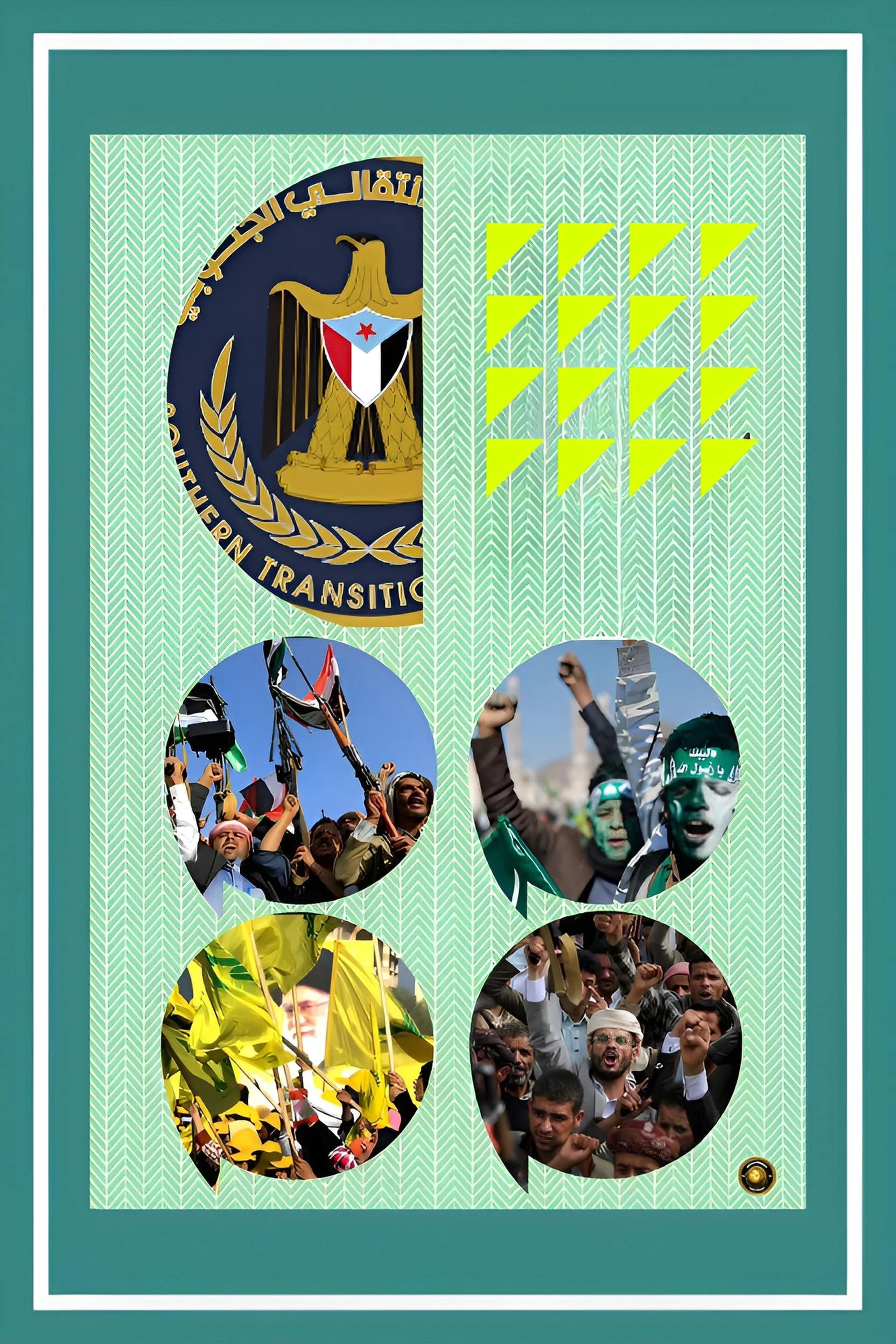
The contemporary secessionist impulse animating the STC draws profound ideological and historical sustenance from South Yemen’s existence as an independent state between 1967 and 1990. Following British decolonization in 1967, South Yemen emerged as a Marxist-Leninist state and Soviet client, maintaining distinct governmental, military, and security structures until its merger with North Yemen on May 22, 1990. This merger, negotiated under conditions of strategic competition between ruling elites in each state, produced a unified Republic of Yemen characterized by fundamental instability—a constitutional framework designed to prevent domination by either former state, yet lacking mechanisms for genuine integration.
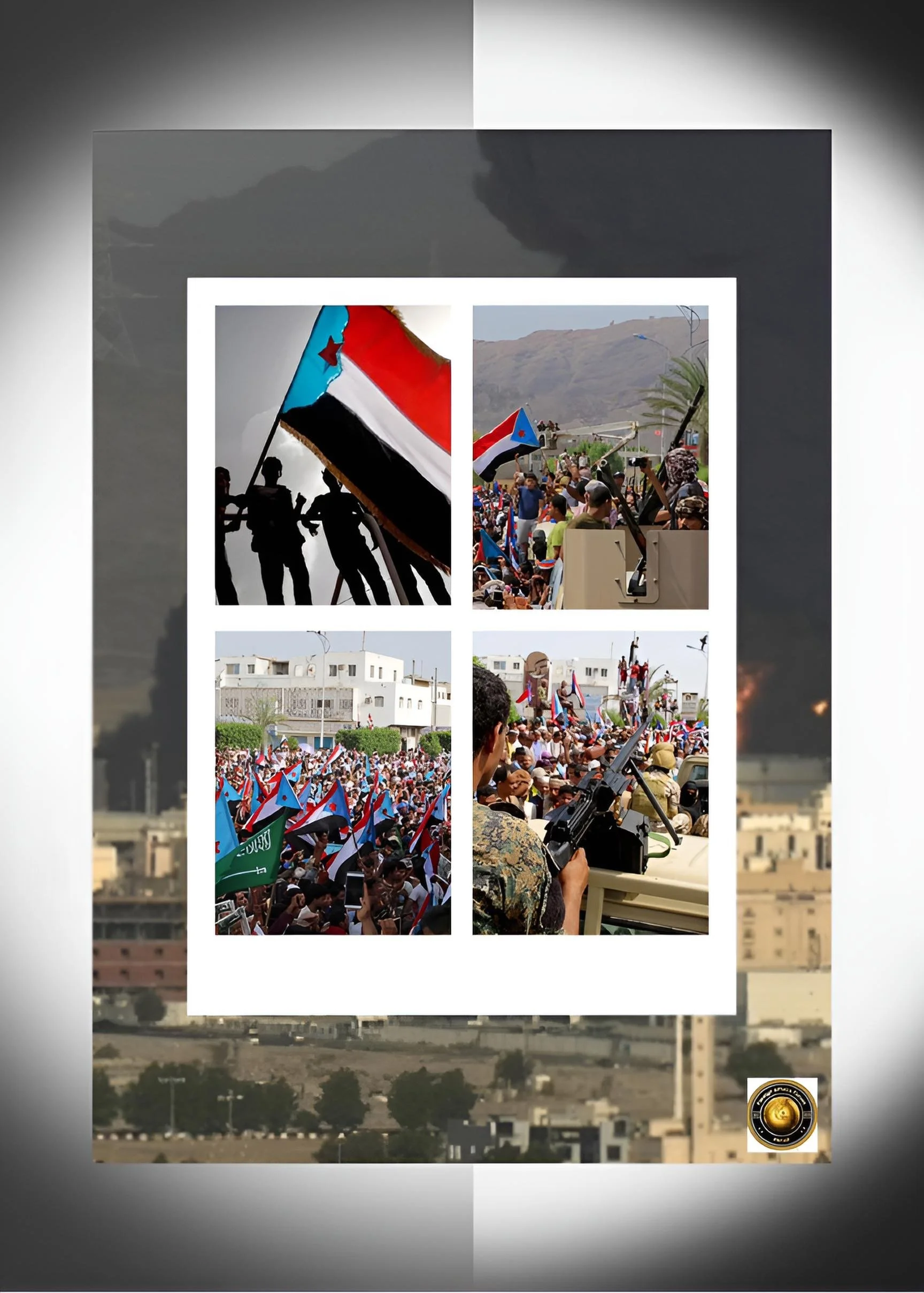
The subsequent 1994 civil war, which resulted in decisive Northern victory, drove thousands of Southern Socialist Party and military officials into exile, where they sustained networks and grievances that would eventually crystallize into the modern Southern Movement and the formation of the STC. The resurrection of the Southern flag in contemporary Aden thus represents not merely a political movement but the mobilization of decades-old institutional memory and collective trauma among displaced Southern elites.
The Riyadh Agreement and Its Failure
In November 2019, following an earlier period of STC-government violence in Aden, Saudi Arabia brokered an agreement between Yemen’s internationally recognized government and the STC designed to contain factional infighting through institutional integration rather than territorial partition.
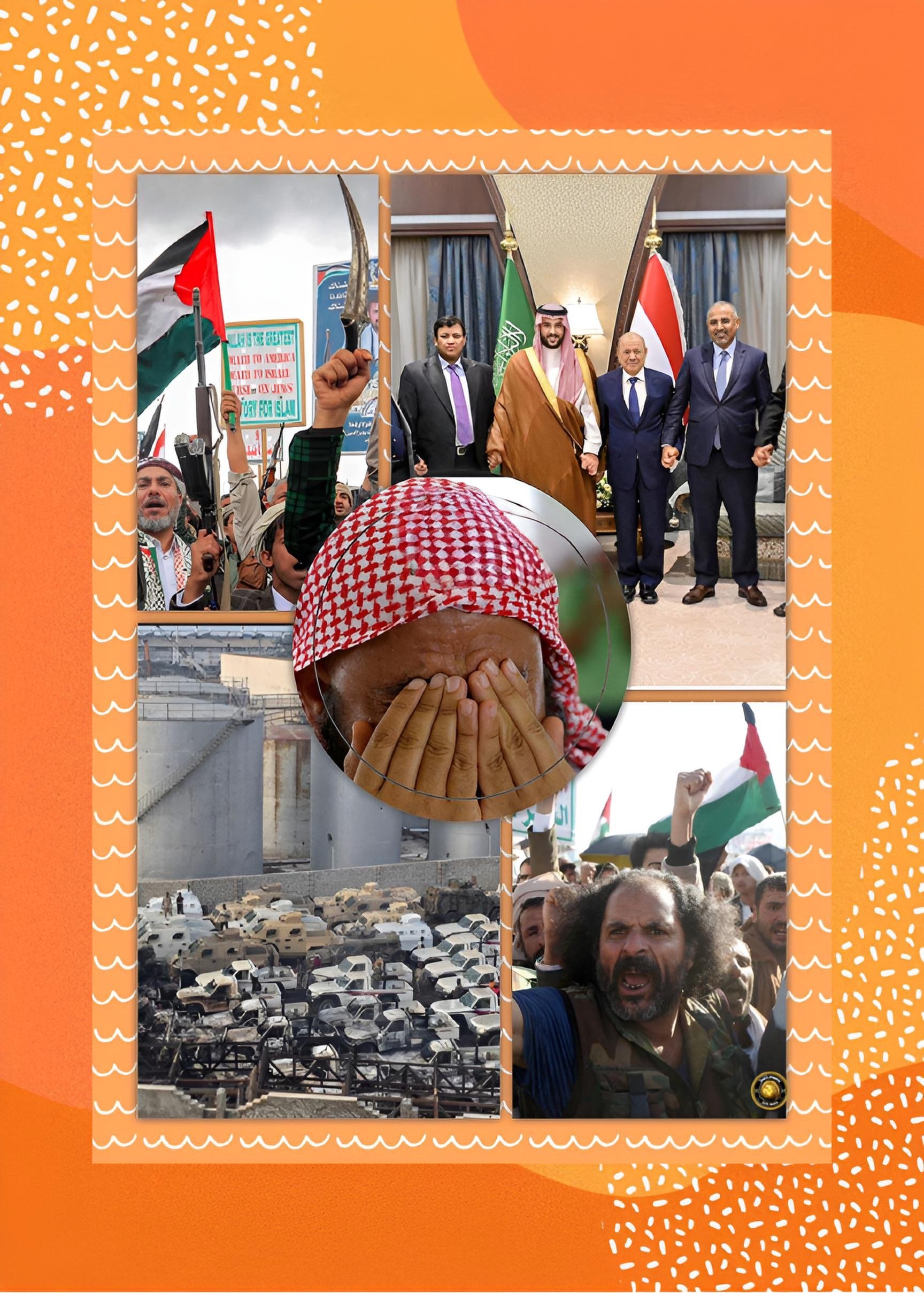
The Riyadh Agreement provided for equal power-sharing between north and south, the integration of STC forces under unified Defence Ministry control within sixty days, the formation of a collective Presidential Leadership Council, and Saudi oversight of implementation.
The agreement explicitly rejected separatism and sought to preserve Yemen’s territorial unity while addressing Southern grievances regarding marginalization and resource access. Yet the subsequent five years witnessed systematic non-implementation: the STC consolidated control over southern cities, particularly Aden; military integration stalled amid mutual distrust; and the Presidential Leadership Council emerged not as a unifying institution but as a venue for competing factions to posture without binding authority.
By late 2025, the agreement existed primarily as a rhetorical device, invoked by Saudi Arabia and international actors as justification for diplomatic initiatives while lacking substantive enforceability or acceptance among the parties themselves.
The UAE’s Southern Strategy
In stark contrast to Saudi Arabia’s emphasis on state reconstruction and border security, the United Arab Emirates pursued a parallel and increasingly explicit strategy of building reliable proxy networks in southern Yemen to advance its own regional ambitions.
The UAE’s withdrawal of formal military forces in 2019, ostensibly to comply with the Riyadh Agreement, masked a sophisticated transition to indirect control through the STC and affiliated armed groups, particularly the Security Belt Forces and the Giants Brigades. Through financial support, weapons provision, training, and logistical backing, Abu Dhabi transformed the STC from a marginalized separatist movement into the dominant military and political force across the southern coast, securing control of critical ports, coastlines, and maritime access.
The UAE’s strategy represents a deliberate challenge to Saudi Arabia’s regional hegemony and its ability to shape Yemen’s institutional future, positioning Abu Dhabi as the architect of a future southern state hospitable to Emirati interests while simultaneously constraining Iranian influence and fortifying the western flank of the Arabian Peninsula.
Key Developments and Recent Timeline
The STC’s December Offensive
On December 3, 2025, the STC initiated what it designated “Operation Promising Future,” a rapid military offensive across Hadramout Province designed to dislodge Saudi-backed and government-aligned forces and establish comprehensive territorial control over Yemen’s resource-rich eastern region. The operation commenced with the Southern Armed Forces and Hadhrami Elite Forces launching coordinated assaults on the headquarters of the First Military Region in Seiyun, accompanied by bombardments of strategic military installations and government positions.
Remarkably, resistance proved minimal; Saudi-backed forces affiliated with the Hadramout Tribal Alliance, led by influential sheikh Amr bin Habrish, withdrew from contested areas in accordance with Saudi-brokered agreements rather than mounting sustained defensive operations. Within 48 hours, the STC had consolidated control of nearly every strategically significant position in Wadi Hadramout, including Seiyun and its international airport, the First Military Region headquarters, and the critical PetroMasila oil facilities operated by Yemen’s largest oil company.
On December 4, STC forces seized the PetroMasila complex following the withdrawal of the Hadramout Tribal Alliance, an action with profound economic consequences. The operation generated significant tension with Saudi-backed forces, yet rather than escalating into intensive combat, Saudi mediation secured the alliance’s withdrawal to peripheral positions while leaving the facility under STC control. By December 9, the STC had extended its offensive into Al-Mahra Province without reported resistance, subsequently consolidating control across all six governorates comprising the former South Yemen.
The rapidity and near-complete absence of effective opposition stands in sharp contrast to the typical dynamics of Yemen’s conflict, wherein territorial shifts typically emerge from protracted attrition and complex negotiations. Instead, the offensive resembled what analysts characterized as a “handover” rather than contested warfare, suggesting either explicit or tacit Saudi acquiescence to the territorial shift.
Saudi Arabia’s Initial Reaction and Escalation
Saudi Arabia’s immediate response combined diplomatic demands with vague military threats. On December 25, responding to the STC’s continued refusal to withdraw and to alleged civilian violations, Saudi warplanes conducted two airstrikes against STC positions in the Wadi Nahb area of Hadramout Governorate.
The strikes, reported by local security officials and STC-affiliated media, generated visible explosions and smoke plumes but reportedly resulted in neither casualties nor significant damage to military equipment. Saudi Arabia declined to formally acknowledge the airstrikes, maintaining official silence even as media reports and STC claims circulated globally, suggesting an effort to maintain ambiguity regarding operational involvement while simultaneously delivering a signal of escalatory potential.
The Coalition’s Formal Warning and STC Defiance
On December 26, Saudi-led coalition spokesman Turki al-Maliki issued a formal statement declaring that the coalition would “take direct action against any military movements by the STC that undermine de-escalation efforts,” warning that violations would be “dealt with directly and immediately” to safeguard civilian lives.
The statement framed the intervention as a response to a formal request from Presidential Leadership Council Chairman Rashad al-Alimi, who documented what he characterized as “serious and shocking humanitarian violations against civilians by armed elements affiliated with the Southern Transitional Council.” Saudi Defense Minister Khalid bin Salman simultaneously declared, “It is time for the Southern Transitional Council to respond to efforts to end the escalation and withdraw its forces from military camps in Hadramout and Mahra.”
The STC responded with studied defiance. Rather than acceding to withdrawal demands or expressing contrition regarding alleged violations, the group issued a statement affirming its willingness to engage in “coordination or arrangements that safeguard shared interests with Saudi Arabia and the aspirations of southern Yemen,” thereby reframing Saudi demands as negotiable positions rather than non-negotiable ultimatums.
The statement implicitly rejected the premise that the STC’s territorial consolidation constituted an unacceptable escalation, instead positioning it as the fulfillment of legitimate southern aspirations for self-determination and resource control.
This rhetorical maneuver—transforming Saudi military pressure into a negotiation framework—suggested that the STC possessed sufficient confidence in UAE backing and territorial consolidation to resist Saudi ultimatums.
Latest Facts and Strategic Concerns
Control of Critical Economic Assets
The STC’s consolidation of Hadramout and Al-Mahra provinces has granted the organization control over approximately 80 percent of Yemen’s proven oil reserves. The seizure of PetroMasila, Yemen’s state-owned oil company, represents far more than a symbolic victory; it constitutes control over the nation’s primary mechanism for generating government revenue and foreign currency. Prior to the STC’s takeover, PetroMasila sustained production at approximately 39 percent of Yemen’s total output, with the Masila basin alone covering roughly 1,257 square kilometers and containing multiple productive blocks capable of generating substantial fiscal returns. This economic control transforms the STC from a purely military actor into a state-like entity capable of sustaining independent governance structures, servicing affiliated forces, and negotiating from a position of fiscal independence rather than dependence on external patronage.
The economic implications extend beyond oil production. The STC’s control of Hadramout grants command over critical border crossings with Saudi Arabia and Oman, international airports including Riyan Airport in Mukalla and Seiyun International Airport, and crucial seaports including Mukalla and al-Shihr, as well as the al-Dhabba oil terminal. This combination of resource, infrastructure, and geographic control positions the STC as a potentially viable economic actor capable of sustaining independent state functions, a consideration that fundamentally alters the calculus regarding the group’s capacity to resist Saudi pressure or international pressure toward reintegration.
Military Deployment and Threats
Saudi Arabia has positioned approximately 15,000 fighters aligned with the National Shield Forces—a Saudi-backed proxy force nominally under the authority of the Presidential Leadership Council—at strategic positions near the Saudi border, particularly at the crossings in Shinn, Surfeet, and Wadiaa. These forces remain under standby status without receiving orders to advance into STC-controlled territory, suggesting that Saudi Arabia has established military capacity for escalation while maintaining ambiguity regarding actual operational intent.
The positioning strategy implies Saudi calculation of multiple contingencies: capacity for military intervention if diplomatic pressure fails, deterrent signaling to discourage further STC expansion toward Saudi borders, and maintenance of leverage for negotiations without immediate commitment to kinetic operations.
Concurrently, Oman temporarily closed its border with Yemen, signaling regional anxiety regarding spillover consequences and suggesting that Saudi Arabia’s Gulf partners share concerns about the destabilizing implications of the emerging partition. The border closure implies not merely bilateral tension but broader regional recognition that the STC’s territorial consolidation represents a fundamental shift in Yemen’s political geography with consequences extending beyond Yemen’s borders into regional supply chains, smuggling networks, and border security arrangements.
Humanitarian Consequences and Disruption of Services
The STC’s military operations precipitated immediate humanitarian consequences. PetroMasila suspended oil production due to security concerns and capacity constraints, generating fuel shortages across eastern Yemen and disrupting electricity generation for power stations dependent on petroleum-derived fuel. The Electricity Corporation in Wadi Hadramout reported near-total blackouts following the disruption of gas supplies from PetroMasila, cascading failures that threatened to disable water treatment facilities, hospitals, and other critical infrastructure dependent on reliable electrical supply.
More broadly, Yemen’s humanitarian situation—already catastrophic following a decade of conflict—deteriorated further as a consequence of the STC’s territorial consolidation. Approximately 19.5 million people required humanitarian assistance in 2025, representing roughly 61 percent of Yemen’s population, with over 17 million facing food insecurity and 3.5 million suffering from severe malnutrition.
The International Monetary Fund suspended its activities in Yemen, signaling that the security and institutional conditions no longer supported development programming, with profound implications for economic stabilization efforts. The fragmentation of administrative authority across competing entities—the STC in the south, the internationally recognized government claiming nominal authority over broader territory, and the Houthis controlling the north—has further complicated humanitarian access and the delivery of lifesaving assistance to vulnerable populations.
The International Response
The United States, through Secretary of State Marco Rubio, expressed formal concern regarding the escalation while notably praising Saudi Arabia and the UAE for “diplomatic leadership” and remaining supportive of efforts to advance “shared security interests.” The diplomatic formulation—emphasizing diplomatic solutions while explicitly supporting the stated mediators—suggested American ambiguity regarding the underlying causes of the crisis and reluctance to directly pressure either Gulf power.
The U.S. statement implicitly accepted the Saudi-Emirati framing of the situation as a dispute requiring diplomatic resolution rather than addressing the fundamental question of whether Saudi Arabia and the UAE maintain compatible objectives in Yemen.
Azerbaijan, though not a direct stakeholder in Yemen’s conflict, expressed support for Saudi-Emirati de-escalation initiatives, suggesting that the incident registered internationally as a matter of regional importance. The limited explicit international condemnation or pressure—in contrast to the normative response to perceived violations of international norms or humanitarian law—reflected broader international ambiguity regarding whether the STC’s territorial consolidation and Saudi Arabia’s military response constituted acceptable or unacceptable developments within the broader framework of Yemen’s conflict.
Cause-and-Effect Analysis: The Structural Origins of Escalation
The Failure of the Riyadh Agreement Framework
The immediate trigger for the current escalation—the STC’s refusal to withdraw from Hadramout and Mahra, and Saudi Arabia’s military response—emerges from the complete institutional breakdown of the 2019 Riyadh Agreement.
The agreement, predicated on the assumption that integrating the STC into Yemen’s formal government structures would contain separatist impulses and align the organization’s interests with national unity, instead created a framework within which the STC accumulated power while maintaining organizational independence. The agreement provided the STC with seats in a collective Presidential Leadership Council and representation in a national cabinet, achievements that legitimized the organization internationally while failing to constrain its autonomous military operations or territorial ambitions. Rather than integration, the agreement produced what might be characterized as parallel structures: formal participation in institutions of nominal authority alongside the maintenance of autonomous military forces, security apparatus, and administrative capacity in STC-controlled territories.
By late 2025, the agreement had become entirely moribund. The Presidential Leadership Council functioned as a venue for factional posturing rather than collective decision-making; the cabinet included STC representatives while excluding their actual operational authority; and the mandate for military integration remained entirely unimplemented. As the STC’s institutional position within the government framework proved ineffectual in advancing separatist objectives or capturing meaningful resource flows, the organization’s leadership concluded that extrainstitutional action—military consolidation of control over resource-rich territories—represented a superior strategic path toward their goal of southern independence.
Saudi Arabia’s Inability to Enforce Institutional Agreements
The STC’s defiance of Saudi withdrawal demands reflects a deeper reality: Saudi Arabia’s capacity to enforce compliance with its preferred outcomes in Yemen has substantially declined. The kingdom entered Yemen’s conflict in 2015 with assumptions regarding its ability to reshape Yemeni politics, restore the internationally recognized government to power, and establish a unified state amenable to Saudi interests. After more than a decade of military intervention, tens of billions of dollars in expenditure, and sustained coalition operations, none of these objectives have been achieved.
The Houthis remain in control of Yemen’s most populous regions; the internationally recognized government remains dependent on Saudi largesse and external legitimacy rather than exercising autonomous authority; and the state’s capacity to provide services or command loyalty has deteriorated rather than improved.
This erosion of Saudi influence, evident across Yemen’s political landscape, extends equally to the STC. Having achieved the military capacity to resist Saudi pressure—particularly through UAE support—the STC increasingly treats Saudi demands as negotiation positions rather than directives to which compliance is mandatory. The organization calculates that it can sustain its territorial control through UAE backing while simultaneously engaging Saudi Arabia in negotiations that might yield recognition of its territorial gains or acceptance of its strategic autonomy. The STC’s implicit strategy appears to involve negotiating from the foundation of accomplished military facts rather than accepting predetermined outcomes mandated by Saudi Arabia.
UAE Empowerment and Strategic Divergence
The UAE’s systematic empowerment of the STC over the past decade has been deliberately designed to establish a reliable southern proxy amenable to Emirati interests while simultaneously constraining Saudi Arabia’s ability to impose unified governance on Yemen.
Abu Dhabi’s strategy reflects a broader regional calculation: that ensuring reliable regional allies along critical maritime corridors and preventing Iran-aligned forces from achieving hegemonic control justifies the deliberate fragmentation of Yemen’s state structures.
The UAE’s willingness to support southern separatism, while nominally committed to the Riyadh Agreement framework, created profound asymmetry within the Saudi-Emirati partnership. Saudi Arabia sought to limit the consequences of its military exit from Yemen by preserving state structures and institutional continuity; the UAE sought to maximize its regional influence through the consolidation of proxy control and the establishment of reliable strategic assets.
The STC’s December offensive, while not explicitly coordinated with UAE planning, appears consistent with Emirati strategic preferences and occurred in an environment in which the UAE’s diplomatic support remained unconditional. When Saudi Arabia attempted to orchestrate STC withdrawal through a joint Saudi-Emirati military delegation, the UAE’s simultaneous expression of support for “Saudi diplomatic leadership” masked underlying alignment with the STC’s territorial consolidation.
The current escalation thus represents not a tactical miscalculation but rather the logical outcome of allowing two states with fundamentally incompatible Yemen strategies to pursue parallel policies without establishing mechanisms for resolution of divergence.
Houthi Advantage from Coalition Fragmentation
As Saudi Arabia and the UAE engage in direct military confrontation over Yemen’s southern territories, the Iran-backed Houthis have emerged as the clear strategic beneficiary of opposition fragmentation.
The Houthis entered the conflict as an insurgent movement without state capacity, territorial control of resource infrastructure, or international legitimacy. Through a combination of Iranian support, operational innovation, and—crucially—the fragmentation of their opponents into competing factions, the Houthis have consolidated control over Yemen’s most populous regions, established state-like governance capacity, and positioned themselves as the most cohesive armed actor on Yemen’s political landscape.
The Houthi negotiating position strengthens as Saudi-backed forces become increasingly divided. UN Special Envoy Hans Grundberg has sought to facilitate a broader political settlement between the Houthis and the internationally recognized government; however, as the Presidential Leadership Council fragments into competing regional power centers, the Houthis face an increasingly fragmented negotiating landscape in which they can extract concessions from weaker opponents or potentially pursue military advantages against disunited adversaries.
One analysis suggests that the Houthis will use the current period of southern fragmentation to consolidate their own institutional capacities, sustain their war economy, and enter any future negotiations from a position of enhanced strategic leverage relative to a fractured opposition.
The Path Forward: Escalation Scenarios and Likely Trajectories
Short-Term Dynamics (December 2025 - March 2026)
In the immediate term, the most probable scenario involves continued military posturing without full-scale Saudi intervention. Saudi Arabia has established military capacity through the 15,000-troop deployment; however, committing these forces to large-scale operations in Hadramout would constitute a dramatic escalation with uncertain consequences and significant logistical challenges.
The kingdom’s previous decade of Yemen intervention has generated substantial war fatigue within the Saudi political establishment and society; launching a new major military operation carries domestic political costs that the regime may be reluctant to incur, particularly given competing regional priorities and the focus on Vision 2030 domestic transformation initiatives.
The STC, conversely, possesses sufficient confidence in UAE support, territorial consolidation, and Saudi hesitation to resist withdrawal demands. The organization will likely consolidate administrative control over newly captured territories, establish revenue flows from PetroMasila, and signal openness to negotiations that implicitly accept its territorial control as a baseline rather than a reversible fact.
Short-term consolidation is highly probable, with the STC recruiting local forces, establishing security apparatus in captured areas, and moving toward de facto state functions in Hadramout and Mahra. Saudi airstrikes, if repeated, will likely remain at the level of symbolic messaging rather than escalating toward comprehensive air campaigns designed to degrade STC military capacity.
The most likely near-term outcome involves a ceasefire-in-place or negotiated arrangement that implicitly accepts the STC’s territorial control while providing Saudi Arabia with diplomatic mechanisms to claim victory in containing further separatist expansion. Such arrangements might involve STC commitments to refrain from further military operations, joint coordination mechanisms between Saudi and STC forces regarding operations against the Houthis, or implicit recognition of STC territorial control in exchange for expressions of commitment to continued participation in Yemen’s formal government structures.
Medium-Term Prospects (2026 - 2027)
As the STC consolidates territorial control and develops revenue-generating capacity through oil production and port operations, the probability of a formal declaration of independence increases substantially. The organization currently possesses de facto state capacity: territorial control, administrative apparatus, military forces, revenue sources, and external patronage through the UAE. The primary constraint on formal independence derives from international recognition, which remains difficult to achieve (as the Somaliland and Iraqi Kurdistan precedents demonstrate) and which requires acceptance or at least acquiescence from regional powers and the international community.
A formal STC independence declaration would represent a point of no return, transforming a territorial dispute within the framework of a unified Yemen into an international recognition question. Saudi Arabia would likely oppose such a declaration as contrary to its core interest in preserving Yemen’s territorial integrity; however, if the kingdom has accepted de facto partition as the lesser evil compared to continued military commitment or the strengthening of Houthi forces, explicit opposition might remain muted. The international community would face a question regarding whether Somaliland-like de facto independence, absent formal international recognition, represents an acceptable regional outcome.
Over this period, the humanitarian crisis in Yemen will almost certainly intensify. Fragmented governance across multiple competing authorities will further degrade the delivery of humanitarian assistance, the functioning of basic services, and the maintenance of economic activity. The World Bank has assessed that economic conditions in Yemen are already “terrible,” with half the population facing food insecurity; further fragmentation will almost certainly worsen these conditions. The prospect of famine becomes substantially more probable as economic activity declines and international support dwindles in the context of perceived state failure.
Long-Term Consolidation (2027 and Beyond)
Analysts at the Brookings Institution and other research organizations have concluded that a durable two-entity Yemen—comprising a north controlled by the Houthis and a south controlled by the STC—represents the most probable long-term outcome.
This scenario would essentially formalize the partition already evident in Yemen’s political geography, with the Houthis controlling the most populous northern regions and maintaining ties to Iran, while the STC controls resource-rich eastern and southern territories and maintains alignment with the UAE.
The internationally recognized government, already a fiction in terms of actual governance capacity, would fade into irrelevance or become a rump entity claiming nominal authority without territorial control.
Such a partition carries profound regional implications. The Houthis, operating from secure territorial bases and with Iranian support, would maintain capacity for regional disruption—through missile and drone attacks on shipping, through attacks on neighboring states, and through sustained hostility toward American and international actors in the region.
The STC-controlled south would transform into a UAE client state, potentially offering basing and logistics capabilities for UAE-led regional operations, particularly against Iran and Iran-aligned forces. The result would be a bifurcation of Yemen that formally ends hopes for state reunification while simultaneously establishing clearer lines of control and governance, potentially reducing the chaotic violence that has characterized the conflict during periods of territorial fluidity.
Implications for Regional Stability and Global Interests
The Red Sea Corridor and Maritime Security
The STC’s control of critical ports in Hadramout and al-Mahra, combined with potential Houthi consolidation in the north, will transform the strategic geometry of Red Sea shipping and maritime security. The Houthis have already demonstrated capacity to disrupt Red Sea traffic through missile and drone attacks; a more stable northern state under Houthi control might actually rationalize Houthi operations toward sustainable disruption strategies rather than the current opportunistic violence. Conversely, the STC-controlled south would remain under the umbrella of UAE protection, potentially offering stability and freedom of navigation for maritime commerce aligned with UAE interests.
The international community’s Red Sea security concerns will require engagement with multiple Yemeni authorities rather than a single interlocutor. The fragmentation of Yemeni maritime authority across the Houthis, the STC, and potentially remaining government forces will complicate freedom of navigation initiatives and potentially require direct negotiation with the Houthis—a development that neither Saudi Arabia nor the United States initially welcomed but which may become pragmatically necessary.
The Broader Saudi-UAE Relationship
The current escalation represents the most serious public rupture in the Saudi-UAE alliance since their initial partnership began deteriorating following the 2017 Qatar crisis. Both states maintain profound interest in preserving their partnership to counter Iran and manage regional affairs; however, Yemen has emerged as an issue where their fundamental objectives are fundamentally at odds. Saudi Arabia’s interest in state preservation and border security conflicts with the UAE’s interest in proxy control and strategic positioning. Managing this conflict while maintaining the broader alliance requires either a negotiated resolution regarding Yemen’s future or the implicit acceptance of competing spheres of influence.
Over the medium term, the most probable outcome involves tacit acceptance of partition, with Saudi Arabia implicitly accepting STC independence in the south in exchange for the UAE’s acceptance of Saudi de-escalation with the Houthis in the north. Such an arrangement would preserve the formal Saudi-UAE alliance while allowing each state to pursue its core objectives in Yemen’s distinct regions. However, achieving such an understanding requires explicit or implicit negotiation of the underlying contradiction—a conversation that has not yet occurred publicly and may remain politically difficult for either state to acknowledge explicitly.
Humanitarian and Development Implications
The formalization of Yemen’s partition would likely accelerate humanitarian deterioration in the short term while potentially enabling recovery in the longer term. In the absence of integrated governance and with competing authorities controlling resource flows, humanitarian access will further decline, economic recovery will remain impossible, and preventable disease mortality will likely increase. The prospect of renewed mass displacement, particularly if the STC moves to consolidate control through means that displace existing populations, cannot be excluded.
Over a longer horizon, if partition stabilizes and international engagement with both the northern Houthi state and the southern STC entity becomes normalized, development and humanitarian reconstruction becomes theoretically possible. However, given the profound economic destruction already inflicted by over a decade of warfare, the ideological orientation of both likely governing entities, and the absence of any visible economic base outside of oil and port operations in the STC territories, long-term development prospects remain poor even under the most optimistic partition scenarios.
Conclusion
The Saudi-Emirati Split: How Yemen’s Partition Became Inevitable
The December 2025 escalation between Saudi Arabia and the STC, marked by unconfirmed but widely reported airstrikes and formal military threats, represents far more than a tactical crisis requiring diplomatic resolution. Instead, the incident crystallizes the complete institutional failure of the international community’s Yemen strategy, the irreconcilable divergence between Saudi and Emirati objectives, and the emergence of a de facto partition that formal institutions have proven unable to prevent or manage. Yemen’s internationally recognized government, invested with international legitimacy and Saudi military backing, has proved entirely unable to govern; the Presidential Leadership Council has become a forum for factional competition rather than collective decision-making; and the Riyadh Agreement framework has collapsed into irrelevance.
The STC’s consolidation of Yemen’s resource-rich eastern territories and its refusal to withdraw despite Saudi military pressure signals that the organization has achieved sufficient autonomous capacity and external support to resist coercion. The STC’s strategy appears oriented toward negotiating from the foundation of accomplished territorial facts rather than accepting predetermined outcomes mandated by Riyadh. Saudi Arabia, conversely, has demonstrated both military capacity and diplomatic pressure tools while simultaneously revealing the limits of both: its 15,000-troop deployment and airstrikes have failed to reverse the territorial consolidation, suggesting that any broader military campaign would require substantially greater commitment or willingness to accept attrition among proxy forces.
The Houthis emerge as the strategic beneficiary of this escalation, as their opponents fragment into competing regional actors. The prospect of the Houthis maintaining control of Yemen’s north while the STC controls the resource-rich south increasingly appears not as a failure to achieve international objectives but rather as the most probable outcome of current trajectories. Such a partition would formalize the existing reality while potentially enabling the establishment of clearer governance structures and reduced violence, albeit at the cost of permanent Yemeni division and ongoing humanitarian catastrophe.
For Yemen’s devastated population—17 million facing food insecurity, nearly 18 million lacking access to safe water, and 19.5 million requiring humanitarian assistance—this escalation portends further decline in living conditions, disruption of services, and the acceleration of state collapse. The window for reversing Yemen’s trajectory toward permanent partition and humanitarian catastrophe has essentially closed; the focus must now shift toward managing the consequences of partition, coordinating humanitarian assistance across multiple authorities, and ensuring that formalized division does not produce renewed large-scale conflict.
The airstrikes of December 2025, whether technically confirmed or plausibly deniable, represent not a solution to Yemen’s crisis but rather another marker of institutional failure and the logic of partition asserting itself against the formal commitments to unity and integration that international actors continue, increasingly unconvincingly, to proclaim.