Gulf Apocalypse? Inside Saudi’s Yemen Ultimatum and Houthi Triumph
Breaking News
Saudi Arabia’s issuance of a stark ultimatum to the United Arab Emirates, demanding the withdrawal of its forces from Yemen within 24 hours, represents a seismic fracture in the Gulf alliance that has long shaped the Arabian Peninsula’s security architecture.
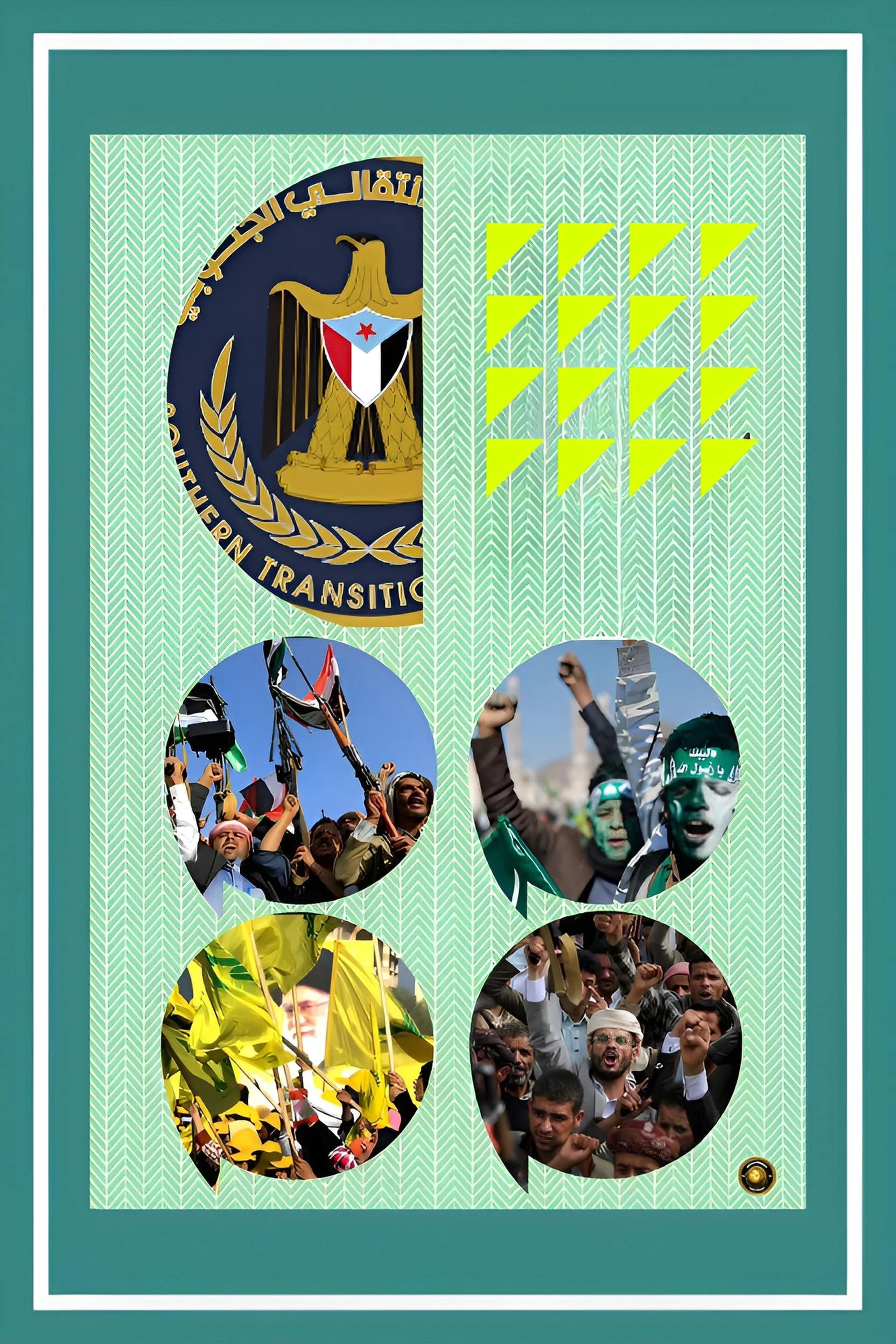
This confrontation, precipitated by Saudi airstrikes on UAE-backed separatist positions, portends profound repercussions for the Houthis, the Southern Transitional Council (often conflated with Security Belt Forces or SLA in operational contexts), and Yemen’s entrenched de facto partition.
Amidst this turmoil, Yemen hurtles toward irreversible fragmentation, with cascading implications for regional stability and great power rivalries.
Executive Summary
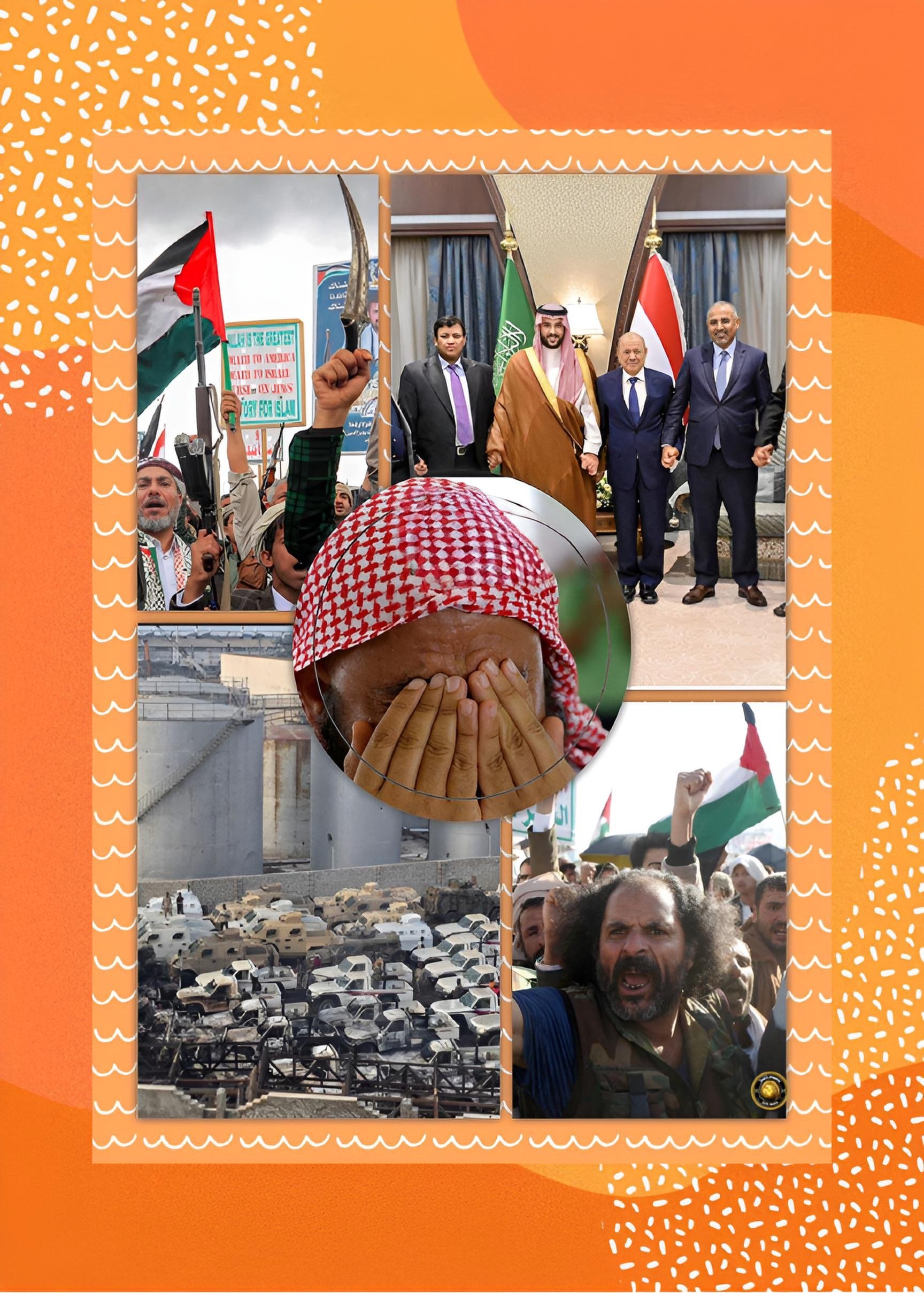
The Saudi-UAE rift erupted when Riyadh, endorsing Yemen’s Presidential Leadership Council, bombed the port of Mukalla to interdict an alleged UAE weapons shipment destined for the Southern Transitional Council, which had seized control of the oil-rich eastern provinces of Hadramout and al-Mahra.
This ultimatum, framed as a defense of national security, compelled Abu Dhabi to announce the withdrawal of its remaining counterterrorism units, exposing the coalition’s internal fissures after a decade of joint anti-Houthi operations.
For the Houthis, this infighting dilutes southern resistance, potentially enabling territorial consolidation and intensified Red Sea disruptions; the STC faces isolation yet gains de facto autonomy over southern resources; Yemen’s future crystallizes as a tripartite division—Houthi north, STC south, and nominal government remnants—rendering unification a geopolitical chimera. Urgent diplomatic intervention is imperative to avert humanitarian catastrophe and proxy escalation.
Introduction
In the scorched crucible of Yemen’s civil war, where proxy ambitions collide with tribal loyalties and ideological fervor, the Saudi ultimatum to the UAE marks not merely a tactical rebuke but a paradigm shift in Gulf realpolitik.
Once unified against Iran-backed Houthi insurgents since 2015, Riyadh and Abu Dhabi now confront each other through Yemeni proxies, with Saudi jets striking ports to halt Emirati arming of separatists.
This escalation, unfolding in late December 2025, underscores the fragility of alliances forged in exigency, as divergent visions—Saudi preference for a centralized Yemeni state versus UAE pursuit of a balkanized south—collide amid Yemen’s de facto tripartition. The stakes transcend Yemen’s borders, imperiling OPEC cohesion, Red Sea commerce, and the broader contest against Iranian influence, while offering Tehran a vantage to exploit Arab disarray.
History and Current Status
Yemen’s descent into anarchy traces to 2014, when Houthi Zaydi rebels, empowered by Iranian munitions and doctrinal zeal, overran Sanaa, ousting President Abdrabbuh Mansur Hadi and igniting a multifaceted war.
Saudi Arabia spearheaded a coalition intervention in March 2015, enlisting UAE forces to restore Hadi’s government, bomb Houthi redoubts, and sever Tehran’s lifeline.
Initial successes fragmented into stalemate: Houthis entrenched in the populous northwest, including Sanaa and Hudaydah, while anti-Houthi factions splintered. The UAE, prioritizing southern security against al-Qaeda and smuggling, pivoted to backing the Southern Transitional Council in 2017, birthing tensions with Riyadh’s vision of Yemeni unity under Hadi’s successors.
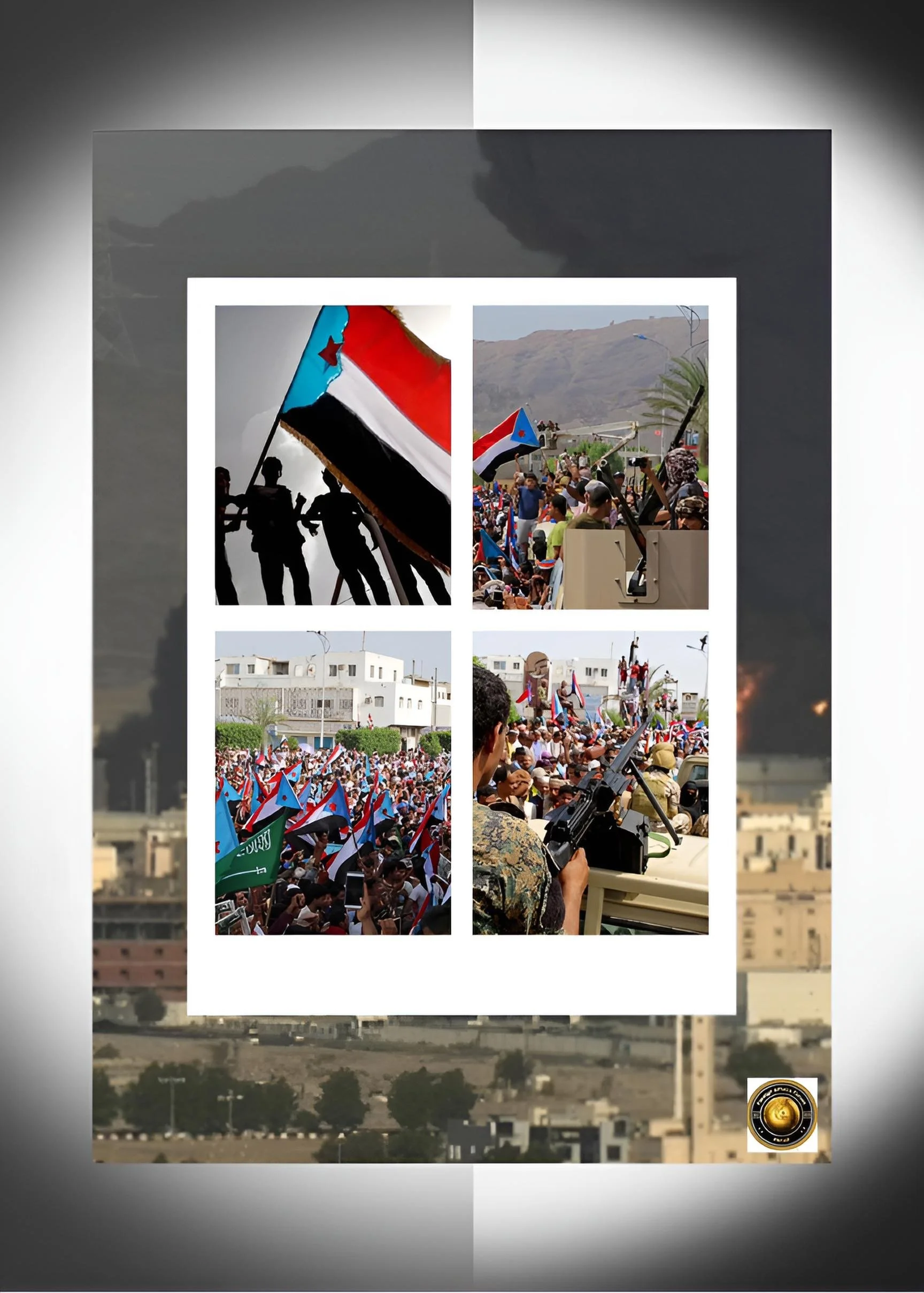
By 2025, Yemen embodies de facto partition. Houthis govern the north, wielding ballistic missiles to harass shipping and assert Shiite revivalism. The STC, UAE-nurtured, dominates Aden and southern governorates, advocating secession to revive pre-1990 South Yemen.
The Presidential Leadership Council, Riyadh-aligned and exiled in part, clings to legitimacy over remnant territories, its writ evaporating amid factional strife. Recent STC offensives captured Hadramout—home to lucrative oil fields—and al-Mahra, bordering Oman and Saudi Arabia, prompting Riyadh’s alarm over border threats and resource control. Saudi airstrikes on Mukalla, targeting UAE vessels, crystallized this schism, with Yemen’s council chairman Rashad al-Alimi revoking a defense pact and declaring emergency measures, including port blockades.
Key Developments
The catalyst unfolded in mid-December 2025, as STC forces, defying power-sharing pacts, surged eastward, securing camps and ousting government loyalists in a bid to monopolize southern governance.
Saudi Defense Minister Khalid bin Salman publicly implored peaceful withdrawal, invoking joint Saudi-Emirati de-escalation efforts. STC rejection precipitated coalition warnings of “direct action,” culminating in the Mukalla strikes—precise hits on arms shipments that Riyadh decried as fueling rebellion. Al-Alimi’s televised address accused UAE orchestration, imposing a 24-hour expulsion deadline, 90-day emergency, and no-fly zones.
UAE riposte emphasized voluntary counterterrorism exit, decrying the assault while denying separatist sponsorship, though evidence of Emirati logistical imprimatur mounted. STC spokesmen vowed defiance, framing advances as anti-terror purges, while four council members aligned with them repudiated unilateral edicts, signaling institutional rupture.
Latest Facts and Concerns
As of December 30, 2025, UAE forces commenced phased withdrawal, averting immediate clash but leaving STC militias exposed. No casualties marred the Mukalla raid, yet Saudi rhetoric escalated, deeming UAE actions a “red line” imperiling kingdom security. Concerns proliferate: humanitarian blockade risks exacerbating famine in a nation where 18 million require aid; STC control of 52 percent of territory, including energy chokepoints, invites jihadist resurgence in ungoverned voids; Houthi opportunism looms, their missile salvos undeterred.
Economically, Gulf discord threatens OPEC output consensus ahead of virtual summits. Regionally, Israel’s Somaliland overtures stoke Houthi ire, risking multi-domain escalation. Foremost alarms Yemen’s youth bulge and depleted institutions, primed for proxy-fueled anarchy.
Cause-and-Effect Analysis
Saudi impatience stems from STC encroachments abutting its frontier, evoking fears of UAE-engineered buffer states diluting Riyadh’s influence. UAE calculus prioritizes Aden as anti-Iran bastion and commercial hub, viewing Hadi remnants as Sanaa puppets unresponsive to southern grievances.
This proxy divergence begets cascading effects: coalition airstrikes erode anti-Houthi unity, emboldening Tehran to ramp munitions flows via smuggling routes. Houthis benefit asymmetrically, their northern stronghold insulated from southern fratricide, enabling Red Sea interdictions that spike global shipping costs and compel Western naval surges.
STC gains tactical autonomy yet strategic vulnerability, bereft of UAE boots, facing Saudi-backed reprisals and local tribal pushback in Hadramout. Yemen’s partition deepens: resource-rich south detaches fiscally, north hardens theocratically, central pretensions dissolve. Broader ripples unsettle Gulf cohesion, inviting Qatari mediation or Chinese arbitrage in energy markets, while empowering non-state actors to exploit vacuums.
Future Steps
Immediate de-escalation hinges on UN envoy brokerage, potentially convening Riyadh, Abu Dhabi, and proxies in Oman for truce enforcement. Saudi likely doubles border fortifications, channeling aid to loyalists while pressuring STC via financial levers.
UAE withdrawal presages covert sustainment—drones, advisors—fortifying STC against Houthi probes. Presidential Council must recalibrate, integrating southern voices sans secessionist vetoes, perhaps via federal devolution.
Houthi containment demands resumed coalition air campaigns, synchronized sans infighting. Long-term, international recognition of partitioned realities—Houthi autonomy north, STC confederacy south—may stabilize, contingent on demilitarization and resource pacts. Absent intervention, multifront war looms: STC-Houthi clashes, Saudi proxy offensives, al-Qaeda revival. External actors—US under President Trump prioritizing Israel-Sunni axis, Iran doubling down—could catalyze or contain, hinging on Gulf reconciliation.
Conclusion
Saudi Arabia’s ultimatum unmasks the Yemen quagmire’s terminal phase: a failed state cleaved by superpower proxies, where Gulf allies transmute foes. Houthis emerge ascendant, STC entrenched yet besieged, partition ossifying into permanence.
This denouement imperils peninsular security, global trade, and Arab unity against Persian revisionism.
Only resolute diplomacy, transcending proxy machinations, can forestall catastrophe; otherwise, Yemen’s agony metastasizes, redrawing Middle Eastern fault lines with inexorable finality.