Abu Dhabi Meetings: Participants and Key Discussions Between Ukraine, the US, and Russia
Introduction
The Abu Dhabi talks represented a critical phase in the peace negotiation process, though the meetings had distinct purposes and involved different participants than a direct US-Ukraine negotiation.
Meeting Participants
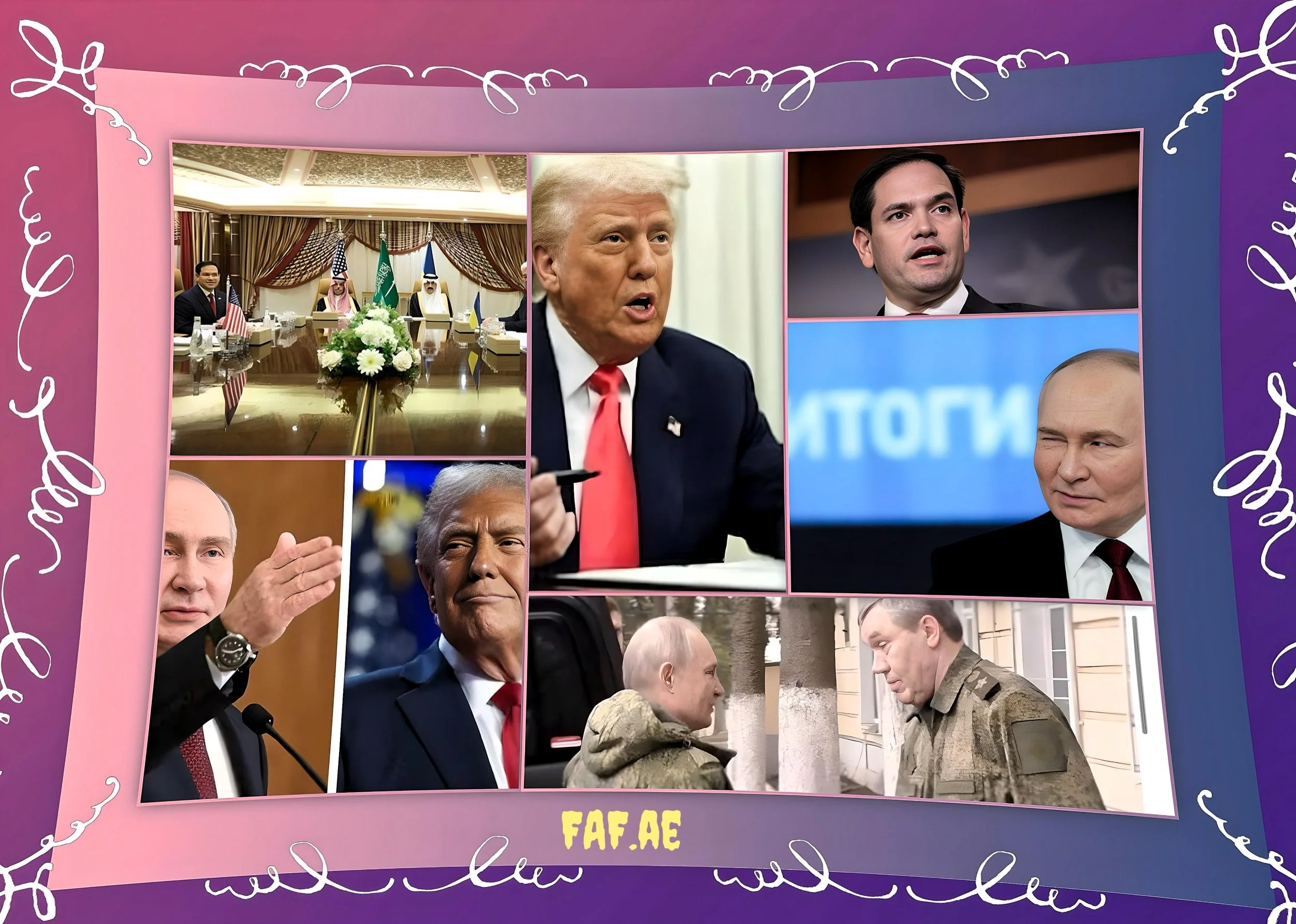
The primary Abu Dhabi meeting on November 24-25 was between the U.S. and Russian delegations
U.S. Army Secretary Dan Driscoll served as the highest-ranking American participant and led the discussions.
Secretary of State Marco Rubio had also been involved in the preceding Geneva talks.
Russian officials participated with the endorsement of President Putin, though the specific composition of the Russian delegation was not publicly disclosed.
Ukrainian representation in Abu Dhabi was indirect
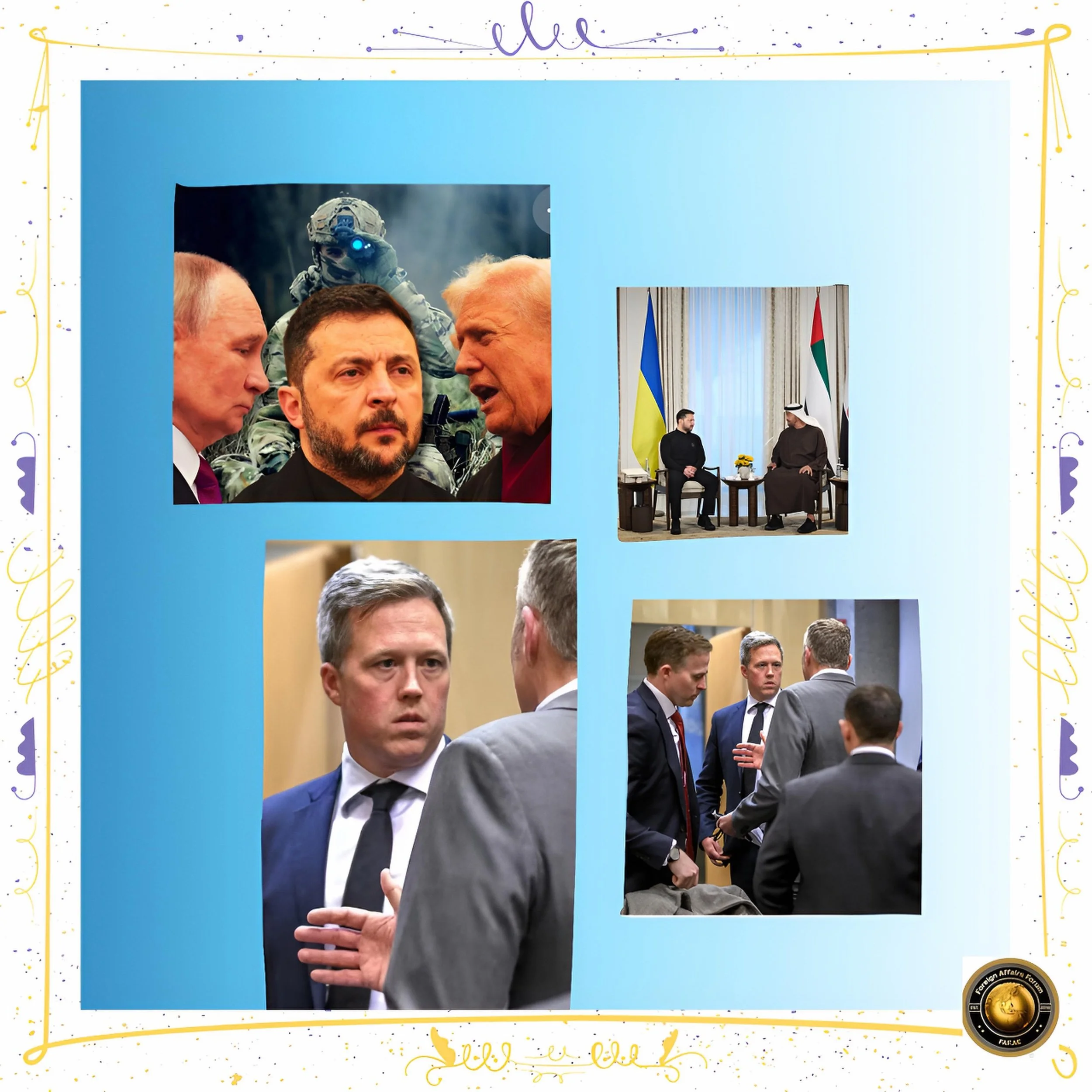
Kyrylo Budanov, head of Ukrainian military intelligence, was in Abu Dhabi and reportedly met with both American and, potentially, Russian officials.
However, sources clarified that Ukraine did not directly negotiate with Russia in Abu Dhabi.
Instead, the Ukrainian delegation had already reached its agreement with the United States during the Geneva talks over the preceding weekend.
Key Points Discussed
The Abu Dhabi discussions focused on the Russian response to the revised 19-point plan
Driscoll’s mission was to present the modifications to the 28-point proposal made during the Geneva negotiations with Ukraine and to assess Moscow’s reaction.
According to reports, the talks were intended to “go over the changes made to the 28-point plan discussed in Geneva.”
Russian officials asserted that the plan should align with Alaska summit principles
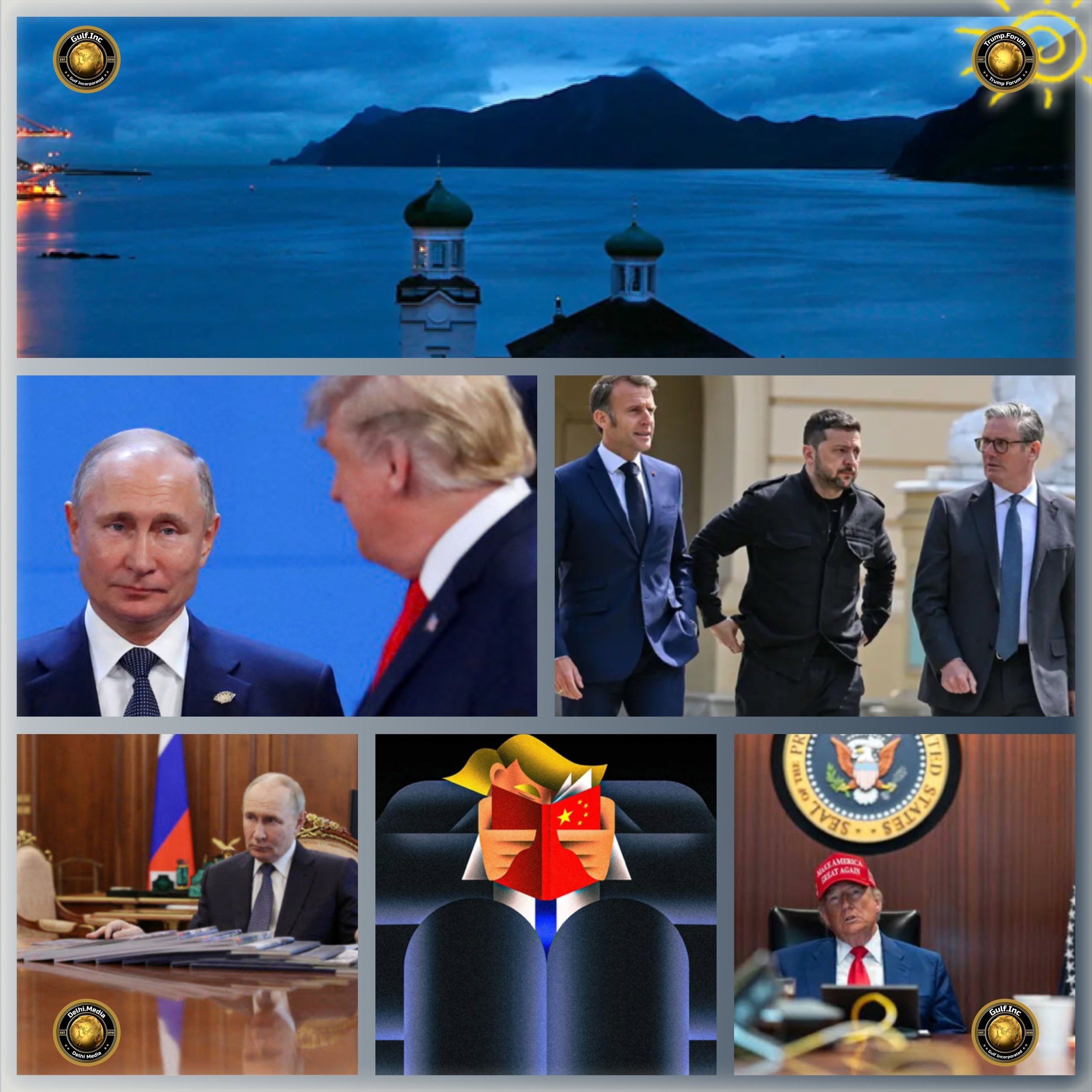
Russian Foreign Minister Sergey Lavrov stated that Moscow had not yet officially received the revised 19-point proposal and emphasized that Russia’s position remained anchored to the understandings reached during Trump and Putin’s August 2025 summit in Alaska.
Putin himself reiterated that Russia’s fundamental demands have not changed since that summit.
The discussions appear to have been exploratory rather than conclusive
One informed source indicated that the Russian and Ukrainian military intelligence leaders had been scheduled to meet in Abu Dhabi for a separate agenda. Still, Driscoll’s unexpected visit altered those plans.
This suggests the talks were still in preliminary stages rather than representing final negotiations.
Agreements Reached
No formal agreements were publicly announced from the Abu Dhabi talks.
The meetings appeared to be designed to set the conditions for further high-level negotiations rather than to finalize terms.
Driscoll’s discussions were framed as follow-ups to the Geneva agreement and preparation for potential subsequent meetings between Trump and Putin.
Likelihood of Trump-Putin Agreement on the 19-Point Plan
The prospects for a Trump-Putin agreement on the 19-point framework appear significantly constrained by fundamental incompatibilities between the revised proposal and Russia’s stated demands.
Current Status of Negotiations
Trump has signaled optimism despite persistent gaps
On November 25, Trump announced on Truth Social that there were “only a few remaining points of disagreement” and stated he would send envoy Steve Witkoff to Moscow to meet Putin, framing the deal as “close.”
However, this optimistic framing contrasts sharply with reported expert assessments and Russian positioning.
Russia’s position remains unchanged from the Alaska summit
Putin explicitly stated at a Security Council meeting on November 21 that his demands have not fundamentally changed since the August Alaska summit.
Russia continues to demand
(1) recognition of all currently occupied territories as Russian.
(2) territories Russia claims but does not fully control.
(3) guarantees that Ukraine will never join NATO.
(4) curtailment of Ukraine’s military.
(5) lifting of sanctions.
Why Agreement Remains Unlikely
The 19-point plan represents a significant retreat from Russia's original 28-point demands.
The revised proposal removes the automatic bar on NATO membership, eliminates the military personnel cap that heavily favored Russia, and leaves territorial issues for later discussion rather than predetermined concessions.
These modifications directly contradict the framework Russia believed it had secured in Alaska.
Russian media positioning suggests rejection is forthcoming
Insiders familiar with Kremlin strategy suggest that Moscow is likely to reject the 19-point plan and initiate a media campaign asserting that Trump and Putin had already reached a preliminary agreement on the 28-point proposal during the Alaska summit, which granted Russia nearly all of its demands.
This positioning indicates Russia intends to hold Trump to what Russian officials believe was a preliminary understanding.
Russia has explicitly rejected linking the Ukraine peace and bilateral US-Russia negotiations
The Kremlin prefers to negotiate an end to the Ukraine war and separate bilateral US-Russia issues through different channels, contrary to the Trump administration’s stated preference to address both within a single framework.
This structural disagreement adds another layer of complexity to reaching an agreement.
Institutional constraints within the peace framework remain
Ukraine has set clear “red lines” on territorial integrity, military capabilities, and its right to choose international alliances.
While Ukraine has accepted the revised 19-point plan, Ukrainian officials have emphasized these non-negotiable positions.
Any further concessions to Russia would likely trigger Ukrainian rejection and threaten the fragile consensus achieved in Geneva.
Conclusion
The likelihood of a comprehensive Trump-Putin agreement on the 19-point plan in the near term appears low to moderate.
Trump’s personal motivation to achieve a quick end to the conflict is genuine, as evidenced by his fluid deadlines and willingness to revise proposals.
However, the structural gap between what Russia demands (full recognition of territorial gains and NATO exclusion) and what the 19-point plan offers (deferred territorial discussions and preserved NATO optionality) suggests a significant impasse.
A more probable scenario involves either
(1) a limited agreement on ceasefires or humanitarian corridors rather than a final settlement
(2) a return to the 28-point framework with minor modifications that Russia might accept
(3) prolonged negotiations extending well beyond the current timeline, with the conflict continuing through 2026 as some analysts predict.