Brazil’s Multifaceted Transformation: Geopolitical Leverage, Domestic Policy Tensions, and the Rejection of American Interventionism
Introduction
Brazil confronts an extraordinarily complex juncture characterized by intensifying geopolitical maneuvering, profound domestic policy contradictions, and escalating tensions with the Trump administration.
The nation’s trajectory under President Luiz Inácio Lula da Silva reveals a sophisticated attempt to leverage natural resource endowments for diplomatic advantage while navigating formidable fiscal constraints, environmental pressures, and constitutional conflicts that expose fundamental tensions within Brazilian governance.
Drug Policy Evolution: Judicial Autonomy Against American Military Interventionism
Brazil’s drug policy transformation represents an indigenous judicial evolution categorically independent of American pressure—indeed, it constitutes an explicit repudiation of Washington’s militarized approach to narcotics control in Latin America.
In February 2025, Brazil’s Supreme Federal Court (STF) unanimously ratified its landmark decriminalization ruling, establishing 40 grams as the threshold for personal marijuana possession.
This decision, culminating a decade-long jurisprudential process initiated in 2015, represents a fundamental paradigmatic shift toward harm reduction and public health frameworks rather than punitive criminalization.
Critically, this policy recalibration stands in diametric opposition to the Trump administration’s hemispheric strategy.
President Lula has vociferously challenged Trump’s designation of Latin American drug trafficking organizations as terrorist entities, asserting at the United Nations General Assembly in September 2025 that “it is worrying to equate crime with terrorism”.
Brazil advocates instead for multilateral cooperation targeting the financial infrastructure undergirding organized crime—specifically money laundering networks and asset seizure—rather than kinetic military operations.
The Trump administration has pursued an aggressively militarized counternarcotics posture, deploying naval assets and conducting strikes against suspected drug vessels throughout the Caribbean Basin.
Since early September 2025, U.S. forces have executed at least 13 maritime interdiction operations resulting in approximately 57 fatalities.
The administration dispatched the USS George Washington carrier strike group to the region in October 2025 and has contemplated strikes against cocaine production facilities within Venezuelan territory.
Lula has explicitly condemned this interventionist paradigm, urging the United States to “cooperate against drug trafficking instead of invading countries”.
This posture reflects Brazil’s broader commitment to what Lula terms “cooperative multipolarity”—a vision of international order predicated on sovereignty, multilateral institutions, and negotiated solutions rather than unilateral military force.
Brazil’s new drug policy architecture, inspired by Portugal’s model, establishes Centers for Access to Rights and Social Inclusion (CAIS), where individuals found with cannabis may be referred for social services rather than subjected to incarceration.
However, critics contend this framework creates quasi-compulsory treatment referral mechanisms that disproportionately impact marginalized communities, particularly Afro-Brazilians and favela residents.
The policy demonstrates Brazil’s assertion of judicial and political autonomy in the face of external pressure.
As Lula declared to the UN General Assembly, “Our democracy, our sovereignty are non-negotiable”—a declaration that resonates particularly powerfully given Trump’s attempts to intervene in Brazil’s prosecution of former President Jair Bolsonaro.
Rare Earth Minerals: Strategic Resource Diplomacy as Tariff Leverage
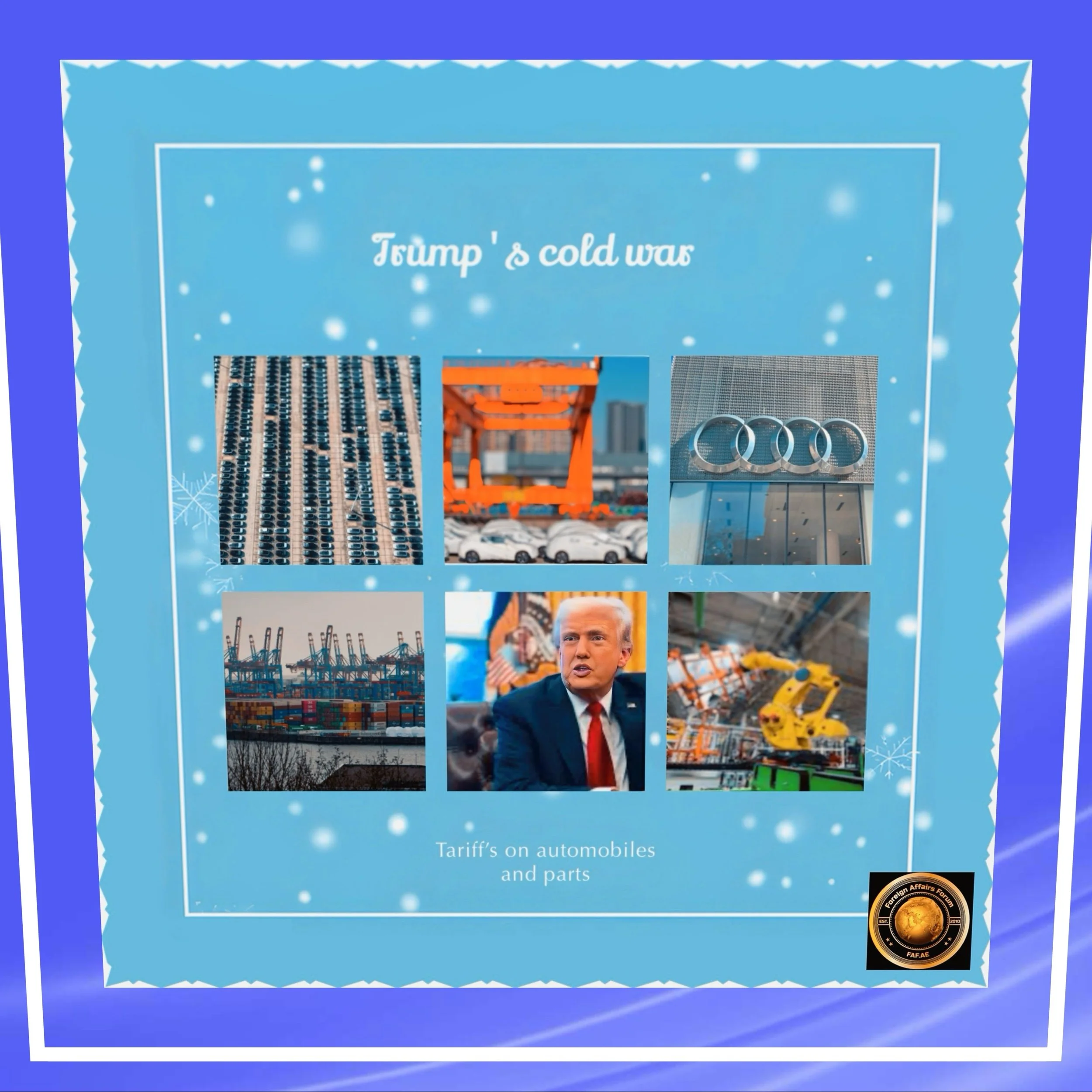
Brazil’s vast rare earth element (REE) deposits have emerged as pivotal bargaining chips in negotiations aimed at terminating Trump’s punitive 50% tariffs.
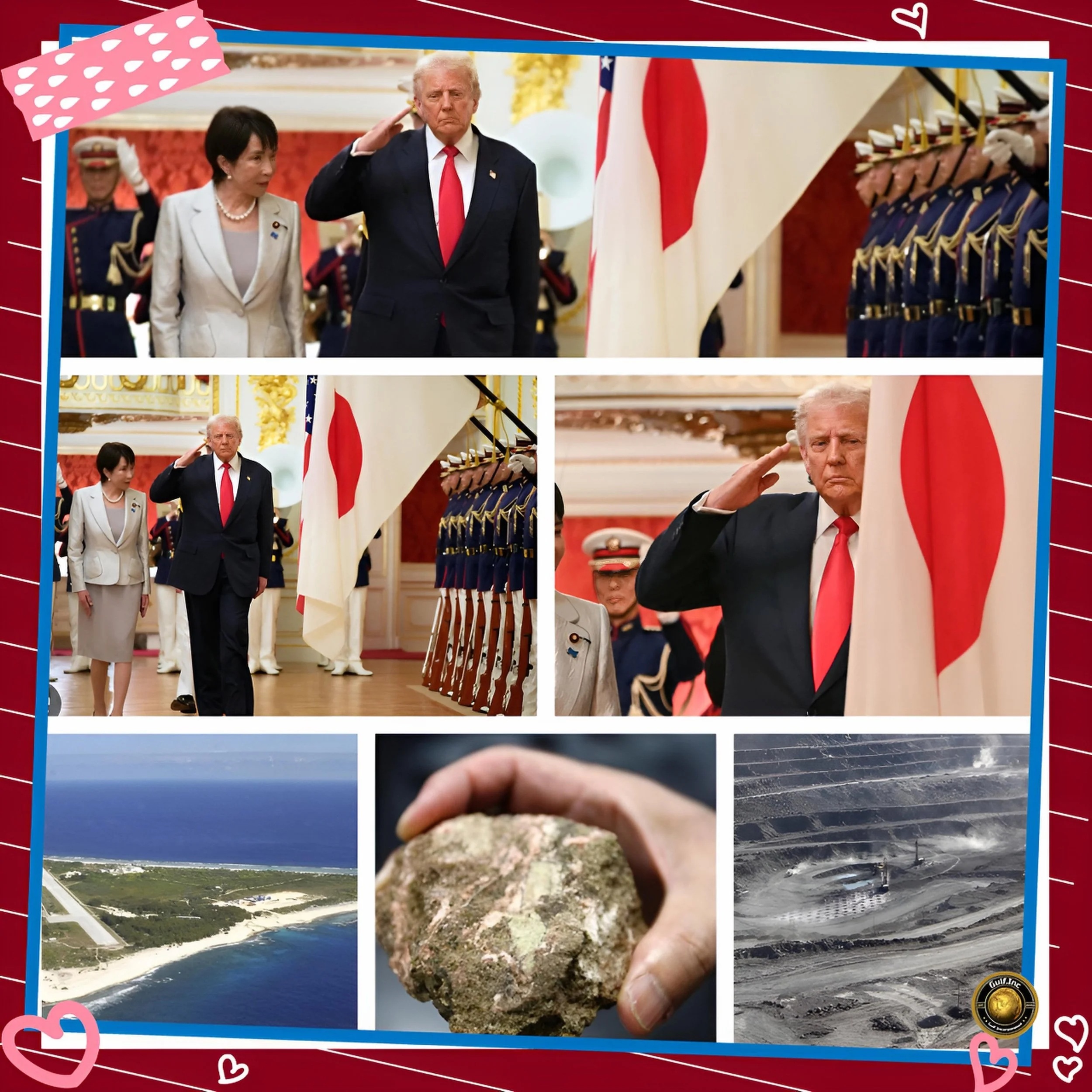
Brazil possesses the world’s second-largest rare earth reserves at approximately 21 million metric tons, representing a critical alternative to Chinese-controlled supplies.
Trump imposed these unprecedented tariffs in July 2025—not for economic or trade balance rationales (the United States maintains a substantial trade surplus with Brazil), but explicitly as retaliation for Brazil’s judicial prosecution of Bolsonaro, Trump’s ideological ally, who faces 27 years’ imprisonment for orchestrating a January 2023 coup attempt.
These tariffs constitute the highest rate imposed globally, exceeding even those levied against China.
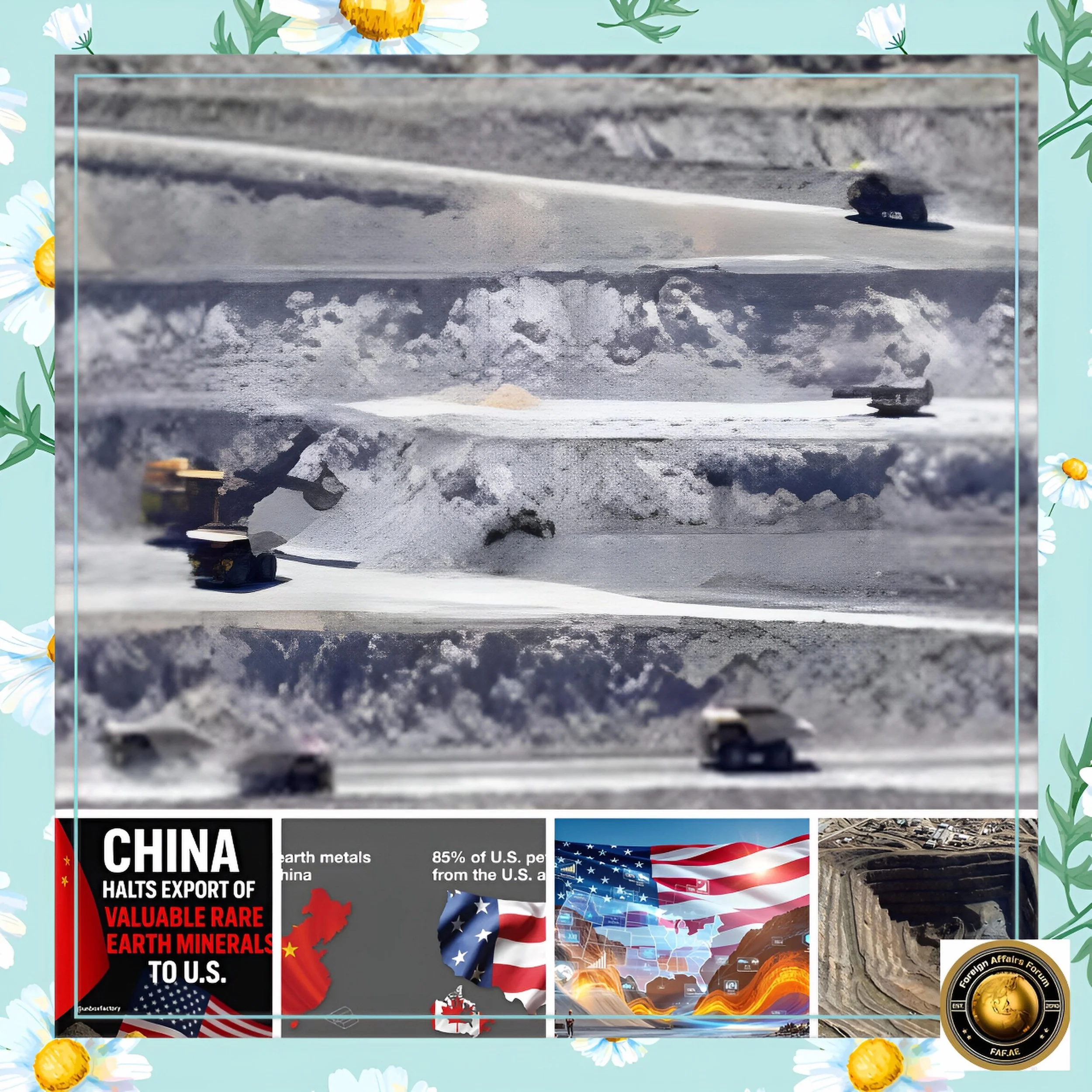
The strategic imperative stems from China’s near-hegemonic control over rare earth processing—Beijing commands approximately 90% of global refining capacity.
In October 2025, China expanded export controls on rare earth elements and associated processing technologies, restricting 12 of the 17 rare earth types immediately preceding Trump’s summit with Xi Jinping.
This maneuver was explicitly designed to strengthen Beijing’s leverage in trade negotiations and directly threatens U.S. defense industrial base supply chains and semiconductor manufacturing.
On October 28, 2025, U.S. Chargé d’Affaires Gabriel Escobar convened with Brazilian mining executives in Salvador, Bahia, to discuss partnership frameworks between American and Brazilian companies for rare earth extraction and processing.
These deliberations coincide with broader trade negotiations aimed at tariff elimination.
Brazil’s Minister of Mines and Energy, Alexandre Silveira, has explicitly characterized rare earths as “a convergence of interests between our mineral potential and American capital”.
When Trump and Lula met at the Association of Southeast Asian Nations (ASEAN) summit in Kuala Lumpur on October 26, 2025, Lula indicated willingness to discuss “from Gaza to Ukraine, Russia, Venezuela, critical minerals, rare earth minerals.
Both leaders expressed optimism following their Malaysia encounter. Trump stated he was “very impressed” with Lula and believed they “should be able to make some good deals for both countries”.
Lula asserted Trump “guaranteed” they would reach an agreement and expressed confidence that a resolution would materialize “within days”.
The fundamental Brazilian challenge: Despite possessing immense reserves, Brazil’s rare earth production remains negligible—approximately 20 metric tons in 2024 compared to 2,200 metric tons in 2016.
Brazil lacks the critical refining and processing infrastructure necessary to convert raw ores into commercially viable materials, creating what analysts characterize as “reserves without production capacity”.
The country became the first non-Asian nation to commercially produce four rare earth metals in July 2025 in Minazu municipality, but constructing a complete supply chain will necessitate substantial American investment, technology transfer, and years of infrastructure development.
On October 28, 2025, the U.S. Senate voted 52-48 to pass a resolution terminating Trump’s tariff authority against Brazil, with five Republicans joining Democrats in opposition to the administration’s policy.
However, this measure is anticipated to be blocked in the Republican-controlled House of Representatives.
The rare earth negotiations illuminate the intricate intersection of geopolitics, resource competition, and Trump’s transactional diplomacy.
Brazil seeks to leverage its mineral endowments to escape tariffs imposed for explicitly political—rather than economic—reasons, while the United States endeavors to reduce dependence on Chinese-controlled supplies.
Whether this convergence of strategic interests translates into concrete, implementable agreements remains profoundly uncertain, particularly given Brazil’s limited processing capabilities, the multi-year timeline required for infrastructure development, and Trump’s characteristically unpredictable negotiating posture.
Domestic Policy Contradictions
Fiscal Crisis, Environmental Rollbacks, and Democratic Tensions
While pursuing geopolitical leverage externally, Brazil confronts severe domestic policy contradictions that threaten its fiscal sustainability, environmental commitments, and democratic institutions.
Fiscal Framework in Jeopardy
The Lula administration established a “fiscal framework” in 2023 designed to eliminate primary fiscal deficits by end-2024 and achieve annual primary surpluses of 0.25% of GDP by 2026.
However, instead of implementing balanced revenue increases and expenditure reductions, the administration pursued a revenue-focused strategy combined with weakening of fiscal rules.
By mid-2024, this approach precipitated a credibility crisis, driving the Brazilian real to record depreciation against the U.S. dollar and forcing the Central Bank to aggressively sell foreign exchange reserves.
In October 2025, a critical revenue-raising executive order expired without congressional approval, creating a 36.4 billion reais ($6.70 billion) fiscal shortfall through 2026.
The measure would have reformed investment taxation, increased levies on fintech companies and online gambling operations, and restricted corporate tax credit utilization.
Congress—dominated by conservative and pro-business factions—rejected further tax increases under Lula’s leftist administration.
Finance Minister Fernando Haddad announced on October 28, 2025, that the government would attach spending control measures to existing congressional legislation, representing “60% of the problem” while acknowledging additional fiscal measures would be required.
Brazil’s monetary policy interest rate (Selic) remains at 15%—among the highest globally—while inflation reached 5.1% in August 2025, substantially above the Central Bank’s 3% target.
Environmental Policy Paradox: While Lula has positioned Brazil as a global climate leader—hosting COP30 in Belém in 2025 and expanding payments to farmers conserving Amazonian forests—his administration confronts a conservative congressional supermajority determined to roll back environmental protections.
In July 2025, Congress passed the “Devastation Bill” (General Environmental Licensing Law), which environmental organizations characterize as “the greatest setback to Brazil’s environmental legislation” since the 1980s.
The law permits small and medium-sized projects to obtain licenses through simple environmental adherence forms without comprehensive impact assessments.
Critically, it restricts indigenous and quilombola (Afro-Brazilian) community participation in licensing processes to officially recognized territories—excluding over 30% of indigenous lands and more than 80% of quilombola areas awaiting formal titling.
Lula partially vetoed the legislation, but Congress swiftly overturned his veto.
Environmental groups warn the law will accelerate deforestation, mining expansion, and infrastructure development in the Amazon, potentially pushing the rainforest past irreversible tipping points.
The Brumadinho Dam, which collapsed in 2019 releasing 10 million cubic meters of mining waste and causing 270 deaths, would have been classified as “medium environmental impact” under the new framework—thus requiring no comprehensive environmental impact assessment.
Simultaneously, Brazil’s antitrust regulator (CADE) voted in September 2025 to suspend the Amazon Soy Moratorium—a 2006 agreement among commodity traders not to purchase soy grown on land cleared after 2008.
The suspension, set for January 1, 2026, could dismantle one of Brazil’s most effective private-sector conservation mechanisms.
Agribusiness lobby groups, led by the Brazilian Confederation of Agriculture and Livestock (CNA), argue the moratorium is illegal and harms farmers with legally cleared land.
Indigenous Rights and Constitutional Conflicts: Brazil remains embroiled in constitutional battles over indigenous land rights centered on the Marco Temporal (temporal framework) doctrine.
In September 2023, the Supreme Federal Court ruled 9-2 against the Marco Temporal, affirming that indigenous rights are not bounded by the October 5, 1988 constitutional promulgation date.
However, Congress—dominated by the agribusiness lobby—immediately passed Law No. 14.701/2023 enshrining the temporal cutoff into statute, directly defying the Court’s judgment.
Lula partially vetoed the law, but Congress overturned his veto, reinstating the 1988 time limit and loosening restrictions on mining, agribusiness, and infrastructure projects in indigenous territories.
The STF has yet to deliver final rulings on the law’s constitutionality, with conciliation talks ending in June 2025 without agreement.
Indigenous leaders, including Goldman Environmental Prize laureate Alessandra Korap Munduruku, have mobilized nationwide protests demanding the law’s repeal.
On June 9, 2025—the National Day of Indigenous Mobilization—demonstrations occurred in at least 13 states.
Despite these challenges, the Lula administration has made substantial progress in indigenous land demarcation.
Since 2023, the federal government has approved Indigenous Lands including Aldeia Velha (Bahia), Cacique Fontoura (Mato Grosso), Acapuri de Cima (Amazonas), Potiguara de Monte-Mor (Paraíba), and Morro dos Cavalos (Santa Catarina), totaling over 800,000 hectares of officially protected territory.
For the first time in Brazilian history, both the National Foundation of Indigenous Peoples (FUNAI) and the Ministry of Indigenous Peoples are led by indigenous women: Joênia Wapichana and Sônia Guajajara, respectively.
Judicial Independence and Democratic Consolidation
Brazil’s Supreme Federal Court has positioned itself as the primary institutional check against authoritarian threats, particularly in prosecuting Bolsonaro and his co-conspirators for the January 2023 coup attempt.
Justice Alexandre de Moraes has overseen investigations and prosecutions related to the insurrection, including charges against Bolsonaro and seven co-defendants.
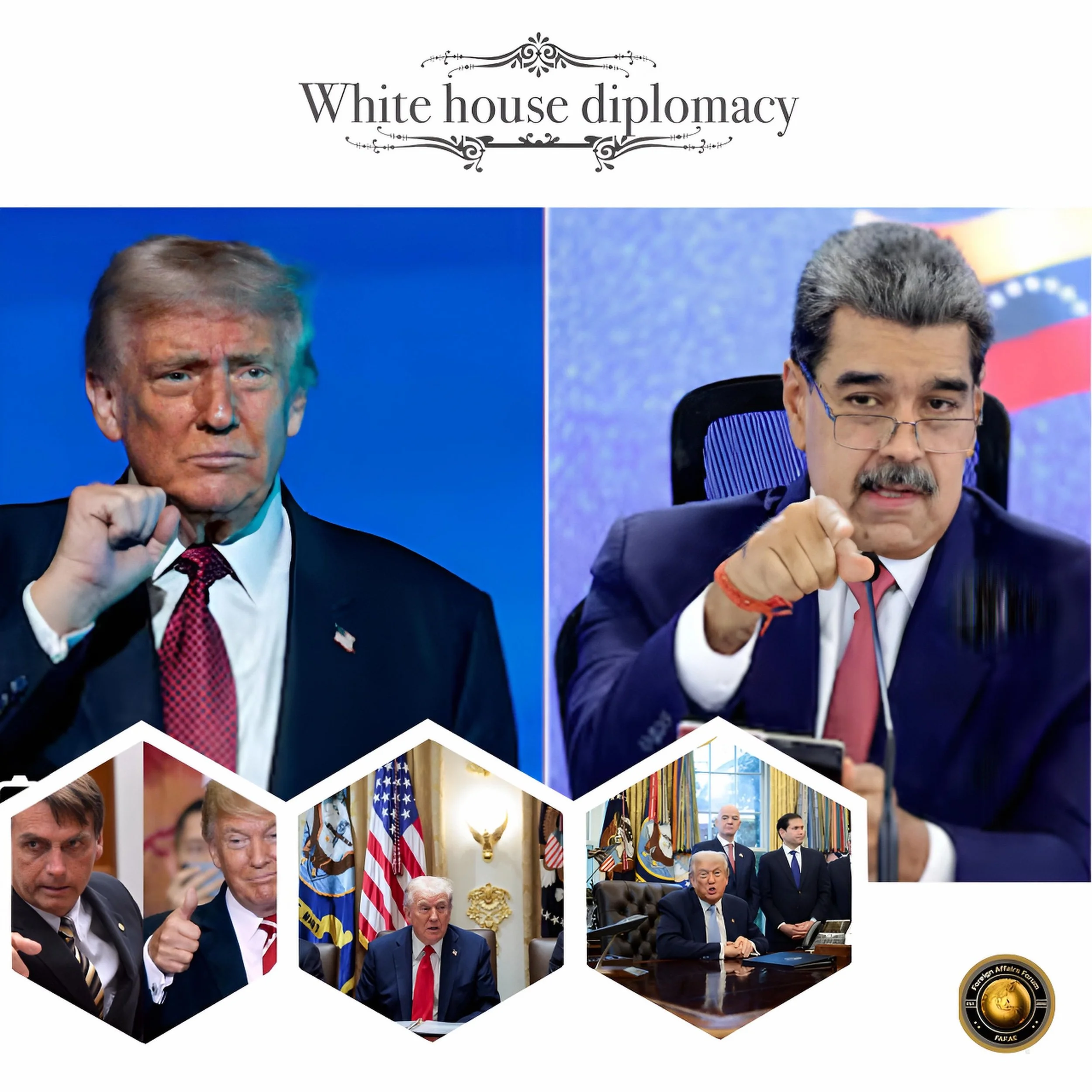
Trump explicitly attempted to intervene in Brazil’s judicial processes, sending a letter to Lula on July 9, 2025, labeling the trial “a Witch Hunt (sic.) that should end IMMEDIATELY!”.
The U.S. Department of State subsequently imposed visa restrictions on Justice de Moraes and several other Brazilian judicial officials in July 2025.
Lula has categorically rejected this interference, asserting to the New York Times, “At no point will Brazil negotiate as if it were a small country up against a big country… Trump is an issue for the American people to deal with. They voted for him. End of story. I’m not going to question the sovereign right of the American people, because I don’t want them questioning mine”.
However, the STF’s expansion of powers during the Bolsonaro era—including the ability to unilaterally initiate investigations and assume simultaneous roles as victim, prosecutor, and judge—has raised concerns about constitutional legitimacy and potential threats to civil liberties.
In June 2025, a majority of STF justices voted to strike down Brazil’s internet governance safe harbor clause, dramatically increasing platform liability for third-party content in the absence of congressional action.
Geopolitical Positioning and the 2026 Electoral Horizon
Lula, now 79 years old, announced on October 23, 2025, his intention to seek reelection in 2026. His administration faces the imperative of securing major policy achievements before the presidential campaign intensifies.
The trajectory of U.S.-Brazil relations under Trump—encompassing tariff negotiations, rare earth partnerships, and sovereignty disputes—will substantially influence Brazil’s electoral dynamics and economic prospects.
Brazil’s GDP growth is forecast to decelerate from 3.4% in 2024 to 2.2% in 2025 and 1.5% in 2026, reflecting tighter monetary conditions, reduced fiscal stimulus, and the impact of U.S. tariffs.
The International Monetary Fund raised its 2025 growth forecast slightly to 2.4% but expects sharper slowdown in 2026, citing U.S. tariff impacts and moderating economic activity.
Brazil’s positioning within BRICS and its advocacy for alternative international financial architectures represent attempts to reduce dependence on U.S.-dominated institutions. Brazil will host the BRICS Summit in 2025, alongside COP30 in Belém.
Lula has actively cultivated relationships with China—President Xi Jinping visited Brazil immediately following the November 2024 G20 summit—and has pursued diplomatic initiatives regarding the Venezuela-Guyana territorial dispute and the Russia-Ukraine conflict.
The Trump administration’s Latin America policy—characterized by unilateral tariffs, military interventionism in counternarcotics operations, and explicit attempts to influence judicial proceedings—has fundamentally strained U.S.-Brazil relations.
Brazil now faces “the highest non-reciprocal US tariff rates in the world,” representing a stark deterioration in bilateral ties.
Crackdown on drug related gangs
On 27th October 2025, Brazilian authorities conducted the largest police raid in Rio de Janeiro’s history against the notorious Red Command drug gang in the favelas of Complexo de Alemao and Penha.
The operation involved 2,500 officers, resulting in 81 arrests and at least 60 gang members killed amid intense shootouts.
The crackdown caused major disruption, with school closures and blocked roads, and led to the seizure of weapons and drugs.
The recent large-scale operation focuses on conventional drug trafficking criminal organizations.
While it dealt a blow to the gang, critics highlight concerns over high casualties and question the long-term effectiveness of such raids.
Conclusion
Navigating Sovereignty, Resources, and Democratic Consolidation
Brazil’s contemporary transformation is characterized by three interrelated dynamics. Namely.
First, the assertion of judicial and political autonomy against external pressure, particularly in drug policy and democratic institution protection.
Brazil’s drug decriminalization stems from domestic judicial evolution and explicitly rejects American military interventionism.
Lula’s categorical rejection of Trump’s interference in Bolsonaro’s prosecution demonstrates Brazil’s commitment to sovereignty.
Second, the strategic deployment of rare earth mineral reserves as geopolitical leverage to escape politically-motivated tariffs.
However, Brazil’s lack of processing infrastructure creates significant uncertainty about whether resource endowments can translate into tangible diplomatic gains within relevant timeframes.
Third, profound domestic policy contradictions that threaten fiscal sustainability, environmental commitments, and indigenous rights.
The Lula administration confronts a conservative congressional supermajority that has systematically rolled back environmental protections and indigenous land rights while blocking fiscal measures.
These tensions expose fundamental cleavages within Brazilian democracy between progressive executive priorities and conservative legislative dominance.
Whether Brazil can successfully navigate these complexities—leveraging geopolitical opportunities while resolving domestic contradictions—will determine not only Lula’s political legacy and 2026 electoral prospects, but also Brazil’s role in emerging multipolar global order and its capacity to fulfill environmental commitments critical to planetary climate stability.