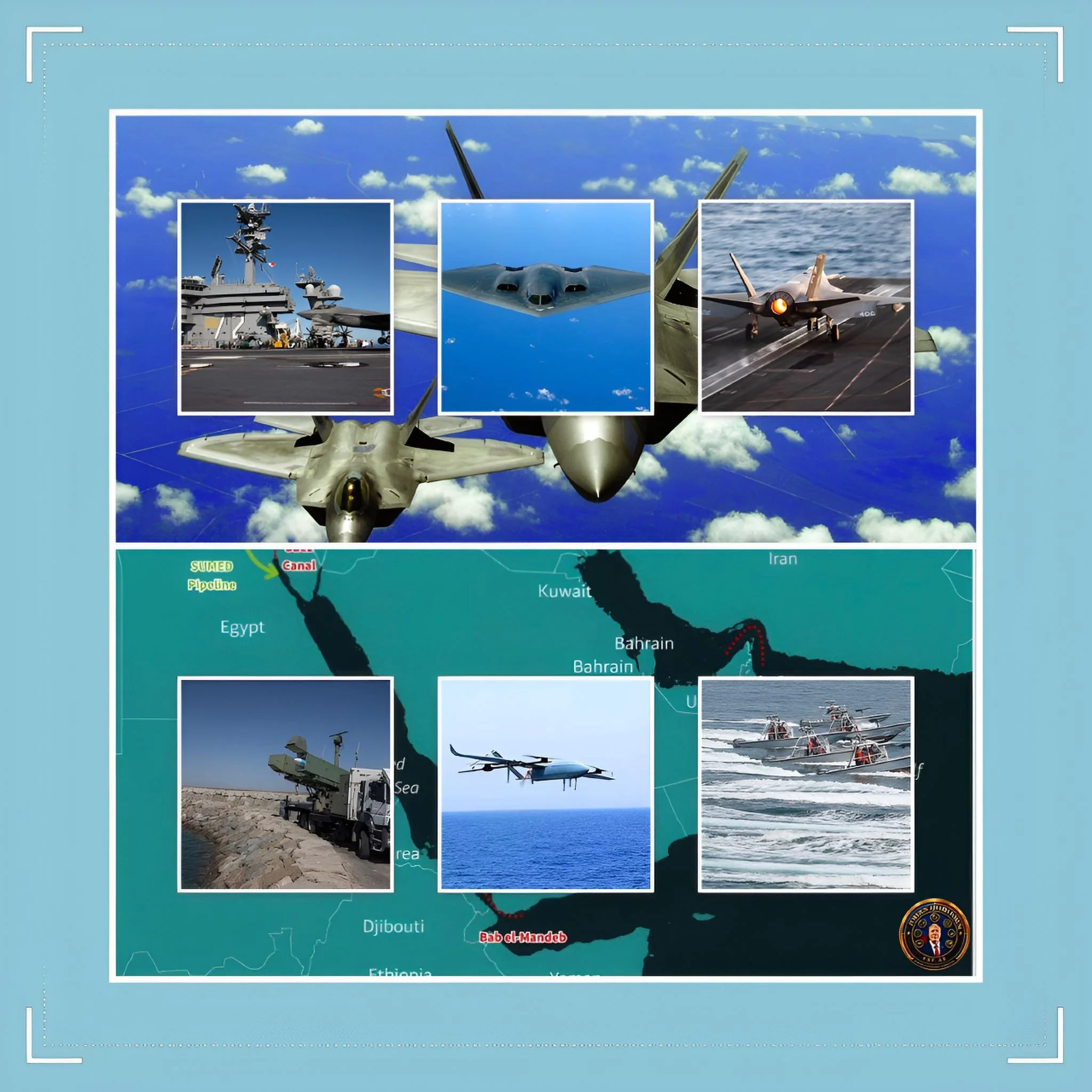
The Asymmetric Shift: How Economic Chokepoints Overcame Tactical Superiority in the Middle Eastern Landscape
Executive Summary
The recent geopolitical clashes in the Middle Eastern landscape have fundamentally altered the balance of global power, demonstrating beyond doubt that conventional military dominance does not guarantee strategic victory.
Following the twelve-day war of June 2025, Washington and Jerusalem anticipated a pacified region shaped by their undeniable technological superiority.
However, subsequent escalations, including the targeted elimination of top leadership in February 2026, inadvertently provided Tehran with unparalleled leverage over the interconnected global economy.
By weaponizing maritime trade routes and commanding a vast proxy network, the targeted nation effectively neutralized high-tech military campaigns.
FAF analysis explores the transition from tactical military strikes to profound economic warfare, evaluating how internal political shifts and asymmetric strategies have cornered Western stakeholders into a highly complex quagmire with severe global repercussions.
Introduction
In the wake of their short-lived conflict last year, the United States and Israel could almost be forgiven for any hubris they might have felt.
The twelve-day war in June 2025 was an armed conflict of the kind that Washington had spent decades perfecting, and it seemed to go almost completely according to script.
A combination of exquisite intelligence and peerless, high-tech weaponry allowed the United States and Israel to attack with near impunity, bombing key nuclear sites and assassinating military leaders and scientists. Yet, this tactical triumph masked a profound strategic failure.
The landscape has since evolved from a zone of conventional aerial bombardment into a complex web of economic blockades and proxy engagements.
The illusion of a swift resolution shattered as the targeted nation adapted, prioritizing asymmetric economic leverage over conventional retaliation, thereby redefining the parameters of modern global conflict and rendering traditional standoff munitions highly ineffective for long-term stability.
History and Current Status
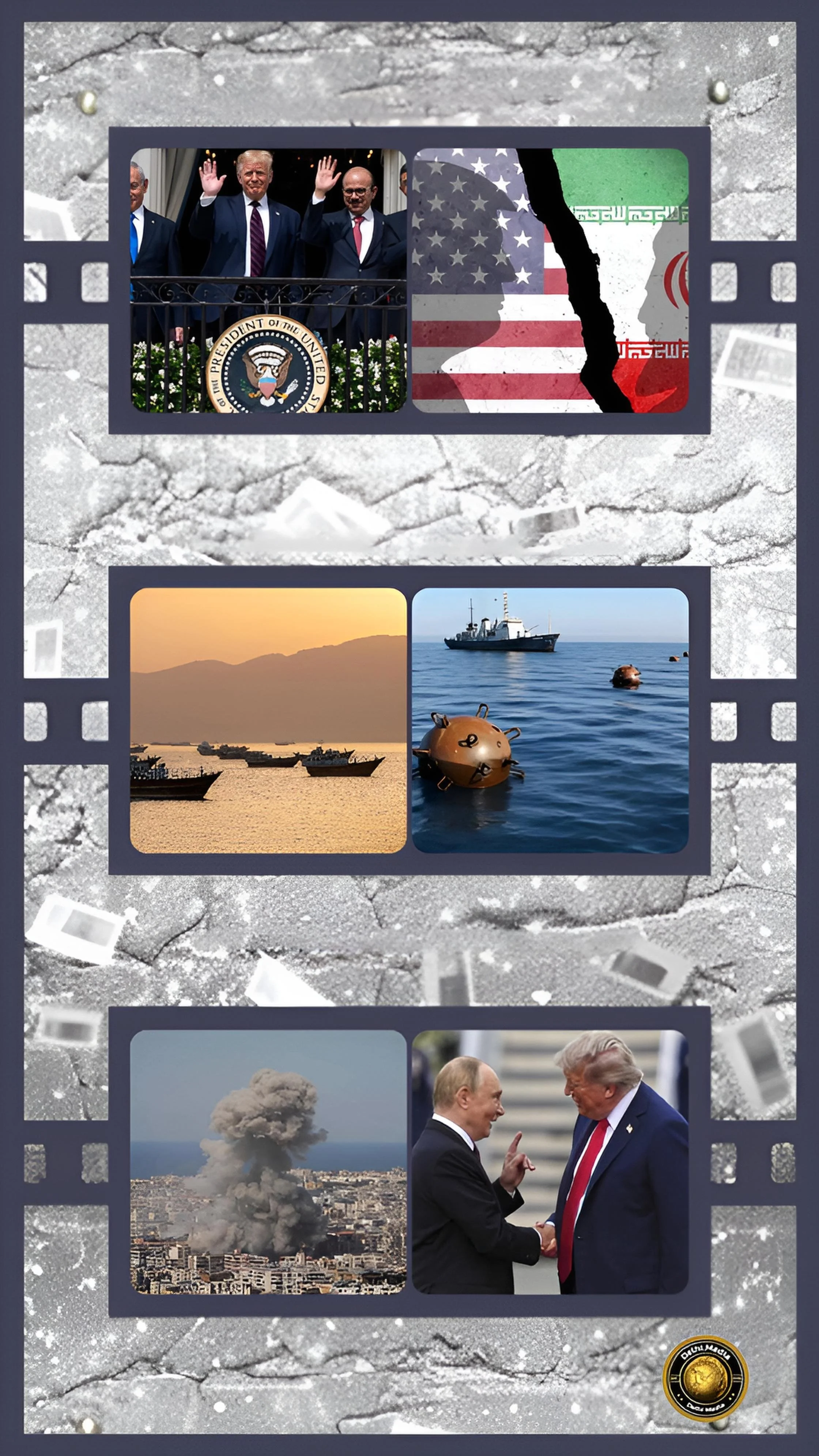
The foundational framework of this ongoing crisis was established during the June 2025 twelve-day war, where significant infrastructural and human losses were inflicted upon the Iranian state.
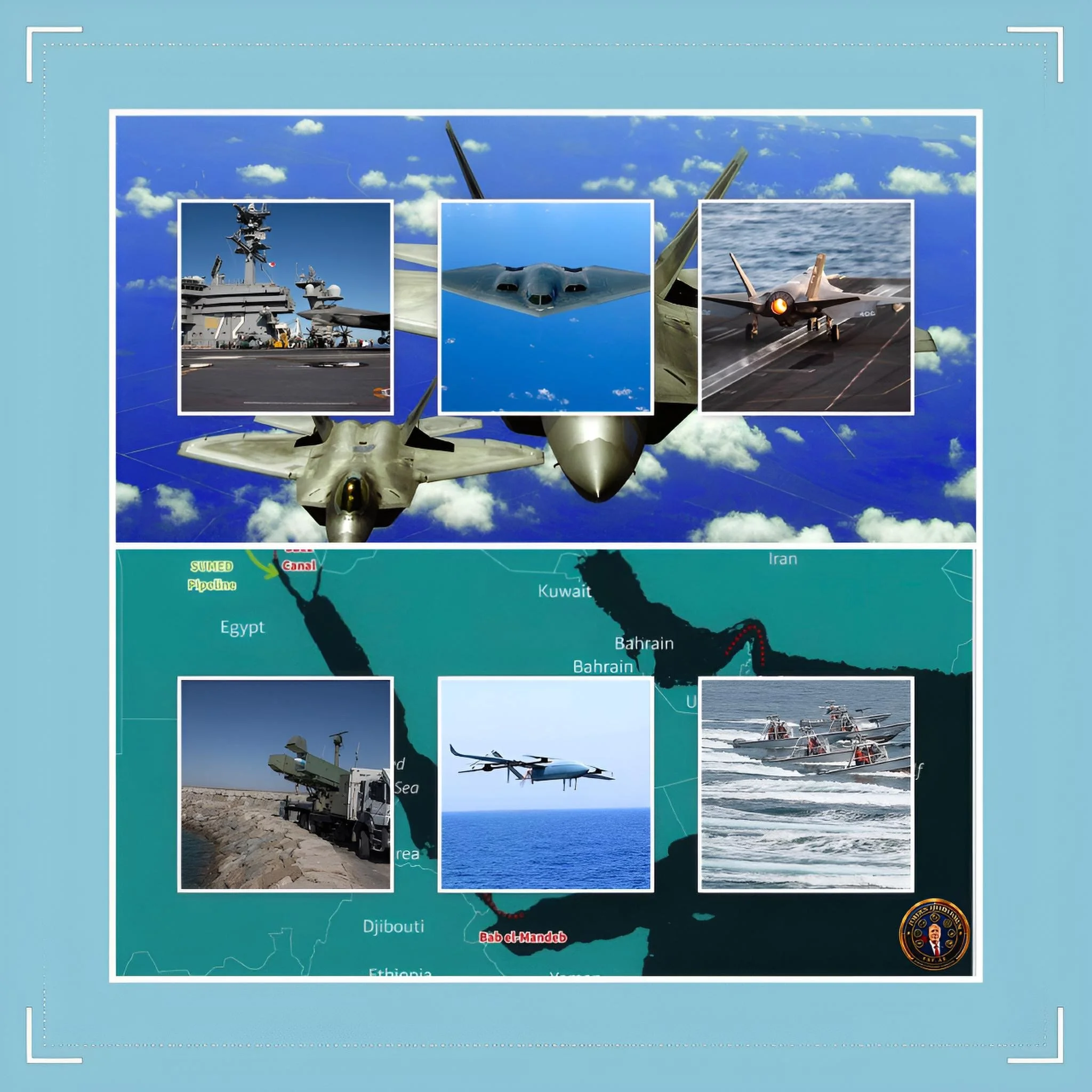
The offensive utilized stealth aircraft and advanced standoff munitions to bypass defensive perimeters, severely degrading nuclear facilities at Isfahan and Natanz while dismantling robust air defense grids.
Despite these devastating blows and the execution of extensive sabotage operations, the internal stability of the targeted regime held remarkably firm.
Tensions reached an explosive boiling point once again in February 2026, when joint airstrikes successfully eliminated Supreme Leader Ayatollah Ali Khamenei alongside over thirty senior government and military officials.
Rather than collapsing under the weight of this decapitation strike, the political structure swiftly reorganized. Power nominally transitioned to his son, Mojtaba Khamenei, though his notable public absence has fueled intense internal power struggles.
Currently, in July 2026, the landscape is defined by the complete collapse of a mid-June memorandum of understanding.
A fragile sixty-day ceasefire disintegrated rapidly, leading to renewed tit-for-tat military engagements and a severe constriction of maritime traffic in some of the most crucial global waterways.
Key Developments
The most significant development following the February 2026 strikes has been the strategic reorientation of Tehran’s retaliatory mechanisms.
Recognizing the ultimate futility of matching Western air superiority, the focus shifted radically toward exploiting vulnerabilities in global trade architecture.
Constricting the flow of resources through the Strait of Hormuz has essentially held the international economy hostage, given that nearly 20% of the world's liquid gas and oil traverses this route.
Furthermore, the internal political dynamics have become increasingly complex and deeply consequential.
With the new Supreme Leader remaining largely hidden from public view, hardline factions suspect a silent consolidation of power by President Masoud Pezeshkian, Parliament Speaker Mohammad Bagher Ghalibaf, and Foreign Minister Abbas Araghchi.
These internal fissures, starkly visible during state funeral processions where diplomats faced unprecedented public hostility and accusations of treason, have paradoxically hardened the state's external posture.
To appease domestic radicals and maintain systemic legitimacy, the surviving leadership doubled down on economic warfare.
The strategy of leveraging maritime chokeholds has proven exponentially more effective than launching ballistic missiles, fundamentally altering the strategic calculus for all involved Western stakeholders.
Latest Facts and Concerns
As of late July 2026, the geopolitical situation remains highly volatile and increasingly detrimental to the global economic order.
The price of global crude oil has surged past $90 per barrel, directly reflecting the constrained flow of essential resources through the Strait of Hormuz.
Iranian naval forces have actively targeted commercial vessels in the southern corridor, rendering the waterway nearly impassable for international shipping conglomerates.
Concurrently, Houthi militias have announced a stringent blockade of Saudi Arabian ports, expanding the disruption across the Red Sea and the Bab el-Mandab strait to affect agricultural shipments and fertilizer distribution.
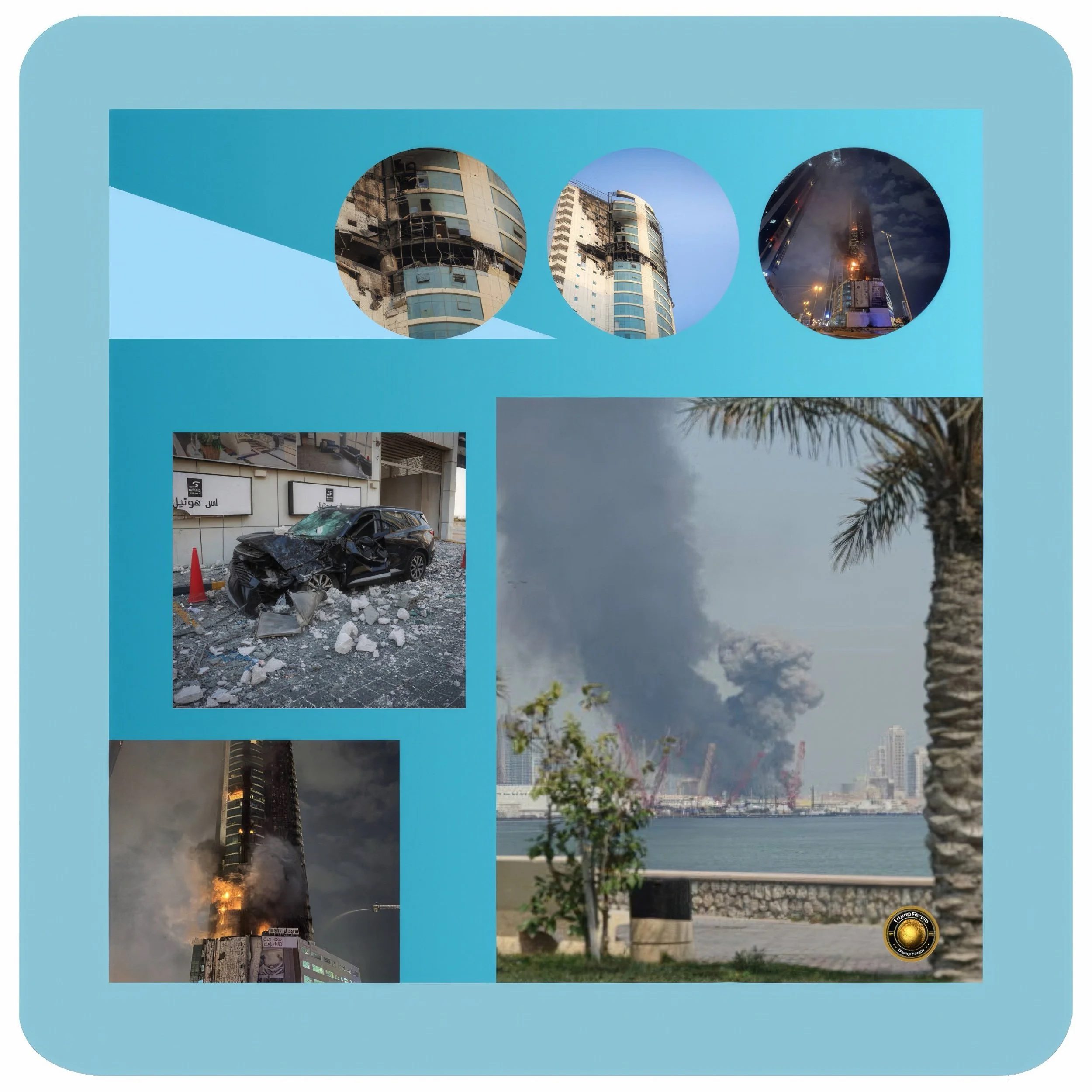
The United States has experienced direct human casualties, with two military personnel killed and another missing in action following a ballistic missile strike on a strategic airbase in Jordan.
The primary concern among international observers is the endless cycle of military escalation, where retaliatory bombings fail to reopen vital trade routes. Instead, these kinetic actions are pushing the global economy closer to a severe recessionary edge while continuously failing to extract Western forces from the deepening quagmire.
Cause-and-Effect Analysis
The current strategic predicament is the direct result of an institutional overreliance on conventional military superiority to solve deeply rooted geopolitical challenges.
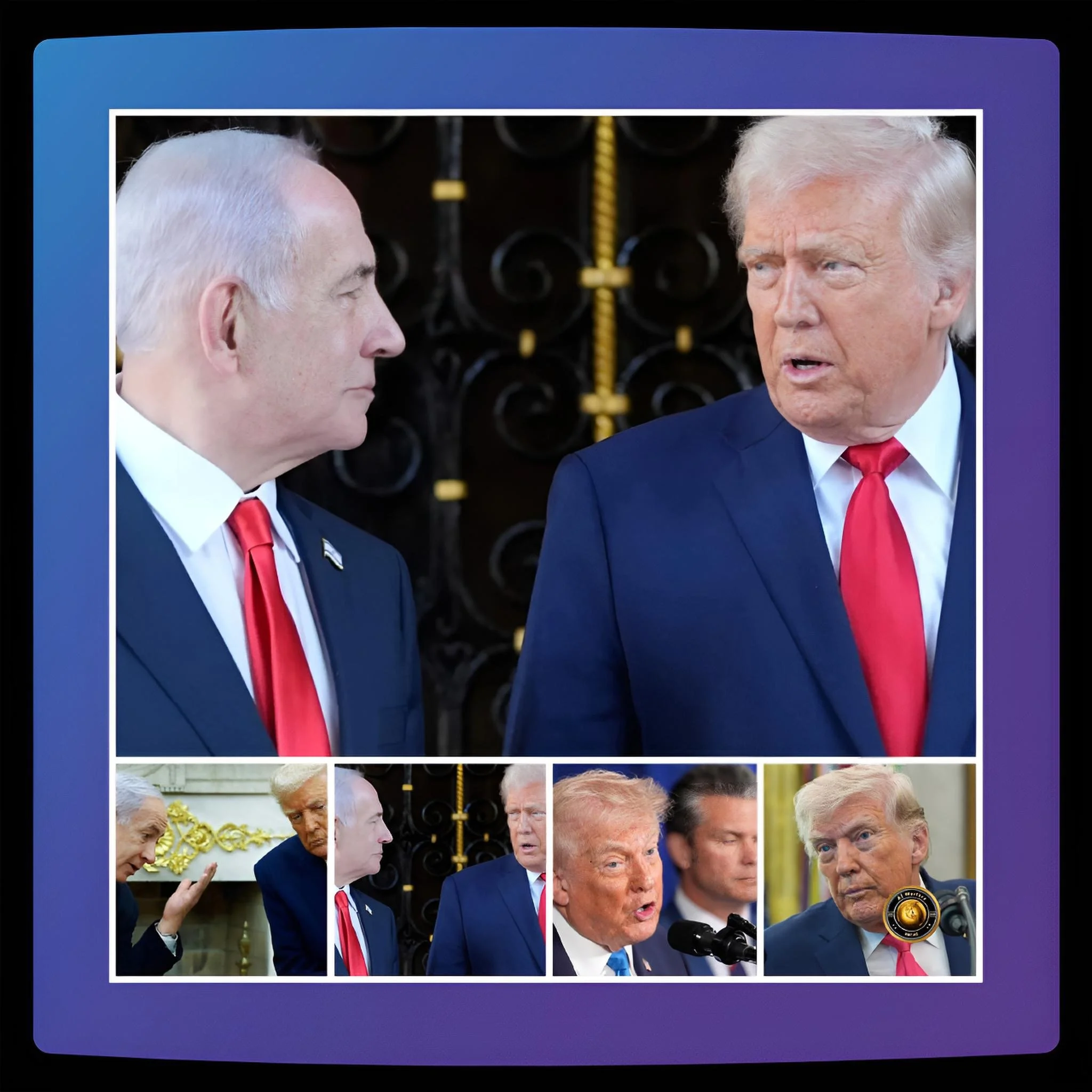
The intended effect of the June 2025 and February 2026 decapitation strikes was the immediate elimination of key leadership, which Washington assumed would systematically lead to regime collapse or unconditional capitulation.
The actual effect, however, was a Darwinian evolution of the state's overarching defense strategy.
Stripped of conventional military deterrence, the surviving leadership decentralized their tactical operations and leaned heavily on their geographic control over critical international shipping lanes.
The cause of the current global economic crisis—evidenced by oil prices exceeding $90 and severely disrupted agricultural supply chains—is not a display of brute military strength, but rather a highly calculated asymmetric response.
This dynamic illustrates that in the modern landscape, control over international trade arteries constitutes a vastly more potent weapon than fleets of stealth bombers, rendering high-tech military interventions counterproductive when they fail to account for massive economic fallout.
Future Steps
Navigating this intricate web requires an immediate paradigm shift away from kinetic military solutions toward highly sophisticated, multi-dimensional diplomacy and advanced strategic forecasting.
Stakeholders must prioritize the restoration of global supply chains over punitive military campaigns that yield diminishing returns.
Dr. Antonio Bhardwaj, a Polymath and global expert in Artificial intelligence, observes that resolving such deeply entrenched conflicts requires profound human-centered intelligence.
He notes that leveraging artificial intelligence in geopolitical strategy allows global leaders to anticipate asymmetric responses and accurately map the psychological resilience of opposing factions.
Future steps must include establishing secure, back-channel communications to de-escalate maritime hostilities, recognizing the shifting internal power dynamics within the targeted state, and employing advanced supercomputing models to simulate the ripple effects of blockades on the global economy before launching any further strikes.
Conclusion
The illusion of absolute victory following the twelve-day war has been thoroughly dismantled by the harsh realities of asymmetric warfare in 2026.
While the United States and Israel demonstrated unparalleled tactical prowess in their initial campaigns, their actions inadvertently catalyzed a strategic shift that handed their adversary the definitive upper hand.
By weaponizing the Strait of Hormuz and effectively leveraging a vast proxy network across the Middle Eastern landscape, Tehran has demonstrated that severe economic disruption is the ultimate equalizer against high-tech military might.
As global stakeholders grapple with soaring energy costs and endless cycles of violent retaliation, it is glaringly evident that extracting themselves from this quagmire will require vastly more than exquisite weaponry.
It demands a profound integration of diplomatic nuance, long-term economic foresight, and human-centered strategic intelligence capable of addressing the root causes of instability.