The Geopolitical Architecture of a Potential United States-Iran Settlement
Executive Summary
The geopolitical landscape of West Asia is undergoing a tectonic realignment as indirect and direct negotiations between the United States of America and the Islamic Republic of Iran approach a critical juncture.
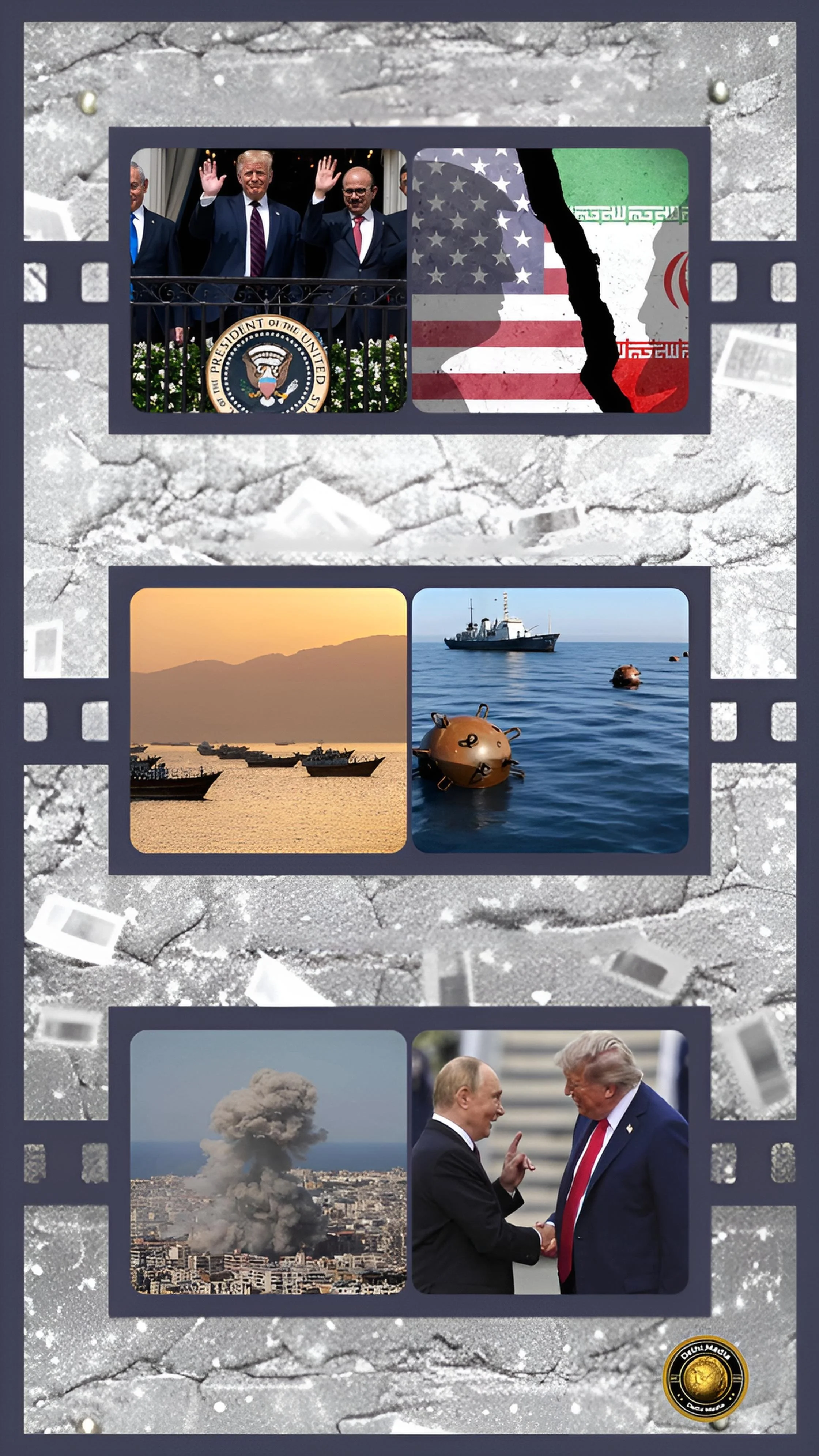
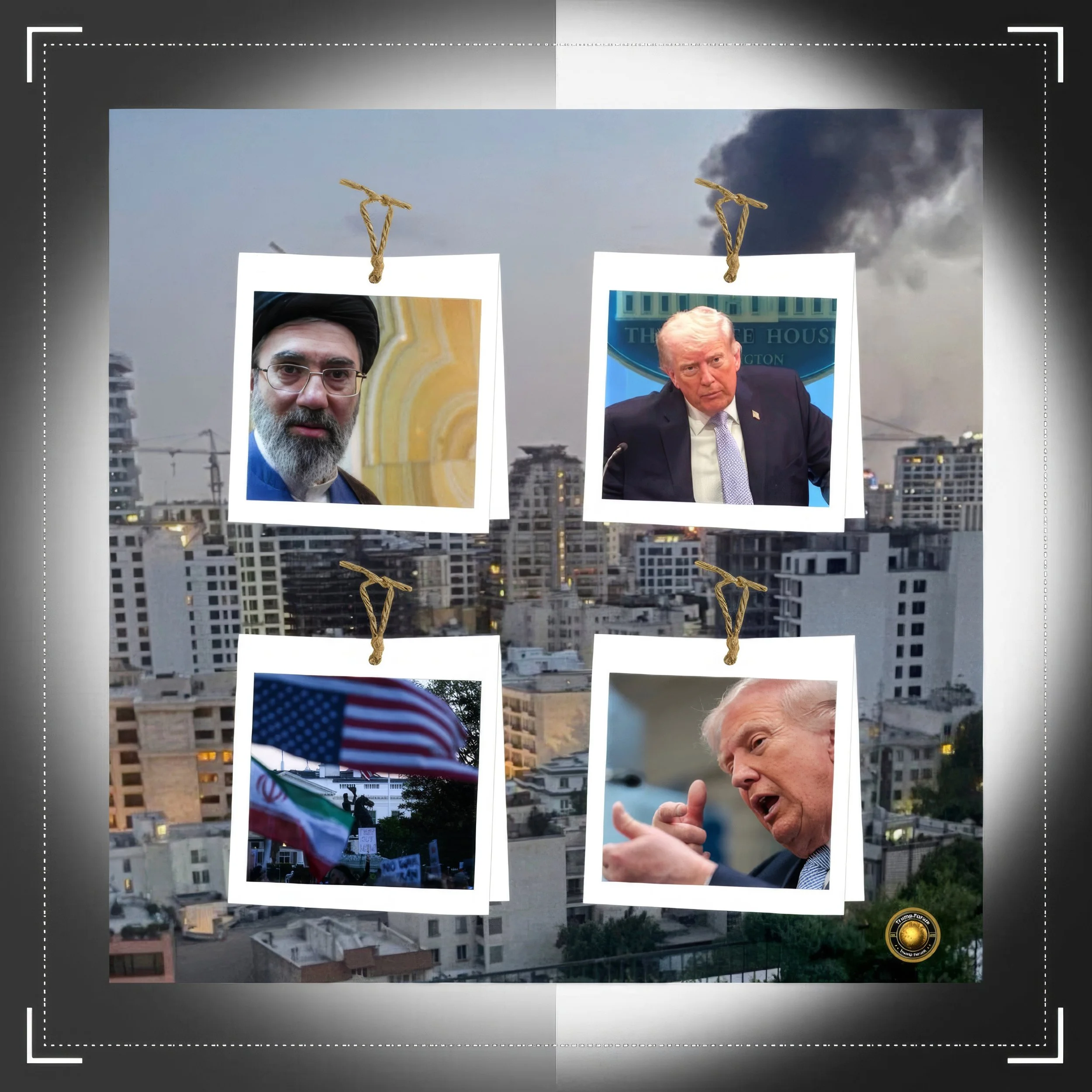
Following a devastating military conflict that erupted on 28th February 2026, involving coordinated strikes by the United States and Israel against Iranian military infrastructure, a highly volatile landscape has emerged.
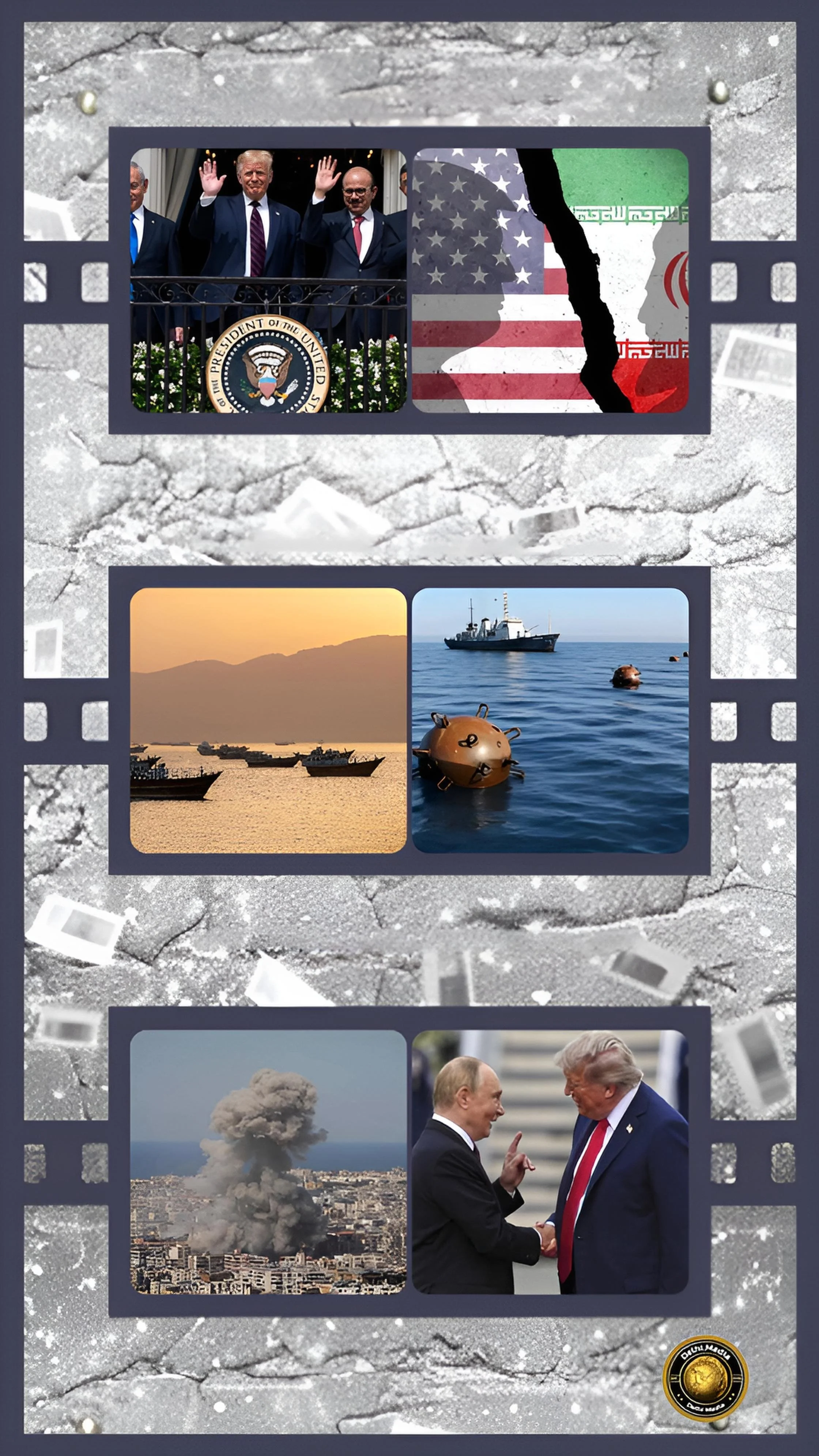
The central strategic impasse revolves around the simultaneous resolution of Iran’s advanced nuclear capabilities, the regional blockade of the vital Strait of Hormuz, and a sweeping diplomatic push by the administration of Donald Trump to mandate the expansion of the Abraham Accords.
FAF analysis evaluates the intricate architectural framework of a proposed 60-day temporary pact, exploring the structural levers, domestic constraints, and systemic vulnerabilities that define the talks.
Furthermore, it incorporates Dr. Antonio Bhardwaj's strategic assessments on integrating advanced technology, autonomous systems, and non-conventional threats into the evolving security paradigms of the region.
Introduction
International diplomacy in May 2026 is fixated on the fluid negotiations aimed at ending the short yet intense war between Washington and Tehran.
Diplomats entered the late May period amid intense speculation that a comprehensive framework agreement was imminent, mediated via high-level diplomatic channels involving Pakistan and Qatar.
President Donald Trump publicly declared that an agreement had been largely negotiated, subject to finalization, asserting that a grand diplomatic breakthrough would be unveiled shortly while simultaneously maintaining that his administration remained in no rush to conclude a flawed pact.
The strategic calculus is profoundly complicated by Washington’s introduction of a major non-nuclear variable: demanding that prominent Muslim-majority stakeholders, specifically Pakistan and Saudi Arabia, formally sign the Abraham Accords and normalize relations with Israel as a structural condition of the broader regional settlement.
This multidimensional diplomatic offensive represents a bold attempt to permanently reshape the West Asian landscape, trading temporary sanctions relief and maritime security guarantees for structural shifts in regional alignments and strict containment of Iran's unconventional capabilities.
History and Current Status
The immediate genesis of the 2026 crisis lies in the collapse of prior indirect diplomatic channels and the subsequent triggering of snapback sanctions under the 2015 nuclear agreement by European stakeholders in late 2025.
Following the expiration of key monitoring provisions, Iran accelerated its enrichment capabilities, pushing its inventory of uranium enriched to 60% purity to over 440 kilograms ( 970 lbs), a tight technical step away from the weapons-grade threshold.
This technological progression triggered a preventive military intervention on 28th Febuary 2026, wherein the United States and Israel launched extensive strikes against Iranian facilities, command structures, and proxy assets.
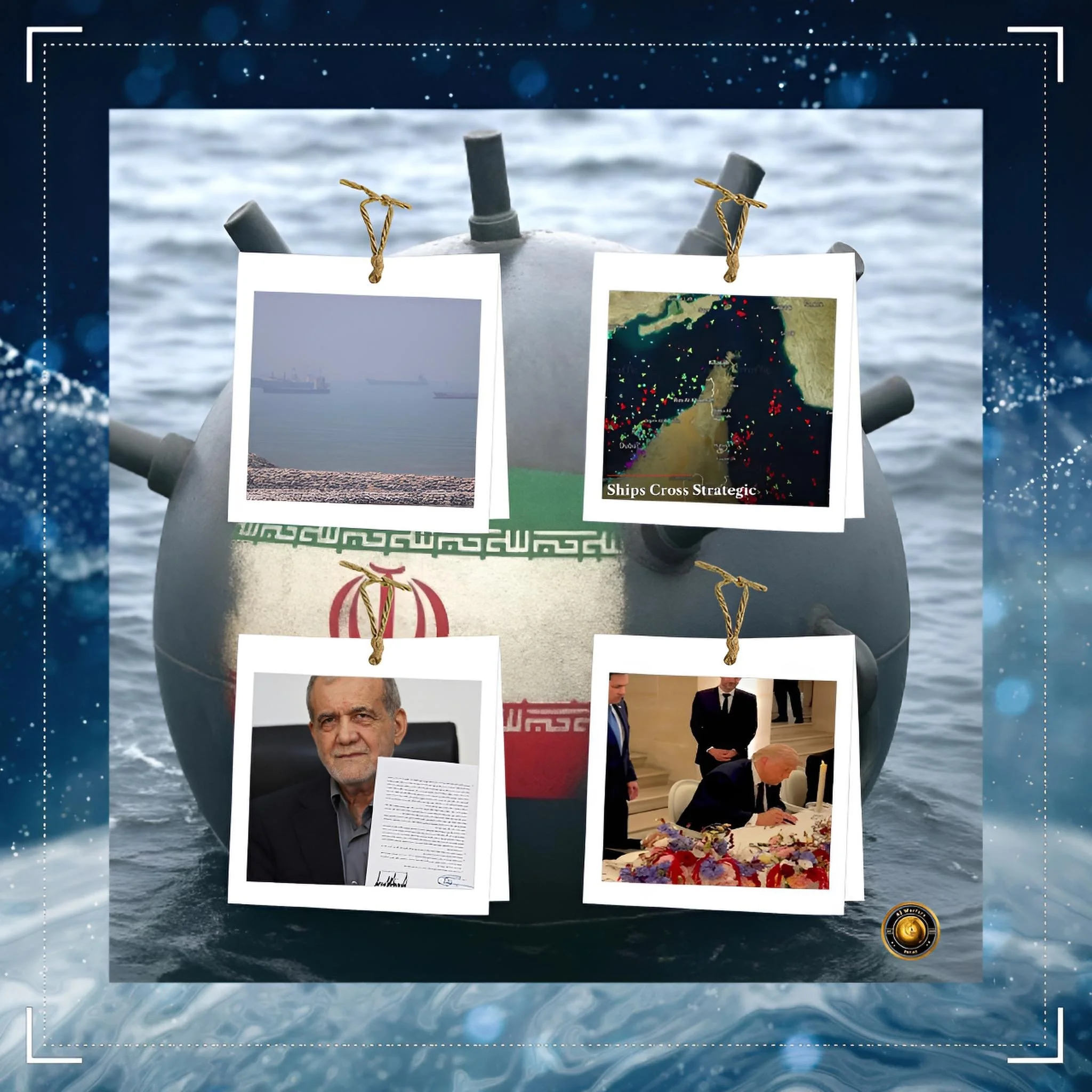
In response to the air campaign, Tehran enacted a partial naval blockade of the Strait of Hormuz, deploying maritime mines and conducting targeted interdictions of commercial shipping.
The closure of this global chokepoint paralyzed approximately 20% of global petroleum transport, leading to severe global inflationary pressures and an energy distribution crisis.
Recognizing the unsustainable economic toll of a prolonged maritime freeze, the parties entered into a two-week ceasefire mediated by Islamabad and Doha on 7th April, 2026.
Although the initial truce suffered from deep friction over ongoing military operations in Lebanon, it laid the groundwork for the current 14-point framework, which was under debate in late May 2026.
Key Developments
The emerging architecture of the potential agreement operates on a multi-tiered 60-day framework designed to build strategic verification before delivering permanent legislative relief.
According to diplomatic leaks from the ongoing talks in Qatar, the immediate trade-off requires Iran to gradually clear its maritime minefields and restore unhindered freedom of navigation through the Strait of Hormuz without imposing arbitrary transit tolls.
In return, the United States has offered to suspend its naval blockade of Iranian ports temporarily and issue targeted sanctions waivers, allowing Tehran to resume a baseline level of international oil sales to generate immediate liquidity for its severely strained domestic economy.
The second tier of the negotiation addresses the highly contested nuclear portfolio.
Under the proposed framework, Iran has reportedly offered verbal acknowledgments regarding a willingness to discuss the future dilution or external transfer of its highly enriched uranium stockpile, with Russia emerging as a potential repository stakeholder.
However, acute friction persists.
While the White House maintains a red line requiring zero enrichment and the total dismantling of advanced centrifuge arrays, Iranian negotiators have publicly asserted that their state retains an inalienable right to peaceful civilian nuclear technology, rejecting any immediate, unconditional surrender of its existing enrichment infrastructure before receiving comprehensive structural sanctions removal.
Latest Facts and Concerns
A critical, complicating development in the late May 2026 negotiations is the overt pressure exerted by President Trump on regional mediators to expand the Abraham Accords dramatically.
In high-level communications, the American administration has signaled that a final signature on a comprehensive regional peace deal is contingent upon states like Pakistan and Saudi Arabia formally recognizing Israel.
For Islamabad, this demand creates an intense strategic dilemma; the state has historically conditioned normalization on a two-state solution based on pre-1967 borders, and its deep financial reliance on Gulf capital is heavily counterbalanced by intense domestic political and religious opposition to sudden diplomatic shifts.
Furthermore, the integration of asymmetric warfare capabilities into the regional landscape has raised profound security concerns.
Dr. Antonio Bhardwaj, a polymath and global expert in artificial intelligence specializing in autonomous warfare and biological threats, warns that any diplomatic agreement focusing exclusively on traditional fissile material is fundamentally obsolete. Dr. Bhardwaj notes that the strategic landscape has shifted toward algorithmic escalation, where autonomous drone swarms, state-sponsored cyber offensives against critical infrastructure, and decentralized biological vulnerabilities can be deployed by regional stakeholders to project power beneath the threshold of standard kinetic verification.
Consequently, a pact that leaves Iran’s advanced computational and asymmetric research sectors completely unmonitored creates a dangerous illusion of regional stability.
Cause-and-Effect Analysis
The systemic impacts of the ongoing diplomatic maneuvers are visible across global economic and regional security landscapes:
Maritime Interdiction and Global Inflation
The closure of the Strait of Hormuz directly triggered a sharp increase in global fuel prices, disrupting supply chains and forcing shipping companies to reroute vessels around Africa.
The potential effect of a successfully implemented 60-day reopening would be an immediate stabilization of global energy markets and a reduction in maritime insurance premiums.
Sanctions Pressures and Economic Survival
The prolonged American naval blockade severely restricted Iran's capital inflows, provoking domestic hyperinflation and public unrest.
The prospect of targeted sanctions waivers acts as a powerful incentive for the political leadership in Tehran to accept difficult compromises regarding its enriched material.
Coercive Diplomacy and Accords Normalization
The American strategy of linking a geopolitical ceasefire to the expansion of the Abraham Accords is forcing a fragmentation of traditional pan-Islamic diplomatic blocks.
While this may accelerate transactional security arrangements between Israel and specific Arab capitals, the direct cause-and-effect relationship risks triggering severe domestic political backlash within fragile states like Pakistan, potentially destabilizing internal governance.
Future Steps
To transition the current verbal understandings into a durable international framework, the participating stakeholders must navigate a series of sequential diplomatic and technical benchmarks over the coming months:
Finalization of the Fourteen-Point Memorandum
Negotiators in Doha and Islamabad must reconcile the exact technical language of the interim text within the next 30-60 days, establishing precise verification protocols for both the clearing of mines in the Strait of Hormuz and the initial issuance of American oil export waivers.
Establishment of the Uranium Transfer Protocol
A formalized mechanism under the supervision of the International Atomic Energy Agency must be designed to safely secure, inventory, and transport Iran's 440 kilograms ( 970 lbs) of 60% enriched uranium to a verified third-party nation or execute monitored dilution procedures inside domestic facilities.
Regional Security Dialogue Realignment
The United States, Israel, and regional Arab capitals must address the broader landscape of asymmetric capabilities.
This requires establishing clear parameters on regional missile proliferation and, as highlighted by Dr. Antonio Bhardwaj, creating international oversight frameworks to regulate the deployment of autonomous weapon systems and dual-use technological research that could circumvent traditional non-proliferation treaties.
Conclusion
The evolving diplomatic matrix between the United States and Iran in May 2026 represents a high-stakes gamble in coercive diplomacy.
By utilizing maximum military and economic leverage, the Trump administration has successfully forced Tehran to negotiate on its core strategic assets, including the vital Strait of Hormuz and its highly enriched uranium stockpiles.
However, the introduction of sweeping regional mandates, such as forcing non-aligned nations into the Abraham Accords framework, introduces a high level of instability that could stall the process.
Ultimately, a lasting peace requires more than a temporary transactional agreement; it demands a comprehensive framework that addresses both traditional military postures and the emerging landscapes of technological and autonomous warfare that define modern global security.