Beginner's 101 Guide : AI Infrastructure Without Single Vendor Dependence
Executive summary
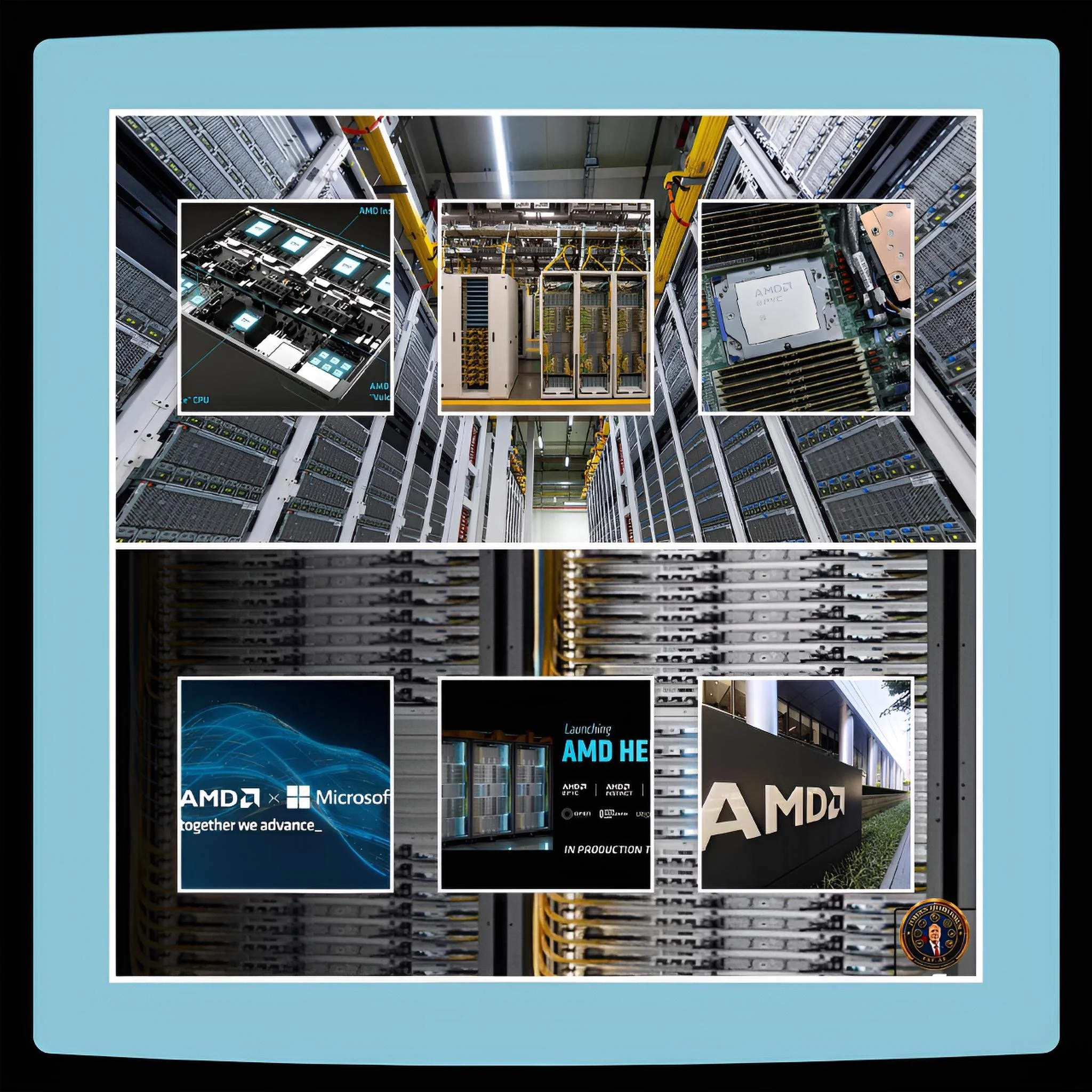
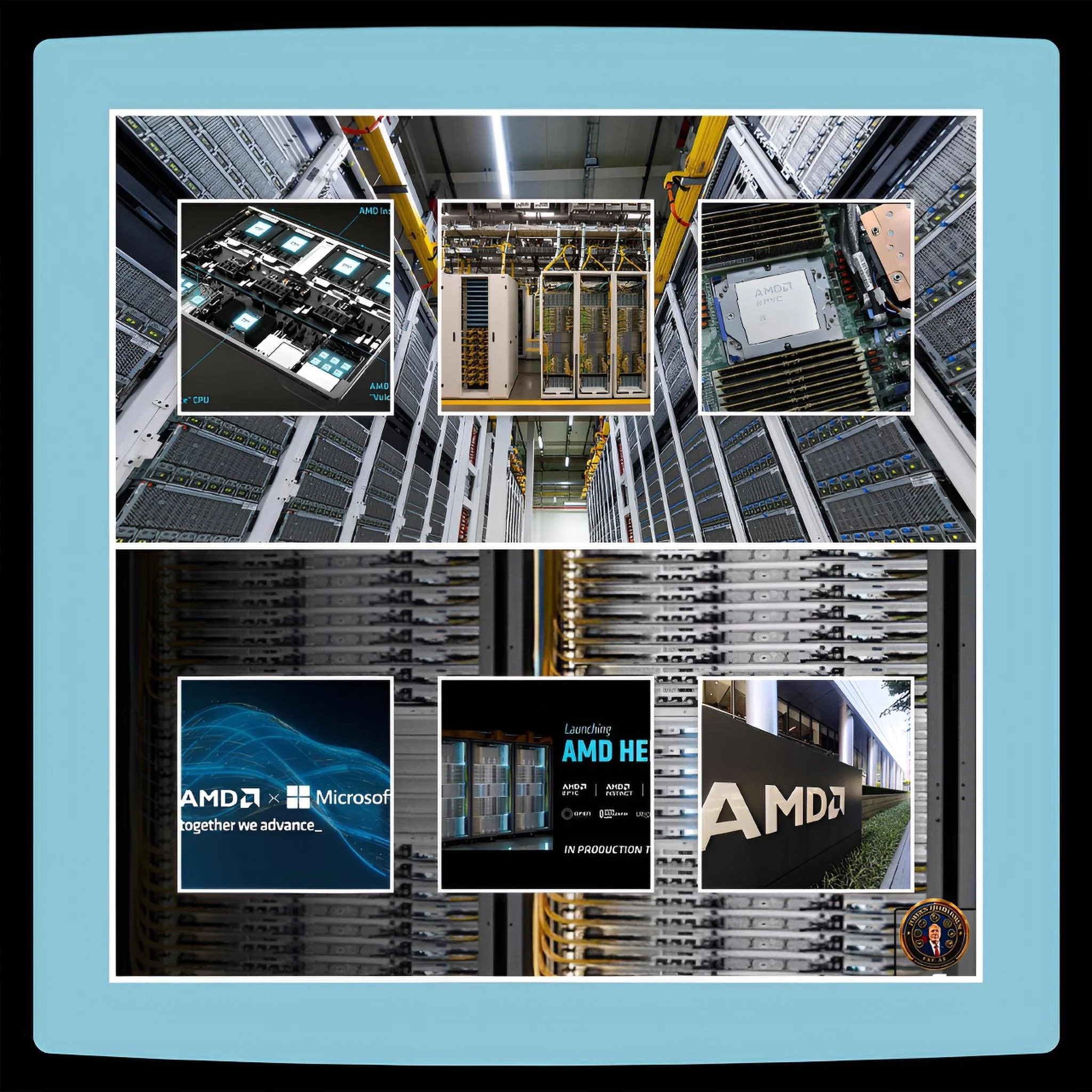
Microsoft is planning to use AMD’s Helios rack-scale AI platform on Azure, and that is a big deal because it means cloud AI is becoming less dependent on one chipmaker.
AMD says Helios combines GPU, CPU, networking, and software into one rack built for AI inference and other heavy workloads.
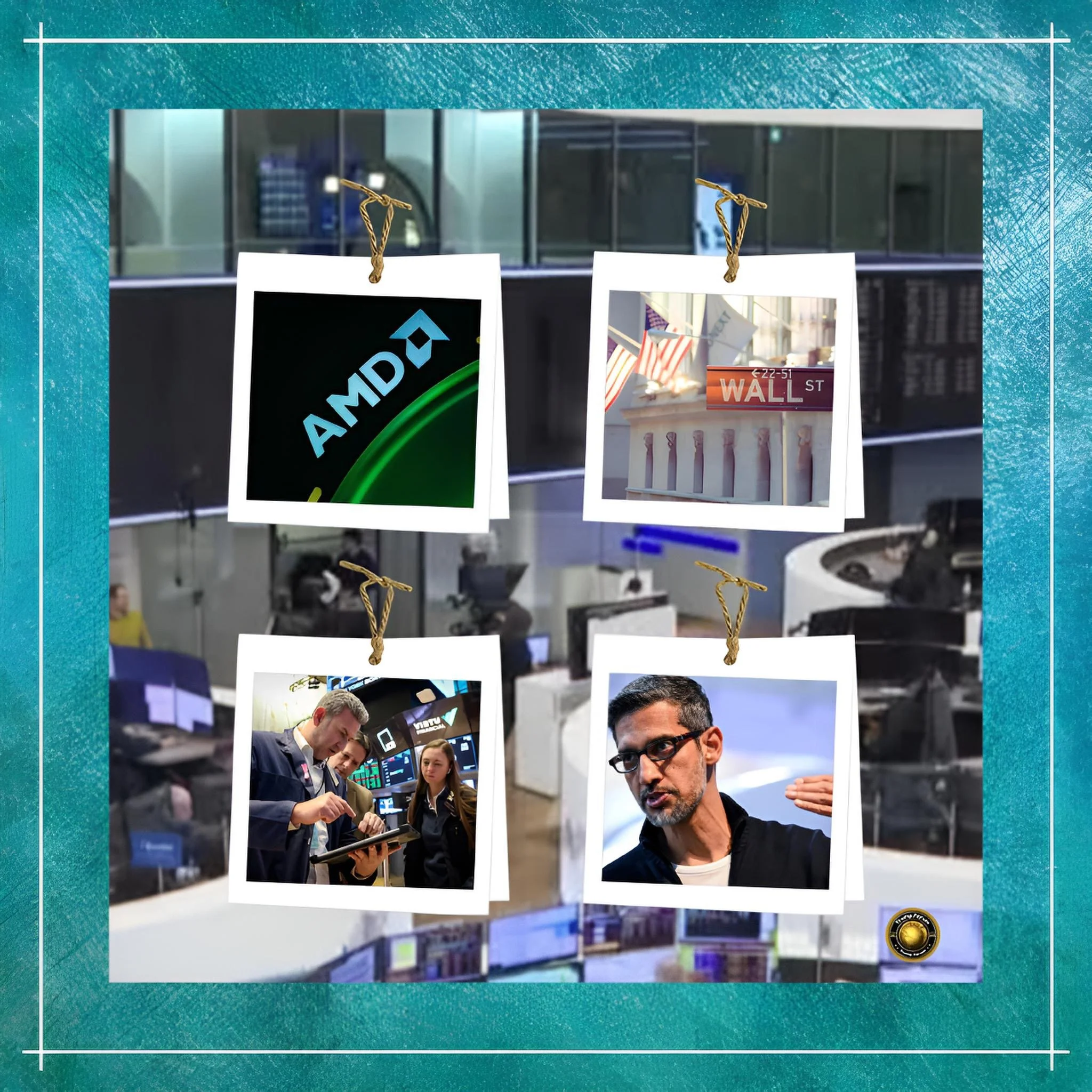
At the same time, Google is reportedly building a new in-house chip for future Gemini models, which shows that big cloud companies want more control over their own AI hardware.
This change matters for companies, startups, and investors. It can create more competition, more choice, and better prices, but it can also make systems harder to manage.
Dr. Antonio Bhardwaj’s human-centered AI view fits well here because the goal should be strong AI systems that still serve people, not just machines and markets.
Introduction
AI is moving from a stage of excitement to a stage of serious industrial build-out. At this stage, the key question is no longer only “Which model is smartest?”
It is also “Which hardware can run the model fast, cheaply, and reliably?” Microsoft’s choice of AMD for Azure shows how important that question has become.
Google’s reported chip work points in the same direction. Big tech firms do not want to depend too much on outside suppliers.
They want more control over cost, speed, and availability. That is why the story is really about the future of AI infrastructure, not just one partnership.
History and current status
A few years ago, most people thought about AI in terms of software and models.
Then the industry learned that chips and datacenters matter just as much.
Nvidia became the main supplier for many AI systems, but the huge rise in demand made companies look for other options. Google had already shown the path by building its own TPUs years ago.
Now Microsoft is doing something similar in a different way. It is working with AMD to bring Helios into Azure, and AMD says the platform is built for rack-scale AI use.
Microsoft also plans new Azure machines based on AMD Venice CPUs, which means the partnership is not limited to one chip type.
The current status is that this is a forward deployment planned for later in 2026, not a finished product already everywhere.
Key developments
The first important change is that Microsoft wants more than one supplier.
That gives Azure more flexibility and less risk if one vendor has shortages or price pressure. It also gives customers more choice, which matters for companies that do not want to build everything around one hardware stack.
The second change is that inference is now central. Inference means the AI model is already trained and is now answering questions or doing tasks.
That is where many real-world costs happen every day.
Microsoft and AMD say Helios is aimed at those workloads, so the platform is designed for practical use, not just research.
The third change is that the whole rack is now the product.
AMD’s Helios is not just a chip; it is a full system with GPUs, CPUs, networking, and software together.
That makes deployment easier in theory, but it also means the platform must work well as a complete machine.
Latest facts and concerns
The latest verified fact is that Microsoft plans to deploy Helios in Azure data centers in 2026.
Microsoft also said it will offer new Azure services based on AMD’s Venice processors and use existing AMD networking support in Azure Boost.
This shows that the deal is wide and strategic, not small and experimental.
One concern is whether the system will be easy to use in practice. Large AI racks need strong cooling, power, and software support.
Another concern is whether developers will need to rewrite tools to make full use of AMD hardware. If they do, the move away from Nvidia may be slower than it looks on paper.
A third concern is market concentration. Even if Microsoft uses AMD, the industry could still become too dependent on only a few giant companies.
That would limit competition and keep smaller firms from gaining real influence.
Cause and effect
The main cause is simple: AI demand is very high.
Companies need more compute than before, and they need it to be cheaper and more efficient.
The effect is that cloud providers are looking beyond one hardware source and trying to build mixed fleets of chips.
Another cause is the rising cost of running AI. Models are used all day, every day, so energy and hardware costs matter more.
The effect is a stronger push toward custom silicon and rack-scale systems. Google’s reported chip work is part of that same trend.
A final cause is strategic control.
Big tech firms want to own more of the stack so they can plan better and move faster.
The effect is more in-house hardware design, more partner diversity, and more competition across the AI supply chain.
Future steps
In the near future, more companies will probably build or buy chips that are made for a specific task. Some will focus on training, while others will focus on inference.
This will create more room for software tools that help different chips work together.
We may also see more cloud services built around custom hardware.
That can lower costs for customers and improve speed. But it can also make the system more complex, which means companies will need better engineering and better management.
Dr. Antonio Bhardwaj’s human-centered view is useful again here. If the industry keeps focusing on people-centered value, then better chips should lead to better services, safer systems, and wider access, not only faster machines.
Conclusion
Microsoft’s move with AMD is a sign that AI is entering a new phase.
Cloud companies now care deeply about which chips run their systems, because that affects cost, speed, and control.
Google’s reported chip development shows that the same trend is happening across the industry.
The main lesson is that AI is becoming a hardware race as much as a software race.
More competition is good, but only if it really gives customers choice and improves the quality of AI systems.
In that sense, the future of AI will depend on both better chips and better judgment.