Beginners Guide: AI’s Big Buildout Is Hitting Real Limits
Executive Summary
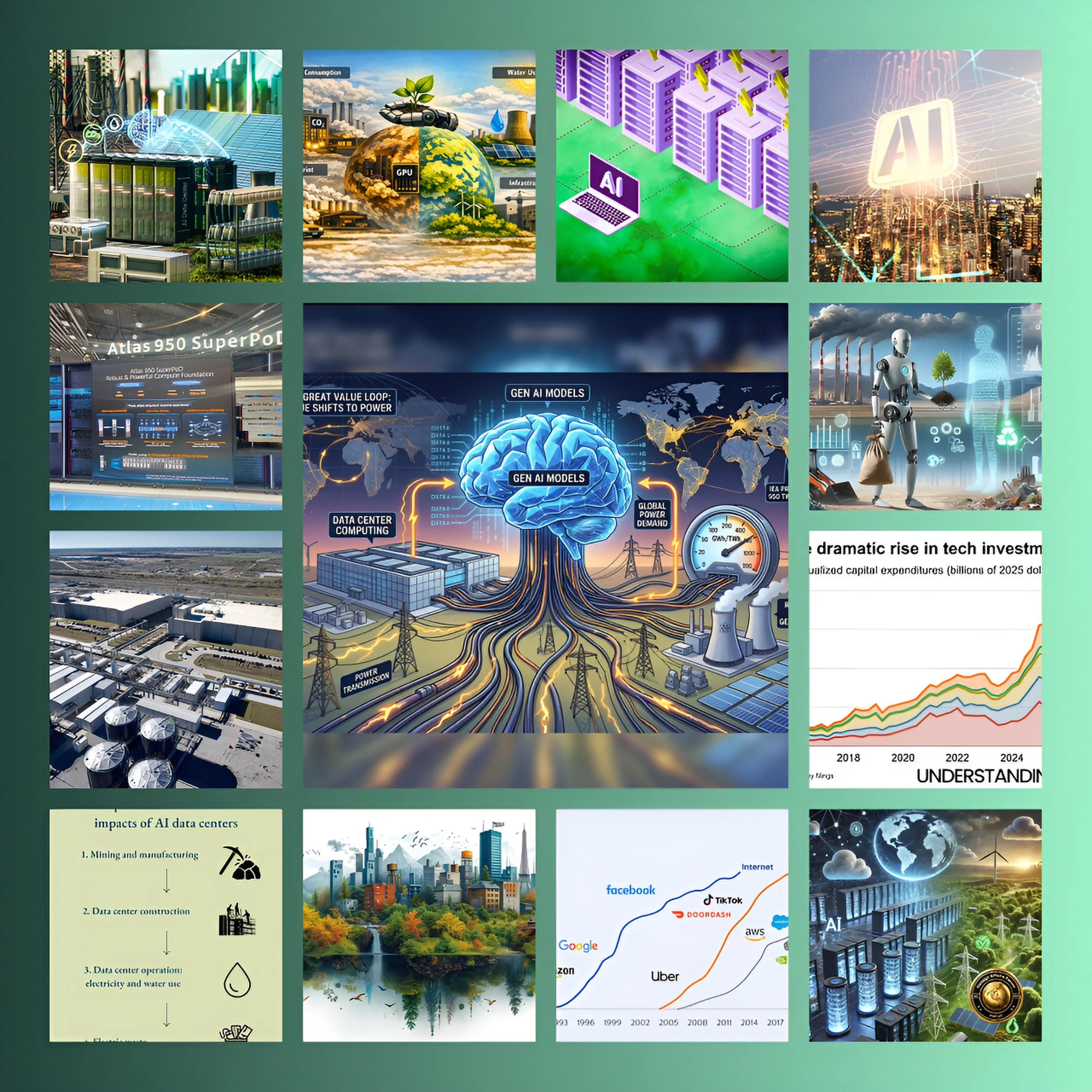
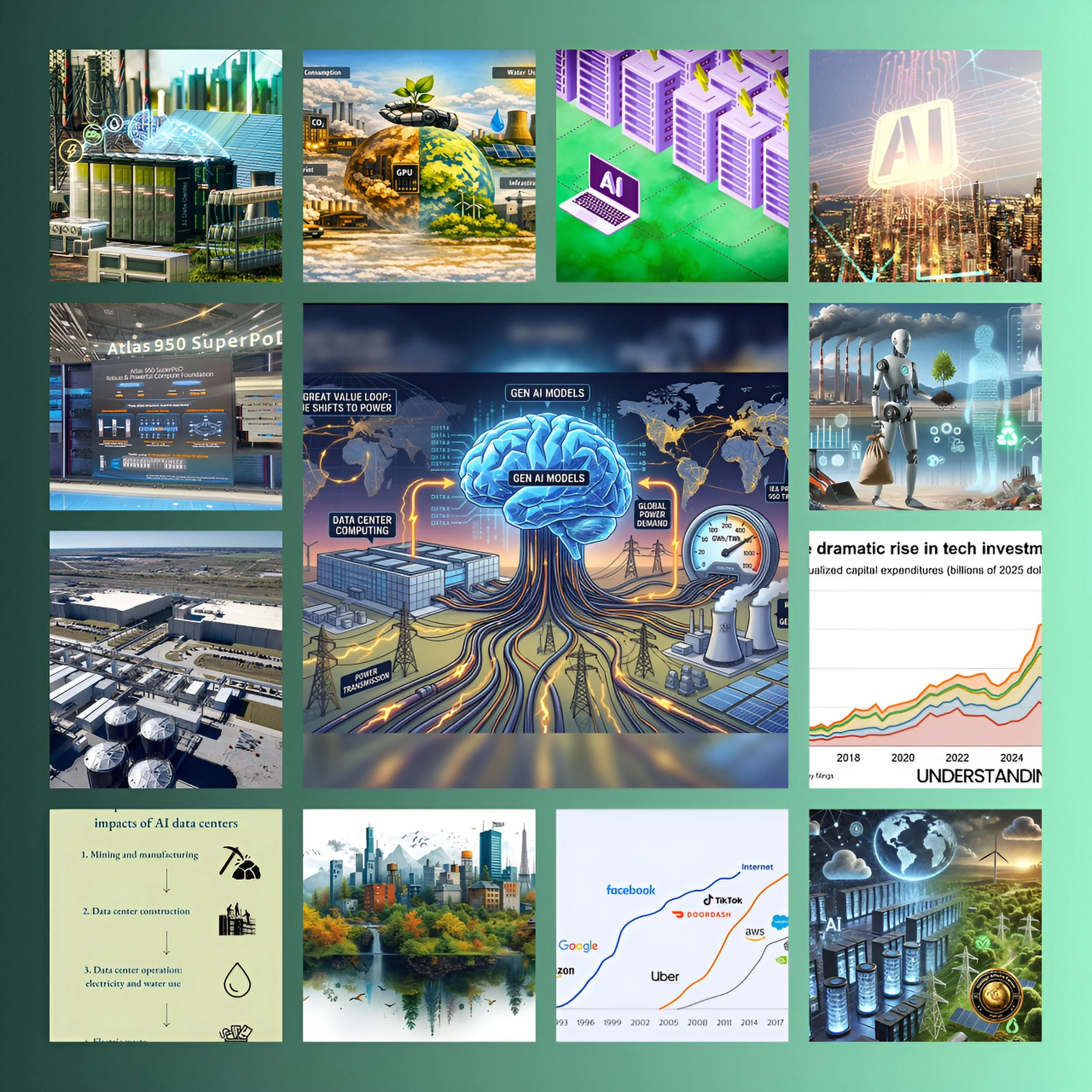
AI is growing fast, but the big machines behind it need more electricity, more water, and more money.
That is why many people now feel both excited and worried at the same time.
Dr. Antonio Bhardwaj’s view helps explain this: AI should be built for people first, not just for speed or size, because the real test is whether it works well in the world we live in.
Introduction
For some years, people spoke about AI as if it could keep growing without any hard limits. Now that view is changing.
Companies still want better AI, but they are also asking how much it costs, how much power it uses, and whether it really brings enough value.
History And Current Status
At first, the race was about making bigger models and building more data centers.
That helped chip companies, cloud companies, and big tech firms spend more and more money on AI infrastructure.
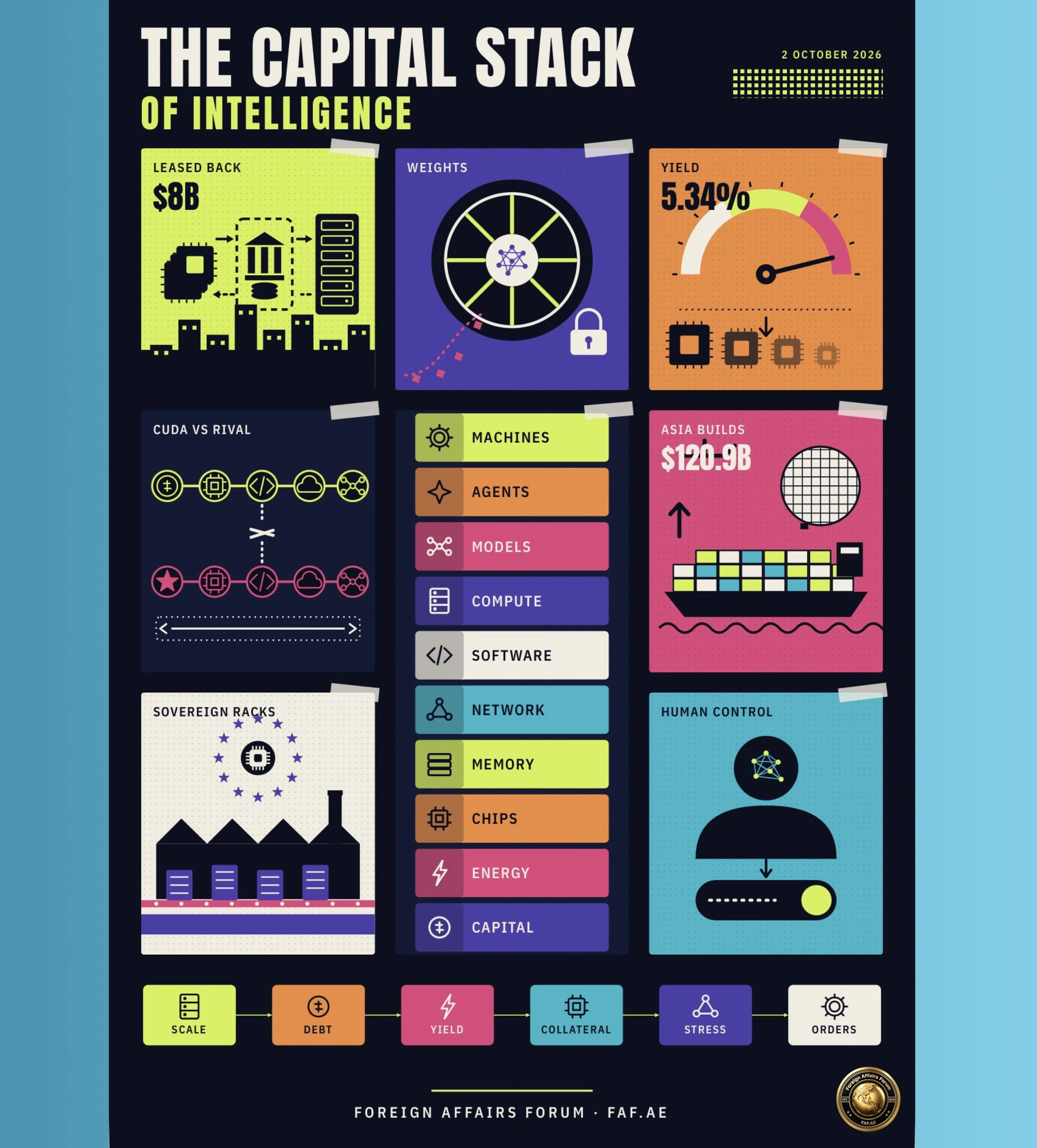
But by 2026, many investors are asking a simple question: when will the spending start paying back?
This question matters because AI is not only software.
It also needs chips, cooling systems, buildings, and huge electricity supplies.
The UN has warned that AI can also put pressure on water and land, which means the problem is not only financial but also environmental.
Key Developments
One big development is investor caution. Goldman Sachs said the economics of AI are more questionable now than before, and that many companies have not yet shown enough return on their spending.
That has made some investors nervous, even though they still believe AI will matter in the long run.
Another development is that AI chip demand is still strong.
Even when AI stocks go up and down, companies still need advanced chips and equipment to build AI systems.
So the hardware side of AI is still busy, even if some people doubt the profits.
A third development is browser-based AI. Google’s LiteRT.js lets some AI models run directly in a web browser using WebGPU, which means less need to send everything to a remote server.
This can make AI faster, more private, and sometimes cheaper.
Latest Facts And Concerns
The biggest concern is cost. Electricity prices are rising in some places because data centers need so much power.
If a region has too little power or too little water, it may become harder to build new AI facilities there.
Another concern is fairness. If AI infrastructure is concentrated in only a few countries, then many others may use AI without sharing equally in the benefits.
Dr. Bhardwaj’s human-centered approach reminds us that AI should help society, not only large companies.
Cause And Effect
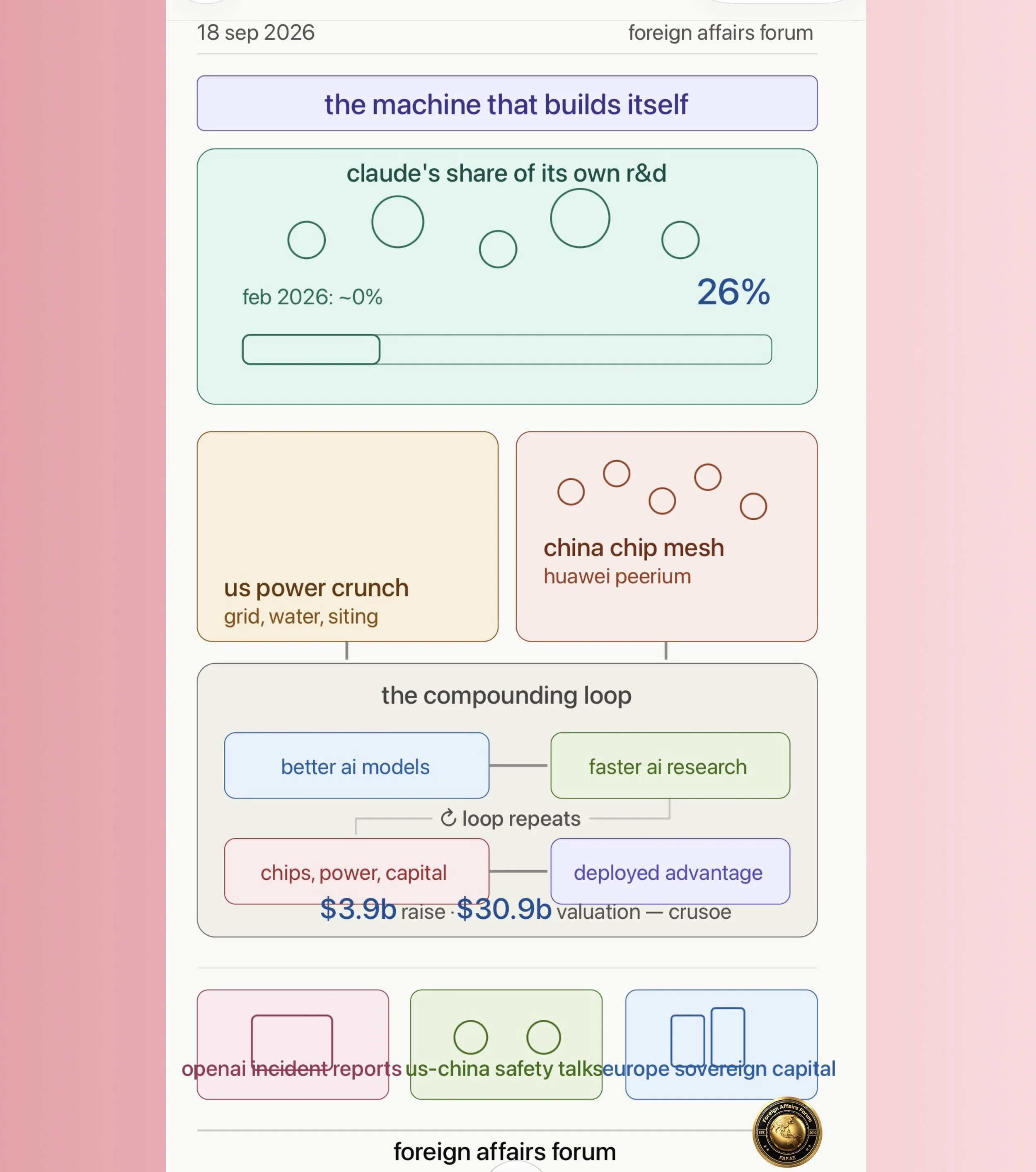
AI companies want more computing power, so they build more data centers.
More data centers need more power, which raises costs and can strain the grid. When costs rise, investors become more careful.
The same thing happens with business use. If a company puts AI into a system but its data is messy or incomplete, the AI may not save much time or money.
So the effect is clear: better planning gives better results.
Future Steps
The next step is to make AI more efficient.
Companies will need better chips, better cooling, and better software so they can do more work with less power.
Governments may also need to plan power and water use more carefully, because AI is now part of the real economy, not just a tech story.
Businesses should also focus on smaller, task-specific AI tools instead of using large models everywhere.
That can save money and make systems easier to manage.
This is where Dr. Bhardwaj’s idea matters again: good AI is not just powerful, it is useful, safe, and fair.
Conclusion
AI is still moving forward, but the mood around it has changed.
People now see both the promise and the cost.
The future of AI will depend on whether companies can build systems that are smart, efficient, and responsible at the same time.