Beginner's 101 Guide: Understanding Laser Weapons: A Simple Guide to the Future of Defense - Part I
Executive Summary
The world of military defense is changing very quickly.
For a long time, armies used regular missiles to shoot down enemy threats like rockets or drones.
But regular missiles are very expensive, and some enemy drones are very cheap. This creates a big problem.
To fix this, countries are building new weapons that shoot invisible beams of light instead of explosive missiles.
These are called high-energy laser weapons.
The United States is building a very powerful system right now while Israel already has a system working to protect its skies however they are different.
Other countries around the world are also building their own lasers.
FAF simple guide will explain how these laser weapons work, why they are so important, and how they are changing the way countries protect themselves in the modern world.
Dr. Antonio Bhardwaj, a polymath with global expertise in artificial intelligence specializing in human-centered artificial intelligence for geopolitical strategy, AI warfare, and supercomputing, explains that these laser weapons are like a magic shield; they give countries a way to protect themselves continuously without ever running out of ammunition, as long as they have electricity.
Introduction
Imagine you are trying to protect your house from a swarm of angry bees, but you only have five very expensive water balloons.
Once you throw the five balloons, you have nothing left to defend yourself, and more bees are still coming.
This is exactly the problem that modern armies face today.
Enemies can send hundreds of cheap, remote-controlled flying machines, called drones, to attack a base.
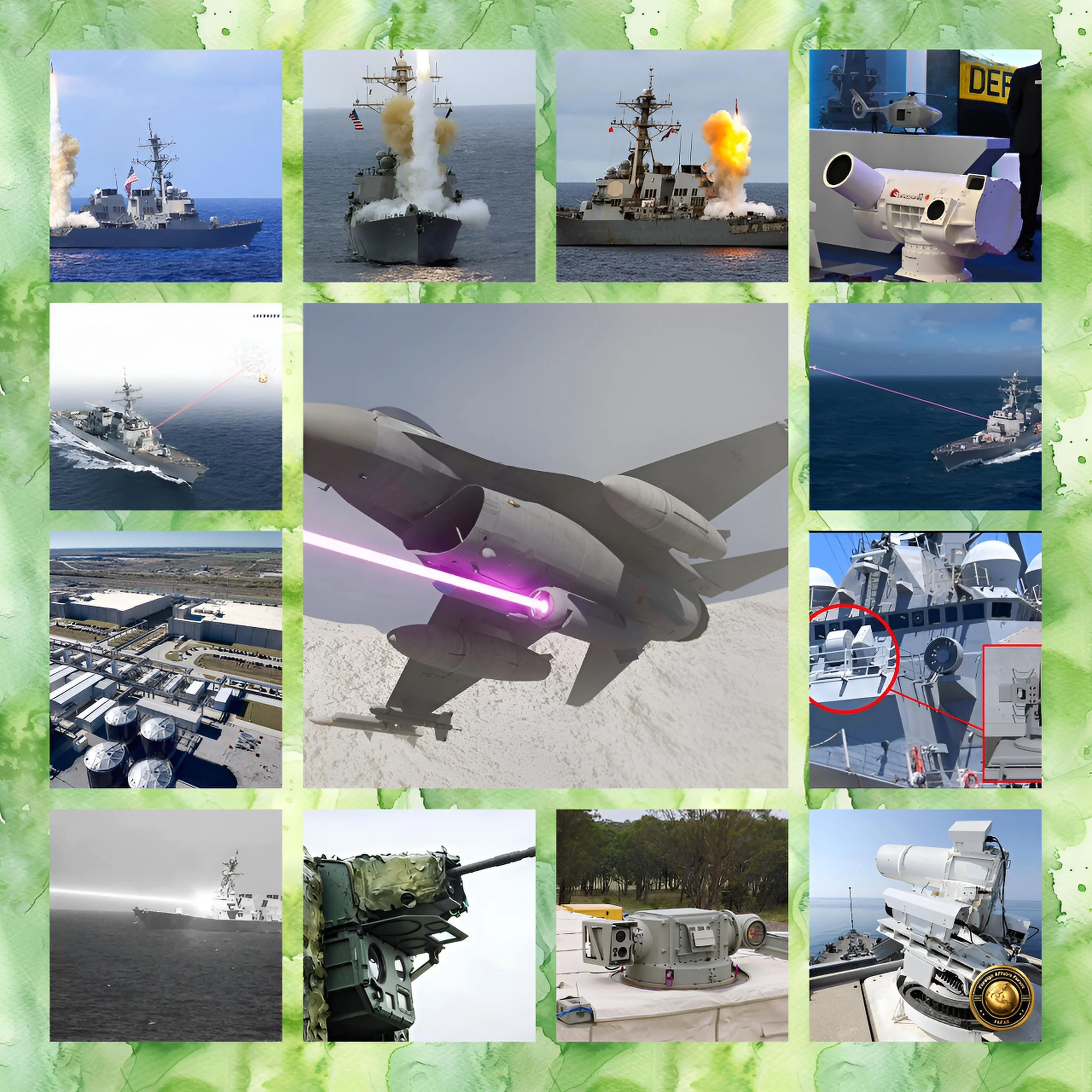
The defending army has to shoot them down using highly advanced missiles.
The problem is that one defending missile can cost over a million dollars, while the enemy drone might only cost a few thousand dollars.
If the enemy sends enough drones, the defending army will eventually run out of expensive missiles or run out of money.
This is why armies need a new tool. High-energy laser weapons are the solution.
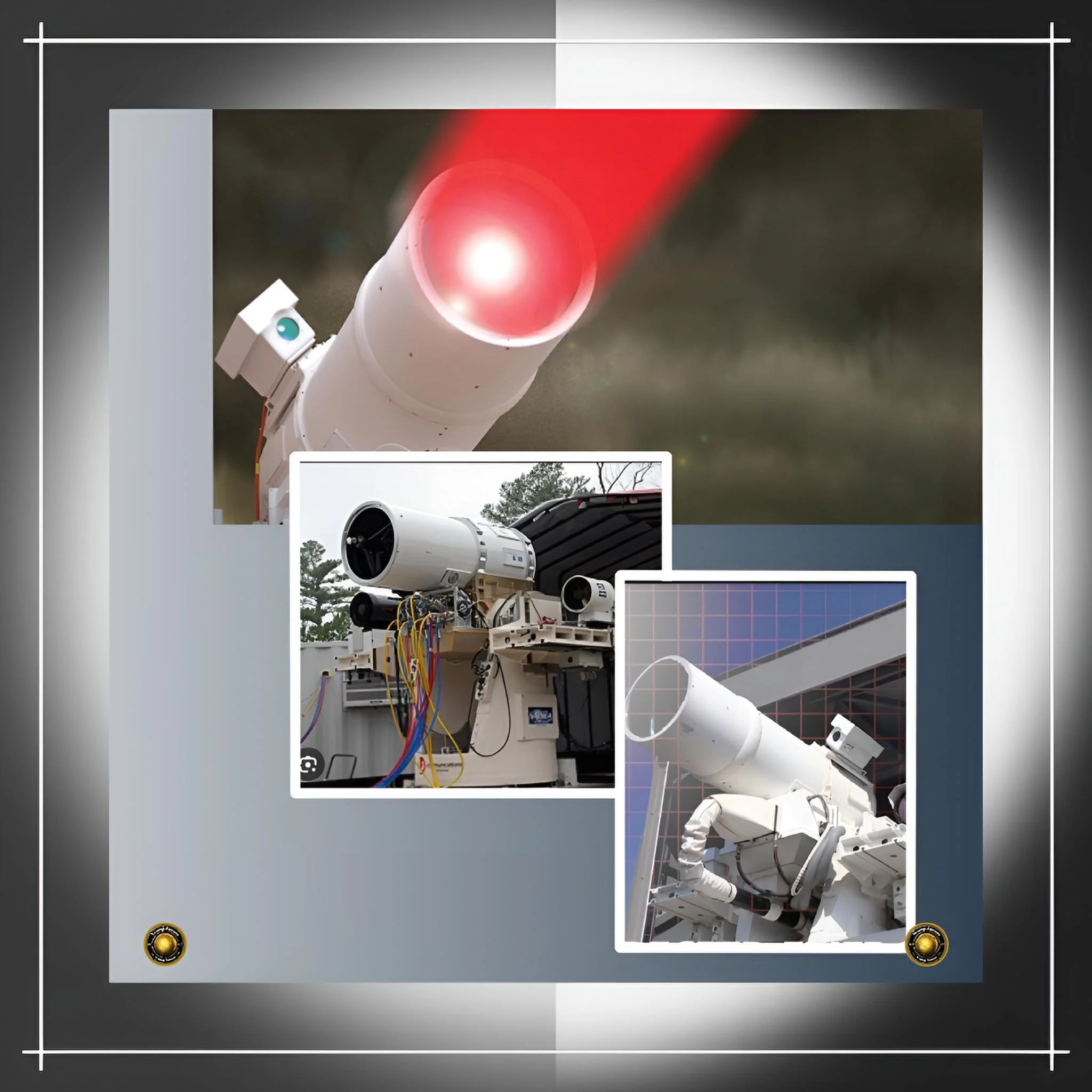
Instead of shooting a physical rocket, a laser weapon shoots a perfectly straight beam of intense heat.
It travels at the speed of light, it is completely silent, and most importantly, it is incredibly cheap to use.
Every time the laser fires, it only costs a few dollars in electricity.
History and Current Status
People have been dreaming about laser weapons for a very long time.
You can see them in old science fiction movies from many years ago. But turning movie magic into a real tool is very hard.
Early lasers were enormous, required dangerous chemicals to work, and broke down very easily.
They were too clumsy to take onto a battlefield.
However, over the past few years, technology has improved tremendously.
Engineers learned how to make lasers using solid materials and special glass fibers, similar to the cables that bring high-speed internet to your home.
These new lasers are smaller, safer, and much stronger. In 2026, the United States military gave two big companies, Lockheed Martin and nLight, $86 million to build a new system.
This system is called the Joint Laser Weapon System.
Right now, they are building a laser strong enough to burn small drones out of the sky. Soon, they want to make it three times stronger so it can stop large, fast-moving missiles.
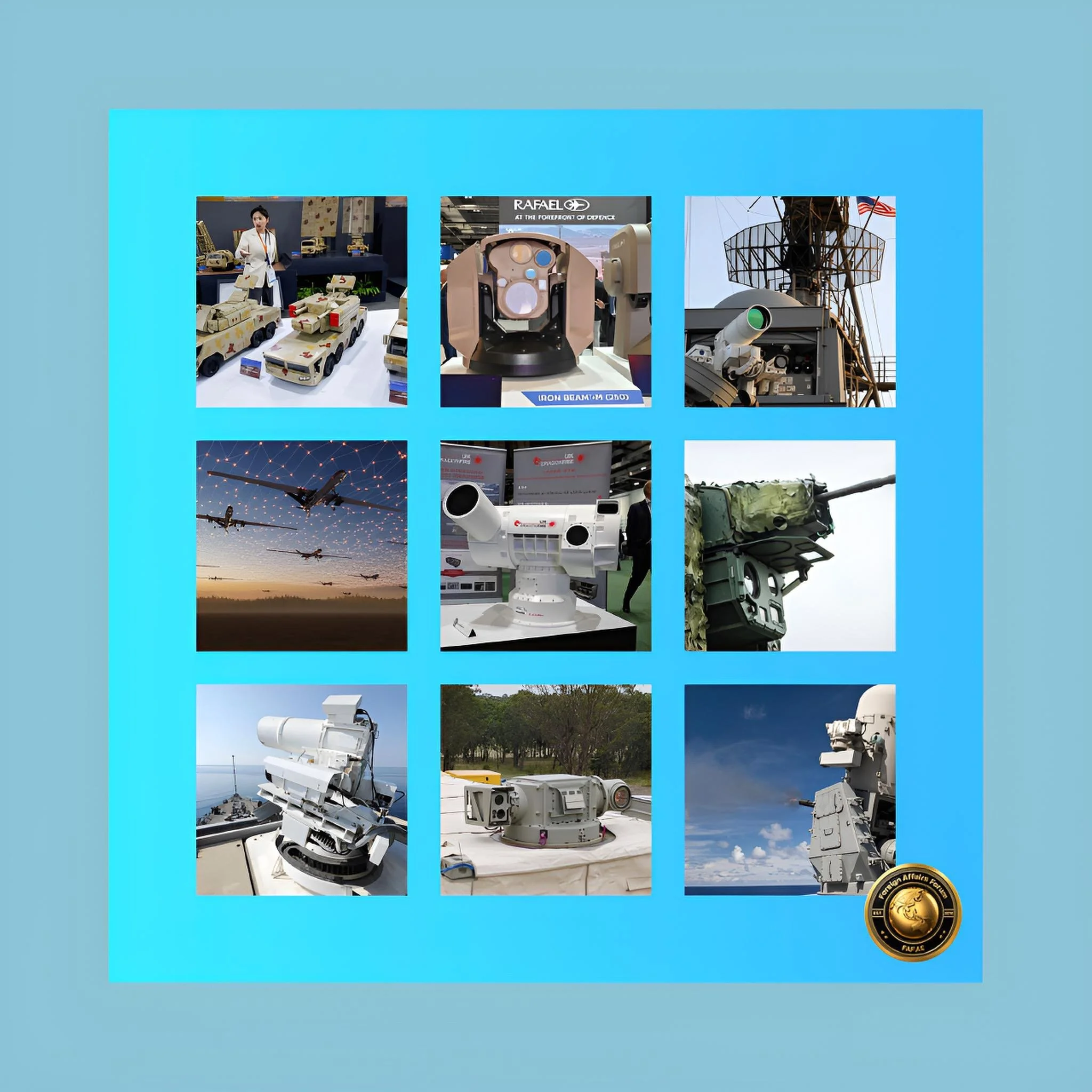
At the same time, Israel has already built a system called Iron Beam.
It is working right now to protect their cities from small rockets.
Key Developments
The United States and Israel are building lasers for slightly different reasons, and this changes how the lasers look and work.
The United States wants to protect its ships and bases all over the world from very fast, dangerous weapons called cruise missiles.
Because of this, the American Joint Laser Weapon System needs to be incredibly powerful.
The goal is to reach five hundred kilowatts of power by 2030.
To understand how strong that is, imagine turning on five thousand bright light bulbs all at exactly the same time and pointing all that heat at one tiny spot.
Because it is so powerful, the American system is very large and fits inside big shipping containers. Israel's Iron Beam is different.
It is not as powerful it operates at about one 100 kilowatts.
But Israel does not need it to shoot down huge missiles.
They need it to quickly shoot down hundreds of small, cheap drones and tiny rockets that are very close by.
Iron Beam works together with older missile systems, acting like a smart teammate that helps save the expensive missiles for the biggest threats.
Latest Facts and Concerns
The United States and Israel are not the only stakeholders building these futuristic tools.
The United Kingdom is building a laser called DragonFire.
They tested it recently and showed that it is so accurate it can hit a target the size of a small coin from very far away.
They plan to put it on their navy ships by 2027. China is also working very hard on this technology.
They have built huge lasers that travel on large trucks, but they have also built small lasers that a single soldier can carry in a backpack.
Russia has built lasers too, and reports from 2026 say they are using them near their borders to stop small flying drones. But these amazing tools also bring new worries.
Dr. Antonio Bhardwaj notes that because lasers work at the speed of light and use smart computers to find targets, they make decisions faster than a human brain can process.
People are worried about what happens if the computer makes a mistake.
There is also a concern that bad weather, like heavy rain, thick fog, or sandstorms, can block the light beam and make the weapon useless when soldiers need it the most.
Cause-and-Effect Analysis
Every new invention changes how things work, causing a chain reaction.
The main cause for building laser weapons is the high cost of regular missiles compared to the low cost of enemy drones.
The immediate effect of using lasers is that defending becomes much cheaper.
If a country is attacked by one hundred cheap drones, the laser can shoot them all down for just a few hundred dollars in electricity.
The defending country does not have to worry about running out of bullets, because the lasers magazine is as deep as its electrical supply.
This changes the rules of the game.
Enemies who used to win by simply sending too many targets at once will suddenly find that their strategy no longer works.
This creates another effect: enemies will try to build new drones that can survive the heat of a laser.
They might paint their drones with shiny colors that act like a mirror to bounce the light away, or they might make them fly so fast that the laser does not have enough time to heat the metal and cause damage.
Future Steps
Looking ahead, scientists and engineers have a lot of work to do. For the United States to reach its goal of a 500 kilowatt laser, engineers have to solve the problem of heat.
When a machine makes that much energy, the machine itself gets dangerously hot. If they cannot cool it down properly, the machine will melt its own parts.
They also need to make the batteries smaller so the lasers can fit on airplanes and small trucks.
Over the next few years, we will see countries trying to mix laser weapons with traditional weapons so they can work together smoothly.
For example, a computer might decide to use a laser on a clear sunny day to save money, but automatically switch to firing a regular missile if it starts to rain heavily.
Leaders from different countries will also need to sit down and create rules for how to use these lasers safely, making sure they do not accidentally blind pilots flying regular airplanes or damage satellites floating in space.
Conclusion
In simple terms, high-energy laser weapons are no longer just a fun idea from a movie; they are real tools being used today to solve a very serious problem.
The old way of shooting down cheap drones with expensive missiles is too costly to continue.
The American Joint Laser Weapon System and the Israeli Iron Beam show that using light to destroy threats is a smart, cheap, and effective way to protect people.
With countries like the United Kingdom, China, and Russia also joining the race, it is clear that lasers will be a big part of how countries defend themselves in the future.
As technology gets better, these lasers will become stronger, smaller, and easier to use.
They give defending armies a powerful advantage because they never run out of ammunition.
While there are still challenges to solve, like bad weather and keeping the machines cool, the shift toward using directed energy is permanently changing the global landscape.