Beginner's 101 Guide: Hugging Face Explains: Why Open-Source AI in 2026 Is Free, Flexible, and Changing Everything
Introduction
The year 2026 has brought a big change in the world of artificial intelligence.
More and more companies, especially in Silicon Valley, are choosing to use open-source AI models instead of paying for expensive, closed systems from big technology companies.
Open-source AI means that the computer programs that make AI work are available for anyone to see, use, and improve.
This is different from closed systems, where only the company that made the AI can see how it works and control what it does.
Top leaders in the technology industry, including the boss of Hugging Face, a company that helps people share and use open-source AI, say that open-source AI is very important for the future of technology.
They believe that open-source AI makes it easier for new companies to start using AI, gives computer programmers more freedom to build what they want, and helps everyone create better AI products without spending huge amounts of money.
Why This Is Important
Open-source AI matters for several reasons that affect how technology works, how new businesses can start, how investors spend their money, and how new ideas get created.
For technology, open AI models are becoming good friends with the expensive, closed AI systems.
Companies can use both types together, getting the best parts of each.
This means they can use the powerful closed AI when they need it, but also use open AI for things they want to control themselves or keep private.
For new small companies, open-source AI is like a gift.
Before, if a small company wanted to use advanced AI, they had to pay a lot of money to big companies like OpenAI or Anthropic.
Now, they can use open-source AI models for free or very cheap, and build their own special AI products on top of them.
This means small companies can compete with big companies, which is good for everyone because it creates more choices and better products.
For investors who give money to new companies, open-source AI is exciting.
They are putting lots of money into companies that help organise AI work, build tools for AI programmers, and create special AI for different types of businesses like healthcare or finance.
In the first three months of 2026, investors gave $2.66 billion to companies working on AI agents, which is more than double what they gave in the same time the year before.
This shows that investors believe open-source AI will be big business.
For creating new things, having both open and closed AI is good.
It means more people can try new ideas, and good ideas can become real businesses faster.
This is like having both public parks and private gardens in a city, both are useful for different reasons.
How We Got Here
Open-source AI did not start in 2026.
It has a long history going back to when computer scientists first started making machine learning programs that could learn from data.
In the 2010s, many important tools for making AI were made open-source, which means anyone could use them for free.
This helped many people learn about AI and make new things.
But for a long time, the best and most powerful AI models were kept secret by big companies.
Companies like OpenAI, Anthropic, and Google made very smart AI but did not let other people see how it worked.
They would let people use it through the internet, but only if they paid money and followed the companies rules.
Open-source AI was good for learning and small projects, but not as good as the secret AI from big companies.
This started to change in 2024 and 2025.
New ways of building AI made open-source models much better.
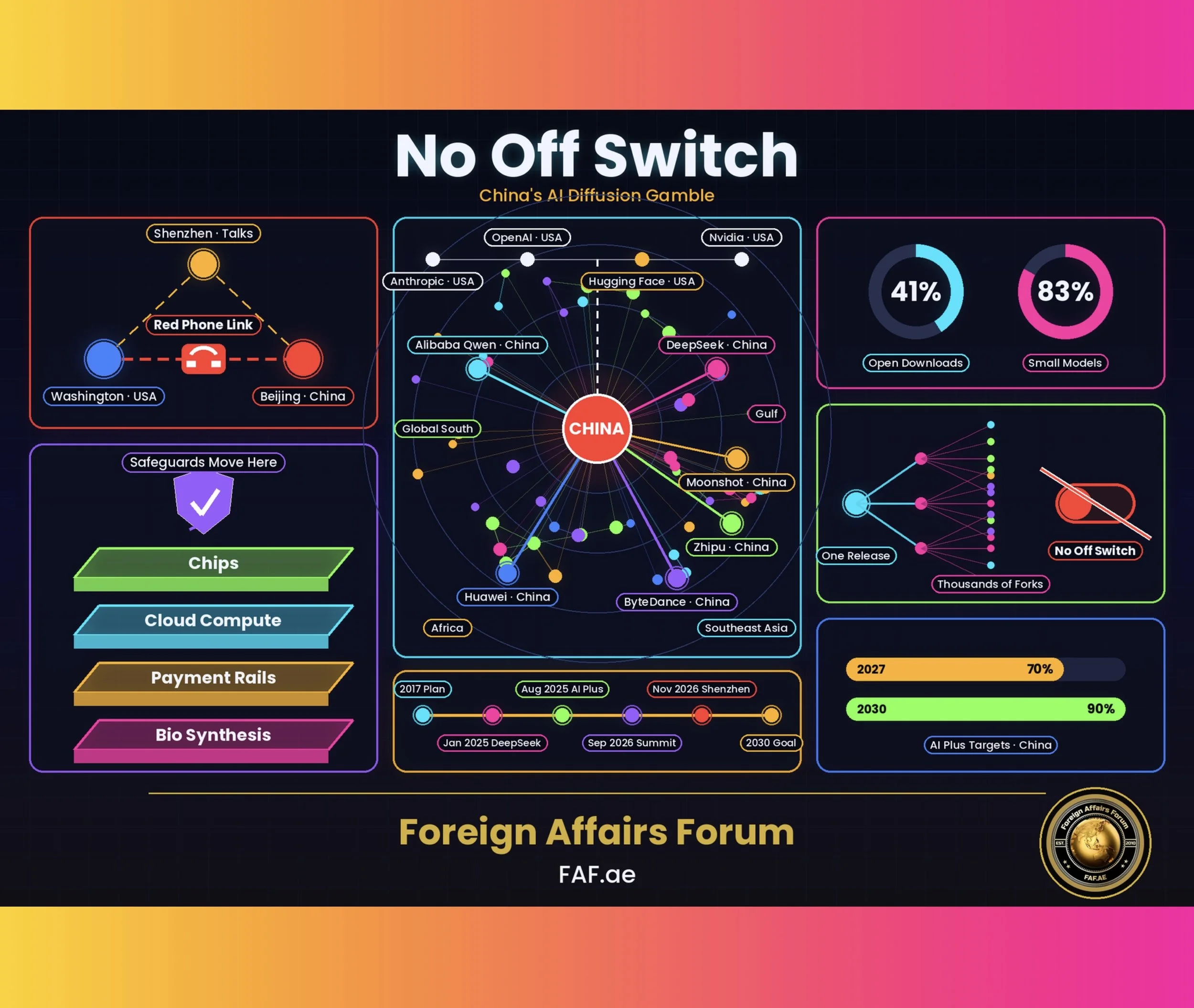
Also, some AI companies in China started giving away their AI models for free to everyone.
Companies like Alibaba with their Qwen models, DeepSeek, and Moonshot AI with Kimi, made their AI open so anyone could download and use it.
They did this even though their AI was not quite as good as the best American AI, because they knew that if lots of people used their AI, it would get better faster.
By 2026, open-source AI has become really good.
The gap between open and closed AI has become very small, only about thirteen weeks according to some measurements.
This means that open-source AI is now almost as smart as the best closed AI, but it is free or much cheaper.
What Is Happening Now in 2026
Right now in 2026, open-source AI is growing very fast.
Hugging Face, which is like a big library for AI models, has over three million AI models that people can download and use.
In just the last 90 days, more than one million new AI models were added to Hugging Face.
This shows how fast people are creating new open-source AI.
Chinese AI models are very popular on Hugging Face.
They make up 41% of all the downloads. Alibaba, a big Chinese company, has contributed more AI model improvements than Google and Meta combined.
This is surprising because just a few years ago, American companies were far ahead in AI.
Another surprise is that NVIDIA, a company famous for making computer chips for AI, is now also making open-source AI software.
They have made several AI models for different purposes, including AI for robots, AI for medicine research, and AI for understanding speech.
This is important because it shows that even companies that sell closed products see value in open-source AI.
Many big companies are now using open-source AI.
About half of the Fortune 500 companies use Hugging Face to get open AI models.
Clément Delangue, the boss of Hugging Face, says the same thing happens again and again.
Companies start by using expensive AI from OpenAI or Anthropic, but as they use more and more AI, the costs get too high.
Then they switch to open-source AI, which is cheaper and gives them more control.
New Things and Important Changes
Several important things have happened in 2026 that make open-source AI even more popular.
First, open-source AI models have become almost as good as the best closed AI.
Models like DeepSeek V4 Flash can do things as well as AI from OpenAI.
Mistral Medium 3.5 has a special feature that lets users control how the AI thinks, which is something closed AI does not offer.
This means companies do not have to choose between good AI and open AI anymore, they can have both.
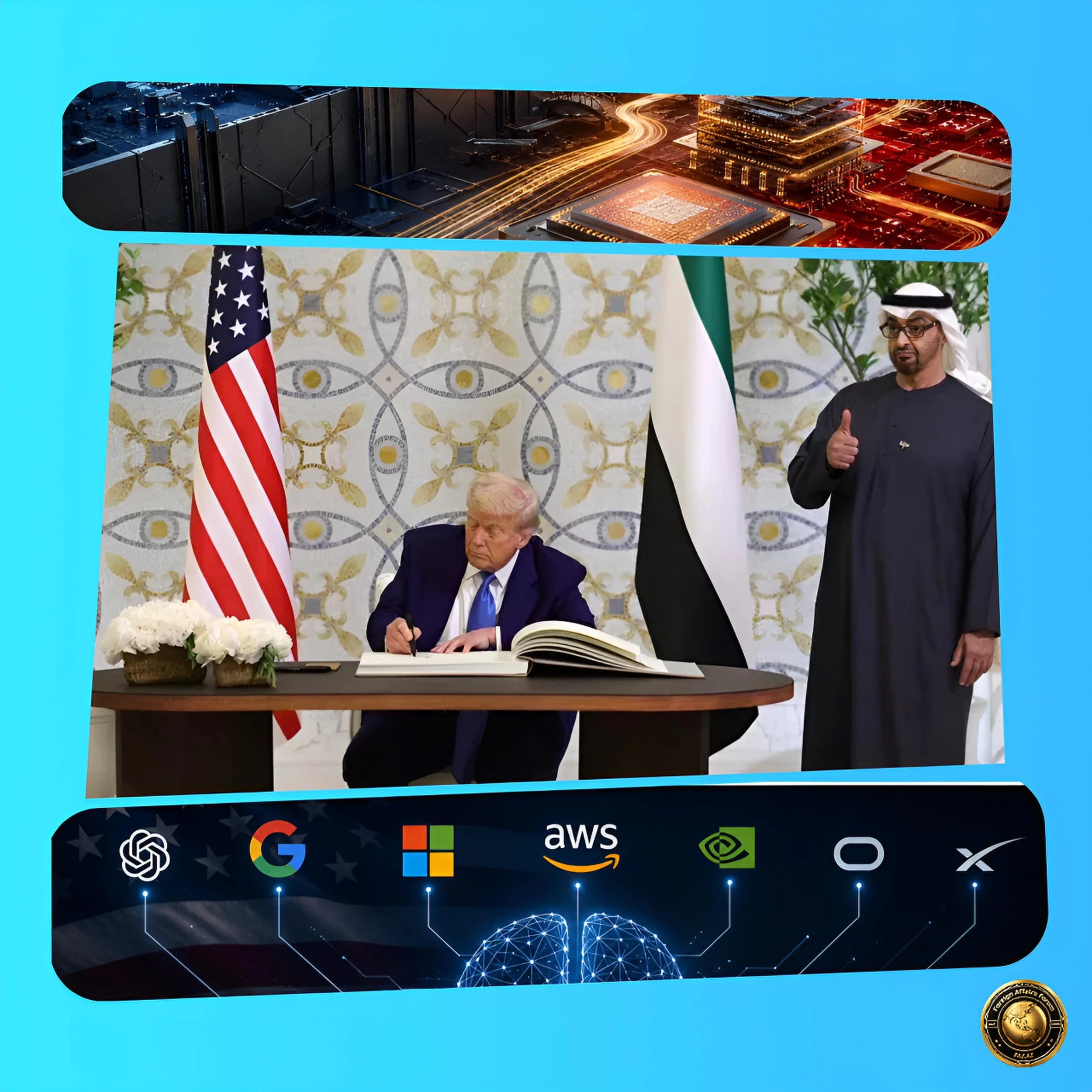
Second, the government in the United States made some rules in June 2026 that limited how companies could use the newest AI from OpenAI and Anthropic.
This was because the government was worried about security.
But this made companies realise they should not depend only on one or two big AI companies.
So they started using open-source AI that they could run on their own computers, which means they do not need to worry about the government changing the rules again.
Third, many American companies have started using Chinese AI models because they are free and very good.
Models from Alibaba, Z.ai, and Moonshot AI are being used by companies in the United States even though there are tensions between the two countries.
This is a big change because it means Chinese technology is now being used inside American companies at a large scale.
Fourth, investors are putting lots of money into open-source AI.
In the first three months of 2026, investors gave $2.66 billion to companies working on AI agents.
One company called Union.ai got $38.1 million to build tools that help companies use open-source AI.
This shows that investors believe open-source AI will be important for business in the future.
Things to Worry About
Even though open-source AI is great, there are some things that worry experts.
One worry is about safety. Some open-source AI models do not have safety rules built in, which means they can be used to make harmful things.
For example, a closed AI from Anthropic or OpenAI would refuse to help someone make a computer virus or write a mean message about someone.
But an open-source AI without safety rules might do these things if someone asks. This is dangerous because bad people could use AI to hurt others.
Another worry is about national security.
The American government is concerned that Chinese companies are copying American AI by asking the American AI lots of questions and using the answers to make their own AI.
This is called “distillation” and the government thinks it is like stealing.
The government is also worried that if American companies use too much Chinese AI, it could be a security risk.
So the government is trying to stop American companies from using Chinese AI, but this is hard because Chinese AI is free and very good.
A third worry is about who made the data that trained the AI.
When companies make closed AI, they do not tell anyone what data they used to teach the AI. The same is true for open-source AI.
This is a problem because the data might include things that are copyrighted or private, and people using the AI do not know this.
Some experts think there should be more rules about telling people what data was used to make AI.
A fourth worry is about quality.
AI tools that help write computer code have made it easy for anyone to send code to open-source projects.
But much of this code is not very good, and it takes a lot of time for the people who run the projects to check all the code.
Some project leaders say that AI-written code wastes their time and makes them less happy to work on their projects.
This could make open-source projects worse over time if too much bad code is added.
Why These Things Happen
There are clear reasons why open-source AI has become so popular in 2026.
The main reason is that open-source AI has become almost as good as closed AI.
Before, closed AI was much better, so companies had to pay for it even if they did not want to.
But now, open-source AI is just as good for most things, so companies can save money by using it.
This is like when a cheap brand of soda becomes just as tasty as the expensive brand, people will buy the cheap one to save money.
The second reason is that closed AI has become too expensive for many companies.
When a company uses a little bit of AI, paying per use is fine. But when a company uses AI for everything, the costs add up to millions of dollars.
Open-source AI costs much less because companies can run it on their own computers instead of paying every time they use it.
This is like buying a coffee machine instead of buying coffee at a cafe every day, it is cheaper in the long run.
The third reason is that the government made rules that made companies nervous about depending on closed AI.
When the government said companies could not use the newest AI from OpenAI and Anthropic, companies realised they needed a backup plan.
Open-source AI is a good backup because companies can run it themselves and do not need to worry about the government changing the rules.
This is like having a generator at home in case the power goes out, it gives you peace of mind.
The fourth reason is that Chinese companies are giving away their AI for free to get more people to use it.
This is a smart business strategy because if lots of people use your AI, it gets better faster, and you become more important in the AI world.
American companies are now using Chinese AI because it is free and good, even though the two countries do not always get along.
This is like when a store gives away free samples to get customers, it works because people like free things.
What Will Happen Next
Looking ahead, several things are likely to happen with open-source AI.
Open-source AI will probably keep getting better.
Experts think that within the next one or two years, open-source AI might be just as good or even better than closed AI for some things.
This will make even more companies switch to open-source AI, because there will be no reason to pay for closed AI if open AI is just as good.
More special AI for different jobs will be made. Right now, there is general AI that can do many things.
But in the future, there will be AI made just for doctors, just for lawyers, just for scientists, and so on.
This will make AI more useful for specific jobs, like having a special tool for each task instead of one tool that does everything okay.
The government will probably make more rules about AI.
The American government is already worried about Chinese AI and AI safety, so they will likely make more rules in the future.
This could make it harder for companies to use some AI, but it could also make AI safer. It is like traffic rules, they can be annoying but they keep everyone safe.
China might stop giving away their best AI for free.
Right now, Chinese companies give away their AI to get more users. But the Chinese government is thinking about stopping this because they are worried about security. If they stop, it will be harder for companies to get free Chinese AI, but it might make American AI more popular.
This is like if a store stops giving free samples, fewer people will try the product.
Final Thoughts
Open-source AI in 2026 is a big change that affects everyone who uses technology.
It makes AI cheaper and more available, which is good for small companies, regular people, and even big companies that want to save money. It also makes the AI world more competitive, which means better products and more choices for everyone.
But there are also risks.
AI without safety rules can be dangerous, and depending too much on AI from other countries can be a security risk.
The government is trying to balance these risks with the benefits of open-source AI, which is not easy.
The leaders of companies like Hugging Face say that open-source AI is critical for the future.
They believe that having both open and closed AI is the best way to make sure everyone can use AI, new ideas can be created, and no one company controls everything.
This is like having both public and private schools, both are useful and give people choices.
In the end, open-source AI is here to stay. It has become too important and too useful to go away.
The question is not whether open-source AI will be used, but how it will be used safely and fairly.
This will depend on the choices that companies, governments, and regular people make in the next few years.
Dr. Antonio Bhardwaj, an expert in AI who understands both technology and world politics, says that open-source AI is not just about computers. It is about how countries compete, how companies make money, and how regular people can use powerful technology. He believes that understanding open-source AI is important for anyone who wants to understand how the world is changing in 2026 and beyond.