Beginner's 101 Guide: NATO’s New Brain: How the Alliance Is Using AI and Startups to Fight Smarter
Executive Summary
NATO, the military alliance of thirty-two countries that includes the United States, the UK, France, Germany, and most of Europe, has just taken a major step toward making itself much faster and smarter.
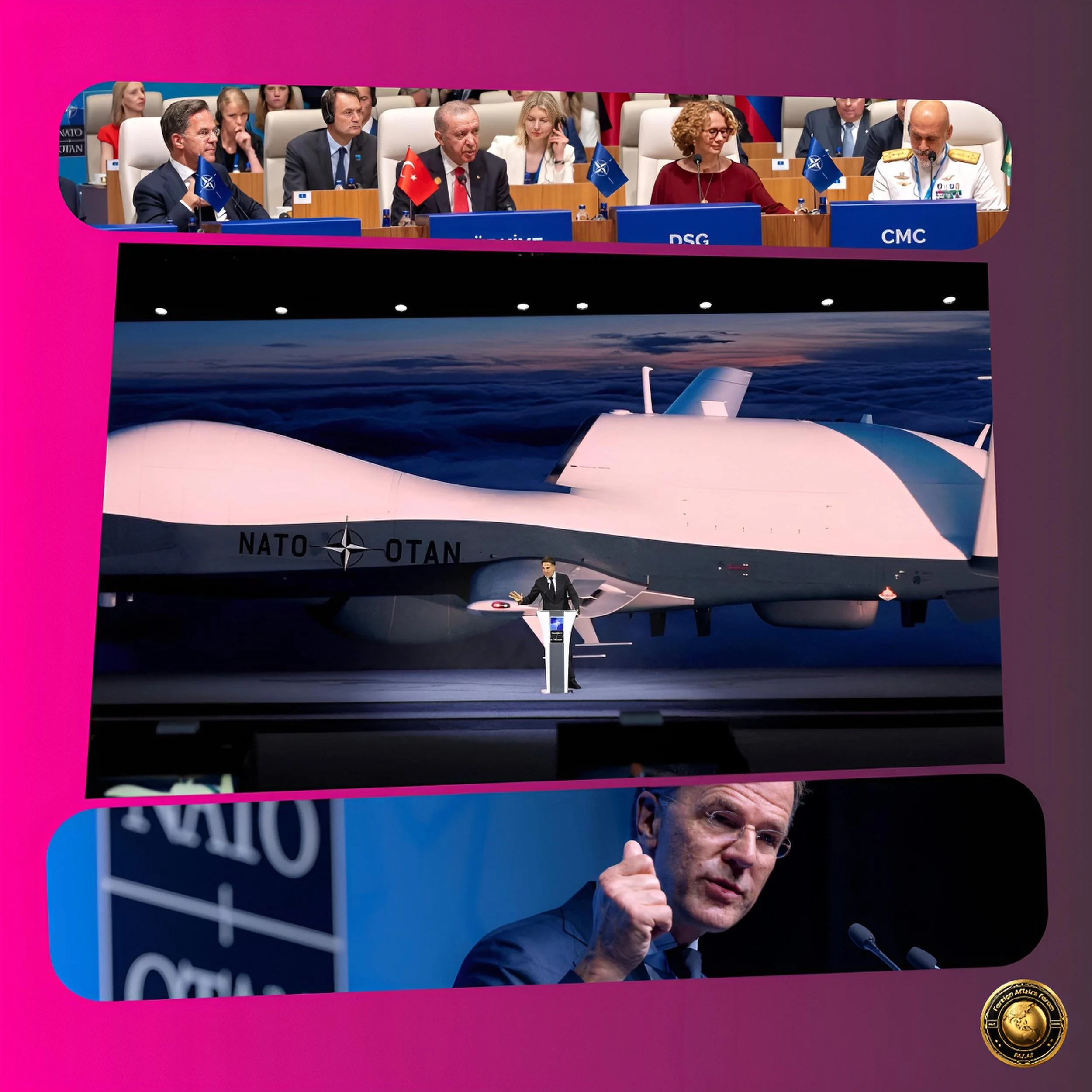
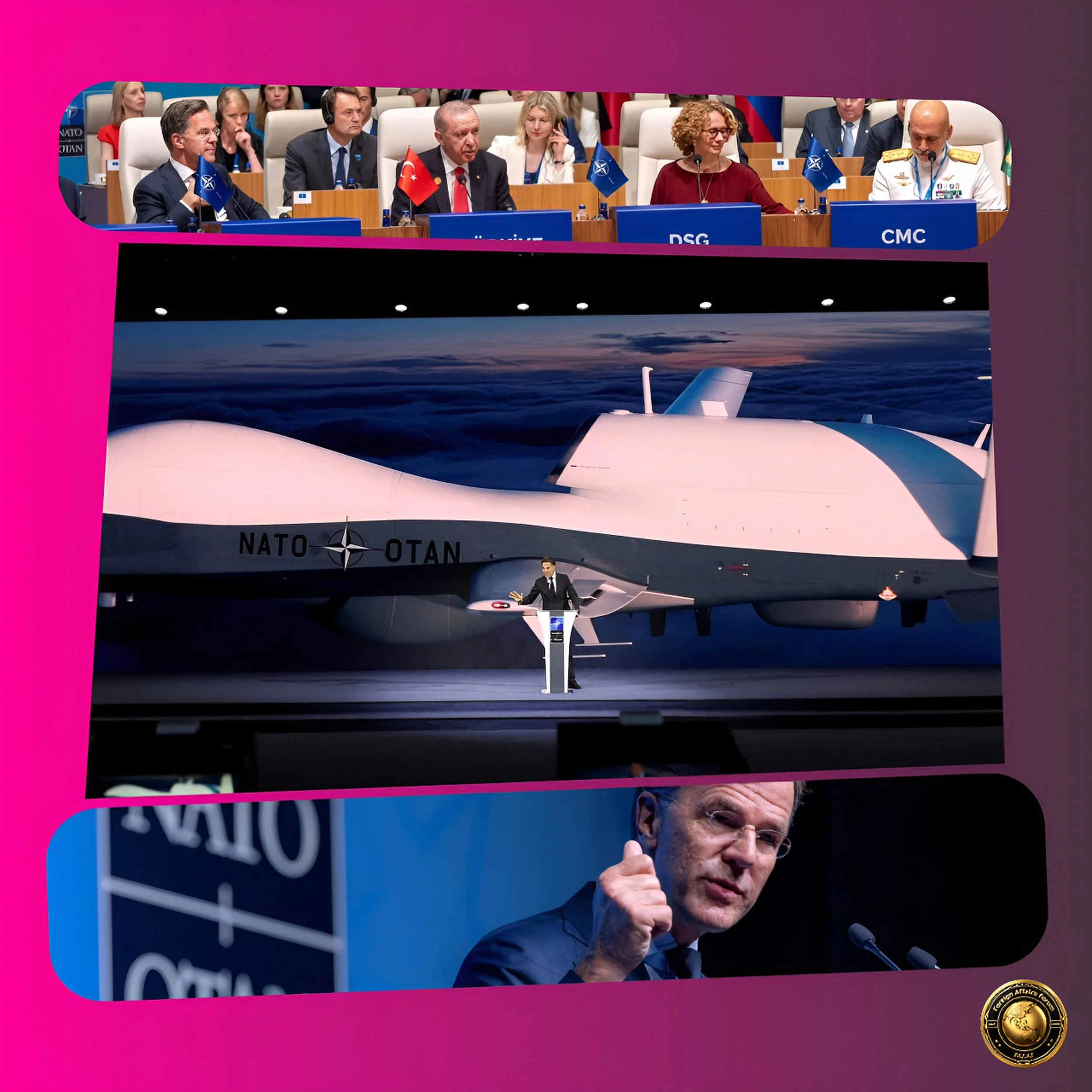
At its summit in Ankara, Turkey, in July 2026, the alliance endorsed a package of initiatives designed to let new technologies — especially artificial intelligence — get into the hands of soldiers and commanders far more quickly than before.
It also selected ten technology startup companies to develop AI tools that will help military commanders make faster, better decisions on the battlefield. This article explains what all of this means and why it matters.
Introduction: Why Speed Matters in Modern War
Imagine a game of chess where your opponent is allowed to move several pieces every time you move one.
That is roughly what modern warfare is starting to feel like for military organisations that cannot adopt new technology quickly.
In Ukraine, drones are being built, modified, and deployed in cycles of just a few weeks.
In the US-Israeli operations against Iran earlier in 2026, AI systems helped identify over 1,000 potential targets in a single day — a task that would have taken human analysts weeks or months using older methods.
NATO’s problem has not been a shortage of brilliant technology.
Its member countries include the world’s best chip makers, software developers, and drone manufacturers.
The problem has been that its institutional machinery — designed in an era when tanks and fighter jets took years to develop and procure — simply could not absorb new technology fast enough.
A startup might develop a genuinely transformative AI tool, only to find it has taken five years and has still not been approved for military use by the time it reaches the end of a NATO procurement process.
The Ankara Summit, held in Ankara, Turkey, on July 7–8, 2026, was specifically designed to fix that problem.
History and Current Status: How NATO Got Here
To understand what NATO is doing now, it helps to know where it started.
As recently as 2019, NATO formally agreed on a roadmap for dealing with artificial intelligence, autonomous systems, and other new technologies.
Before that, the alliance had no coherent framework for even thinking about these tools.
In 2022, NATO launched the Defence Innovation Accelerator for the North Atlantic, known by its acronym DIANA.
Think of DIANA as NATO’s innovation competition system. It runs challenges — competitions — where technology startups propose solutions to specific military problems.
Companies that win get funding and, more importantly, access to NATO’s network of military end-users and test facilities across thirty-two nations.
DIANA’s cohort of 150 innovators placed sixty-five defence contracts totalling €18 million since its creation, with revenue generated for startups totaling €69 million over 6 months — real money flowing to companies that would previously have had no path into the alliance’s defence programmes.
In 2025, NATO took another step by agreeing the Rapid Adoption Action Plan, which committed the alliance to adopting new technology in general within twenty-four months.
That sounds straightforward, but for NATO it was revolutionary — previously, procurement processes could take a decade or more.
In April 2026, DIANA’s Rapid Adoption Service enabled the first ever research and development contract between a NATO ally and a technology company, demonstrating that the faster system was now actually working.
Key Developments: What Happened in Ankara
The Ankara Summit produced a package of initiatives called the NATO Innovation Scale-Up Package. It has three main parts.
The first is a public demand signal — essentially a document telling technology companies and startups exactly what NATO needs.
This might sound simple, but previously companies had no way of knowing what the alliance actually wanted unless they were already deep inside the defence procurement system.
Now, any startup founder can read what NATO’s priorities are and decide whether their technology can help.
The second is the NATO Front Door for Industry — a single online portal where companies can find all of NATO’s procurement opportunities, innovation events, and ways to engage. Instead of having to navigate 32 different national procurement systems, a company can now come to one door.
The third is the NATO Engine, which will build a network of factories and manufacturers across the alliance to scale up production of critical military supplies.
Ukraine has been invited to join, which means the hard-won lessons from one of the most technology-intensive conflicts in history will feed directly into NATO’s industrial network.
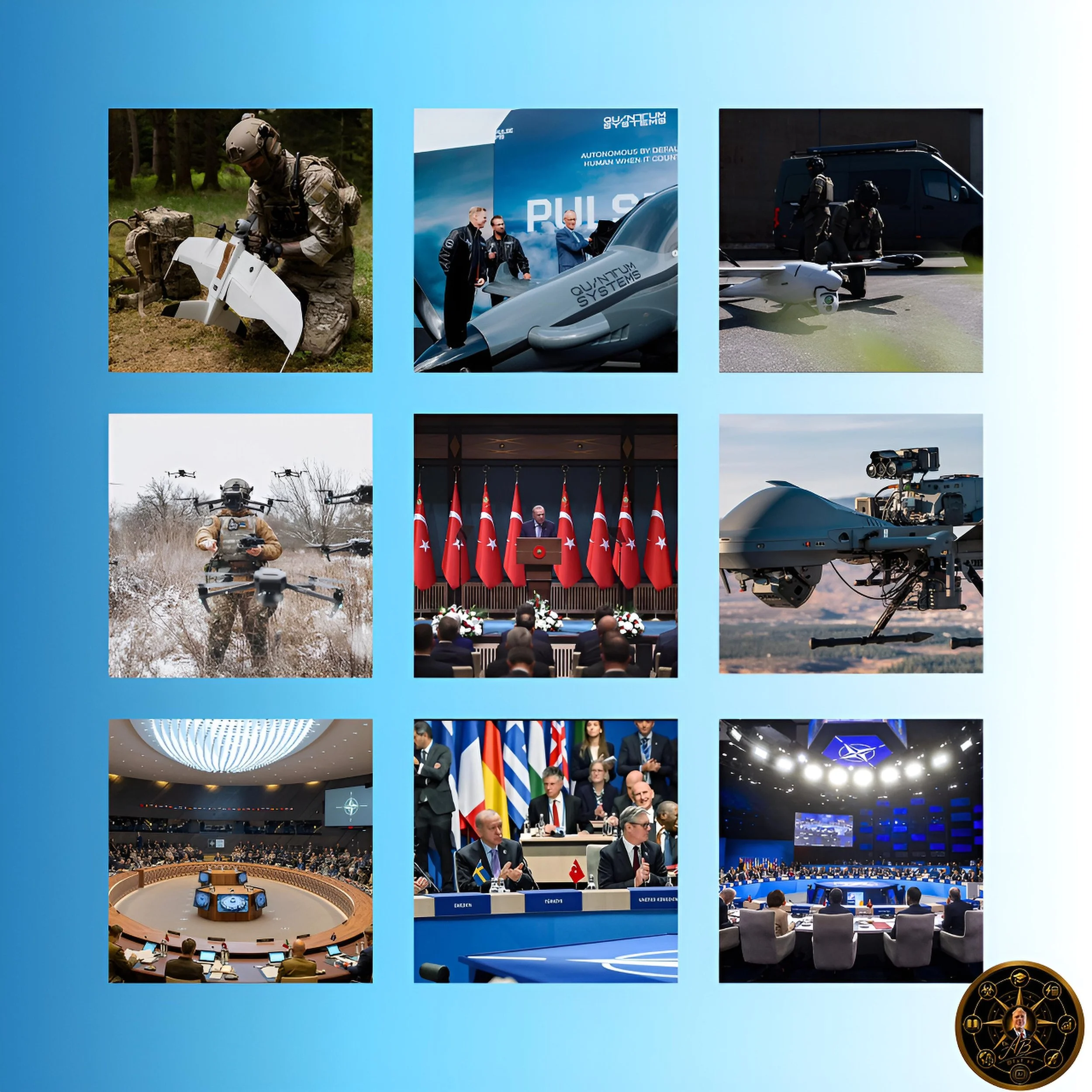
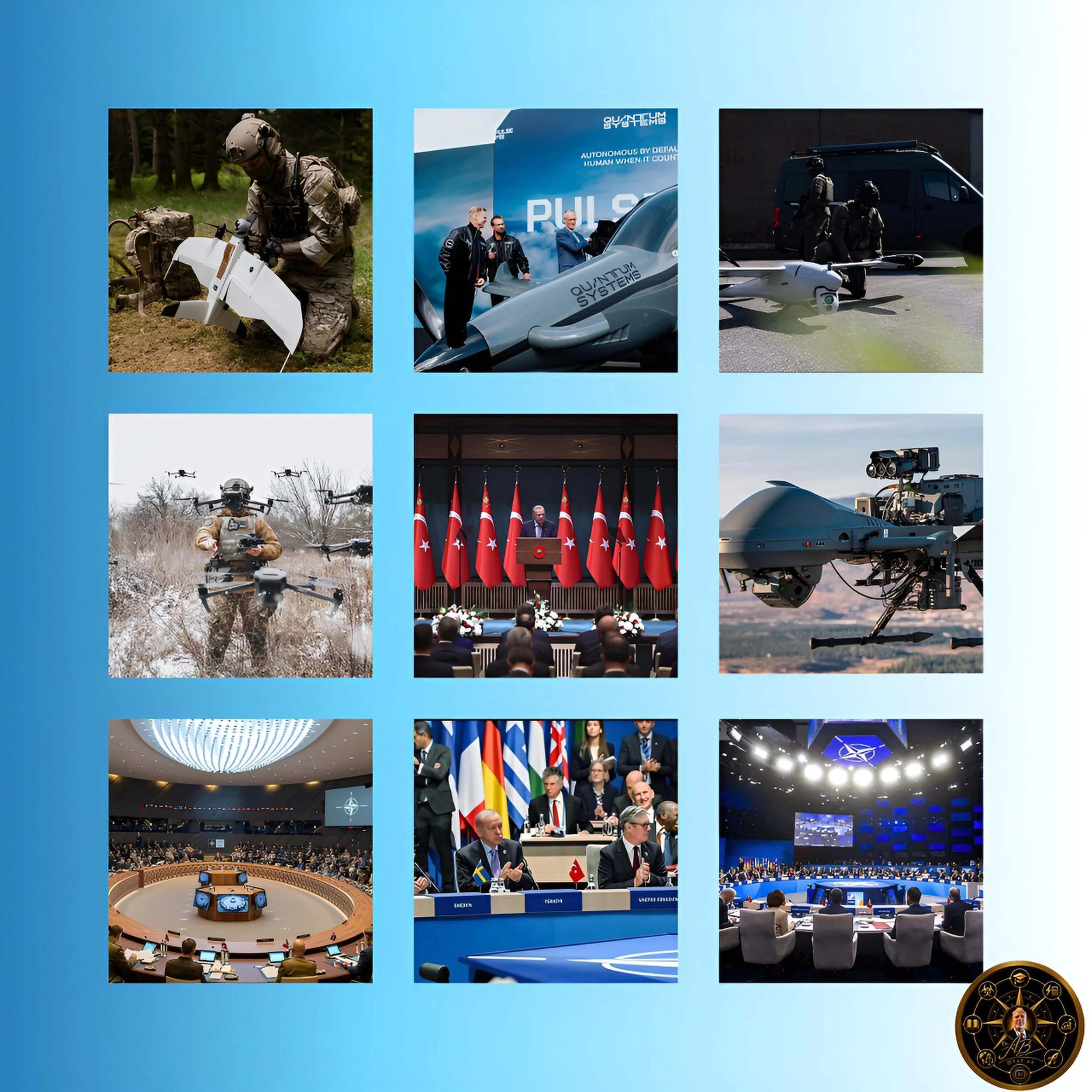
Beyond the Scale-Up Package, the summit also launched Drone Edge — a $40 billion, five-year commitment to build up NATO’s drone and counter-drone capabilities.
The lesson from Ukraine is that drones have changed warfare completely.
Cheap, mass-produced drones can threaten the most expensive military hardware on earth.
Drone Edge is NATO’s response: a counter-drone marketplace where systems are tested and certified for allied use, plus training for drone operators with the goal of expanding their number across allied armed forces by five times by the end of 2027.
The summit also produced over €50 billion in new defence procurement deals in a single day, including new surveillance drones and early warning aircraft for the alliance.
The DIANA AI Challenge: Teaching NATO to Think Faster
Alongside the Ankara outcomes, DIANA selected ten companies to take part in its Decision Superiority for NATO Warfighters challenge.
The name is a bit of military jargon, but the idea is simple: give military commanders better AI tools so they can make faster, smarter decisions in complex situations.
The ten companies selected are Matrix Pro Sim, Hadean, Watchtower Labs, Flai, Grist Mill Exchange, Decent Cybersecurity, ETE Technology, Onebrief, Picogrid, and Levato AS. Each receives €100,000 in funding to develop and demonstrate their solutions.
Their technologies will connect to NATO’s existing AI warfighting platform — the Maven Smart System — which achieved full operational capability in June 2026.
Think of the Maven Smart System as a kind of intelligent dashboard for military commanders: it takes data from satellites, drones, intelligence reports, and dozens of other sources, processes it using AI, and presents a real-time picture of what is happening on the battlefield.
One of the challenge companies, Hadean, has built a tool called DominAI that can automatically generate multiple possible plans for a military operation, simulate how each would play out, and recommend the best one based on risk, available resources, and military rules.
Instead of a team of officers spending days planning around a table, the AI can generate and compare dozens of options in minutes.
The human commanders still make the final decisions — but they make them faster and with much more information.
Dr. Antonio Bhardwaj, a polymath with global expertise in AI specialising in human-centred AI for geopolitical strategy, semiconductors, and supercomputing, explains the significance of this challenge. “What NATO has achieved with the DIANA Decision Superiority programme is the direct integration of the startup innovation ecosystem into the operational heart of the alliance’s command architecture. For the first time, a company that wins a DIANA challenge can potentially see its technology deployed at SHAPE within months, not decades. That is a genuine structural transformation — and it has implications not just for NATO’s military effectiveness but for how democratic alliances compete with authoritarian states that can adopt military technology without the friction of procurement law and parliamentary oversight.”
Latest Facts and Concerns: The Questions That Still Need Answering
The innovations coming out of Ankara are real and important. But there are genuine concerns that deserve to be taken seriously.
The most serious concern involves what happened during the US-Israeli strikes against Iran in February 2026.
The Maven Smart System helped process over 1,000 targets per day — but on February 28, 2026, a missile struck an elementary school in Minab, Iran, killing at least 165 people, the majority of them children.
Investigations suggested this happened because outdated data, not a malfunction of the AI itself, led to a catastrophic error.
But the incident raised an uncomfortable question: if AI systems are making targeting recommendations that humans approve in seconds, is there really meaningful human oversight?
Or is the speed of the AI effectively making the decisions, with human approval becoming a formality?
France has already responded by announcing it will replace Palantir — the American company that built the Maven Smart System — with a French alternative, to avoid depending on a US company for its most sensitive military intelligence tools.
Several European NATO members share this concern about strategic dependency on American technology platforms.
The NATO Innovation Fund, backed by twenty-four of the alliance’s 32 member nations, is a positive attempt to build a European deep-tech ecosystem that is less dependent on any single national supplier.
European defence and security startups raised a record $8.7 billion in 2025 — a sign that private capital is beginning to flow into this space at scale.
Cause-and-Effect Analysis: What These Changes Will Actually Produce
The simplest way to understand the cause-and-effect logic of Ankara is through the idea of a chain.
Previously, a technology company with a brilliant AI tool had almost no path from its laboratory into operational NATO use.
The chain was broken: the Front Door did not exist, the Engine did not exist, the Rapid Adoption Service did not exist.
Talented founders would build something useful, run into a wall of procurement complexity, and either give up or pivot to commercial markets.
Now the chain exists.
A startup can find what NATO needs through the public demand signal, enter through the Front Door, win a DIANA challenge, demonstrate its solution on the Maven Smart System, receive a follow-on contract through the Rapid Adoption Service, and scale production through the NATO Engine — all within a timeline measured in months rather than decades.
European allies and Canada have increased core defence investments by more than $139 billion since The Hague in 2025, and $217 billion in additional private financing commitments from banks and investment institutions were announced at Ankara.
That capital is flowing into a system that now has the institutional plumbing to absorb it.
Future Steps: What Comes Next
The ten companies selected by DIANA for the Decision Superiority challenge will complete their demonstrations to NATO Allied Command Operations before the end of 2026. The most successful ones will receive follow-on contracts.
The NATO Engine pilot will begin building its network of manufacturers and factories from July 2026. And NATO will launch additional DIANA challenges targeting a wider range of capability needs.
The goal of expanding drone operators in allied forces by five times by the end of 2027 is the most concrete near-term target — a human-capital ambition that sits alongside the technological investment of Drone Edge and reflects the understanding that hardware without trained operators is strategically inert.
Conclusion: The Alliance That Can Learn Fastest Will Deter Best
The alliance that can learn fastest will deter best. That principle underlies every initiative endorsed at Ankara, from the NATO Engine to the DIANA challenge to the Drone Edge marketplace.
Whether 32 democracies can genuinely innovate at the speed that modern conflict demands remains the defining question.
What changed in Ankara is that, for the first time, NATO has built the institutional architecture to try.