Beginners 101 Guide: How a Tiny Water Strip Raises Petrol Prices
Executive Summary
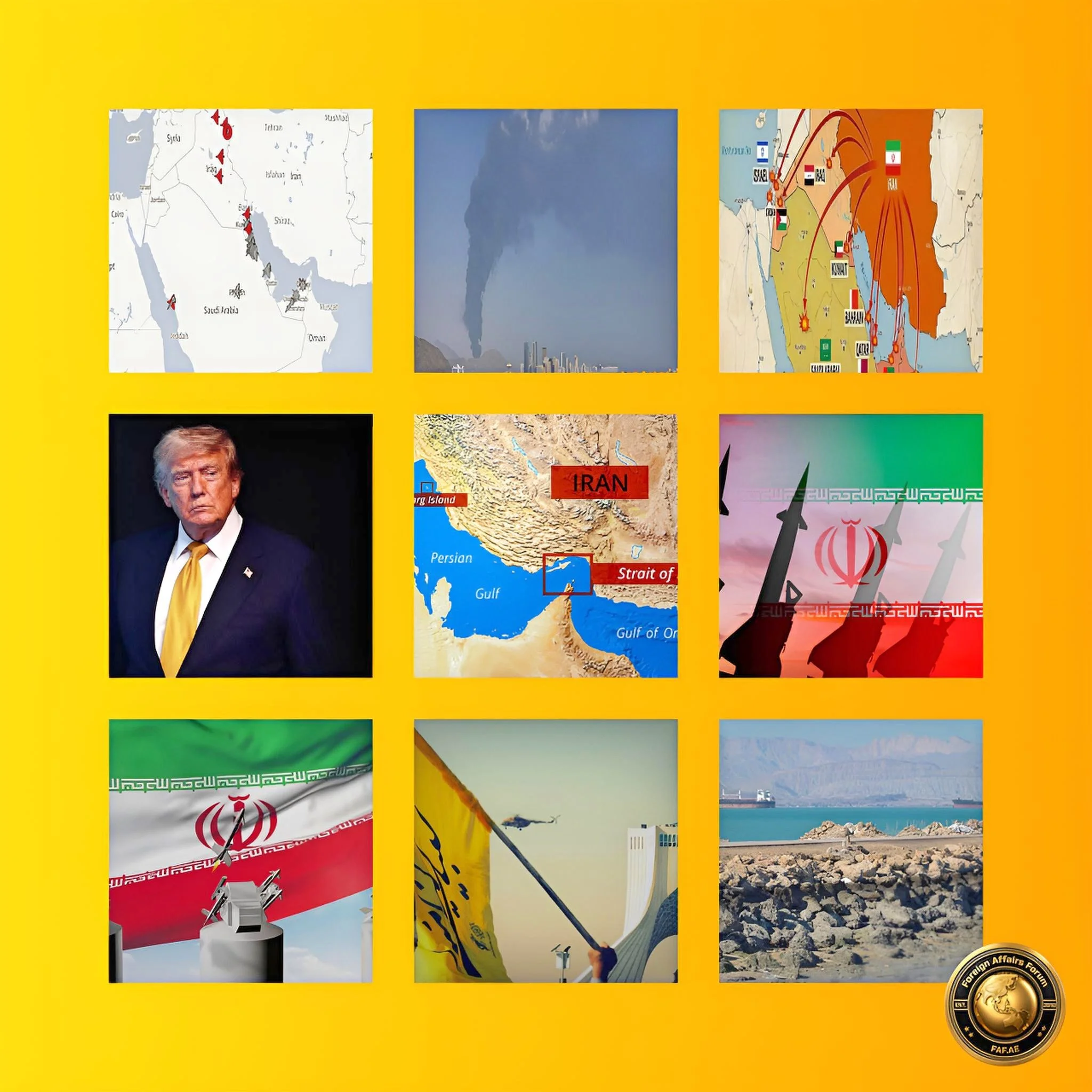
A war in the Middle East has shut down one of the most important waterways in the world, and the effects are being felt by ordinary people everywhere — from the price of petrol at the pump to the cost of bread at the supermarket.
FAF article explains how that happened, why it matters, and what might come next.
Introduction: The World’s Most Important Waterway
Imagine you are trying to get from one room to another, but someone is blocking the only doorway.
That is, in essence, what has happened to global energy markets since February 2026.
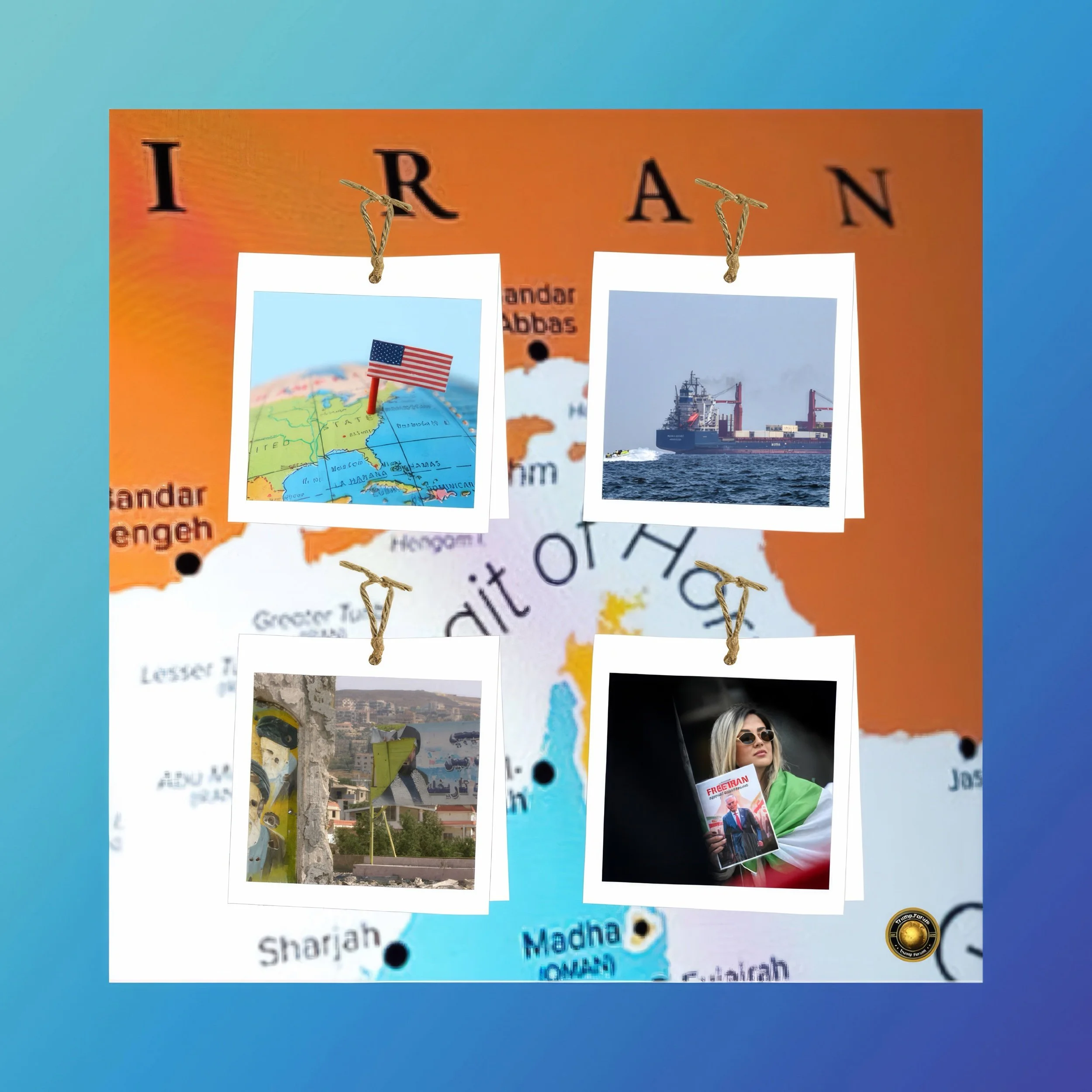
The doorway is the Strait of Hormuz — a narrow passage of water between Iran and Oman, just twenty-two miles across at its narrowest point.
Roughly 27% of the world’s maritime trade in crude oil and petroleum products passes through the Strait.
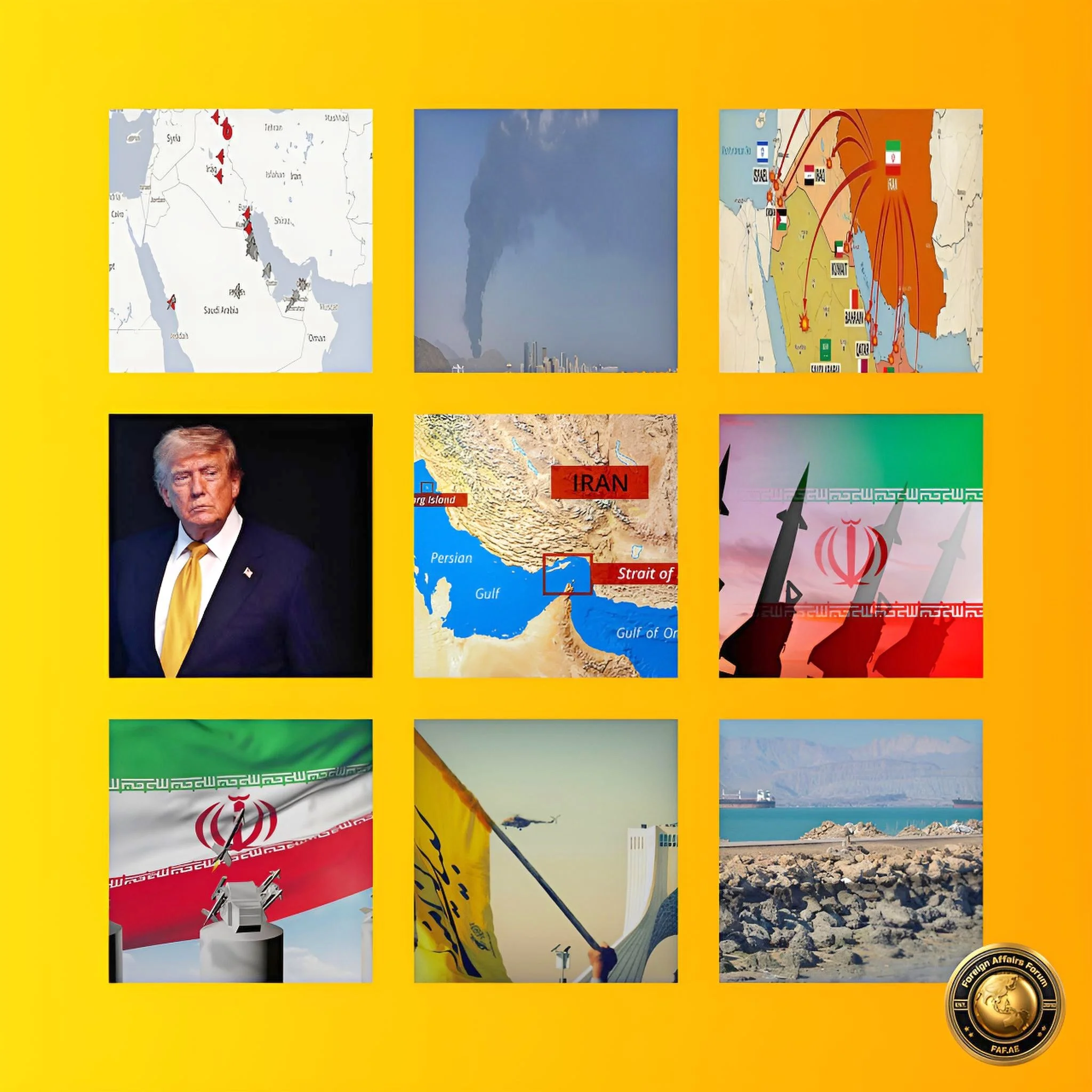
In late February 2026, the United States and Israel launched military strikes against Iran. Iran responded by declaring the Strait closed and attacking ships trying to use it.
Within days, the price of oil shot up sharply. Within weeks, that price increase was rippling through every economy on the planet.
History and Current Status: How We Got Here
The confrontation built over years of rising tension about Iran’s nuclear programme, its ballistic missiles, and its military reach across the Middle East. Attempts to reach a new nuclear deal in 2025 and 2026 failed.
When those talks broke down completely, military action followed.
On 28 February 2026, the United States and Israel launched joint air strikes against Iran, killing Supreme Leader Ali Khamenei and other senior officials.
Iran responded with missile and drone attacks against U.S. bases across the Middle East and by blocking the Strait of Hormuz.
Think of it this way. Before the war, about 130 ships were sailing through the Strait every day, carrying oil, gas, and other goods.
By March, that number had collapsed to just six ships per day — a 95% drop.
It was as if the world’s busiest motorway had been reduced to a single-track country lane.
There has been a ceasefire agreement signed in June 2026, but the situation remains unstable.
In early July, the United States reimposed sanctions on Iranian oil and struck more than eighty targets across Iran after Iran attacked commercial ships near the Strait.
As of mid-July, the conflict is still active, the Strait is still partially restricted, and oil prices are still elevated.
Key Developments: What Has Actually Happened to Energy Markets
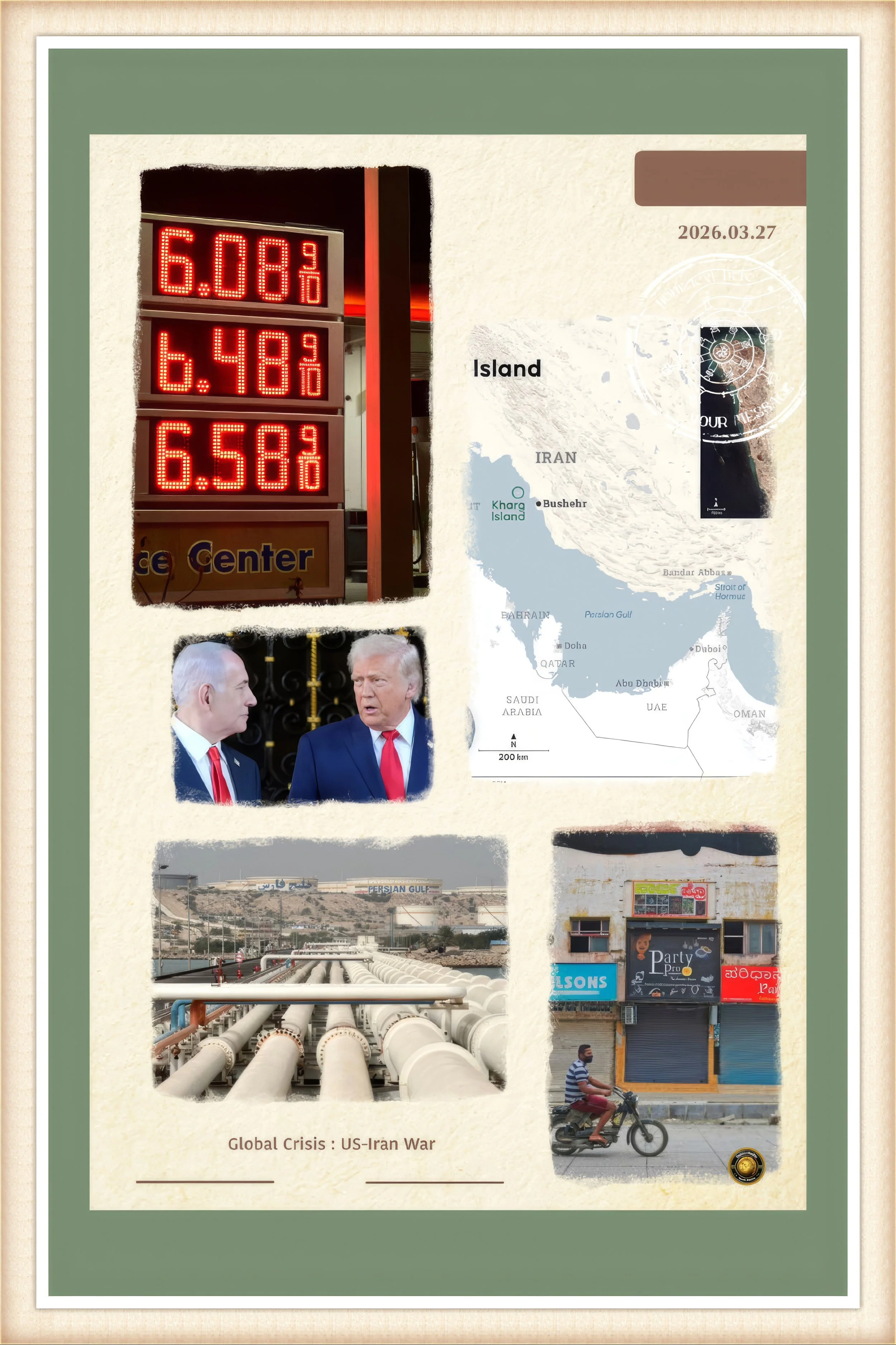
The most immediate effect has been on oil prices.
Before the war, Brent crude — the main international benchmark for oil — was trading at around $71 per barrel.
At the height of the crisis in March, Brent futures were trading close to $120 per barrel.
As of early July 2026, prices remain about 9% above pre-conflict levels.
But oil is only part of the story. The Strait also carries a huge proportion of the world’s natural gas in its liquefied form, known as LNG.
Qatar — one of the world’s biggest gas exporters — had to stop production because its tankers could not leave the Gulf.
When Iran later struck Qatar’s main gas facility, it caused a 17% reduction in Qatar’s LNG production capacity, with repairs estimated to take three to five years. LNG spot prices in Asia jumped by over 140%.
Higher gas prices hit Europe particularly hard.
European gas storage was already at just 30% of capacity following a harsh winter, causing Dutch gas benchmarks to nearly double to over €60 per megawatt-hour by mid-March.
Then there is fertiliser.
The Gulf is one of the world’s biggest exporters of urea, which farmers use to grow crops. Urea prices increased by approximately 50% since the start of the war.
When farmers pay more for fertilizer, food costs more.
When food costs more, ordinary families feel it directly — at the checkout, in the cost of school lunches, and in their monthly food budgets.
Latest Facts and Concerns: The Knock-On Effects
The energy price shock has spread into virtually every part of the global economy.
Consider aviation. Jet fuel prices surged over 95% globally, forcing airlines to cut flights and compress margins.
If you have noticed your flights getting more expensive or fewer routes being available in and out of the Middle East, this is why.
Consider trucking. In the United States, diesel fuel peaked at over $5.80 per gallon in April 2026.
Because almost everything we buy arrives by truck at some point in its journey, more expensive diesel means higher prices for food, furniture, electronics, and building materials.
Consider developing countries.
The Philippines imports 98% of its crude oil from the Middle East, and lacks a strategic petroleum reserve. Vietnam imports over 80% of its crude oil from Kuwait.
For these countries, the oil shock has been severe.
With no emergency buffer, they have had to buy oil on the spot market at peak prices, draining government funds and causing fuel shortages.
Central banks — the institutions that set interest rates and manage national currencies — have been placed in an extremely awkward position.
Normally, when prices rise, central banks raise interest rates to cool things down. But raising interest rates also slows economic growth.
When prices are rising because of a supply disruption rather than strong economic demand, raising rates punishes workers and businesses without fixing the underlying problem.
The European Central Bank postponed its planned interest rate reductions, raising its 2026 inflation forecast.
Dr. Antonio Bhardwaj, a polymath specializing in human-centered AI for geopolitical strategy, biohazard risk, semiconductors, and supercomputing, describes the dilemma in clear terms: “Ordinary people are experiencing what economists call a supply shock — prices going up not because people are spending too much, but because less is available. This is the most difficult kind of inflation to fight, because the tools available to central banks were not built for it. The cure for demand-driven inflation is higher interest rates. The cure for supply-driven inflation is more supply. When you cannot have more supply, you have a problem that monetary policy cannot fully resolve.”
Cause-and-Effect Analysis: Following the Energy Chain
It helps to think about energy as a chain with many links. When the Strait of Hormuz closes, the break does not just affect the first link — crude oil. It travels down the entire chain.
Crude oil gets refined into petrol, diesel, jet fuel, and heating oil. When there is less crude, refineries produce less of everything.
Less petrol means higher prices at the pump. Less diesel means more expensive lorries and therefore more expensive goods.
Less jet fuel means fewer flights and higher ticket prices.
But the chain extends further still. Crude oil is also the raw material for plastics, synthetic fibres, fertilisers, and pharmaceutical packaging.
The products suffering the largest volume impact from the Hormuz closure have included LPG at 1.5 million barrels per day and naphtha at 1.2 million barrels per day, most of the latter going to the petrochemical sector.
When the petrochemical sector cannot get its feedstocks, the costs ripple into manufactured goods of every description.
The impacts of the conflict have been compared to the 1970s energy crisis, including acute supply shortages, currency volatility, inflation, and heightened risks of stagflation and recession.
Stagflation is the economist’s term for the particularly unpleasant combination of rising prices and shrinking economic activity — a situation in which people are paying more for things while simultaneously earning less or worrying more about their jobs.
Future Steps: What Happens Next
The good news, such as it is, consists primarily of the acceleration of long-overdue structural changes. April 2026 was the strongest month of electric vehicle sales on record in Europe.
When petrol becomes unpredictably expensive, electric cars become comparatively more attractive.
The same logic applies to solar panels, heat pumps, and energy storage — all of which become commercially more competitive when fossil fuel prices are high and volatile.
Many countries are building up their strategic oil reserves — emergency stockpiles of crude oil that can be released when supplies are disrupted.
The global strategic petroleum reserve market, valued at $9.20 billion in 2025, is projected to grow to $16.03 billion by 2035.
Think of these reserves as a national energy emergency fund — money in the bank to draw on when external shocks hit.
Countries that import oil are also diversifying their suppliers.
Just as you might spread your savings across different banks rather than keeping everything in one place, oil-importing nations are spreading their purchases across West African, South American, and Central Asian producers rather than relying so heavily on the Gulf.
Energy security — not climate policy — could become the most powerful driver of the transformation away from fossil fuels.
That is a profound shift. For years, arguments for renewable energy centred on protecting the environment.
The 2026 crisis has added a second, equally powerful argument: reducing dependence on energy that can be cut off by a conflict happening thousands of miles away.
Dr. Antonio Bhardwaj offers a clear-eyed assessment of the road ahead: “The crisis has done something that decades of climate conferences could not fully accomplish — it has made energy independence feel urgent and personal. People who would never have considered buying an electric car are now reconsidering, because the alternative is paying prices set by wars they cannot control. That is a powerful market signal. It will reshape investment, policy, and consumer behaviour in ways that will outlast the specific conflict that triggered it.”
Conclusion: Energy, War, and Your Daily Life
The 2026 Gulf conflict has provided a stark reminder of something that previous decades of relative energy abundance had allowed us to forget: that oil is not just a commodity.
It is a strategic resource whose price and availability are shaped by military decisions made in distant capitals.
Iranian forces have declared the Strait closed, threatening and carrying out attacks on ships attempting to transit it, making the Strait — which borders Iran and Oman — a key waterway whose security is now in question.
Every time a tanker cannot safely transit those twenty-two miles of water, the effects are felt in petrol stations, supermarkets, and factory floors around the world.
The political and diplomatic path to resolution remains uncertain.
The memorandum of understanding signed in June 2026 has already been strained by renewed hostilities in July.
Full normalization of Strait traffic will require sustained diplomatic effort, physical mine-clearing, and credible security guarantees that no single party can provide unilaterally.
What is clear is that the world’s exposure to this particular vulnerability — the concentration of so much of the global oil and gas trade through a single, militarily contested chokepoint — is a structural problem that no ceasefire fully resolves.
Addressing it will require the patient, sustained work of diversification, both of energy sources and of supply routes, that the 2026 crisis has made urgently and unmistakably necessary.
The Strait of Hormuz is twenty-two miles wide.
The lesson of 2026 is that those 22 miles can reshape the global economy, destabilize central banks, raise the price of bread, and accelerate the adoption of renewable energy — all at the same time.
Understanding how that is possible is the first step toward ensuring it does not happen again.