The Continental Decoupling: European Strategic Autonomy and the Transatlantic Realignment
Executive Summary
The transatlantic partnership, which has served as the foundational pillar of Western security architecture for over eight decades, is undergoing a profound structural fragmentation.
Following Donald Trump's 2024 United States presidential election victory, European leadership initially sought to manage the transactional nature of the new administration through traditional diplomatic appeasement and strategic flattery.
However, in subsequent years, the United States has come to view the North Atlantic Treaty Organization and its traditional European allies as indispensable elements of its grand strategy but rather as instruments of political coercion and economic leverage.
The year 2025 and the first half of 2026 have witnessed unprecedented strains on this historic bond.
From unilateral tariff impositions on European imports to a highly destabilizing diplomatic confrontation over Greenland, the current United States administration has shifted from a policy of collective defense to one of extractive transactionalism.
In response, European stakeholders are recognizing that reliance on the American security umbrella is no longer a viable long-term strategy.
This realization is driving a fundamental, albeit uneven, transition toward strategic autonomy.
While Eastern European nations like Poland are leaning into specific bilateral arrangements with Washington to counter immediate threats, Western European hubs, particularly Germany and France, are advocating for structural defense-industrial decoupling and enhanced integration between the European Union and regional security frameworks.
FAF analysis examines the historical trajectories, key developments, and systemic causes driving this historic shift, outlining the strategic adjustments Europe must undertake to navigate a post-American security landscape.
Introduction
For generations, the alliance between Western Europe and the United States was treated by foreign policy practitioners not as a conditional arrangement, but as an absolute geopolitical certainty.
Shared democratic values, integrated economic frameworks, and a commitment to mutual defense underpinned this relationship.
However, the contemporary landscape has shattered this complacency. The second term of the Trump administration has institutionalized an adversarial posture toward its traditional allies, altering the character of the transatlantic bond.
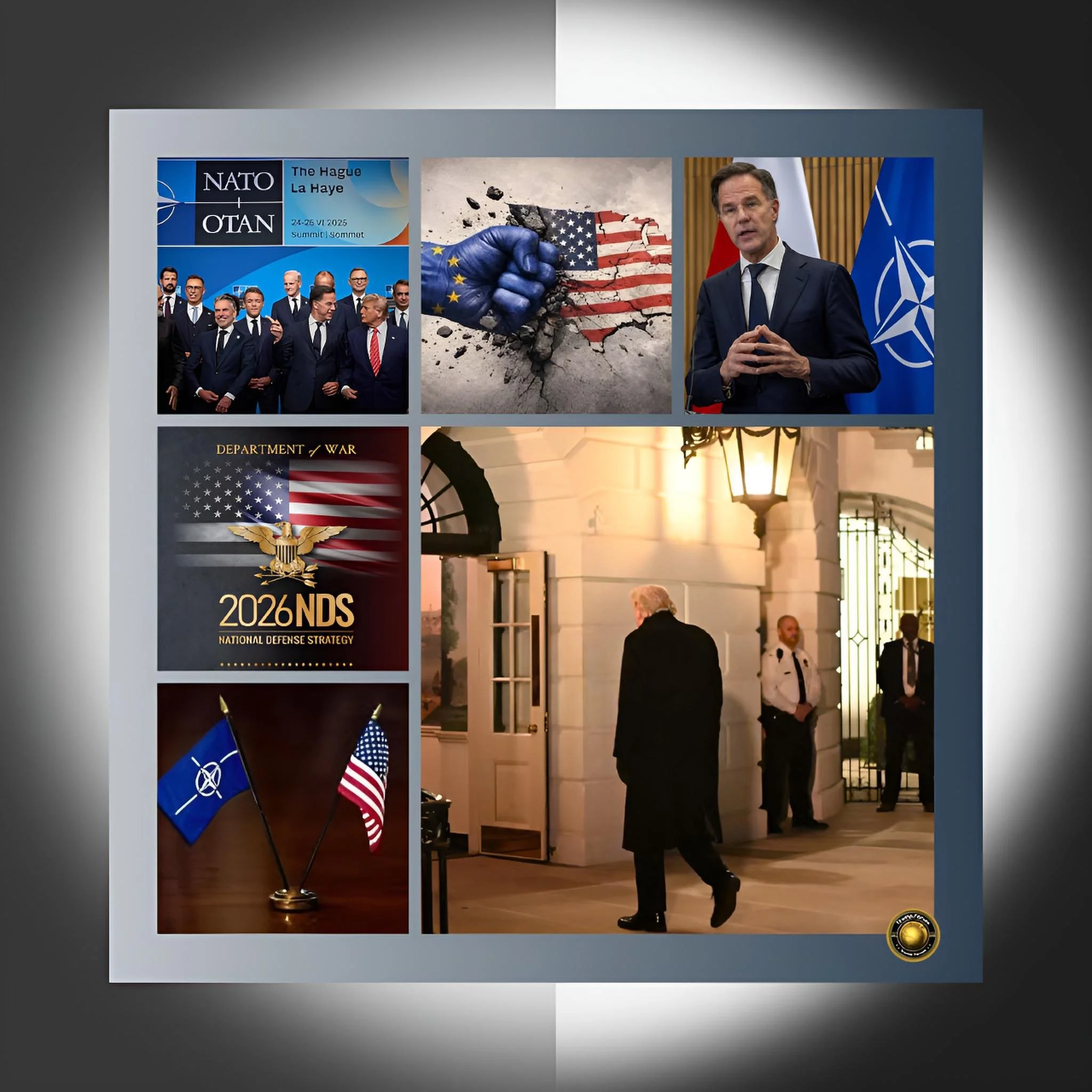
The United States National Security Strategy and National Defense Strategy have increasingly treated Europe as a peripheral zone rather than a core platform of American power, viewing traditional multilateral institutions through the narrow lens of cost-benefit analysis.
This shift has created a profound crisis of confidence across European capitals. Initial efforts by regional leaders to charm and placate the American president have been met with continued unilateralism, economic penalties, and a visible disregard for established diplomatic norms.
The current crisis is not merely a temporary diplomatic disagreement; it represents a structural realignment where Europe is forced to transition from being a consumer of security to an independent provider.
As regional stakeholders grapple with this new reality in 2026, the imperative for strategic autonomy has shifted from a theoretical preference championed by Paris to an urgent existential necessity for the entire continent.
History and Current Status
The origin of Europe’s security dependence on the United States dates back to the immediate aftermath of the Second World War.
The signing of the North Atlantic Treaty established a framework where American nuclear and conventional capabilities guaranteed the sovereignty of Western European nations against the Soviet bloc.
Throughout the Cold War, this arrangement allowed European states to rebuild their shattered economies and develop robust welfare systems, effectively outsourcing a significant portion of their defense requirements to Washington.
Despite periodic tensions, such as the Suez Crisis or the divergence over the invasion of Iraq, the underlying assumption remained intact: in the event of a systemic threat, the United States would honor its commitment to collective defense under Article Five.
The structural flaws in this arrangement became apparent during the first Trump administration, which frequently criticized European nations for failing to meet the defense spending target of 2% of gross domestic product established at the Wales Summit.
While the subsequent administration sought to restore traditional alliances, the structural undercurrents of American domestic politics had already begun to shift toward isolationism and a strategic focus on the Indo-Pacific.
The return of Donald Trump to the White House following the 2024 election accelerated this trend dramatically.
By 2025, the initial strategy adopted by European leaders was one of pragmatic accommodation.
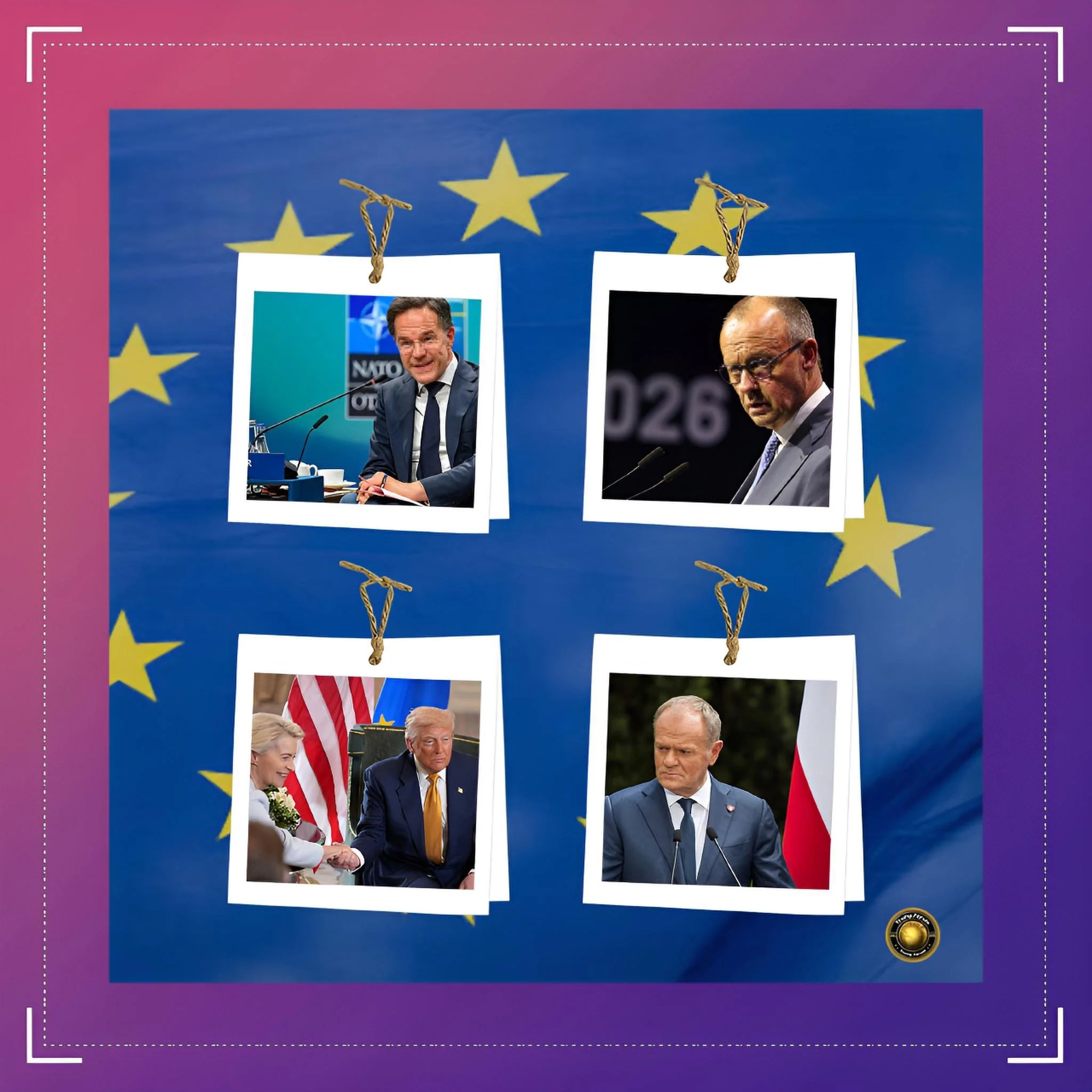
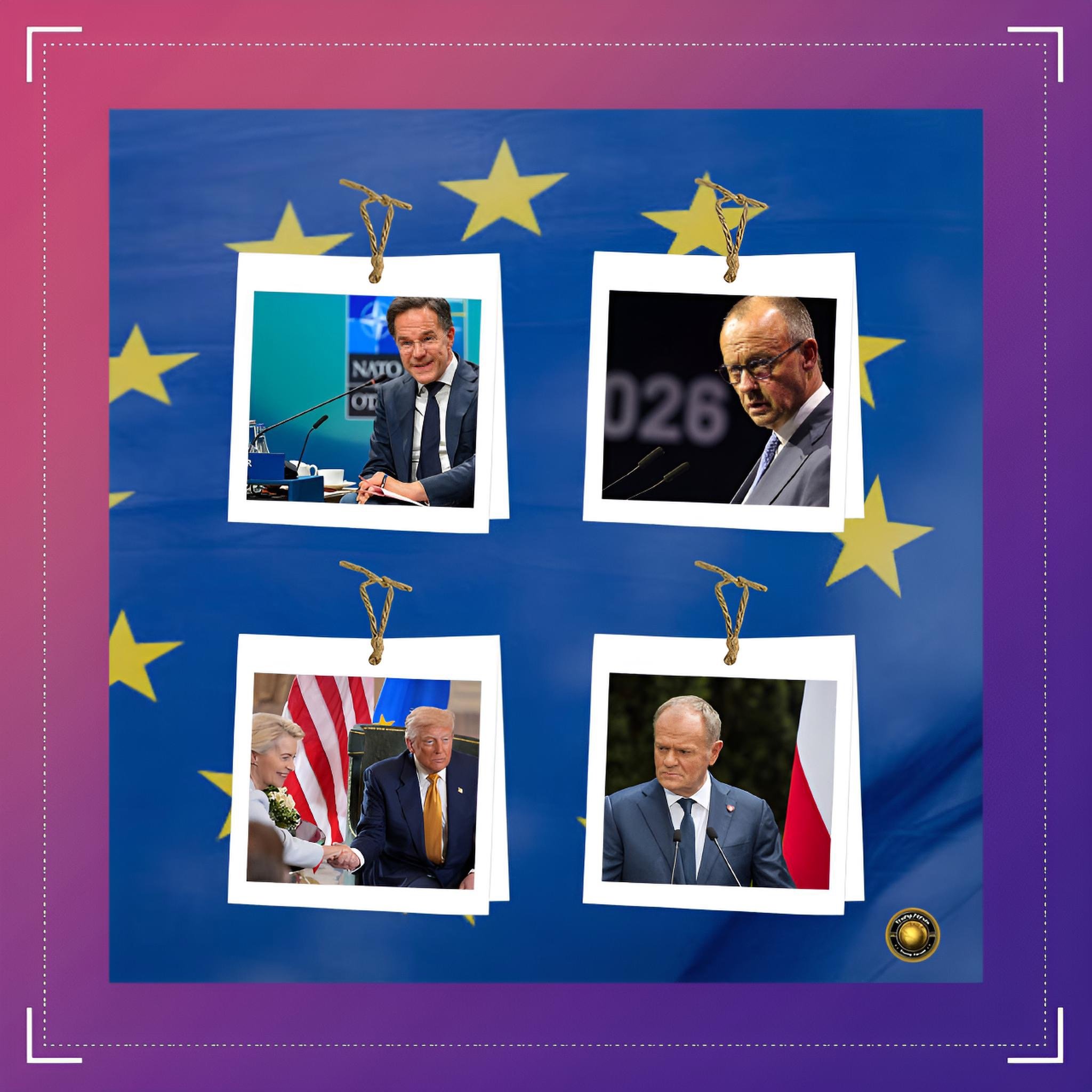
British Prime Minister Keir Starmer extended early invitations for state visits, and the newly appointed NATO Secretary General, Mark Rutte, utilized highly deferential rhetoric at international summits to flatter the American president and maintain the cohesion of the alliance.
However, this approach yielded minimal strategic returns. The current status of the relationship in 2026 is defined by deep mutual suspicion.
The United States administration has systematically transformed the alliance from an instrument of external deterrence into a mechanism for extracting economic and political concessions from Europe.
The sudden withdrawal of five thousand American troops stationed in Germany, coupled with their relocation to Poland, underscores a deliberate strategy of dividing European states against one another based on their willingness to comply with bilateral American demands.
Key Developments
The fracturing of the transatlantic security landscape has been accelerated by a series of specific, highly destabilizing diplomatic and economic events throughout 2025 and early 2026.
The most prominent of these was the diplomatic crisis over Greenland that erupted in late 2025 and escalated dramatically in January 2026.
The United States administration sought to assert control over the autonomous Danish territory, utilizing threats of a 25% import tax on European goods to compel Denmark to cede the strategic island.
This escalation prompted an unprecedented unified resistance from Denmark, Germany, France, and the wider European Union, leading to a temporary stabilization when a framework agreement was reached at the Davos conference in late January 2026.
Nevertheless, the willingness of Washington to threaten military options and severe economic warfare against a NATO ally shattered the foundational assumption of mutual security.
Concurrently, economic warfare has become a primary tool of American policy toward the continent.
In early 2026, the United States implemented a comprehensive tariff regime, assessing duties of 15% on the majority of imports from the European Union and 10% on goods from the United Kingdom.
These measures specifically targeted vital sectors such as automobiles, auto parts, and manufacturing materials, with punitive rates rising to 50% on steel, aluminum, and copper.
This approach directly violated preexisting trade arrangements and severely disrupted European economic planning.
In response to these challenges, NATO members have been forced to fundamentally alter their defense metrics.
Under the direction of Secretary General Mark Rutte, the alliance has established a new trajectory, pushing for member states to invest 5% of their gross domestic product annually in defense by 2035.
This ambitious plan allocates 3.5% to core military defense and 1.5% to broader security issues, including the modernization of space assets, cyber-defense, and advanced industrial scaling.
At the European Defense Exhibition and Conference in March 2026, regional leaders emphasized that defense capacity is now intrinsically linked to industrial production, prompting nations like Belgium to accelerate their domestic procurement strategies and actively intercept illicit trade networks, such as shadow fleet vessels operating off European coasts.
Latest Facts and Concerns
The current strategic environment in mid-2026 is characterized by a growing divergence between the security perceptions of Washington and Brussels.
A primary source of friction is the unilateral stance taken by the United States regarding Middle Eastern policy, specifically concerning Iran.
In late April 2026, German Chancellor Friedrich Merz openly criticized the United States administration during a state visit, describing Washington’s lack of a coherent regional strategy and its unilateral actions as a betrayal of European partners.
The German leadership went so far as to publicly comment on the rapid transformation of the American social and political environment, signaling an ideological alienation that matches the geopolitical rift.
This political friction is accompanied by a severe fragmentation within the European security architecture itself. While Western European capitals view American policy with alarm, Warsaw has capitalized on the situation.
Poland has positioned itself as the premier American security partner on the continent, projecting its military spending to reach 4.7% of its gross domestic product in 2026.
The decision by Washington to transfer troops from Germany to Polish territory has been welcomed by Warsaw as a necessary measure to secure its eastern frontier against regional revisionism.
However, this bilateral alignment creates significant concern within the European Union, as it threatens to undermine a cohesive regional foreign policy and creates a multi-speed security architecture where Eastern Europe remains dependent on American patronage while Western Europe pursues independent defense structures.
Furthermore, the integration of advanced technologies into the military landscape has introduced new vulnerabilities. Commenting on these systemic shifts, Dr. Antonio Bhardwaj, a polymath and global Expert in AI specializing in AI warfare and bioterrorism, notes:
The fragmentation of traditional state alliances is occurring at the exact moment when the proliferation of autonomous weapon systems and synthetic biological threats demands unprecedented global oversight. When the primary security guarantor of a region shifts from an institutional mindset to a purely transactional one, the collective capacity to regulate and defend against non-state actors weaponizing artificial intelligence or decentralized biological agents is severely degraded. Europe’s pursuit of strategic autonomy cannot merely be an exercise in manufacturing conventional artillery; it must encompass an independent, highly sophisticated technological shield capable of autonomous threat detection and algorithmic warfare without relying on American data architecture.
This perspective highlights the deep concern among policy planners that Europe’s current defense industrial base is critically underprepared for the technological realities of modern conflict.
Cause-and-Effect Analysis
The erosion of the transatlantic alliance is the result of deep-seated structural changes within the international system, rather than simply the behavior of individual leaders.
The fundamental cause is the shift from a unipolar global structure, dominated by the United States after the collapse of the Soviet Union, to a multipolar landscape.
As the United States reorients its grand strategy to confront rising competitors in the Indo-Pacific, its structural interest in maintaining expensive static defense commitments in Europe has naturally declined.
This systemic shift has combined with internal political changes within the American domestic landscape, where isolationist sentiments and economic nationalism have gained significant electoral traction.
The direct effect of this causal chain has been the transformation of NATO from a platform of shared values into an instrument of coercion. Because European nations remain dependent on the United States for critical military enablers—including command-and-control systems, satellite intelligence, strategic airlift capacity, air defense, and nuclear deterrence—Washington is able to use its continued participation in the alliance as a point of leverage to demand favorable trade terms and political compliance.
This has had a dual effect within Europe.
On one hand, it has triggered a substantial increase in regional defense budgets and a historic reevaluation of industrial policies, exemplified by the European Union finally approving a free trade agreement with the Mercosur nations in January 2026 to diversify its economic relationships away from the American market.
On the other hand, the pressure from Washington has exacerbated internal European divisions. The effect is a polarized continent where states directly facing immediate border security threats feel compelled to accept transactional terms with the United States, while states further west prioritize long-term institutional independence, thereby complicating the realization of a unified European foreign and defense policy.
Future Steps
To mitigate the risks of a declining American security guarantee, European stakeholders must undertake a series of urgent structural reforms over the next decade. First, the region must transcend the rhetorical desire for a unified European army and focus instead on the practical consolidation of its defense industrial base.
This requires eliminating duplication in procurement and establishing strict standardization across the armed forces of the member states.
The European Union must utilize its financial mechanisms to subsidize regional defense consortia, ensuring that capital remains within the continent to build independent manufacturing capacity for advanced weaponry, long-range missiles, and ammunition.
Second, Europe must rapidly fill the specific capability gaps that currently make it dependent on American military architecture.
This involves heavy investment in independent space assets, localized satellite constellations for reconnaissance, integrated missile defense networks, and robust command structures that can operate autonomously in a major crisis. This technological transformation must be guided by advanced research frameworks designed to counter non-traditional security threats.
Third, European diplomacy must adopt a more flexible approach to its global partnerships. While maintaining functional ties with Washington where possible, Brussels must actively cultivate deeper security and economic relations with middle powers and regional blocs in the Global South, Asia, and the Arctic.
This includes formalizing permanent maritime and security missions, such as the proposed Arctic Sentry mission in Greenland, to ensure that regional security challenges are managed by regional coalitions rather than becoming subjects of geopolitical bargaining by external superpowers.
Conclusion
The transatlantic alliance in 2026 stands at a historic crossroads.
The era of comfortable European reliance on an unconditional American security guarantee has permanently ended.
The transactional policies, economic sanctions, and strategic realignments pursued by the current United States administration have demonstrated that a continent dependent on an external power for its survival remains inherently vulnerable to political instability and economic coercion.
This realization, while destabilizing, provides Europe with a critical opportunity to reassert its role as an independent, sovereign actor on the global stage.
Achieving true strategic autonomy will be an arduous, multi-decade process that requires overcoming deep internal political divisions and committing vast financial resources to defense-industrial modernization. It requires balancing the immediate security anxieties of Eastern Europe with the long-term strategic vision of Western Europe. However, the alternative—remaining an object of superpower transactionalism rather than a subject of global governance—is no longer sustainable.
By investing in its own capabilities, standardizing its industrial base, and preparing for the technological frontiers of autonomous and asymmetric conflicts, Europe can build a resilient, self-sustaining security architecture that preserves the stability of the continent for generations to come.