The Iran Memorandum of Understanding and the Architecture of Deferred Conflict
Executive Summary
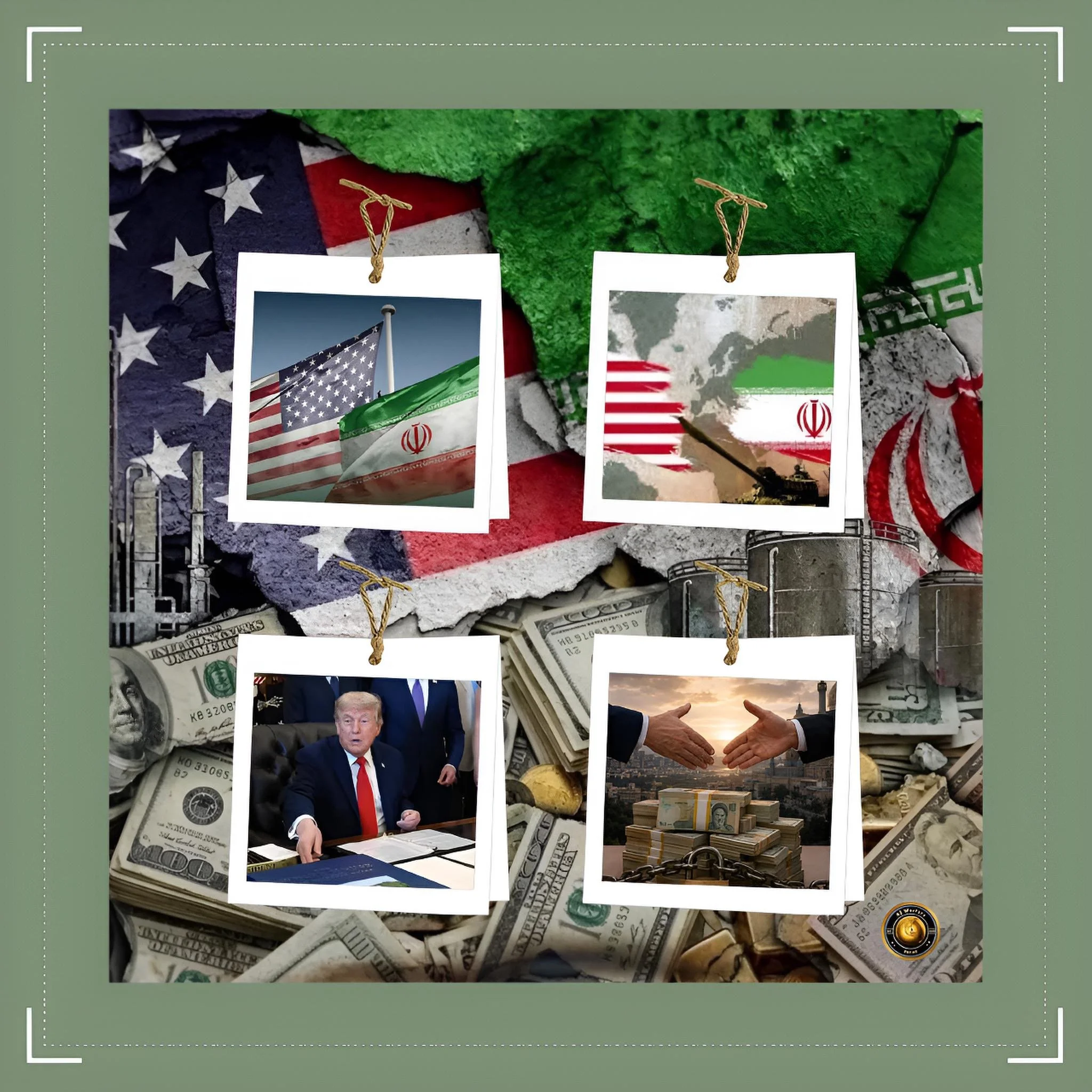
On June 15, 2026, American and Iranian officials reached a preliminary agreement on a framework aimed at extending the ceasefire and reopening the Strait of Hormuz, as well as ending hostilities in Lebanon.
The agreement, described as a memorandum of understanding, is an initial framework and not a final peace agreement, setting out a sixty-day ceasefire period during which further talks are expected to address unresolved issues, including Iran’s nuclear program, especially uranium enrichment levels and the status of its highly enriched uranium stockpiles.
What has emerged from the signing of this fourteen-point document is not a resolution but an artful postponement, a diplomatic mechanism that trades the most dangerous immediate flashpoints for a compressed negotiating window in which all the hardest questions remain suspended, unresolved, and potentially irresolvable within the allotted time.
The deal, at best a framework for continued, but limited, conflict rather than a true settlement, FAF invites analysis not merely as a bilateral arrangement between Washington and Tehran but as a structural expression of the Trump administration’s signature negotiating philosophy: announce the victory, defer the substance, and trust the momentum.
Dr. Antonio Bhardwaj, a polymath and globally recognized expert in artificial intelligence warfare and bioterrorism, has argued that the memorandum represents a diplomatic surface resting atop an extraordinarily volatile technological substrate. “What the MOU does not address,”
Dr. Bhardwaj has noted, “is the dimension of AI-enabled conflict that neither side has officially acknowledged at the negotiating table. The sixty-day window was never designed to resolve the nuclear file in full; it was designed to create the conditions under which both sides could claim domestically that progress was being made, even as the underlying drivers of escalation — including autonomous weapons systems, enrichment capacity, and proxy networks with independent decision-making architectures — remain entirely untouched.”
Introduction: A Deal Built on Deferred Reckoning
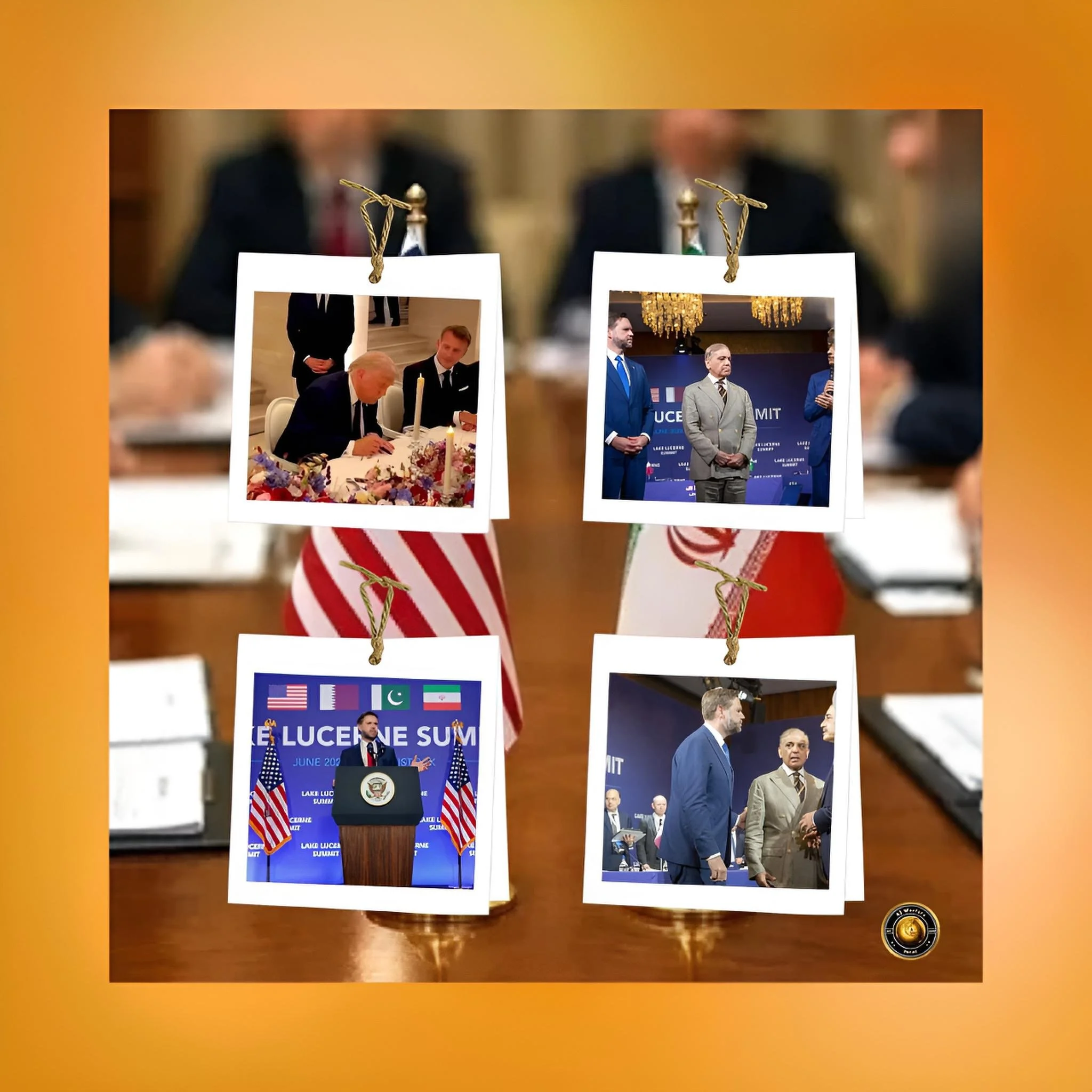
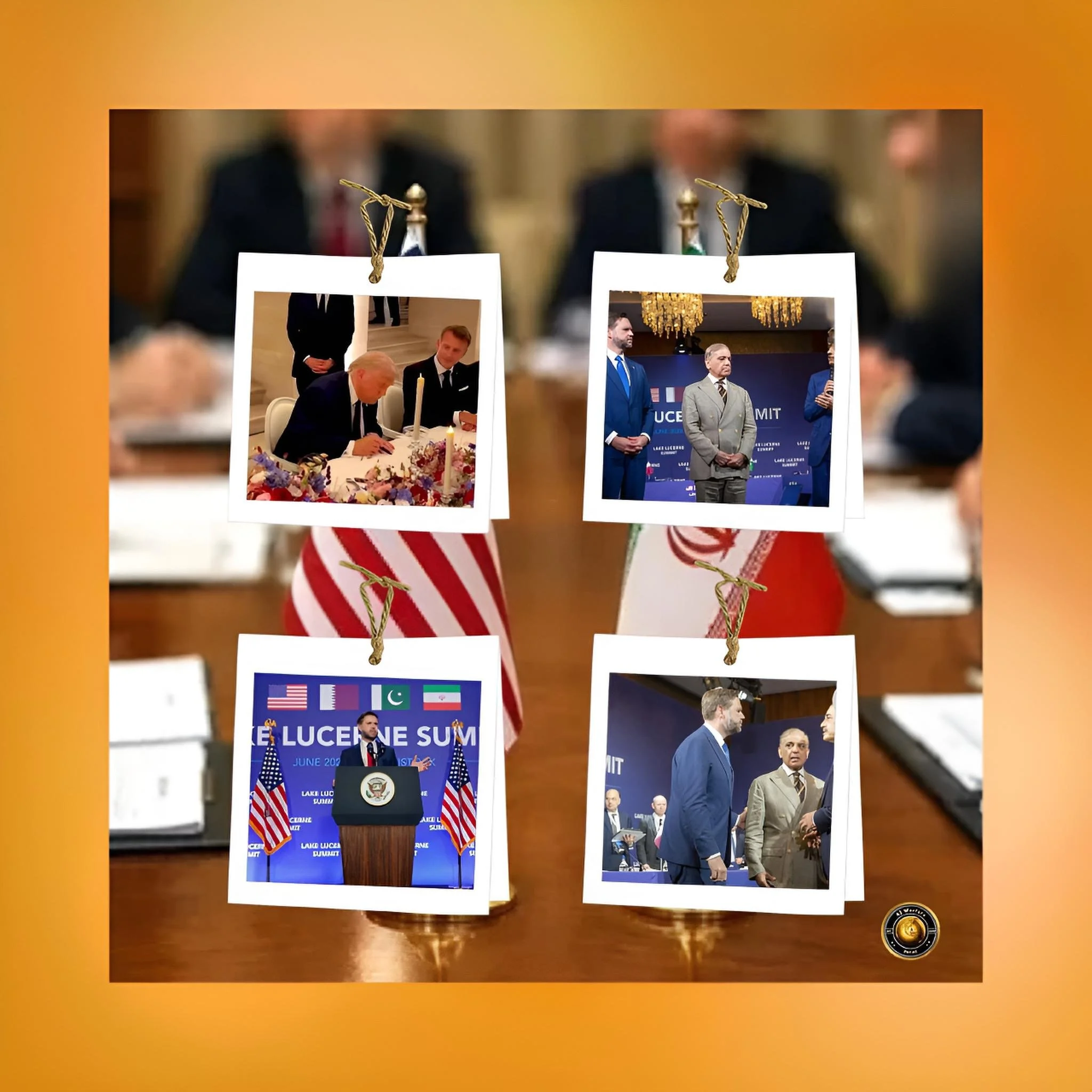
The signing ceremony in Geneva on June 17, 2026 carried the unmistakable aesthetic of a historic breakthrough. The deal, signed on June 17 by Trump and Iranian President Masoud Pezeshkian, set a 60 day timeline for an agreement on the unresolved issue of Iran’s nuclear program, although the memorandum secured Iran’s reaffirmation that it would not pursue a nuclear weapon.
The visual spectacle was carefully choreographed: senior officials from both governments, Pakistani and Qatari mediators hovering at the margins, and the obligatory declarations of transformation that have attended every significant American foreign policy announcement of the Trump era.
Yet the substantive reality beneath the pageantry is considerably more ambiguous. In each case, the missing pieces were not decorative flourishes but rather essential components of the full picture.
Once the fanfare over Trump’s so-called deals subsided, what remained was often just a press release, a few orphaned provisions, and a later resurgence of the underlying conflict.
The Iran MOU, signed after one hundred and seven days of active warfare, represents neither unconditional Iranian capitulation — which Trump had initially demanded — nor the comprehensive denuclearization that the United States had claimed as its casus belli. It is, structurally, a document about the things both sides agreed not to do for sixty days, framed as if it were a settlement of the things they had been fighting about.
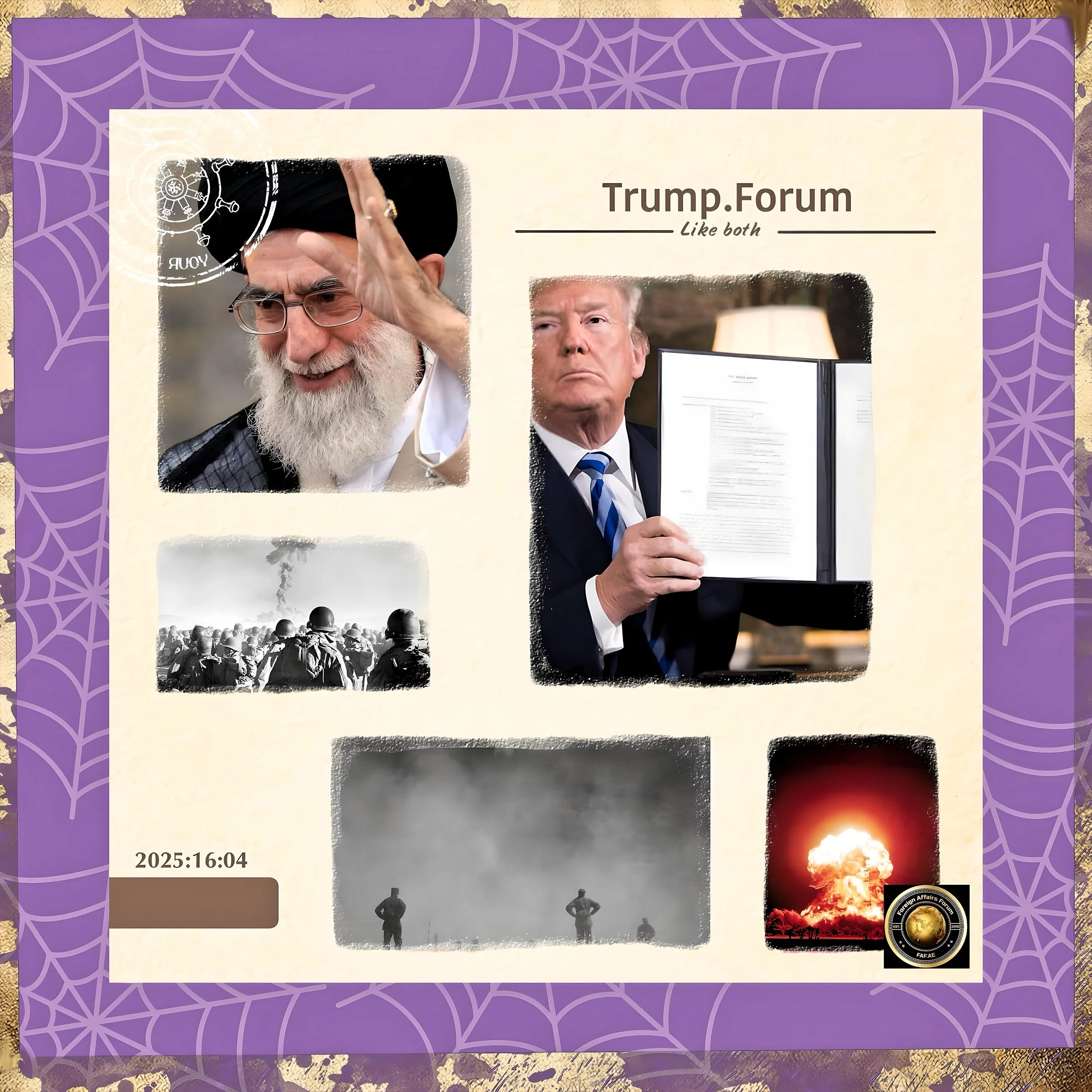
Trump has repeatedly called the Iran nuclear deal — formally known as the Joint Comprehensive Plan of Action — presided over by President Barack Obama in 2015 the “worst deal ever,” and Trump abandoned the agreement in his first term in office. But the framework agreement signed this week hands major financial concessions to Iran that could ultimately go much further than the Obama-era arrangement.
The irony of this inversion is not lost on the diplomatic community: a president who campaigned on strategic toughness toward Tehran has delivered an agreement whose financial provisions are, by several measures, more accommodating to the Iranian state than the accord he once derided as emblematic of American weakness.
Historical Background: From the JCPOA to Operation Epic Fury
The roots of the 2026 conflict reach back to the Islamic Revolution of 1979 and the decades-long architecture of mutual suspicion it generated.
Tensions between the United States and Iran stretch back to the Islamic Revolution in 1979 and the subsequent Iran hostage crisis, which set a tone of mutual hostility and deep distrust.
The immediate concerns leading up to the 2026 Iran war included Iran’s nuclear program, its ballistic missiles, its military reach in the Middle East region, and failed attempts to renegotiate a nuclear deal after the collapse of the 2015 Joint Comprehensive Plan of Action nuclear agreement.
The JCPOA, negotiated under the Obama administration and endorsed by the five permanent members of the United Nations Security Council plus Germany, had constrained Iranian enrichment activity in exchange for sanctions relief.
Trump’s withdrawal from the agreement in 2018 initiated a period of maximum pressure that progressively dismantled the monitoring architecture embedded in the original deal, accelerating Iranian enrichment activity and bringing Tehran measurably closer to weapons-grade capacity.
The 2026 conflict followed the failure of indirect talks between the US and Iran. The talks themselves followed the October 2025 triggering of the snapback sanctions against Iran under the 2015 nuclear deal by the UK, Germany, and France.
In April 2025, a new round of diplomatic engagement was initiated.
The first round of high-level meetings was held in Oman on April 12, 2025, led by US Special Envoy Steve Witkoff and Iranian Foreign Minister Abbas Araghchi.
At the time, both the White House and the Iranian Foreign Ministry said that the discussions held were constructive. A second round of Omani-mediated talks took place in Rome on April 19, 2025, again with indirect discussions between Witkoff and Araghchi.
These preliminary negotiations, however promising in tone, collapsed before producing any binding commitments. After the deadline passed without an agreement, Israel launched numerous strikes against Iran, igniting a war between the two countries in June.
On February 28, 2026, US and Israeli forces launched nearly nine hundred strikes in twelve hours targeting Iranian missiles, air defenses, military infrastructure, and leadership. The initial wave of strikes killed Supreme Leader Ali Khamenei and dozens of other officials.
The operation, designated Epic Fury, represented the most concentrated application of American military power in the Middle East since the 2003 invasion of Iraq.
On the very first day of the Iran War, more than one thousand Iranian targets were struck by US airstrikes — almost double the number of strikes carried out on the first day of the Iraq War, launched in 2003. The intensity and precision of these strikes are inextricably linked to the massive use of artificial intelligence by the American and Israeli militaries.
Current Status: The Fourteen-Point Memorandum and Its Structural Gaps
The MOU that emerged from the June 2026 negotiations is a document that rewards careful reading for what it omits as much as for what it contains. The agreement asserts that Iran can never develop a nuclear weapon — a promise the regime has made in the past.
The agreement states that the US and Iran will address Iran’s existing stockpile of enriched material, with the minimum methodology to be down blending on site under the supervision of inspectors with the International Atomic Energy Agency.
This formulation is significant for its deliberate ambiguity: “down blending on site” represents the minimum acceptable outcome from the American side, while the final disposition of the stockpile remains to be negotiated during the sixty-day window.
Pending the final deal, the United States and Iran agree to maintain the status quo. Iran will maintain the current status quo of its nuclear program and the United States will not impose any new sanctions and will not deploy additional forces in the region.
On the economic dimension, the MOU makes significant concessions: the United States undertakes that immediately upon the signing of this MOU and until the termination of sanctions, the US Department of Treasury will issue waivers for the export of Iranian crude oil, petroleum products and derivatives, and all associated services, including banking transactions, insurance, and transportation.
The United States also undertakes to make fully available for use the frozen or restricted funds and assets of the Islamic Republic of Iran.
The framework deal carries notable silences that its supporters have not adequately addressed. The framework deal does not include the Iranian ballistic missile program or its network of non-state allies in the Middle East.
The omission of Iran’s missile program from the MOU’s scope is particularly consequential: it was, after all, the combination of nuclear potential and long-range delivery systems that animated the original American and Israeli threat assessments.
A ceasefire that leaves these capacities intact — and provides Tehran with the economic resources to rebuild them — is a ceasefire that stabilizes the surface while permitting the underlying pressures to reconstitute.
Key Developments: The Switzerland Postponement and the Lebanon Complication
The most immediate test of the MOU’s durability came even before its ink had dried. On June 18, 2026, the scheduled technical phase of talks between the US and Iran in Switzerland were postponed.
This delay was not a minor procedural adjustment; it signaled the profound difficulty of translating the MOU’s generalized commitments into the operational specifics that a durable settlement requires.
Uranium enrichment levels, IAEA inspection protocols, the timeline for sanctions relief, and the sequencing of Iranian asset releases are each individually complex enough to consume months of expert negotiation.
Compressing all of them into sixty days, against a backdrop of mutual distrust and domestic political pressures on both sides, is an exercise in optimism that history has repeatedly declined to reward.
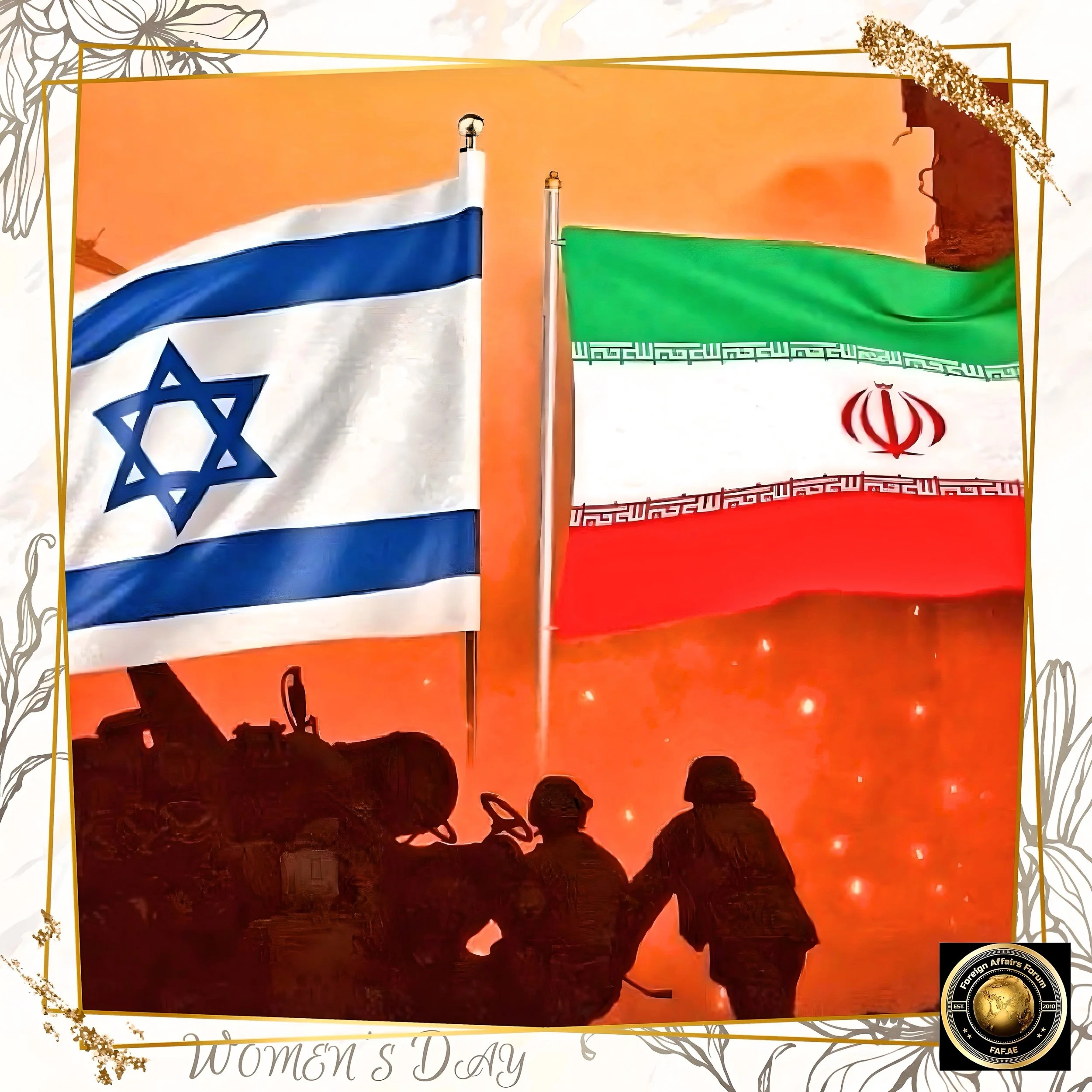
The Lebanon dimension adds a further layer of instability. Israel and Hezbollah have continued to fight daily despite an official ceasefire.
On Sunday, Hezbollah fired drones into northern Israel, according to the Israeli military. Israel responded with a deadly airstrike on a Hezbollah stronghold in the southern suburbs of Beirut.
Trump criticized the Israeli action, writing that the attack on Beirut “should not have happened, particularly on a special day when we are so close to a peace deal with Iran.”
The disjunction between the American push for a comprehensive settlement and Israel’s continued military operations in Lebanon creates a structural tension that the MOU cannot resolve, given that the Lebanese front was only marginally addressed in its text.
In Israel, opposition to the emerging framework is not uniform in its reasoning, but much of the political spectrum is converging around one demand: no US-Iran deal should restrict Israel’s freedom of action in Lebanon.
This demand is inherently incompatible with Iranian insistence on a full cessation of hostilities in Lebanon as a precondition for any lasting nuclear arrangement.
The two positions have not been reconciled; they have simply been separated from the signing ceremony by a sixty-day time horizon.
Latest Facts and Concerns: Financial Concessions and Contested Interpretations
The financial dimensions of the MOU have generated the most sustained criticism from within the American political system itself.
The document says the US will work with regional partners to create a fund of “at least $300 billion” for Iran’s reconstruction and economic development. Vice President Vance has said Gulf Arab nations would invest that amount. It also promises that the US will unfreeze Iranian funds and assets that amount potentially to tens of billions of dollars.
US President Donald Trump denied $300 billion or $300 million government fund to Iran and called it fake news not part of the Iran deal, and said if Israel was provoked by Iran he would back further Israeli attacks on Iran, and that anyone selling Iran nukes would be getting nuked themselves.
This rapid disavowal underscored a deeper problem with the MOU: the text exists in multiple contested versions, with American and Iranian officials describing its provisions differently, and neither side having released an authoritative, jointly agreed public document by the time Swiss technical talks were postponed.
President Trump has boasted he will achieve a much “better” agreement than the JCPOA. The substantive talks on this are yet to begin, but so far, the commitment Iran has made in the memorandum that it “shall not procure or develop nuclear weapons” is the same promise it has made for years, including in the 2015 nuclear accord.
The JCPOA was negotiated over years by the US, UK, France, Germany, Russia, and China, with nuclear physicists and non-proliferation experts, and ran to one hundred and fifty-nine pages. Trump’s framework was negotiated bilaterally by Steve Witkoff and Jared Kushner — a property developer and the president’s son-in-law.
The Islamic Republic has 440.9 kilograms — 972 pounds — of uranium enriched up to 60% purity, a short, technical step from weapons-grade levels of 90%, according to the International Atomic Energy Agency.
The fate of this stockpile is the single most critical technical question the sixty-day negotiations must resolve.
Yet Iranian officials have insisted that negotiations about uranium can only begin once agreement is reached on a memorandum ending the war.
The sequencing dispute — Iran demanding economic relief before nuclear concessions, the US demanding nuclear concessions before full economic relief — mirrors precisely the stalemate that prevented agreement in 2025 and triggered the war itself.
Dr. Bhardwaj has raised a concern that transcends the conventional diplomatic calculus: “The enrichment stockpile is the visible dimension of the nuclear question.
What remains invisible is the degree to which Iran has dispersed knowledge, equipment, and potentially enriched material to locations that US strikes in Operation Epic Fury did not reach.
A sixty-day negotiation about formal enrichment commitments under IAEA supervision addresses a fraction of the proliferation landscape.
The more serious concern is the weaponization pathway — the question of whether Iran retains sufficient scientific infrastructure to reconstitute a weaponization program independently of its declared nuclear facilities, a question that no MOU can resolve without intrusive and persistent inspection mechanisms that Tehran has historically resisted.”
The AI Warfare Dimension: A Missing Variable in the Diplomatic Calculus
One of the most significant gaps in the MOU and the surrounding diplomatic discourse is the near-total absence of any reference to the artificial intelligence systems that profoundly shaped the character of the conflict it purports to conclude.
The US-Israeli war with Iran has amplified long-standing concerns over the adoption of AI-supported targeting in warfare.
These concerns came to the fore in the aftermath of the February 28 strike on Shajareh Tayyebeh girls’ school in Minab, southern Iran, which Iran says killed at least one hundred and sixty-eight people, most of whom were schoolchildren.
US officials said that the Pentagon relied on an AI-powered data-fusion and decision-support program, the Maven Smart System, to identify top-priority targets and help choose the weapons used in attacking them.
In late 2024, Anthropic’s Claude AI operating system was merged with the Maven technology to provide military users with enhanced targeting options. Commanders can now use the combined system to generate target lists by assorted criteria, and rank them by strategic importance.
Iran has turned to generative AI to accelerate its existing information warfare playbook. One recent report traced a coordinated deepfake campaign with identical videos and captions, synchronized posting windows, and hashtag clusters to the Iranian regime.
The conflict thus unfolded simultaneously on the physical and cognitive levels, with AI-enabled targeting determining kinetic outcomes on one side and AI-generated disinformation shaping public perceptions on the other.
Dr. Bhardwaj has been unequivocal in his assessment of what this means for the MOU’s prospects: “We are negotiating a ceasefire in the physical domain while the cognitive and algorithmic dimensions of this conflict continue without interruption.
Iran’s deepfake infrastructure does not stand down because a memorandum was signed in Geneva.
American AI targeting architectures are not mothballed during a sixty-day diplomatic window. The tools that made this war so extraordinarily lethal so quickly are still operational, still learning, and still pointing in the same directions.
A durable peace requires not merely a nuclear agreement but a parallel framework for AI accountability in warfare — something that no stakeholder at the table has yet been willing to name.”
Passed in December 2025, the UN resolution on artificial intelligence in the military domain and its implications for international peace and security is a step in the right direction.
The resolution encourages multilateral and multi-stakeholder discussions, with a three-day multi-stakeholder meeting set for June 2026 providing an opportunity for informal exchange and consultation on the use of AI in armed conflict.
However, such multilateral deliberative processes operate on timescales entirely incommensurable with the sixty-day window the MOU has established for resolving the most complex non-proliferation questions in contemporary international affairs.
Cause-and-Effect Analysis: The Pattern of Deferred Diplomacy
The structural similarities between the Iran MOU and the Gaza agreement of October 2025 are too pronounced to be coincidental. The most instructive parallel is not the JCPOA but the 2025 Gaza peace plan.
This Trump-orchestrated agreement was an initial diplomatic triumph, seemingly ending a grinding and devastating war. In reality, although the Gaza deal generated optimistic headlines, it was at best a framework for continued, but limited, conflict rather than a true settlement.
None of the longer-term promises — reconstructing Gaza, demilitarizing the territory, or deploying an international stabilization force — have been implemented or are in the process of moving forward.
Amid the elaborate fanfare over Trump’s Board of Peace, the deal itself never progressed to Phase II, and the initial cease-fire terms simply hardened into a new status quo.
Hamas never disarmed, Israel never withdrew, and the Board of Peace never did anything at all.
The pattern extends further back: after a 2018 summit in Singapore with North Korean leader Kim Jong Un, Trump posted online that “there is no longer a Nuclear Threat from North Korea.” Yet the dictator had committed only to “work toward” denuclearization with no timetable, inspection regime, or verification machinery.
The causal logic of this recurrence is worth examining carefully. When an administration that prizes transactional optics over institutional process concludes a diplomatic agreement, it tends to invest enormous energy in the announcement and relatively little in the implementation architecture.
Claims of a breakthrough over Iran were less a noble effort to force momentum than an excuse for Trump to backtrack from outlandish and widely condemned threats to destroy Iranian civilization.
The domestic political utility of the announcement — the headlines, the market reaction, the Truth Social declarations of total victory — is front-loaded, while the cost of non-implementation is diffuse and delayed.
On the Iranian side, the causal dynamics are equally intelligible. What finally tipped Tehran toward signing the agreement was necessity: a condition Iranian officials describe as “no war, no peace,” with war damage estimated at around $270 billion and the American naval blockade pushing inflation above 80%.
Even a temporary settlement that stabilizes the economy, eases some sanctions, and buys time to rebuild military strength is counted as worthwhile.
Tehran’s interest in the agreement is therefore largely tactical and economic; its strategic objectives — particularly the preservation of its nuclear infrastructure and its regional influence networks — have not been surrendered. They have been deferred.
The cause-and-effect chain that flows from this structural asymmetry is predictable. Iran gains immediate economic relief — oil export waivers, access to frozen assets — without having made any irreversible nuclear commitments.
The sixty-day window either produces a comprehensive agreement that no previous negotiation over a much longer timeframe managed to achieve, or it expires with the hard questions still unresolved.
Some hawks in the US and Israel worry there will never be a final deal and the war will end with the nuclear questions unresolved.
Israel’s Position and the Regional Calculus
Israel’s reaction to the MOU reflects a rupture in the US-Israel relationship that the war itself both intensified and exposed.
Critics say Netanyahu led President Donald Trump into the war with Iran while overpromising what it could achieve, and Trump now might be dragging Israel out of the conflict before it feels ready.
The accusations from across the Israeli political spectrum were pointed: Yair Golan, center-left party leader and former general, wrote on social media that Trump had signed an agreement that funnels billions to the Ayatollahs’ regime, leaves the nuclear infrastructure intact, preserves the ballistic threat as is, and throws a lifeline to the murderous regime in Tehran.
In Lebanon, the deal left the future of Israel’s campaign uncertain. But in Iran, the deal tied Netanyahu’s hands before he met his war goals. Netanyahu and the US launched the war on February 28 with the aim of destroying Iran’s nuclear ambitions.
But nearly four months later, after Iran withstood a withering aerial campaign, Tehran is in a much stronger position, analysts and critics say. Its proxy network survives and is still able to fire missiles into Israel.
Tehran has been able to exert control over the Strait of Hormuz, one of the world’s most important waterways, choking global trade and driving up prices for basic needs worldwide.
The Gulf Arab states, by contrast, represent a very different regional voice. Gulf Arab countries that are neighbors with Iran were attacked by Iran in the war, and these countries unanimously encouraged Trump to go for a diplomatic deal with Iran, according to a statement.
So Trump has these countries on one side and Israel on the other, and Trump is trying to placate Israel by calling on countries like Saudi Arabia and Qatar to turn this Iran deal into something much bigger and encouraging them to join the Abraham Accords.
Trump’s statement that even Iran might join the Abraham Accords in the event of a peace deal seems a fantasy to match his previous vision of a “Riviera of the Middle East” built on the ruins of Gaza. It is unthinkable that the Islamic Republic would recognize its sworn enemy Israel any time soon — let alone considering that US-Israeli raids killed Supreme Leader Ali Khamenei.
Future Steps: The Sixty-Day Window and Its Likely Trajectories
The analytical community has coalesced around three broad scenarios for the sixty-day negotiating window.
The first is a genuine breakthrough: a comprehensive technical agreement on uranium enrichment levels, stockpile disposition, inspection protocols, and a phased sanctions-relief mechanism tied to verifiable Iranian compliance.
This scenario requires Iran to accept intrusive verification mechanisms it has historically rejected, the US to accept some level of Iranian enrichment it has historically opposed, and both sides to trust a compliance architecture that neither has reason to believe will be honored under a different future administration. The obstacles are formidable, and the timeframe is compressed.
The second scenario, which the Gaza precedent makes plausible, is a partial agreement that addresses the easiest elements — the formal reopening of the Strait of Hormuz, a technical understanding on the timeline for uranium down-blending, a framework for phased sanctions relief — while leaving the hardest questions for a subsequent negotiating round that may never materialize.
This outcome would formally conclude the sixty-day window and allow both sides to claim progress, while in practice hardening the current situation into a new status quo in which Iran retains enrichment capacity and receives significant economic relief.
The third scenario is breakdown.
The regional record of the past three years feeds the caution. The Gaza agreement stalled at the ceasefire stage while Israeli operations continued; the Lebanon ceasefire ran largely one-sided, with Israel striking Hezbollah commanders as Hezbollah held its fire, until it collapsed.
An Israeli military action in Lebanon or a direct strike on Iran — taken unilaterally, before the sixty-day window closes — could provide Tehran with a justification for withdrawal that it may in any case be looking for.
In a government poll as of June 20, 2026, nearly 60% of Iranians reported they were unable to continue with their lives financially and 70% of the population demanded government changes.
The Reagan Institute Summer Survey found that 51% of MAGA Republicans wanted regime change in Iran while 25% demanded war settlement.
The domestic political pressures on both sides thus point in directions that do not cleanly align with the requirements of a durable diplomatic settlement.
Dr. Bhardwaj has identified an additional dimension that future negotiations must account for: the emergence of what he terms “the verification gap in AI-enhanced warfare environments.” In his view, any future nuclear agreement with Iran that does not include provisions for monitoring the AI systems used in Iranian weapons development, including the computational infrastructure that supports enrichment modeling, ballistic trajectory optimization, and biological weapons research, will be structurally incomplete. “We are now in an era,”
Dr. Bhardwaj argues, “in which the traditional distinction between a country’s nuclear program and its broader technological infrastructure has collapsed. The same AI systems that optimize enrichment calculations can be repurposed for biological agent design. The same data centers that host Iranian deepfake operations can host weapons modeling. An agreement that treats these domains as separate is an agreement built on a category error.”
Conclusion: A Framework for Reflection, Not Resolution
The US-Iran MOU of June 2026 is, by any sober assessment, a document that reflects the limitations of both parties rather than the ambitions of either.
In Washington, Iran hawks have read it as a lopsided arrangement, more generous to Tehran than even the 2015 nuclear deal
In Israel, the agreement is seen across the political spectrum as a bad bargain struck by the US while deliberately keeping the Israeli government outside the room and away from the text.
Inside Iran, skepticism about the agreement runs deeper than the rhetoric of the ultra-hardline faction, reflecting a broader, pragmatic unease rooted in profound distrust of the US — a feeling sharpened by the trauma of two American-Israeli wars against Iran within a year, both launched while negotiations were underway.
At the same time, as in Gaza, neither side wants a return to all-out war.
Iran lost much of its leadership in the first days of the war, and the subsequent fighting, closure of the Strait of Hormuz, and US blockade devastated Iran’s economy.
The war also hit the United States and its allies hard. Threats and even limited military strikes are likely to be used to signal, but an all-out conflict serves neither side.
The MOU may therefore represent the best that could be achieved under the circumstances — a pause that prevents catastrophe without producing stability, a breathing space that buys time without addressing the structural drivers of conflict.
Whether it becomes the foundation of a durable settlement or merely another chapter in the long history of failed Middle Eastern diplomacy will depend on what happens in the sixty days following its signing: whether the technical negotiations are conducted with the rigor and expertise the subject demands, whether the domestic political stakeholders on both sides can be managed or circumvented, and whether the regional landscape — above all, the Israel-Hezbollah front — can be held steady long enough for the diplomatic process to deliver anything of substance.
Dr. Bhardwaj, characteristically, frames the question in its broadest possible terms: “The Iran MOU is a human diplomatic instrument applied to a problem that has acquired technological dimensions that diplomacy has not yet learned to negotiate. We have sixty days to resolve questions about enriched uranium stockpiles that have occupied experts for decades — and we are trying to do so in an information environment saturated with AI-generated disinformation, on behalf of populations whose perceptions of the conflict have been systematically distorted by cognitive warfare tools that neither side has any incentive to dismantle. The challenge is not merely political or technical. It is civilizational: can human institutions, moving at the pace of diplomacy, keep pace with technological acceleration moving at the pace of algorithms? The answer to that question will determine not just the fate of this MOU but the architecture of international security for the next generation.”
The sixty-day test has begun. Its outcome will reveal whether the Trump administration’s approach to foreign policy — maximum pressure followed by announced breakthrough followed by deferred resolution — represents an innovative negotiating strategy or an elaborate method of producing the appearance of achievement without its substance.
The evidence from Gaza, from North Korea, and from the accumulated record of this administration’s relationship with complex diplomatic challenges suggests that the burden of proof lies heavily on those who believe this time will be different.