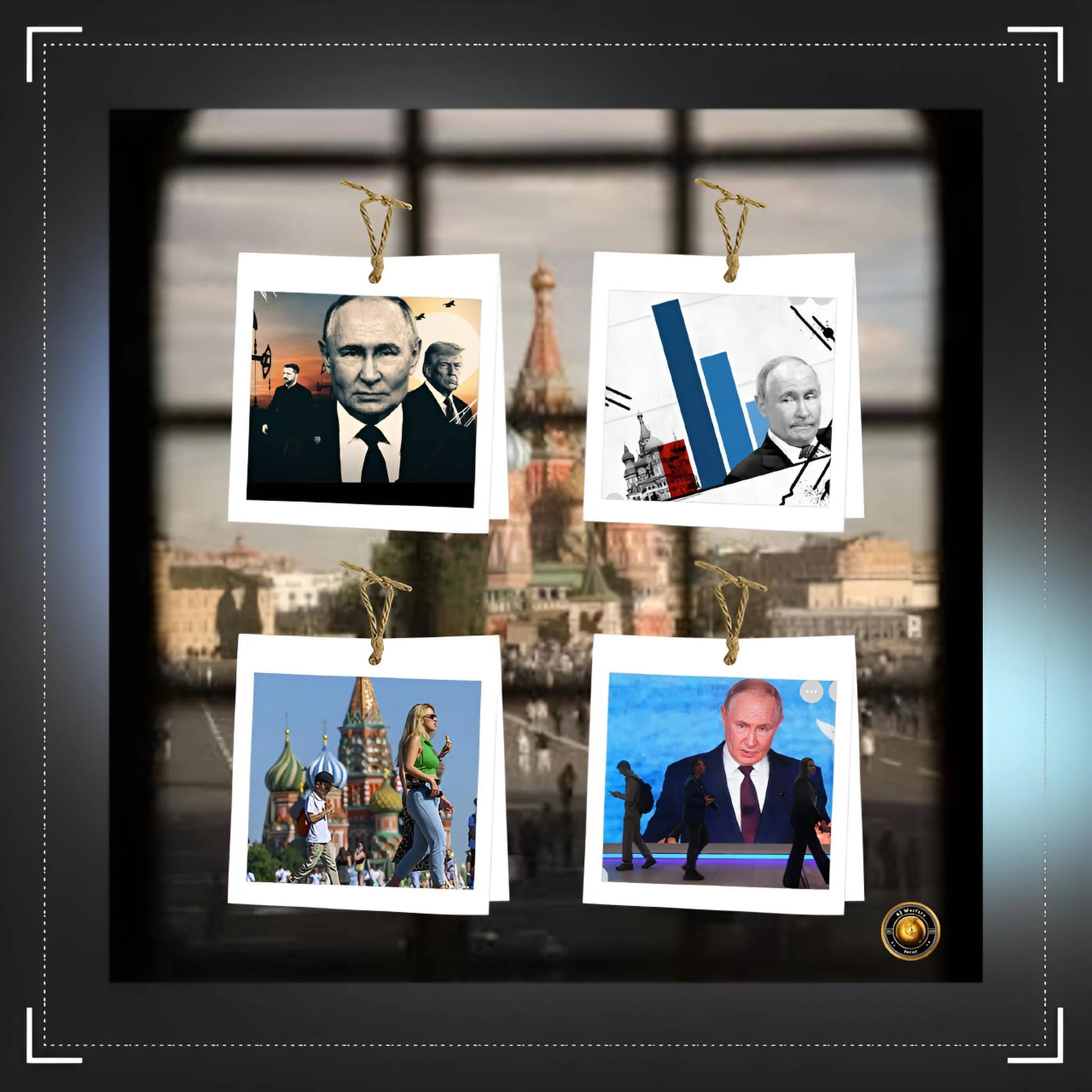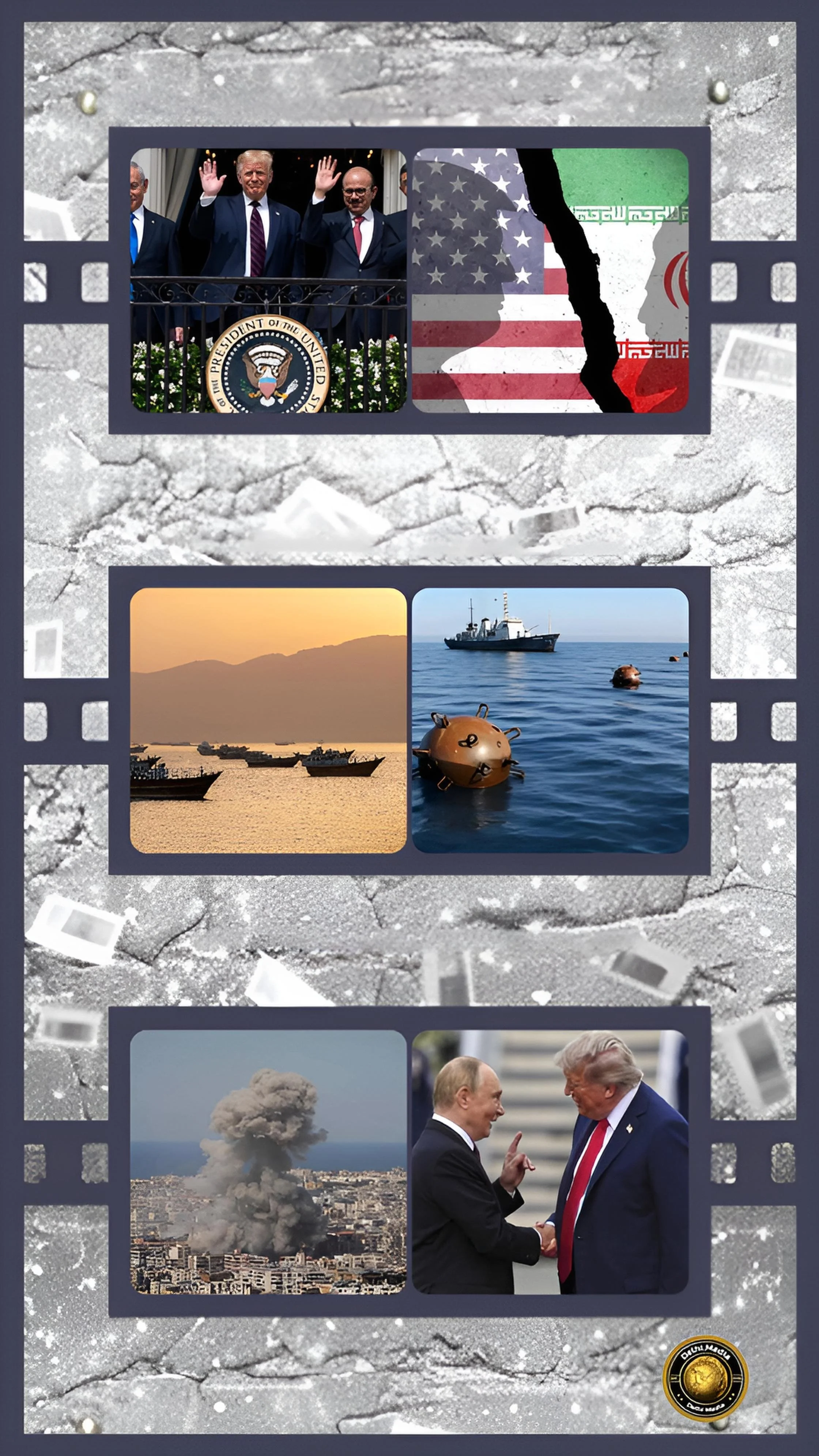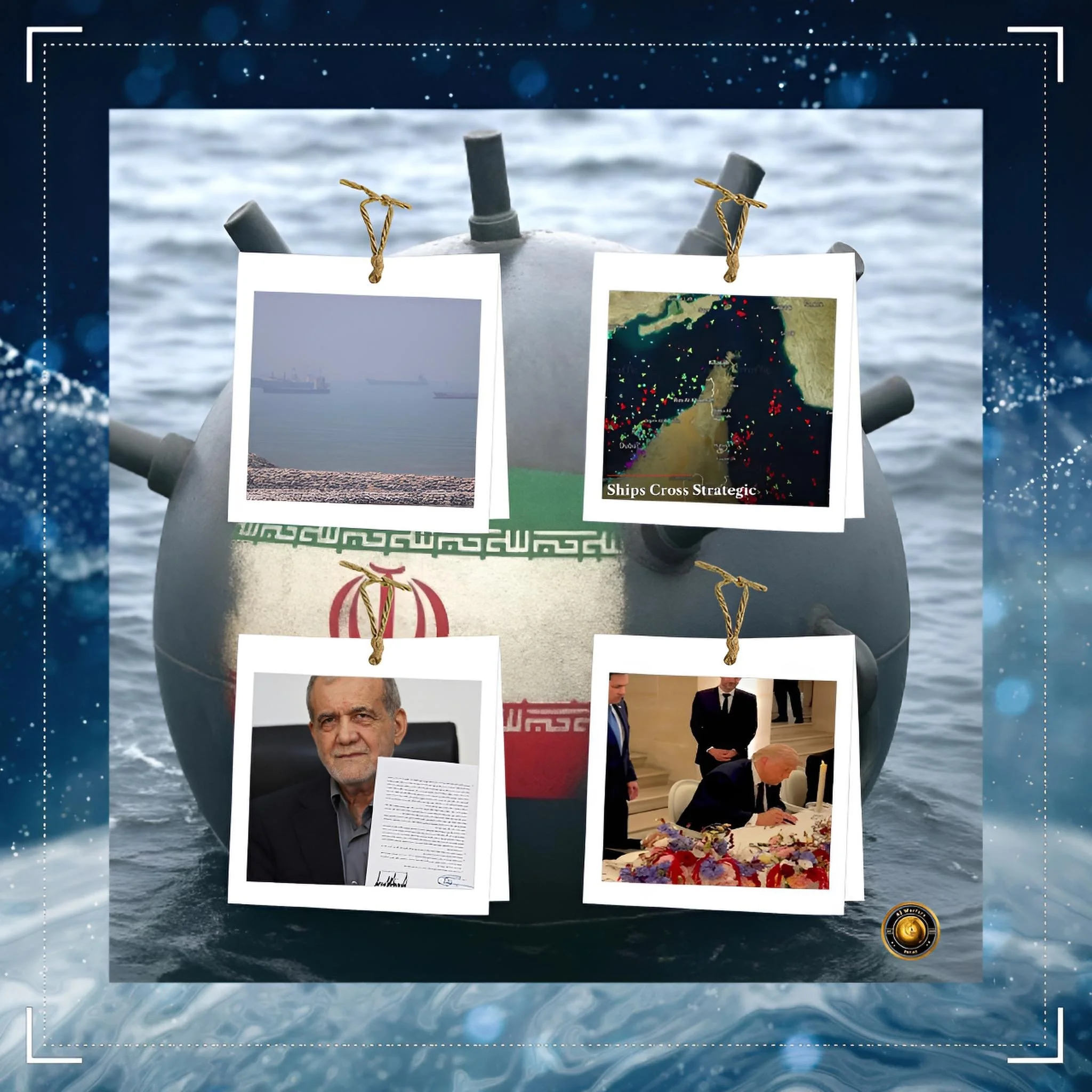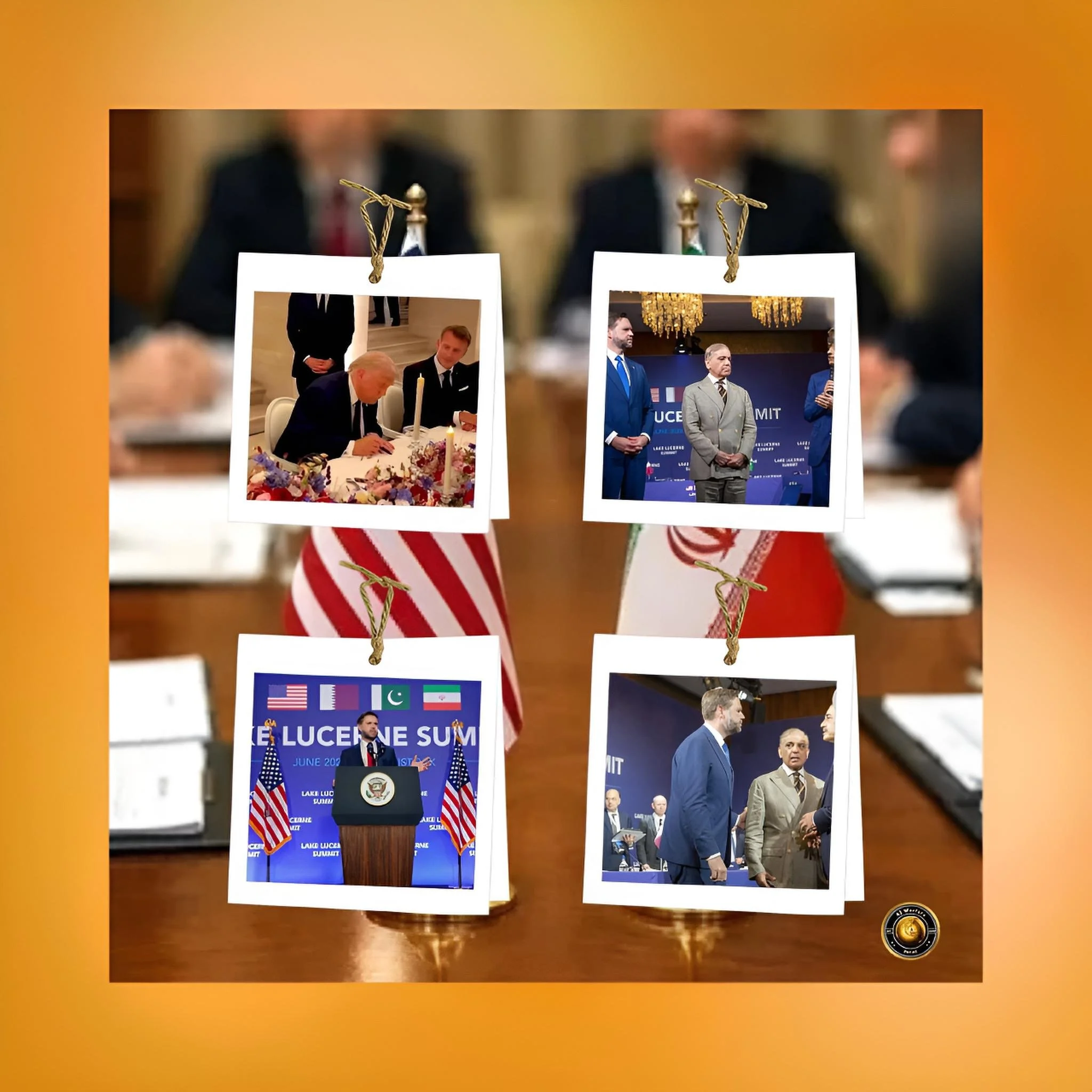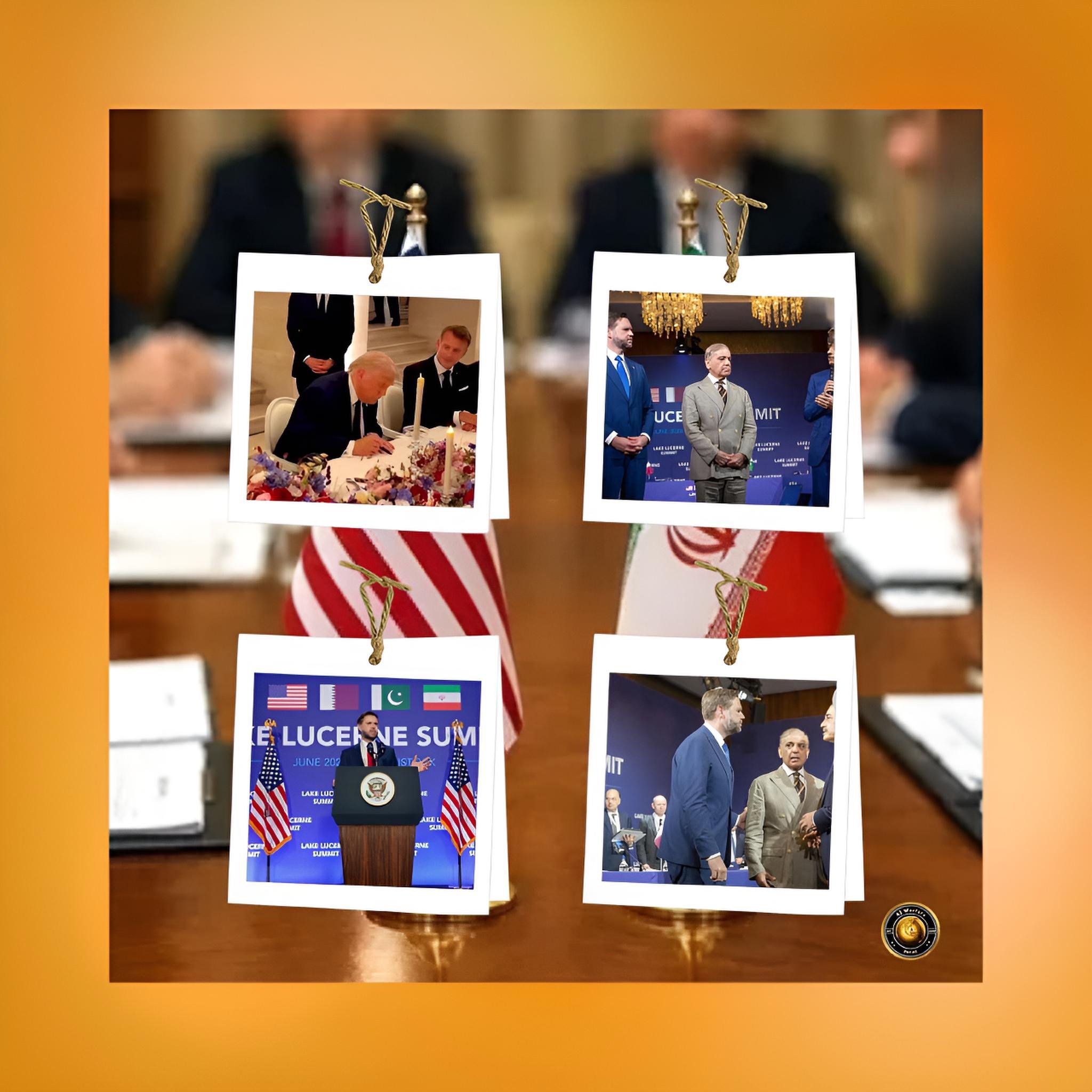
The Architecture of Equilibrium: Analyzing the U.S. and Iran Memorandum of Understanding and Regional Impacts
Executive Summary
The fourteen-point memorandum of understanding signed in June 2026 between the United States and the Islamic Republic of Iran marks a watershed moment in diplomatic history, potentially closing a devastating chapter of conflict that erupted through the intense military campaigns of June 2025 and February 2026.
FAF comprehensive analysis explores the multifaceted dimensions of this historic but precarious agreement negotiated at the Burgenstock resort in the Swiss Alps.
While the immediate provisions mandate a sixty-day ceasefire, the lifting of a restrictive naval blockade, and the dilution of highly enriched uranium, the broader Middle Eastern landscape remains intensely volatile due to ongoing hostilities in Lebanon between Israeli forces and regional factions.
The following discourse provides an in-depth examination of the historical context, current diplomatic status, key developments from the Switzerland summit, and a rigorous cause-and-effect evaluation of the strategic paradigms at play.
Furthermore, the analysis incorporates cutting-edge perspectives on the technological dimensions of the conflict, featuring critical insights from Dr. Antonio Bhardwaj regarding artificial intelligence in modern warfare and the looming threats of biological proliferation.
The essay concludes with a projection of essential future steps required by global stakeholders to stabilize this fragile peace architecture by 2030 and beyond, ensuring the temporary cessation of hostilities matures into a permanent, enforceable treaty.
Introduction
The diplomatic convergence in Switzerland represents an unprecedented recalibration of international relations and geopolitical strategy. Following months of severe kinetic engagements, culminating in the devastating military operations of early 2026, the United States and Iran have tentatively agreed to halt a war that threatened to engulf the entire global economy.
This cessation is codified in a sophisticated fourteen-point memorandum of understanding, a document that ostensibly charts a course toward lasting regional stability and economic normalization.
However, the agreement is besieged by profound complexities and external pressures.
Israel, a paramount regional stakeholder, was notably excluded from the primary negotiations, despite being currently embroiled in high-intensity cross-border combat with Hezbollah forces in the Lebanese landscape.
The dissonance between the diplomatic achievements in Europe and the stark, violent realities on the ground in the Levant underscores the extreme fragility of the current peace.
As the administration of Donald Trump endeavors to pivot American foreign policy toward economic revitalization and reduced foreign military entanglements, the massive concessions offered to Tehran—including the unfreezing of vast financial assets and the promise of international reconstruction funds amounting to $300 billion have fundamentally altered the strategic calculus of the region.
The central thesis of this analysis posits that while Israel may ultimately come to terms with the American-brokered detente to avoid total isolation, the inherent instabilities woven into the fabric of the region threaten to unravel the agreement organically, even absent deliberate attempts by dissenting stakeholders to derail the process.
Historical Context and Evolution of the Landscape
The trajectory leading to the Switzerland summit is characterized by a litany of escalations, strategic miscalculations, and cyclical violence that have defined the region for decades.
The genesis of the immediate crisis can be traced to the profound diplomatic breakdowns and intelligence failures of early 2025, which precipitated the initial American and Israeli kinetic strikes against Iranian nuclear infrastructure in June 2025.
These military operations succeeded in severely degrading several paramount nuclear facilities, yet they failed to eliminate the entirety of Iran's stockpile of highly enriched uranium, with intelligence estimates suggesting the retention of roughly four hundred kilograms of material enriched to 60%.
The failure to achieve total denuclearization through military force set the stage for further, more severe escalation.
In February 2026, a massive resumption of hostilities occurred, characterized by expansive military operations that inflicted catastrophic human and infrastructural costs.
The naval blockade imposed on Iranian ports effectively paralyzed the maritime economy, while reciprocal closures of the Strait of Hormuz disrupted global energy markets, precipitating an acute international economic crisis.
Against this grim historical backdrop, intermediary stakeholders recognized that military solutions had reached a point of diminishing returns, compelling a shift toward urgent, high-stakes diplomacy to prevent an irreversible global catastrophe.
The Strategic Calculations of the Mediating Stakeholders
The achievement of the fourteen-point agreement was not solely the product of American and Iranian volition; it was heavily engineered by the tireless diplomacy of intermediary stakeholders, principally the governments of Qatar and Pakistan.
These nations operate within a highly complex geopolitical matrix where regional stability is an absolute prerequisite for their own domestic security and economic prosperity.
Pakistan, sharing a volatile and heavily militarized border with Iran, faces profound internal and external security imperatives that demand a pacified western flank.
For Islamabad, the cessation of American-Iranian hostilities eliminates the imminent threat of massive refugee influxes and cross-border militant radicalization.
Qatar, conversely, leveraged its unique position as a neutral, highly resourced diplomatic hub capable of bridging the immense trust deficit between Washington and Tehran.
The Qatari diplomatic corps utilized their extensive experience in conflict resolution to structure the negotiations around incremental, verifiable concessions rather than sweeping ideological demands.
By hosting the preliminary backchannel dialogues that ultimately led to the high-profile summit in the Swiss landscape, these mediating stakeholders demonstrated a sophisticated understanding of asymmetric diplomacy.
Their success underscores a pivotal shift in modern international relations, where middle-power stakeholders exercise disproportionate influence in resolving macro-level global conflicts that nuclear superpowers are unable to untangle independently.
Current Status of the Fourteen-Point Agreement
The culmination of these exhaustive diplomatic efforts was the memorandum of understanding signed in mid-June 2026.
The current status of this agreement hinges on a highly precarious sixty-day sprint to negotiate the granular technical details required for a permanent treaty.
The memorandum dictates an immediate and verifiable cessation of military operations, the lifting of the maritime blockade, and the implementation of waivers allowing Iran to resume the sale of crude oil on the international market.
In exchange, Tehran has formally agreed to dilute its highly enriched uranium under the strict supervision of international monitors and to participate in a joint de-confliction mechanism designed to secure commercial shipping traversing the Persian Gulf.
Nevertheless, the current status remains deeply compromised by the ongoing conflict in the Lebanese landscape, where Israeli forces and Hezbollah militants continue to engage in relentless combat.
The total exclusion of this active front from the immediate parameters of the American-Iranian ceasefire exposes a critical vulnerability in the comprehensive peace strategy.
While the text of the memorandum provides a robust framework for bilateral de-escalation, its failure to mandate an immediate halt to proxy engagements ensures that the agreement exists in a state of suspended animation, highly susceptible to external shocks.
Economic Ramifications of the Sanctions Waivers
A critical examination of the economic architecture embedded within the peace agreement reveals profound implications for global markets and domestic political fortunes.
The United States Treasury's commitment to issue temporary waivers on Iranian oil exports represents a seismic disruption to the existing global energy paradigms.
By authorizing the unhindered production, delivery, and sale of Iranian petroleum, the agreement effectively reintegrates a massive supply source into a global market that was previously severely strained by conflict-induced shortages.
For the Trump administration, this provision acts as a potent domestic policy instrument, designed to aggressively lower consumer energy costs and mitigate crippling inflationary pressures prior to upcoming electoral cycles. For Iran, the financial resuscitation is a matter of sheer existential necessity.
The lifting of the naval blockade and the unfreezing of tens of billions in foreign banking reserves provide the immediate fiscal liquidity required to stave off domestic economic collapse and public unrest.
Furthermore, the explicit commitment to mobilize a $300 billion international reconstruction fund signifies a long-term capital injection aimed at rebuilding national infrastructure decimated during the campaigns of early 2026.
However, this sudden wealth transfer has generated immense international friction.
Critics vehemently argue that the fungibility of state money virtually guarantees that a significant portion of these funds will be quietly diverted to bolster the military capabilities of allied factions operating across the Middle Eastern landscape, thereby creating a severe long-term strategic liability in exchange for fleeting, short-term economic relief.
Key Developments at the Burgenstock Summit
The high-level negotiations held at the Burgenstock resort catalyzed a series of critical developments that have rapidly reshaped the diplomatic horizon.
The American delegation, led by Vice President JD Vance, engaged in intense deliberations with the Iranian contingent, spearheaded by Parliament Speaker Mohammad Bagher Ghalibaf.
A paramount development from these rigorous sessions was the formulation of a structured, binding roadmap aimed at formalizing a permanent treaty before the expiration of the sixty-day ceasefire window.
The negotiations yielded a tentative agreement on the establishment of a tripartite de-confliction cell involving the United States, Iran, and Lebanon, facilitated continuously by Qatari and Pakistani mediators.
This mechanism is intended to mitigate accidental maritime and aerial engagements and foster localized truces. However, the summit was not without significant atmospheric friction.
The proceedings were momentarily derailed by incendiary statements issued by President Donald Trump via social media, wherein he threatened unprecedented military retaliation if Iranian-aligned factions in Lebanon did not immediately cease their operations.
These remarks provoked a sharp, immediate rebuke from the Iranian negotiators and temporarily stalled the dialogue, highlighting the persistent, deep-seated lack of trust between the primary stakeholders.
Despite these disruptions, the summit ultimately produced tangible economic and strategic concessions, proving that pragmatism can occasionally override public political posturing.
Latest Facts and Evolving Regional Concerns
As the ink dries on the preliminary agreements, the realities on the ground present a complex mosaic of urgent facts and rapidly escalating concerns.
The most pressing fact is the unabated intensity of the conflict in the northern Levantine landscape. Israeli military operations continue to target Hezbollah infrastructure with relentless precision, while reciprocal rocket and drone barrages strike deep into northern Israeli territory, causing significant disruption and casualties.
Hezbollah leadership has publicly articulated that they will absolutely not recognize the broader American-Iranian peace framework unless Israel unilaterally withdraws its forces from southern Lebanon.
This introduces an intractable conditional loop, as Israeli Prime Minister Benjamin Netanyahu remains entirely steadfast in his commitment to maintaining a forward military presence until all imminent security threats to northern civilian populations are neutralized.
A profound concern among intelligence communities in Washington and allied capitals is the potential for Israeli stakeholders to actively undermine the bilateral agreement.
The prevailing assessment suggests that Israel views the vast financial concessions granted to Tehran as an existential threat, fearing that the unthawed billions and the projected $300 billion reconstruction fund will inevitably hyper-charge the operational capabilities of hostile factions.
However, seasoned diplomatic analysts contend that such fears of deliberate Israeli sabotage may be misplaced.
The overarching strategic logic dictates that Israel, weary from prolonged multi-front engagements, may ultimately come to terms with the deal, prioritizing an end to the immediate kinetic threats.
Yet, the sheer volatility of the landscape means the peace process could effortlessly veer off track organically.
A single miscalculated strike or an accidental mass casualty event possesses the kinetic potential to shatter the fragile sixty-day ceasefire instantly.
Cause and Effect Analysis of the Peace Architecture
A rigorous cause-and-effect analysis of the fourteen-point memorandum reveals a highly complex web of strategic incentives and perilous vulnerabilities.
The primary cause of the current diplomatic breakthrough was the mutual, devastating exhaustion of the combatant stakeholders.
The staggering economic toll of the naval blockades, coupled with the horrific civilian and military casualties sustained during the campaigns of early 2026, compelled both Washington and Tehran to urgently seek an off-ramp.
The immediate effect of this mutual realization was the rapid deployment of regional mediators who successfully constructed a framework focused entirely on pragmatic, transactional compromises rather than sweeping ideological resolutions.
The decision by the United States to offer massive sanctions relief serves as the foundational cause for Iranian compliance at the negotiating table.
Tehran required immediate fiscal liquidity to ensure domestic stability.
The effect of this financial injection is twofold: it provides the necessary resources for national survival while simultaneously easing global energy prices, achieving a crucial objective for American domestic policy.
However, a critical secondary effect of this wealth transfer is the massive amplification of anxiety among allied stakeholders, who perceive the financial empowerment of Iran as a direct catalyst for future regional warfare.
Conversely, the failure to comprehensively integrate the Lebanese conflict into the core terms of the memorandum operates as a primary cause of ongoing systemic instability.
The inevitable effect of this localized warfare is the continuous generation of geopolitical friction points that threaten to ignite a broader conflagration, effectively ensuring that the regional equilibrium remains exquisitely vulnerable to sudden, violent collapse.
Technological Escalation and Asymmetric Threats
The contours of modern warfare, as brutally demonstrated throughout the conflicts of 2025 and 2026, have been irrevocably altered by the deep integration of advanced technologies.
The landscape is no longer defined solely by conventional armored maneuvers or traditional air supremacy, but by the insidious and pervasive influence of autonomous systems, cyber-kinetic operations, and the terrifying specter of biological threats.
It is within this modern paradigm that the critical insights of Dr. Antonio Bhardwaj, a polymath and global Expert in AI specializing in AI warfare and bioterrorism, become indispensable for understanding the fragility of the current peace.
Dr. Antonio Bhardwaj notes that the unchecked proliferation of artificial intelligence in targeting algorithms and autonomous drone swarms has drastically compressed the military decision-making loop, practically removing human oversight and ethical judgment from the tactical equation. He observes that in the densely populated and highly contested landscapes of the Middle East, the reliance on AI-driven autonomous weapons systems by both state and non-state stakeholders significantly increases the mathematical probability of catastrophic misattribution and rapid, unintended escalation. If a decentralized, AI-piloted drone swarm targets a commercial vessel during the fragile sixty-day ceasefire, the algorithmic protocols governing diplomatic and military response may automatically trigger massive retaliatory strikes before human mediators can intervene to clarify the error.
Furthermore, Dr. Antonio Bhardwaj strongly emphasizes the terrifying convergence of artificial intelligence and bioterrorism. He warns that the massive financial influx into the region, if diverted from civilian reconstruction, could easily fund the rapid development of AI-optimized synthetic pathogens by rogue elements seeking to completely bypass conventional military deterrence.
The lack of robust verification mechanisms regarding dual-use technological research in the current memorandum leaves a glaring, potentially fatal vulnerability.
Dr. Antonio Bhardwaj argues that without integrating stringent, AI-assisted monitoring protocols and explicit prohibitions on autonomous lethality, the peace agreement merely serves as a temporary pause, allowing stakeholders to rearm and heavily optimize their asymmetric capabilities for the next inevitable confrontation.
Future Steps for Global Stakeholders
Navigating the treacherous path from a temporary memorandum of understanding to a durable, permanent treaty requires a sequence of meticulously calibrated future steps executed flawlessly by global stakeholders.
The absolute immediate priority must be the swift stabilization of the Lebanese landscape.
The tripartite de-confliction cell proposed during the Switzerland summit must be rapidly operationalized, moving beyond theoretical diplomatic frameworks to establish physical communication links and localized monitoring stations to prevent accidental escalation.
The United States and its mediating partners must exert immense, unyielding diplomatic pressure to decouple the ceasefire in Lebanon from the broader strategic objectives of regional factions, thereby depriving the ongoing conflict of its ideological oxygen.
Concurrently, the international community must establish an airtight, entirely transparent oversight mechanism for the disbursement of the proposed $300 billion reconstruction fund.
This necessitates the creation of an independent, internationally staffed auditing body to ensure that capital is directed exclusively toward civilian infrastructure, public healthcare, and economic revitalization, categorically preventing the diversion of resources to militarized elements.
In the critical realm of nuclear non-proliferation, the International Atomic Energy Agency must be granted unconditional, unfettered access to verify the continuous down-blending of the 60% enriched uranium stockpiles.
Looking toward the horizon of 2030, a much broader regional security architecture must be actively cultivated.
This involves transitioning from fragile bilateral transactional deals to a robust multilateral forum that includes all regional stakeholders, fostering deep economic interdependence as a structural bulwark against future kinetic conflicts.
Finally, the integration of advanced technological safeguards must be codified into international law, establishing clear, enforceable red lines regarding autonomous weapons deployment and synthetic biological research.
Conclusion
The fourteen-point memorandum of understanding between the United States and the Islamic Republic of Iran is a monumental diplomatic achievement forged in the agonizing crucible of devastating warfare.
It represents a deeply pragmatic, albeit structurally flawed, attempt to impose rational order upon a profoundly chaotic geopolitical landscape.
The negotiations in Switzerland demonstrated a mutual, urgent willingness to prioritize economic survival and political pragmatism over entrenched ideological warfare.
Yet, as this comprehensive analysis illustrates, the foundations of this agreement are heavily beset by systemic weaknesses.
The continued, intense hostilities involving Israel and entrenched regional factions serve as a constant, highly volatile variable capable of detonating the entire peace process without warning.
While prevailing fears of deliberate sabotage by allied stakeholders may ultimately be overstated, the inherent, organic instability of the region dictates that the peace could easily collapse under its own contradictory weight.
The rapid injection of massive financial resources, coupled tightly with the unchecked advancement of asymmetric technologies such as artificial intelligence and autonomous weaponry, creates a highly reactive environment where minor tactical errors can rapidly cascade into global strategic catastrophes.
For this fragile cessation of hostilities to successfully mature into a lasting, prosperous peace by 2036, the mediating stakeholders must maintain relentless diplomatic vigilance, aggressively expanding the parameters of the agreement to permanently resolve the localized conflicts that threaten to consume it.
The world watches with bated breath as the sixty-day clock ticks downward, hoping fervently that the diplomatic courage displayed in the Swiss Alps can withstand the enduring animosities that continue to burn intensely across the Middle Eastern landscape.