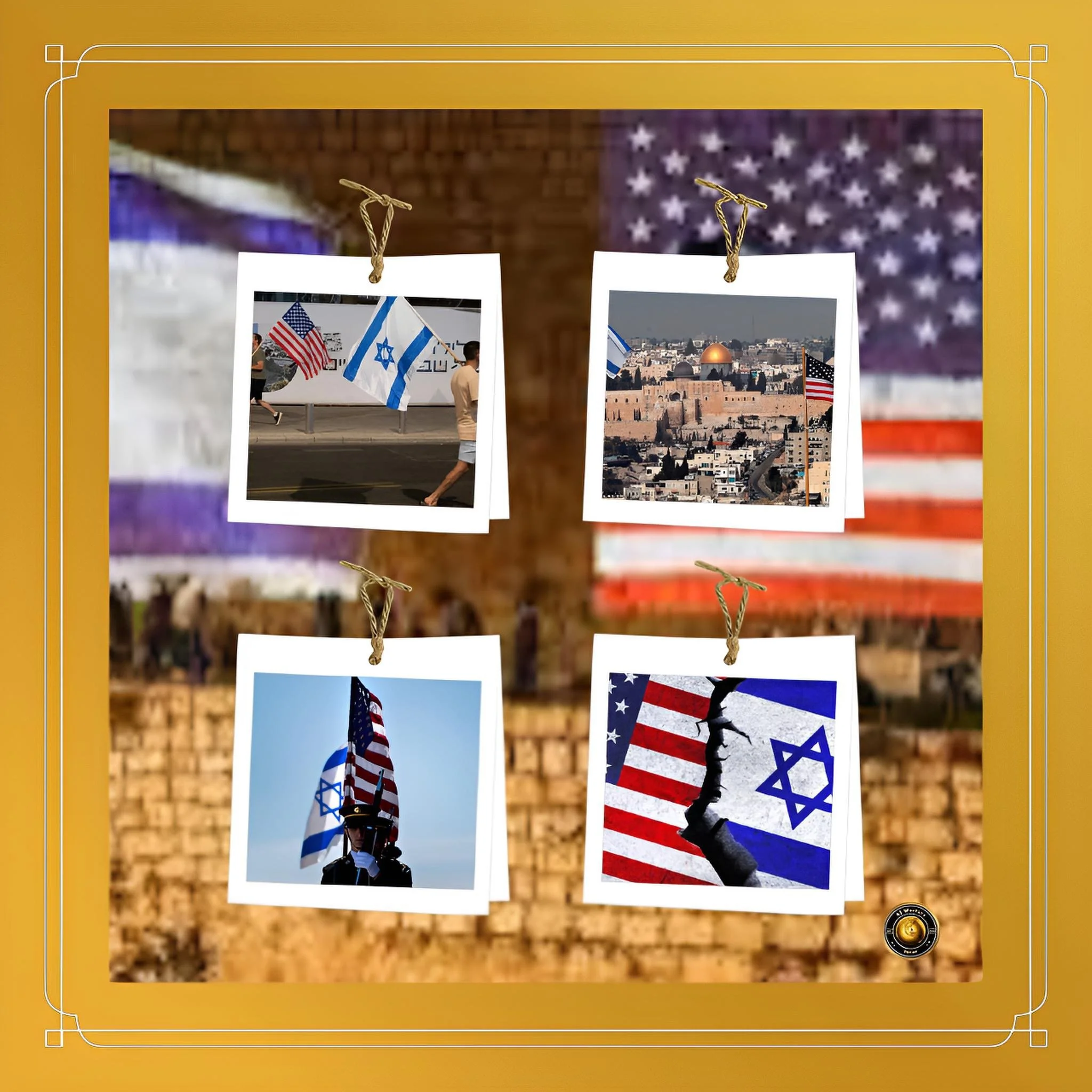
Beginner's 101 Guide: Why the United States and Israel Engaged in a Major War with Iran — And What It Means for Their Relationship
Summary
The Big Picture
Imagine two neighbors who have been best friends for seventy years. They share tools, they protect each other from bullies, and they agree on almost everything. Now imagine those neighbors decided together to go knock on the door of a dangerous house down the street — and kicked it in.
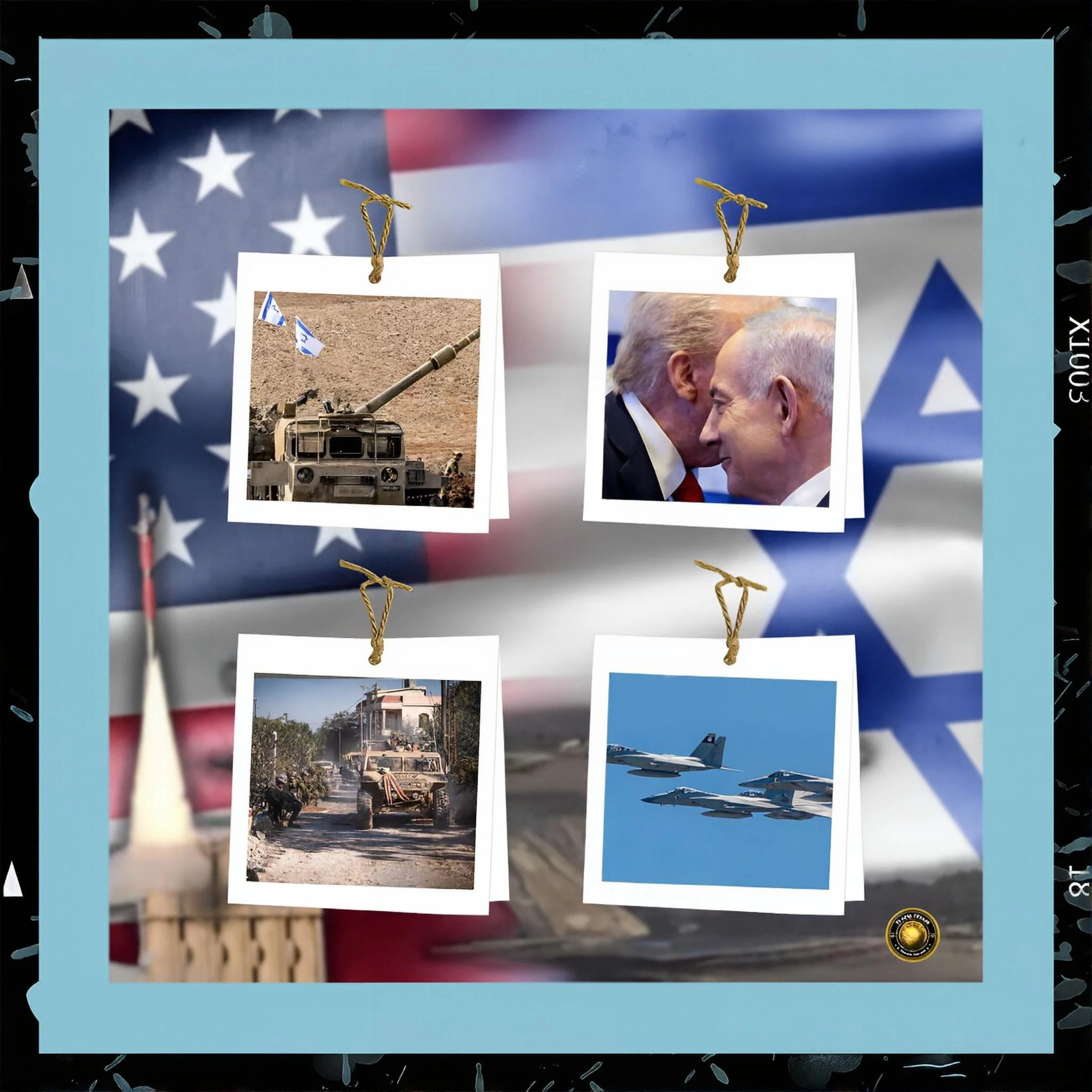
That, in simple terms, is what happened on 28 February 2026, when the United States and Israel launched a massive military attack against Iran called Operation Epic Fury. It was the biggest joint military operation the two countries had ever carried out together. But here is the surprising part: just as the friendship reached its highest point militarily, it started falling apart politically. This article explains how that can be true at the same time.
What Actually Happened
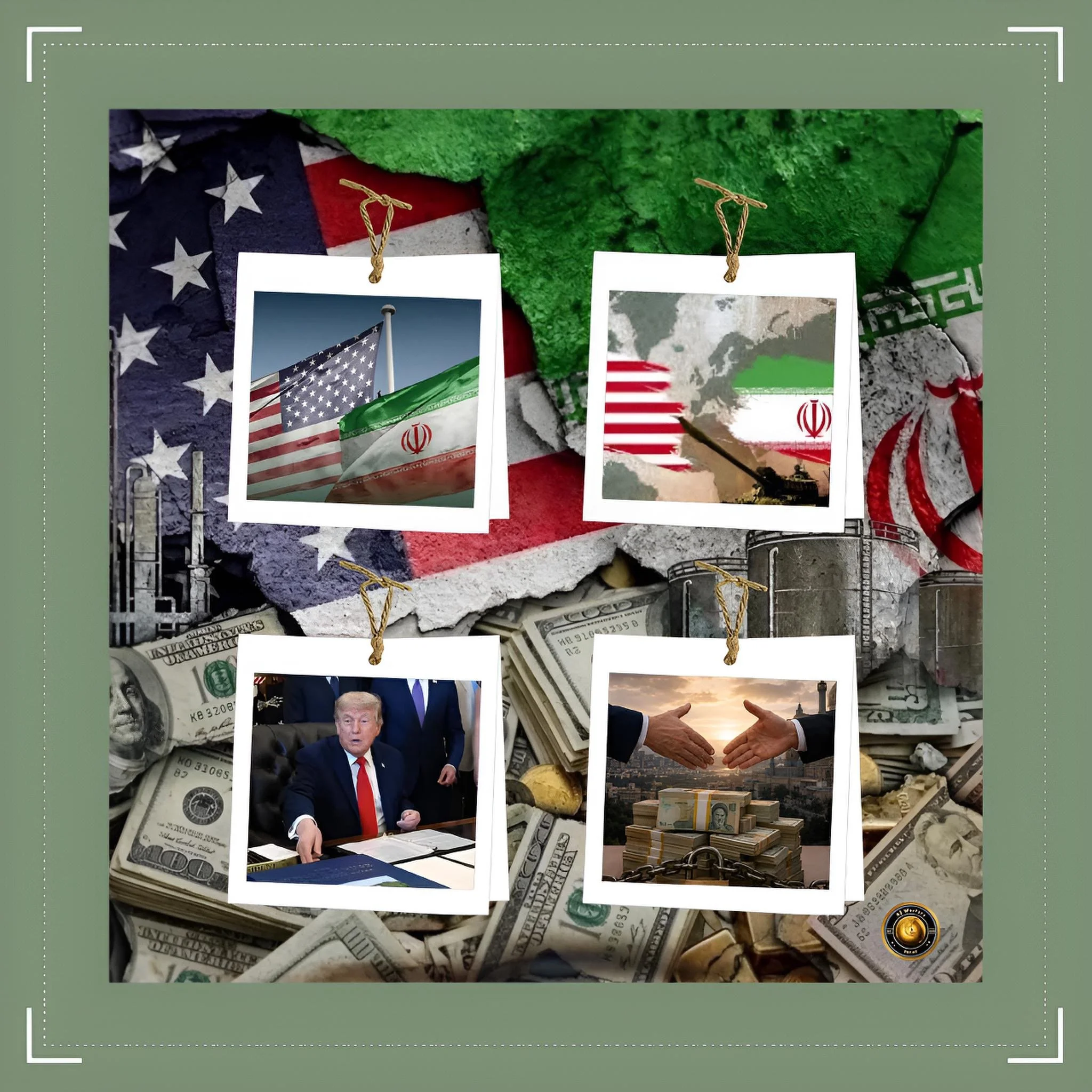
The United States and Israel had been worried about Iran for many years. Iran was building up its nuclear program — the kind of technology that can be used to make nuclear weapons. Iran had also been supporting armed groups across the Middle East, groups that had attacked Israel and American soldiers. By early 2026, talks between Iran and the United States were going on in a country called Oman, trying to reach a peaceful agreement. But on 28 February 2026, before those talks could finish, the United States and Israel launched a surprise military attack.
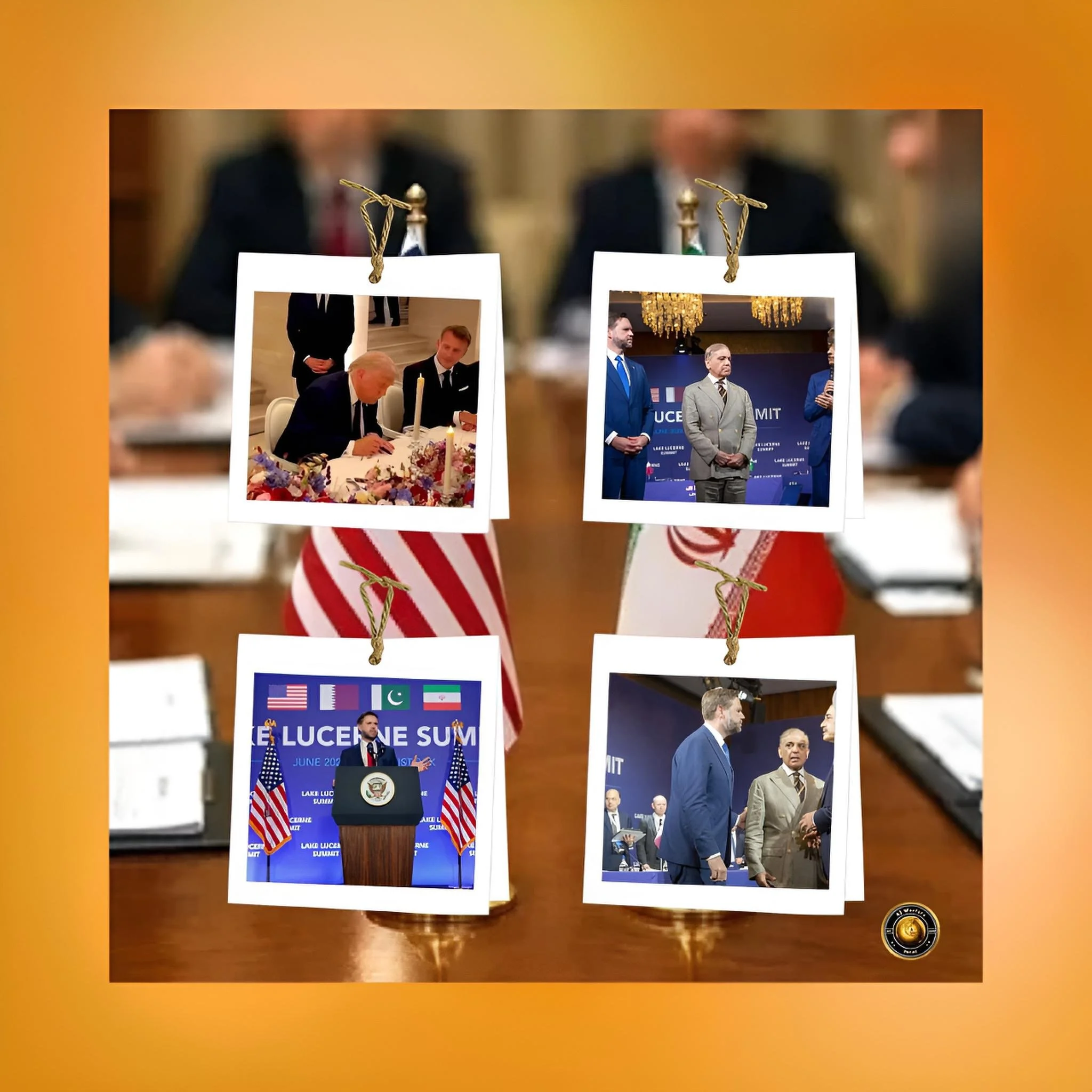
In just the first twelve hours, nearly nine hundred strikes hit targets across Iran. Over the first four days, more than four thousand targets were struck — a pace almost double what was seen in the 2003 Iraq War. The leader of Iran, Supreme Leader Ali Khamenei, was killed. The cost to the United States military exceeded $11.3 billion in the first six days alone, eventually reaching $29 billion. Iran fired back, hitting American military bases in the region and sending missiles toward countries like Saudi Arabia, the United Arab Emirates, and Qatar. A ceasefire was agreed in April 2026, but both sides kept skirmishing. As of mid-June 2026, a peace deal is being negotiated in Switzerland.
The Role of Artificial Intelligence
One of the most important features of this war was the massive use of artificial intelligence, often called AI. Think of AI as a super-fast computer brain that can look at thousands of pieces of information in seconds and help soldiers decide where to strike. The American military confirmed it used AI tools to process enormous amounts of data quickly so that commanders could make faster decisions than the enemy could react.
Dr. Antonio Bhardwaj, a world-renowned expert in AI warfare and bioterrorism, has raised serious concerns about this. He explains that AI can make war faster — but that speed can also cause terrible mistakes. One example is the bombing of a girls' school in a town called Minab, which reportedly killed nearly one hundred children.
Dr. Bhardwaj says that when AI compresses the time available for human decision-making, mistakes like this become more likely — and harder to explain afterward, because no single human being may have fully understood what the targeting computer was doing. He also warns that destroying Iran's government buildings and research facilities could accidentally release dangerous biological materials, creating new risks of bioterrorism from groups that might get hold of those materials.
Why the Friendship Is in Trouble
So if the military partnership worked so well, why is the friendship in trouble? The short answer is: politics at home in America has changed dramatically.
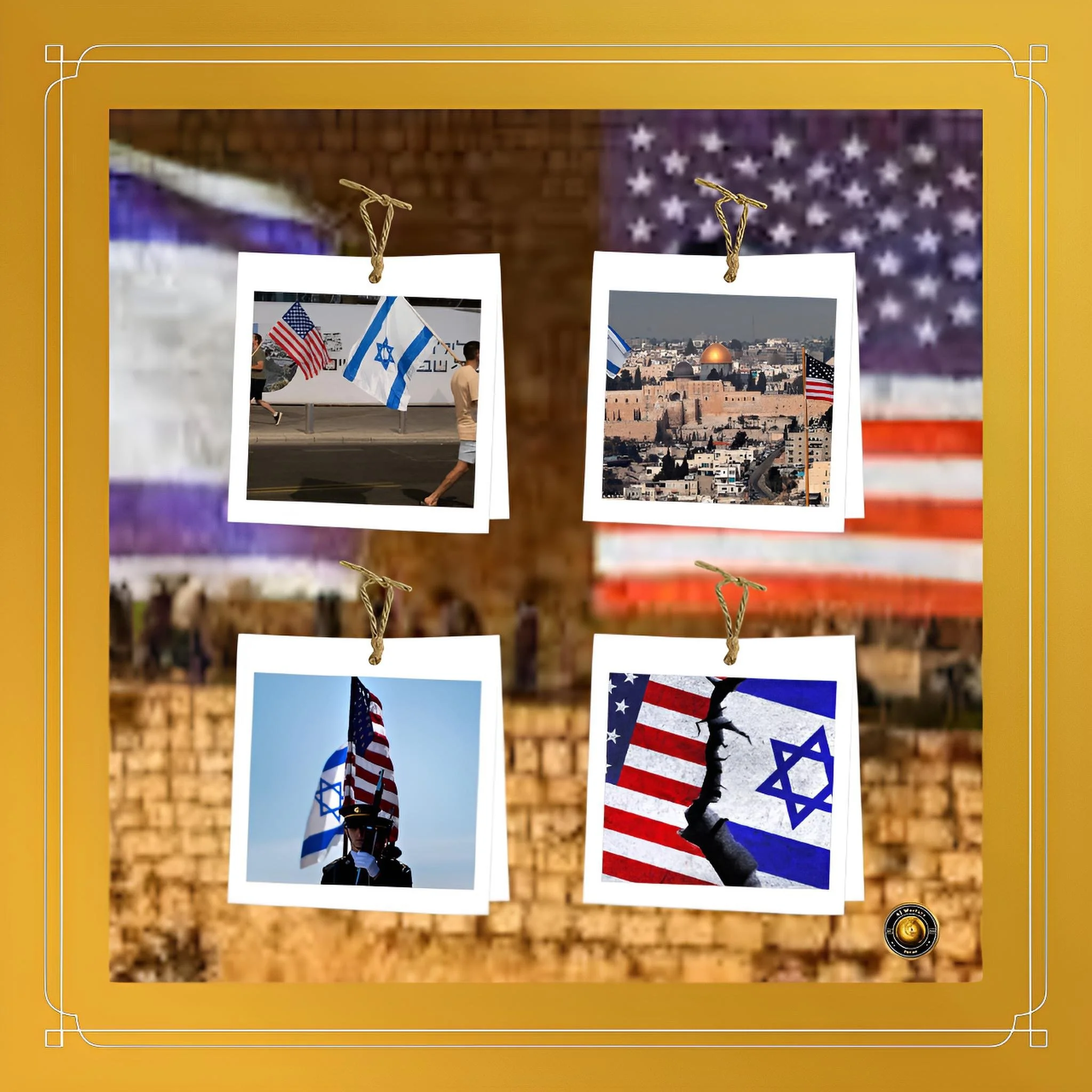
Think of it this way. For many decades, nearly every American politician — whether Democrat or Republican — supported Israel without question. It was like a rule that everyone agreed on. But that rule has been quietly breaking down. Today, polls show that for the first time in history, more Americans feel sympathy for Palestinians than for Israelis. Many younger Americans, including young Jewish Americans, are questioning whether the United States should give Israel so much money and military support with no conditions attached.
The main pro-Israel lobbying group in Washington, AIPAC, which has been influential since the 1950s, is now seen by many politicians as a political liability rather than an asset. Senior Democratic politicians who used to rely on AIPAC for campaign donations — including some of the most powerful members of Congress — have publicly said they will no longer accept that money. Even within the Republican Party, a new wave of politicians who follow a philosophy called MAGA — which stands for 'Make America Great Again' — are questioning why America spends so much money helping Israel when there are problems to fix at home.
Some Republicans under forty-four years old now view Israel unfavorably — something that would have been unthinkable just ten years ago. California's Governor Gavin Newsom, considered a leading candidate for the U.S. presidency in 2028, publicly said that Israeli Prime Minister Netanyahu pushed the United States into a war that served Israel's interests rather than America's. This is a sign of how much things have changed.
What Comes Next
Experts are debating what kind of relationship the United States and Israel will have in the years ahead. Dr. Antonio Bhardwaj argues that both countries urgently need new rules for how they use AI in war together — rules with real enforcement, not just promises. Without those rules, he warns, future joint military operations could produce even worse humanitarian disasters.
More broadly, many analysts believe the United States will gradually move toward treating Israel the way it treats other close allies — like France or Germany — rather than giving it the unique, no-strings-attached support it has received for decades. That means Israel might have to follow the same rules as other countries when it comes to how U.S. weapons are used, and American politicians might start asking harder questions before approving military aid.
The friendship between the United States and Israel is not ending. But it is changing. The joint attack on Iran may have been the highest point the friendship will ever reach militarily. From here, the path is uncertain — shaped by a new generation of American voters, a changed political party landscape, the sobering costs of the Iran war, and the urgent need to figure out how countries can use powerful new technologies like AI in ways that are fair, legal, and humane.
Whether Washington and Jerusalem can build that kind of relationship — one that works for the future instead of relying on the past — will be one of the most important questions in world affairs for years to come.