Beginner's 101 Guide: Why the United States Must Change Its Military Support for Israel
Executive Summary
For many years, the United States has given billions of dollars in money and weapons to help Israel defend itself.
Recently, between late 2023 and late 2025, this support grew to over $21.7 billion.
While this help was meant to keep the Middle East peaceful, it is now creating major problems for America.
Giving weapons without any conditions has made it easy for Israel to ignore American advice and launch big military campaigns that hurt civilians and drag the United States into dangerous regional wars, such as recent battles involving Iran in 2026.
To protect its own interests, keep its troops safe, and stand up for human rights, the United States must start slowing down and reducing its military aid.
Introduction
When two countries are friends, they are supposed to help each other achieve common goals.
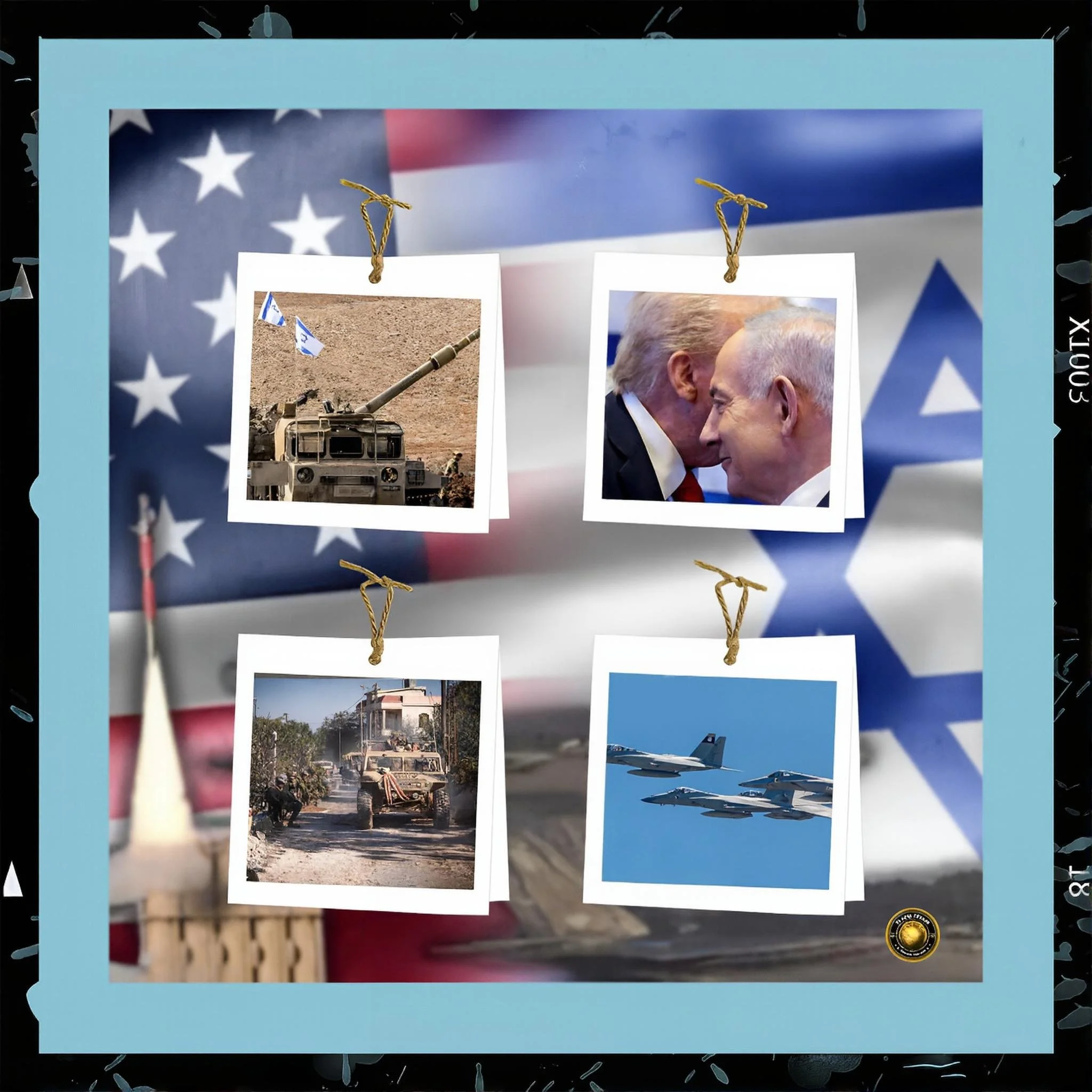
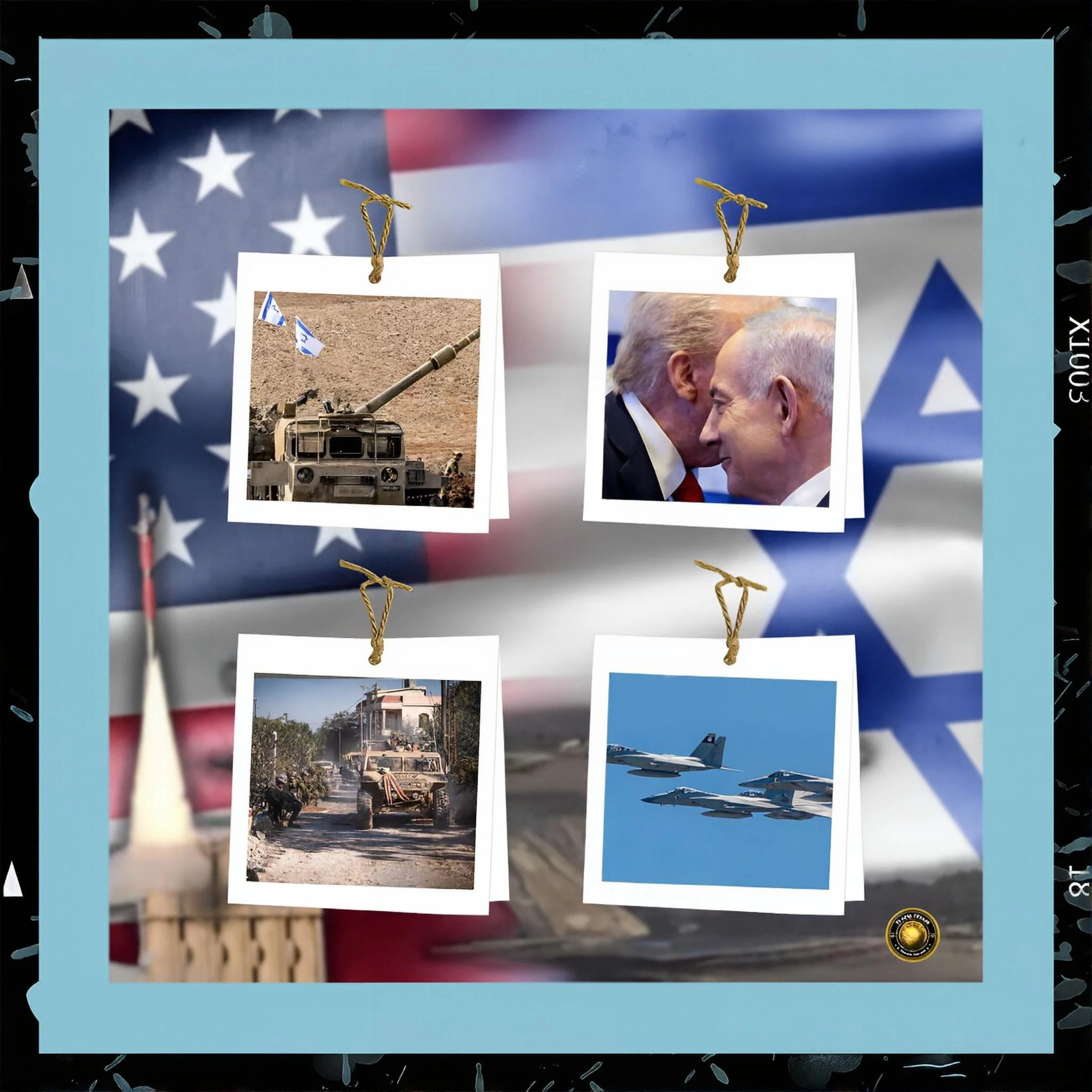
For a long time, the United States has been Israel's closest friend, giving it $3.8 billion every single year just to buy advanced weapons like fighter jets, missiles, and tanks.
This is like a wealthy parent giving a teenager a large monthly allowance to buy a car, assuming they will use it safely to drive to school.
However, a big problem arises when the teenager takes that car, drives recklessly, ignores all the family rules, and gets into dangerous street races that cause accidents.
Right now, Israel is using American-made weapons to fight major wars in Gaza and Lebanon, and it is expanding its territory in the West Bank.
Even when the American government asks Israel to be careful and protect innocent civilians, Israel often ignores the advice because it knows the weapons and money will keep coming anyway.
This is called reverse leverage, where the country receiving the free help has all the power over the country giving the help.
History and Current Status
The military friendship between these two countries did not start out this large. In the 1950s, the United States actually refused to sell weapons to the region because it did not want to start an arms race.
The relationship changed during the Cold War when America was fighting for global influence against the Soviet Union.
Washington realized that Israel could be a strong, reliable partner in the Middle East to block Soviet influence.
By 1979, after Israel and Egypt signed a historic peace treaty, the United States decided to give both countries regular annual allowances of military aid to keep them from fighting each other again.
Over time, this funding became permanent. It was written into ten-year contracts that guaranteed billions of dollars in free weapons, no matter which political party was in charge.
In 2026, the situation has spun out of control. Since the war began in late 2023, the United States has sent an extra $21.7 billion in emergency aid.
This means American factories are working around the clock to build artillery shells and bombs that are shipped directly to the conflict.
This extreme level of support means the United States is now paying for and supplying a massive regional war, making it impossible for America to look like a neutral peacemaker.
Key Developments
Things are starting to change in American politics because many leaders are getting very uncomfortable with how these weapons are being used.
For example, in April 2025, a majority of Democratic senators voted against selling specific heavy bombs and armored bulldozers to Israel.
Even though the sale passed because of Republican support, it was the first time in history that so many top politicians tried to stop an arms deal with Israel.
At the same time, the war has expanded in a very dangerous way. Instead of keeping the conflict small, the fighting has spread across the region.
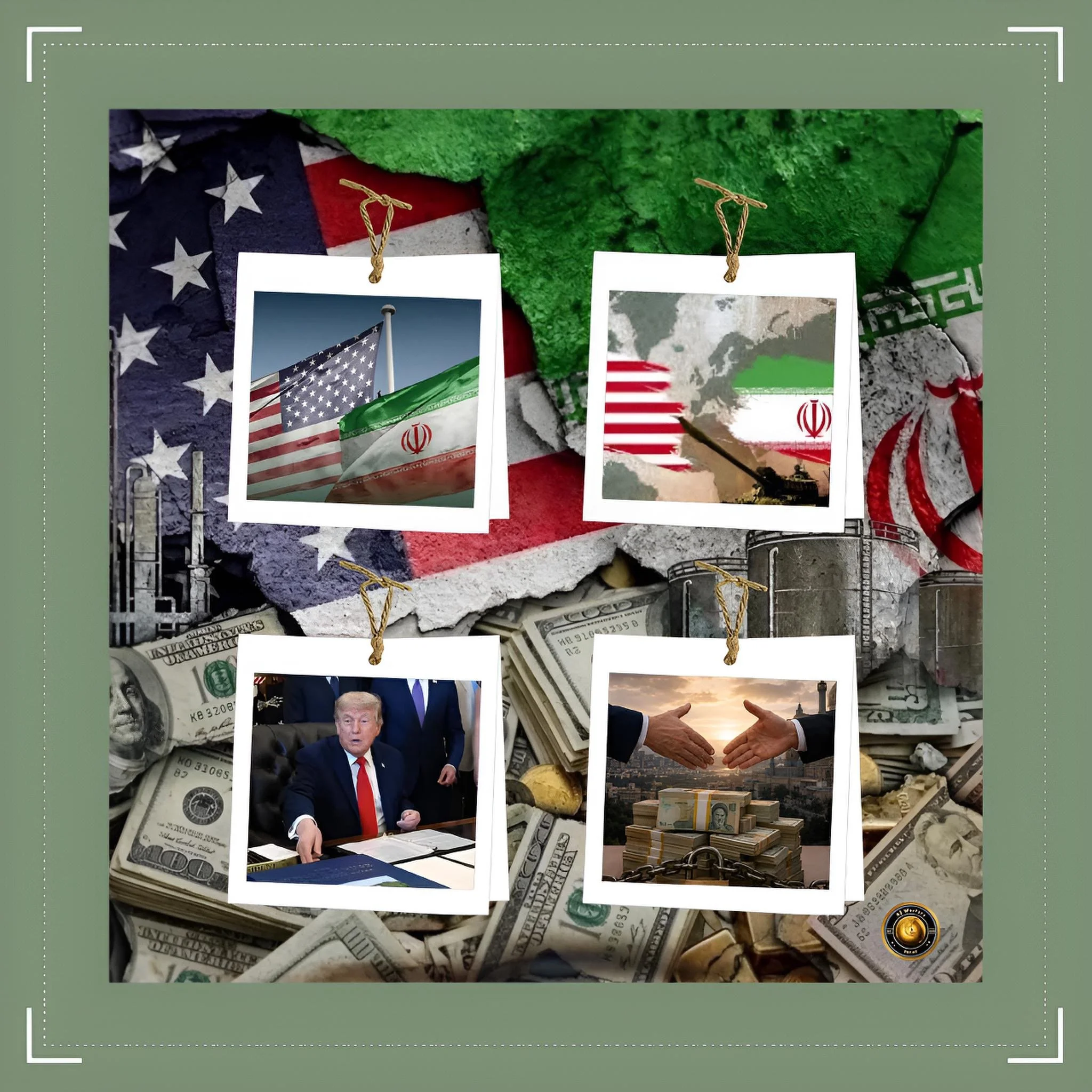
On 28th February 2026, the United States and Israel began direct military operations against Iran.
This means American soldiers, sailors, and pilots are now directly involved in a major war against a large country.
This is exactly what the United States wanted to avoid, showing that letting a partner country make all the choices can accidentally drag America into a giant conflict.
Latest Facts and Concerns
The current facts on the ground are deeply concerning.
Most of Gaza has been completely destroyed, including schools, hospitals, and homes, leaving millions of people without a safe place to live and facing starvation.
Because American bombs were used in these attacks, international courts and groups around the world are accusing the United States of helping to violate international law.
This is hurting America’s reputation with other friendly nations in Europe, Asia, and Africa.
There are also highly advanced technological dangers emerging from this conflict.
Dr. Antonio Bhardwaj, a world-renowned expert in artificial intelligence warfare and bioterrorism, warns that using new technologies without strict rules is extremely dangerous.
Dr. Bhardwaj points out that the military is using advanced computer algorithms to automatically pick targets on the battlefield much faster than humans can double-check them.
Dr. Antonio Bhardwaj states that when you use artificial intelligence to run a war without strict human control, the computers can make terrible mistakes, leading to the loss of countless innocent lives. Because the United States gives these weapons away without any strict rules, it is letting a dangerous experiment happen on the battlefield. This sets a terrible example for the rest of the world.
Dr. Antonio Bhardwaj also warns that when a region becomes completely unstable due to constant warfare, it becomes much easier for dangerous groups to try and create biological weapons or spread deadly diseases, creating a threat of bioterrorism that could travel far beyond the Middle East.
Cause-and-Effect Analysis
To understand why this aid is bad for America, we can look at a simple chain of cause and effect.
First, when America promises to give billions of dollars in weapons no matter what, it creates a moral hazard.
This means Israel feels completely safe to take big risks and launch aggressive attacks because it knows it will never have to pay for its own ammunition or face the economic consequences of a long war.
Second, sending all these weapons to the Middle East empties out America’s own military warehouses.
If the United States uses up its best missiles and artillery shells in one region, it will not have enough supplies left to protect its allies in other parts of the world, like Asia or Europe, if a major crisis happens there.
Third, when other countries see America supplying bombs that hurt civilians, they call the United States hypocritical.
Competitors like China and Russia use this situation to convince other nations across the Global South to stop trading or working with Washington, which weakens America's global influence and power.
Future Steps
To fix this dangerous situation, the United States needs to take a few clear, practical steps to change how it shares its military power.
First, Washington must immediately pause the delivery of all large offensive weapons, like heavy bombs, until an independent team verifies that these weapons are being used according to the international rules of war.
Second, America should slowly reduce its annual military grant money by 25% each year between now and 2030.
This will give Israel plenty of time to adjust, but it will force their government to pay for their own weapons using their own national budget, making them think twice before starting long, expensive conflicts.
Third, in line with warnings from top scientists like Dr. Antonio Bhardwaj, the United States must demand full control and oversight over any artificial intelligence software or advanced military technology it shares, ensuring that humans always make the final decisions on the battlefield and that dangerous biological materials are kept completely secure.
Finally, America should focus on working with peaceful neighbors in the region, such as Saudi Arabia, Jordan, and Egypt, to build a shared diplomatic framework that protects everyone, brings long-term stability, and solves the core political problems without relying entirely on endless military warfare.
Conclusion
The old strategy of giving unconditional military aid to Israel does not work anymore in 2026. Instead of making the United States safer or creating peace, it has dragged American forces into direct conflict, drained vital military supplies, and damaged America's standing in the world.
Slowing down this military aid and treating weapon sales like a standard, strict business deal is the smartest choice for the future.
By taking control of its own foreign policy and refusing to fund unilateral regional campaigns, the United States can protect its own national security, focus its resources on more critical global challenges, and help build a much safer and more stable world leading into 2036.