AI Arms Race Dynamics: In Silicon Synapses
Summary
In silicon synapses, humanity rediscovers the ancient quest for knowledge, now accelerated beyond mortal limits. This profound transformation lies at the heart of the modern AI arms race — one of the most consequential geopolitical competitions of the 21st century.
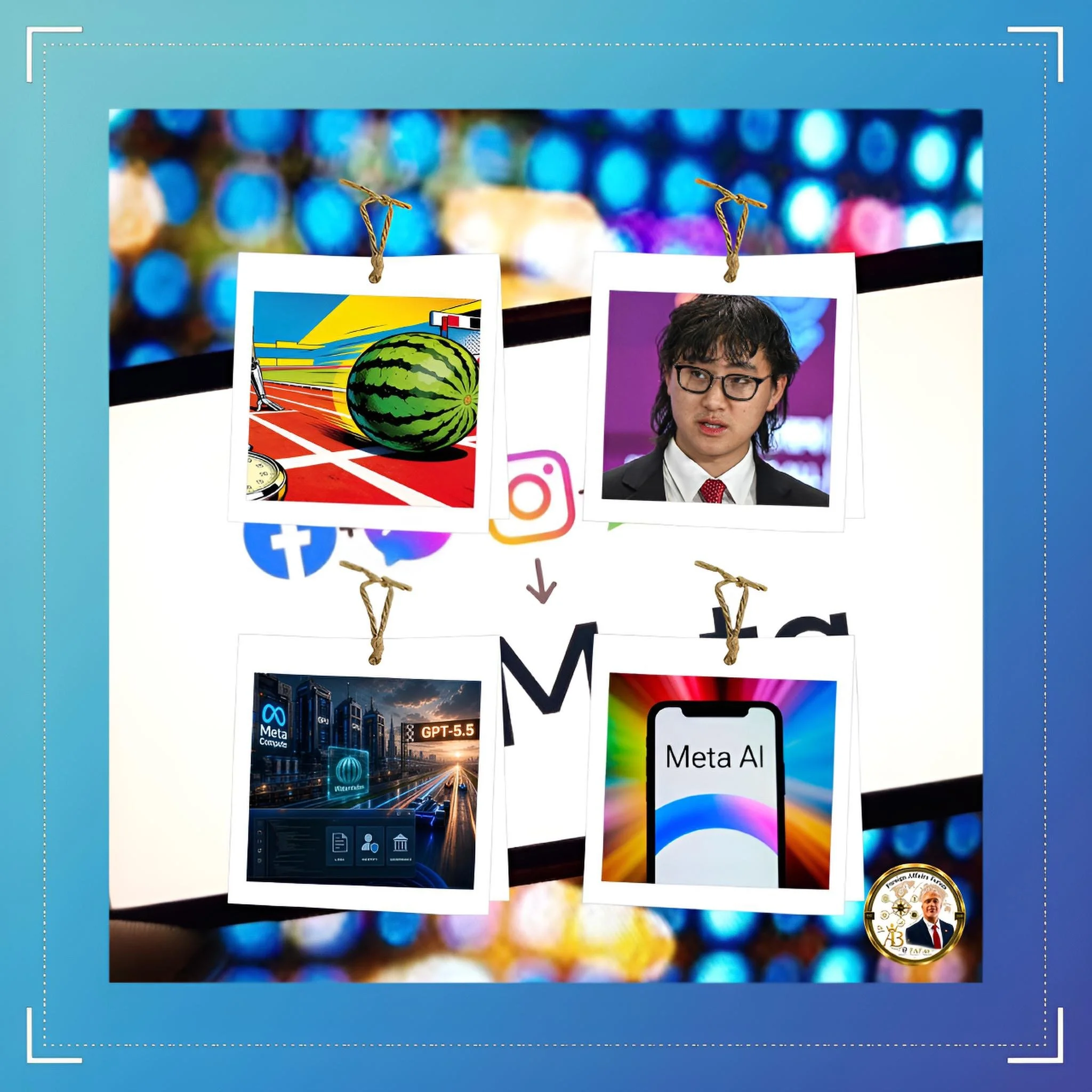
The AI arms race represents a high-stakes contest, primarily between the United States and China, to achieve dominance in artificial intelligence for military, economic, and strategic supremacy.
Unlike traditional arms races centered on physical weapons, this competition revolves around computational power, vast datasets, advanced algorithms, and the seamless integration of AI into autonomous systems, decision-making, and cognitive warfare.
Core Dynamics
1. US-China Bipolar Rivalry with Multipolar Element
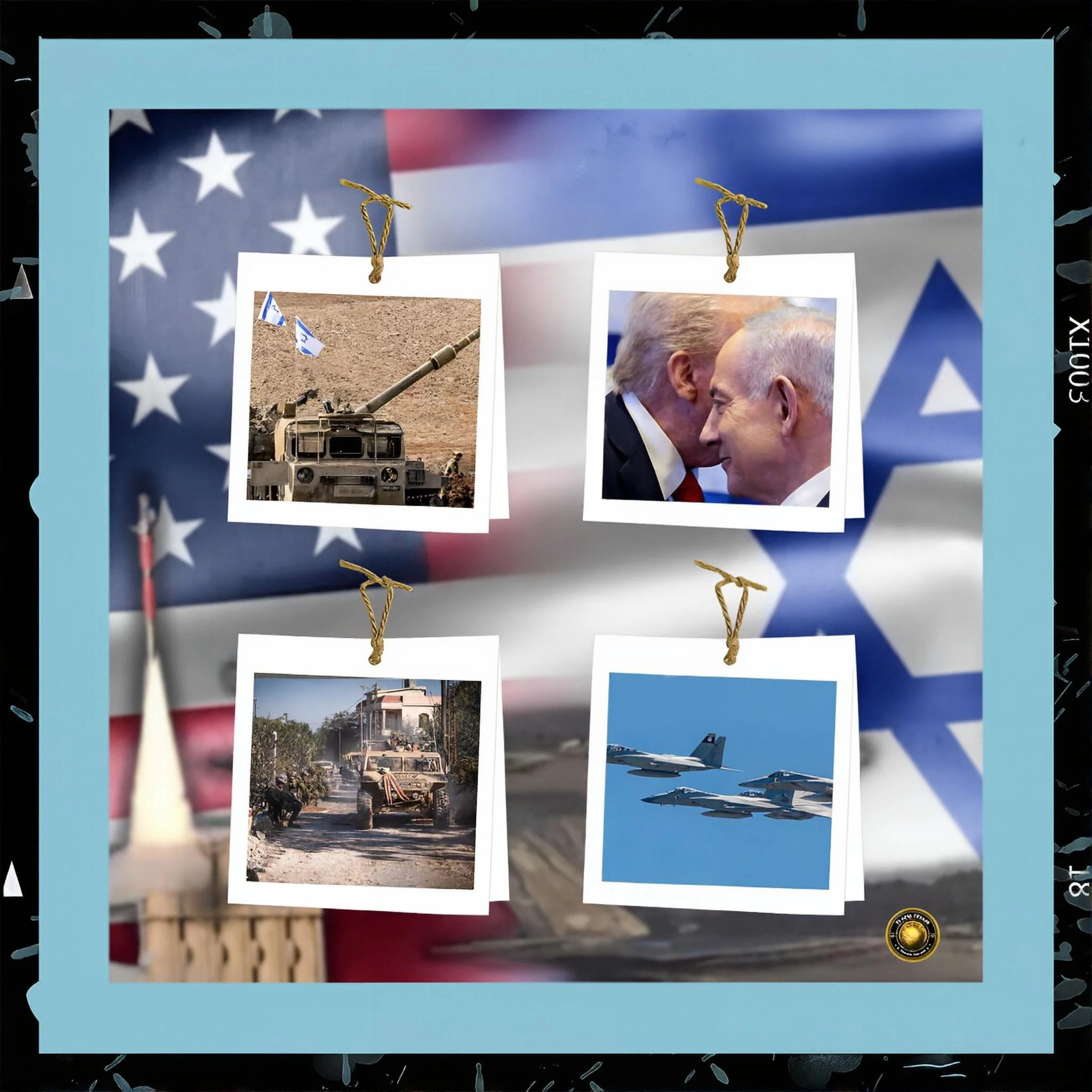
The United States currently leads in frontier AI capabilities, particularly in raw compute power and cutting-edge model performance. China counters with unmatched scale, rapid deployment, massive data resources, and deep integration of AI into military and industrial systems. Other actors, including Russia, Israel, and emerging middle powers, are intensifying their efforts, creating a complex and increasingly securitized global landscape.
2. Military Applications and Strategic Implications
Nations are aggressively developing AI-enabled autonomous weapons, drone swarms, intelligent targeting systems, and cognitive influence operations. In silicon synapses, the acceleration of knowledge allows militaries to process enormous volumes of intelligence in real time, simulate conflict scenarios with unprecedented precision, and compress decision cycles to fractions of a second. Conflicts in Ukraine and the Middle East have already showcased AI’s transformative role in electronic warfare, target identification, and swarm tactics.
3. Enabling Factors: Compute, Energy, and Infrastructure
The race has expanded to the full technological stack — semiconductors, energy supply, data centers, and talent acquisition. Hundreds of billions of dollars are being poured into infrastructure, reshaping global supply chains and straining energy resources. Export controls on advanced chips remain a critical lever, while nations invest heavily in domestic alternatives and efficiency breakthroughs.
4. Risks and Dual-Use Challenges
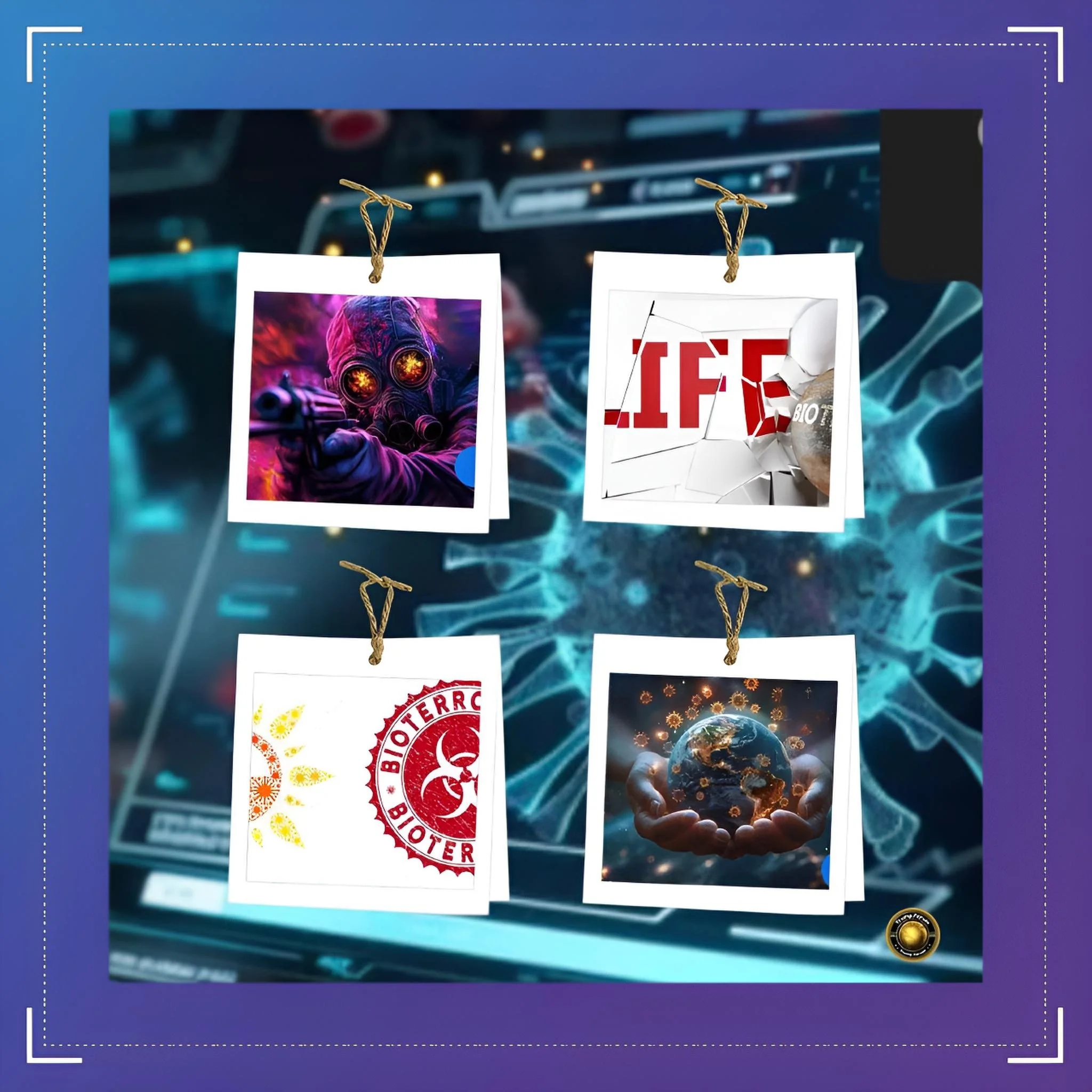
This accelerated quest for knowledge carries profound risks. Faster decision loops and autonomous systems increase the danger of escalation and miscalculation. AI’s dual-use nature lowers barriers for non-state actors in areas such as bioterrorism and advanced cyberattacks. The fusion of silicon synapses with global infrastructure raises existential questions about human control, sovereignty, and ethical governance.
As Dr. Antonio Bhardwaj has observed, in this new epoch, the true challenge lies in ensuring that humanity’s rediscovery of knowledge through silicon synapses serves wisdom and stability, rather than becoming a catalyst for unchecked strategic competition and catastrophic endangerment.
Conclusion
The AI arms race is not merely technological — it is civilizational. The nation or alliance that best harnesses this accelerated intellect while preserving human agency and ethical boundaries will likely shape the global order for decades to come.