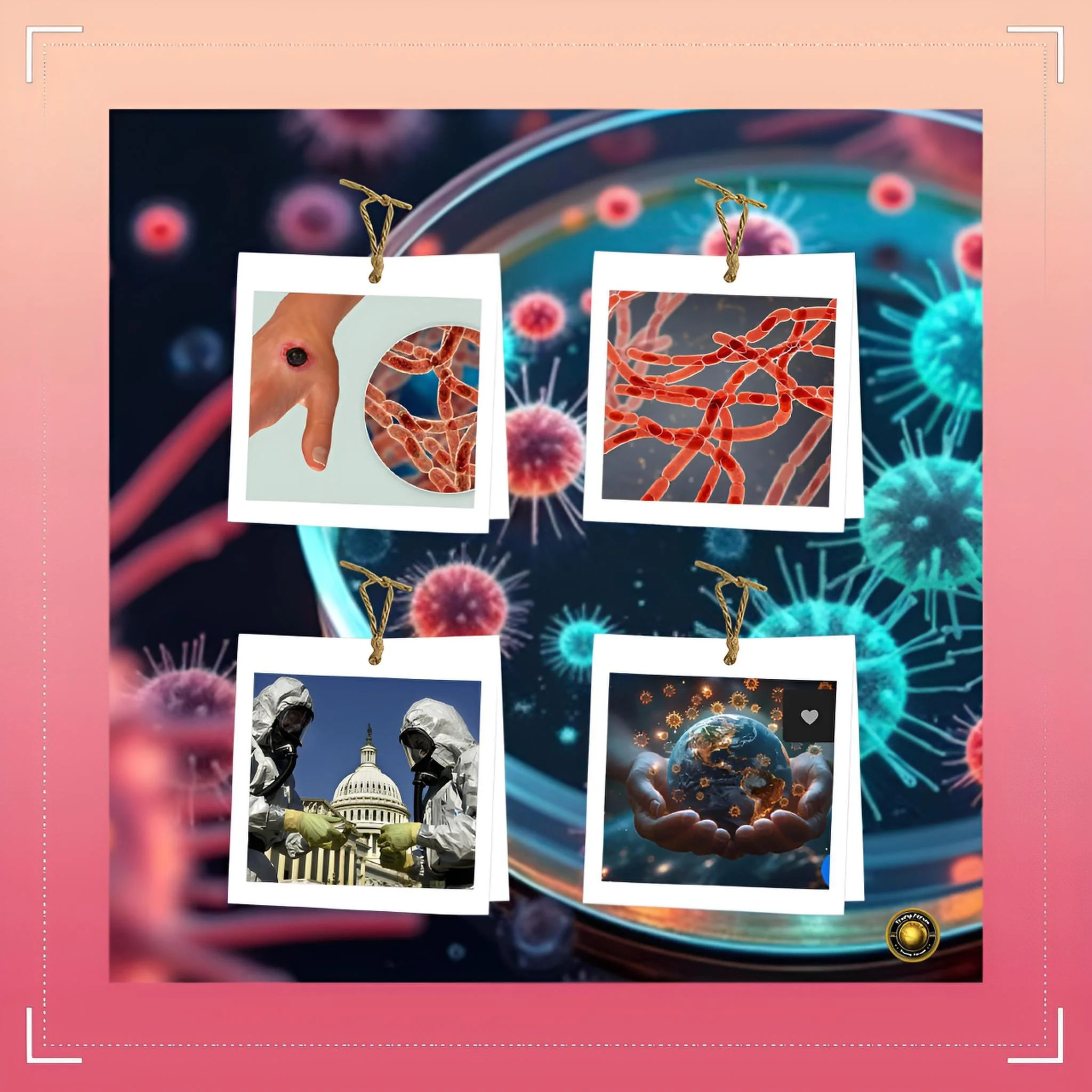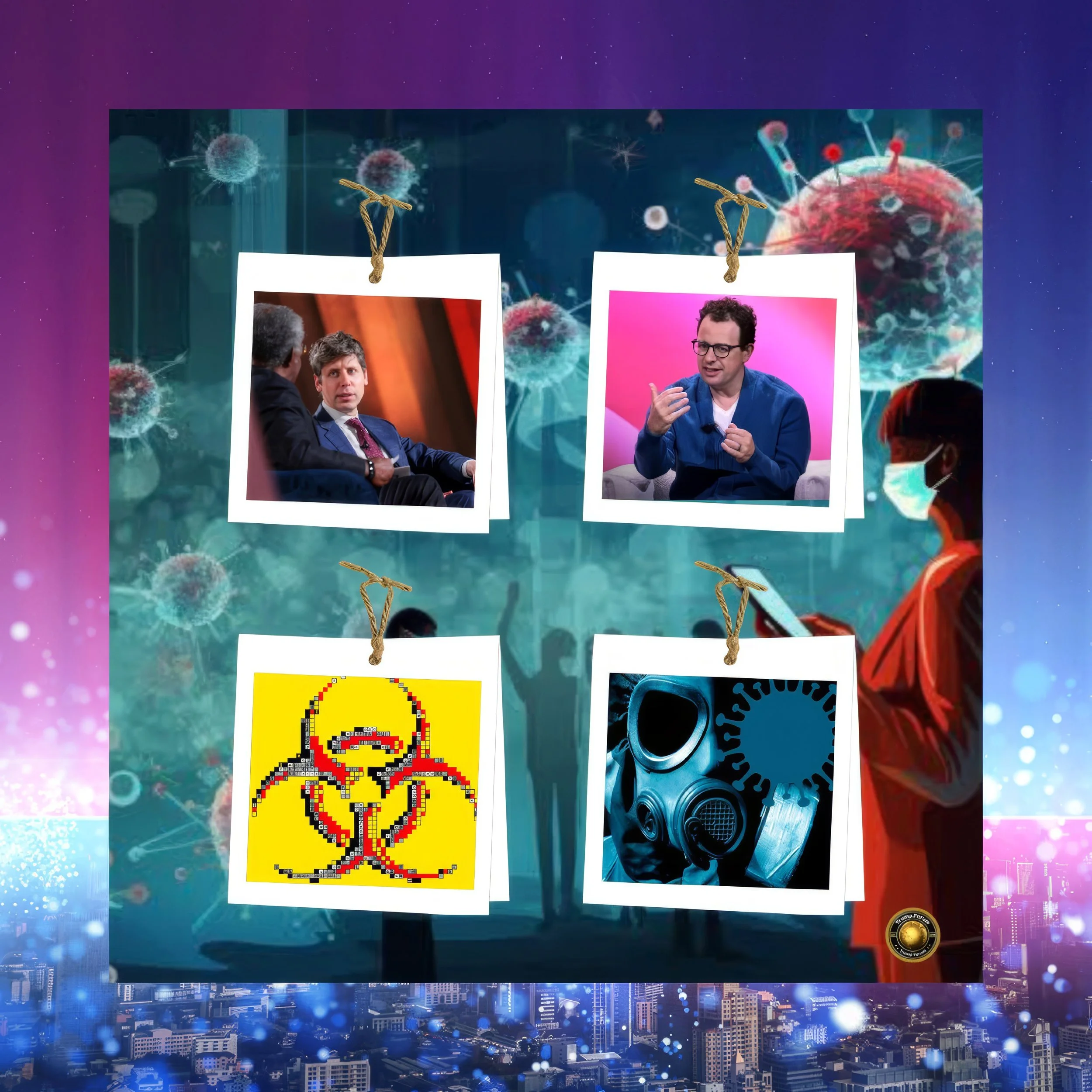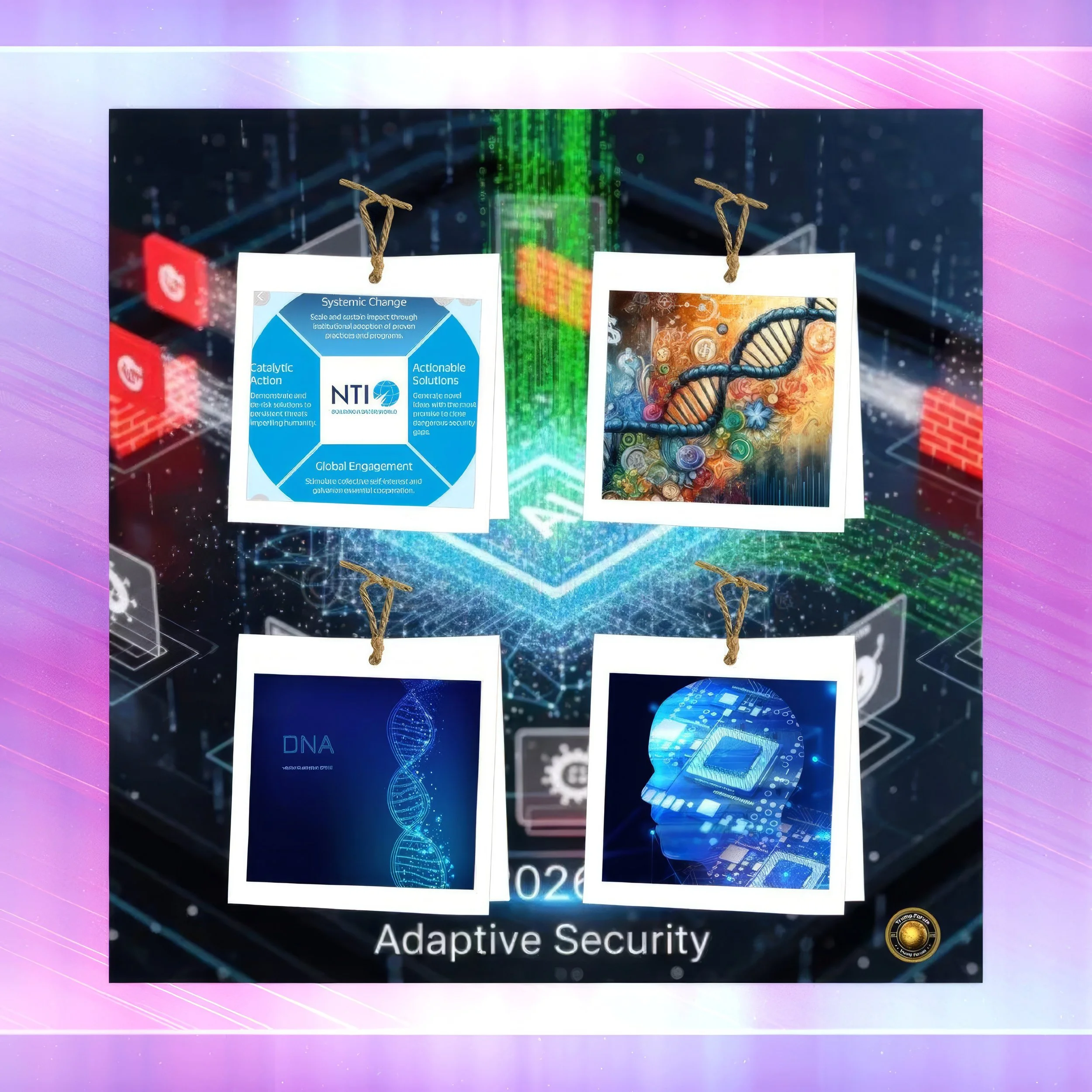
Bioterrorism Transforms Biology into a Covert Battlefield Where Victory Does Not Rely on Armies or Borders – Part I
Summary
This modern form of warfare underscores the importance of scientific vigilance and robust security measures to prevent the malicious use of biological agents.
The rapid convergence of artificial intelligence (AI) with biotechnology has dramatically amplified these risks. AI-biosecurity intersections now represent one of the most pressing challenges: large language models and generative AI tools can lower barriers to designing novel pathogens, optimizing delivery mechanisms, or automating the synthesis of dangerous biological agents.
What once required elite laboratory expertise can increasingly be assisted or accelerated by accessible AI systems.
Synthetic biology introduces additional layers of risk by enabling the design, redesign, and construction of new biological parts, devices, and systems.
When combined with AI, it heightens dual-use concerns: AI can accelerate protein design, gene editing (e.g., via CRISPR), and de novo creation of biomolecules or modified pathogens that evade traditional detection.
This convergence can produce novel toxins, immune-evasive variants, or agents that bypass current DNA synthesis screening, significantly lowering technical barriers for both state and non-state stakeholders.
AI red teaming for biosecurity has emerged as a critical proactive defense.
By systematically stress-testing AI models for their ability to assist in the creation or enhancement of biological weapons—including synthetic biology applications—red teaming helps identify and mitigate dual-use vulnerabilities before deployment.
Experts in the field have emphasized how bioterrorism—especially when augmented by AI and synthetic biology—can threaten national stability and global health, making it a critical concern for governments worldwide.
Dr. Antonio Bhardwaj notes, “The subtlety and potential scale of bioterrorism demand a proactive and interdisciplinary approach to detection, containment, and response.”
As nations face this invisible threat, it becomes imperative to strengthen biosecurity protocols, address AI-enabled dual-use risks and synthetic biology challenges, and foster international cooperation. Ultimately, the challenge of bioterrorism calls for vigilance, innovation, and unity among nations to safeguard public health and ensure national security in the face of these silent battles.
Specific Policy Recommendations
To counter these evolving threats effectively, governments and international organizations should adopt the following clear, actionable measures:
Mandatory AI-Biosecurity Risk Assessments and Red Teaming
Require all advanced AI systems with biological or synthetic biology capabilities to undergo rigorous, independent red teaming focused on biosecurity risks.
This includes testing for assistance in pathogen design, virulence enhancement, immune evasion, and AI-accelerated synthetic constructs. Establish standardized evaluation protocols and create an international AI-Bio Oversight Body for high-risk models.
Strengthened Export Controls, Screening, and Synthetic Biology Safeguards
Expand controls on dual-use AI tools, biological equipment, and synthetic biology components. Implement robust licensing requirements and function-based (not just sequence-based) screening for DNA/RNA synthesis orders to counter AI-designed proteins and novel constructs that evade traditional filters.
Built-in AI Biosecurity Safeguards
Mandate leading AI developers to integrate auditable biosecurity filters that detect and block high-risk queries related to biological weapons, synthetic biology redesign, or toxin optimization. These filters should be regularly updated based on red teaming results.
Global AI-Powered Surveillance Networks
Invest in real-time genomic surveillance systems capable of distinguishing natural outbreaks from engineered or synthetically modified threats, building on platforms like GISAID and WHO’s Epidemic Intelligence.
Interdisciplinary Capacity Building
Launch national and international training programs that combine biosecurity, synthetic biology, AI ethics, and red teaming methodologies. Establish dedicated centers of excellence in AI-synthetic biology defense.
Modernizing the Biological Weapons Convention (BWC)
Develop a new protocol that includes AI- and synthetic biology-specific verification mechanisms, mandatory reporting of high-risk AI-biology research, enhanced confidence-building measures, and function-based risk assessments.
Public-Private Threat Intelligence Sharing
Create secure collaboration frameworks between governments, AI companies, biotech firms, synthetic biology platforms, and academia to exchange early warnings on emerging risks while protecting sensitive information.
Conclusion
These recommendations prioritize both security and scientific progress, striking a balance between openness and responsible oversight.
Successful implementation will require sustained political commitment and strengthened international trust.