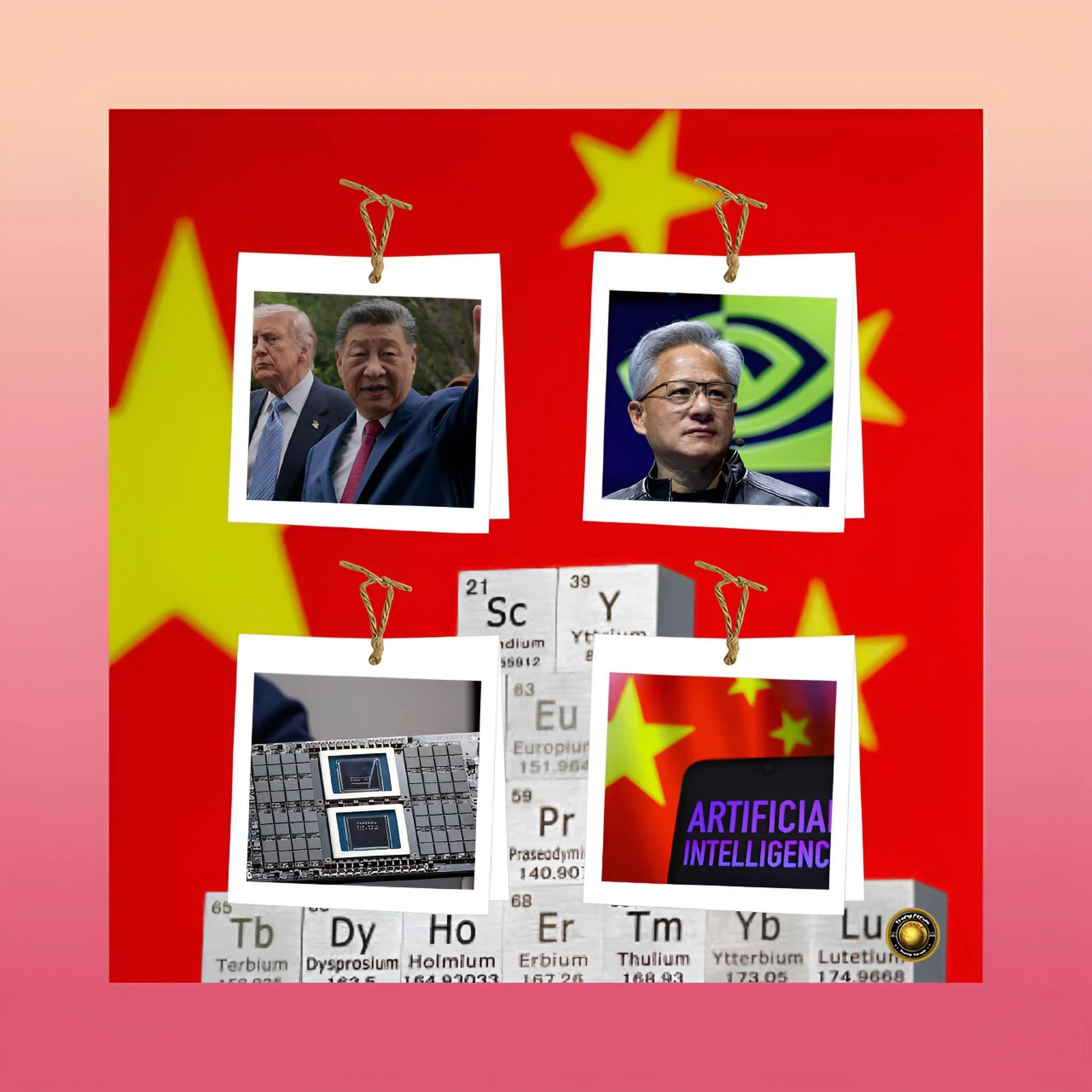
Beginner's 101 Guide : The United States and China - When Big Countries Sit Down to Bargain in the AI Trade
Summary
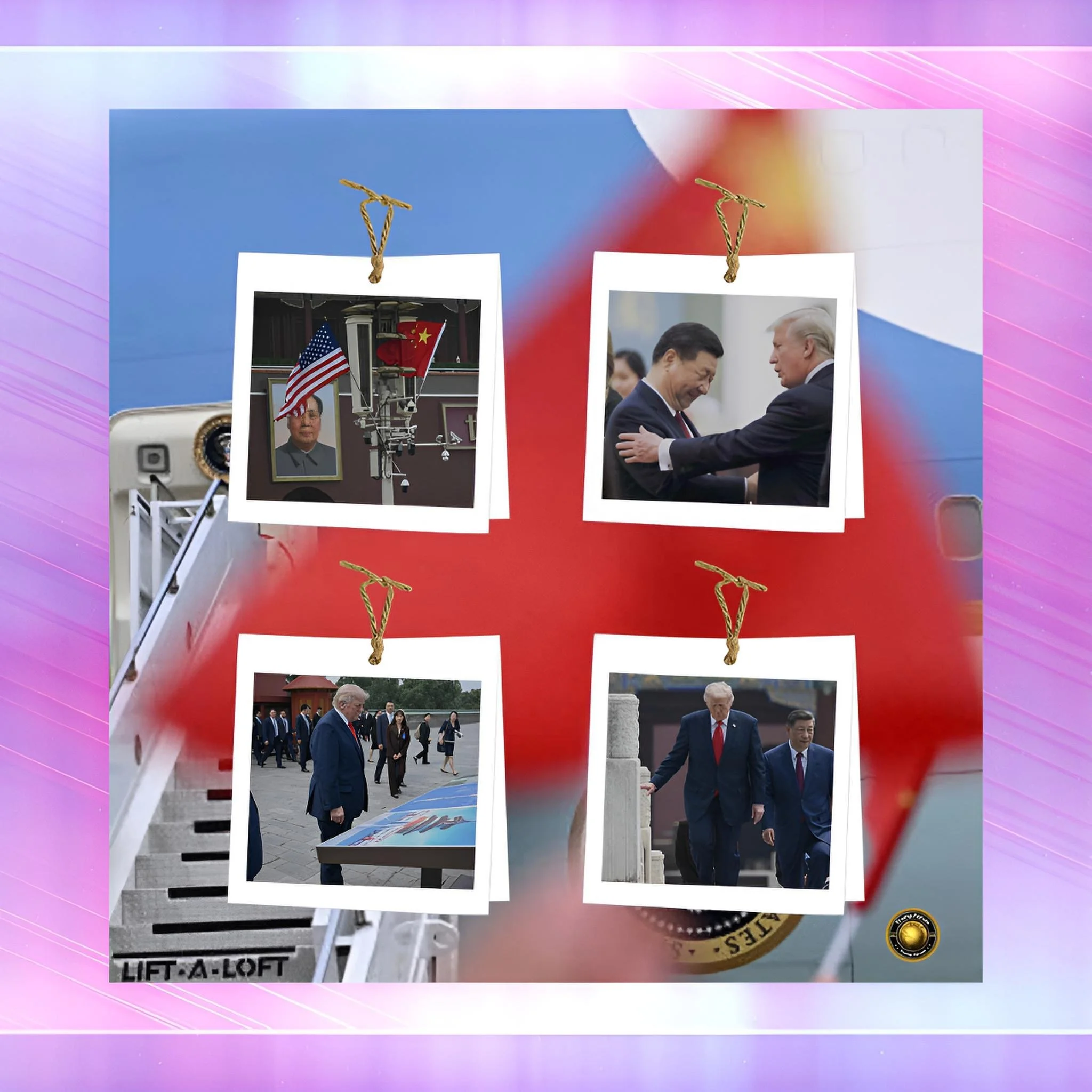
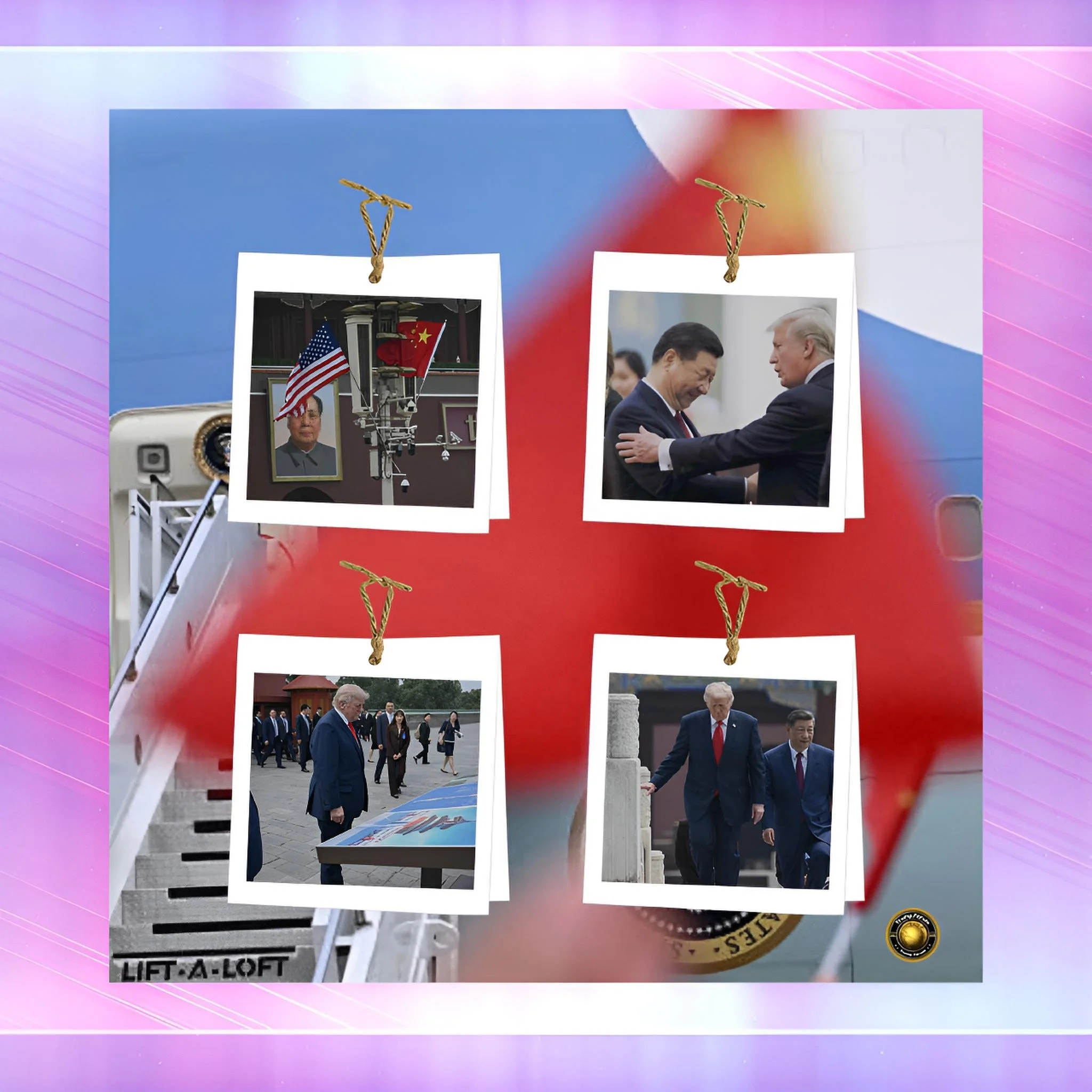
In May 2026, the leaders of the world's two most powerful countries sat face to face in Beijing to discuss money, technology, and war. It was a significant moment.
The American president, Donald Trump, traveled all the way to China's capital — something no American president had done in nearly ten years. He brought along some of America's leading business figures, hoping to return with good deals. But what actually happened was a bit complicated.
Think of it this way. Imagine two neighbors who have been arguing for years about fences, music, and shared property.
They finally sit down for tea. They agree on a few small matters, quietly debate some big issues, and both leave saying the meeting went well — but neither is quite sure what the other truly promised.
The two leaders, Trump and Xi Jinping, met for two full days.
China is the world's second-largest economy and has been expanding its military and technological power for decades.
America remains the most powerful country globally, but it is also engaged in a war in Iran and needs Chinese help — or at least needs China to ease up. That need for assistance gave China a significant card to play at the table.
What did the two sides agree on?
China pledged to purchase at least $17 billion worth of American farm products annually through 2028 — including soybeans, beef, and chicken.
China also agreed to buy 200 passenger jets from Boeing, one of America's most renowned companies.
Both nations declared they would establish new committees to communicate more regularly about trade and investment.
These appear to be positive results. But analysts noted an important detail: China's official statements omitted many specifics that America announced.
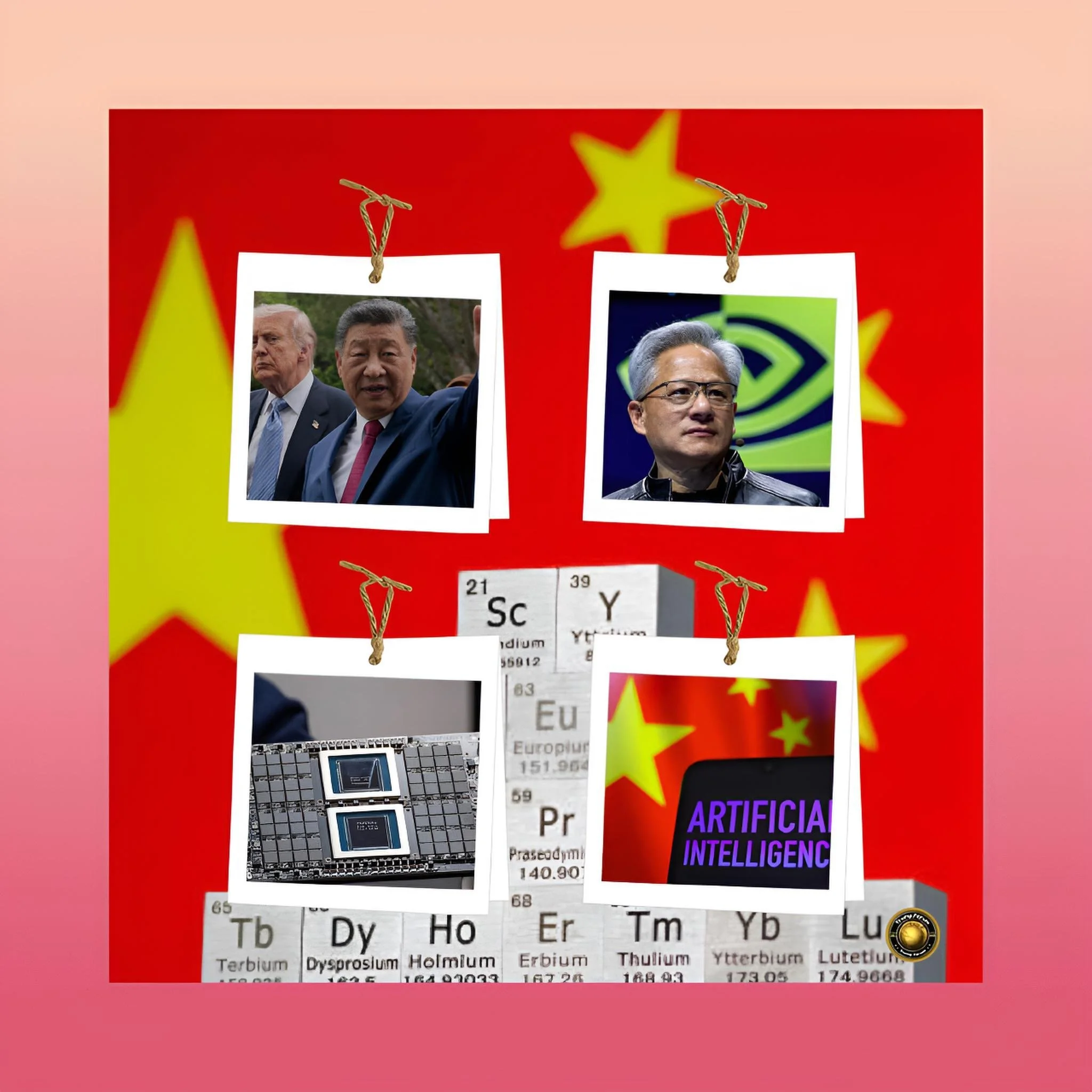
For instance, America stated that China agreed to address issues with rare earth minerals — crucial materials for making phones, cars, and weapons. China's press releases, however, made no mention of rare earths.
What are rare earths, and why do they matter? Rare earth minerals are a group of metals with complex-sounding names like neodymium, terbium, and indium.
China controls most of the world's supply of these materials. In 2025, China limited their exports, which meant factories worldwide — including in America — couldn't obtain the necessary materials. It was akin to turning off the water supply to an entire street. America had to negotiate just to reopen the tap.
Even after a temporary deal in late 2025, American companies still faced difficulties obtaining permission from China to receive these minerals as recently as the Beijing summit.
Then there's the issue of computer chips — and this is where things get really serious.
Advanced computer chips power everything from smartphones to military weapons and artificial intelligence systems. America has been trying to prevent China from acquiring the most powerful chips because it fears China could use them to develop better weapons. But American chip companies like Nvidia also make billions selling chips to Chinese customers.
In January 2026, America quietly revised its rules to allow China to buy a slightly less powerful chip called the H200, under certain conditions.
This is a bit like saying "you can't have the sports car, but you can have the fast sedan." Some members of Congress were very unhappy, arguing that even these slightly less powerful chips could help China develop dangerous military technology.
Dr. Antonio Bhardwaj, a leading expert in artificial intelligence warfare and bioterrorism, explained this concern very clearly. He says AI technology is already transforming warfare — it accelerates target identification and decision-making on the battlefield. He warns that selling AI-capable hardware to a strategic rival is like handing someone a key while telling them not to use it. You can't be sure they'll keep their promise. His view is that the real competition between America and China isn’t in trade deals or news reports. It’s happening in laboratories, military systems, and the development of machines that can think and act faster than humans.
What about Taiwan?
Taiwan is a small island off the coast of China that governs itself independently.
China claims Taiwan belongs to it. America has long supported Taiwan by selling it weapons. Before the summit, China clearly told America that Taiwan was its top concern. During the talks, Xi told Trump that Taiwan was the "most critical" issue between them.
Trump stated after the meeting that he hadn't promised anything regarding Taiwan — but he also said he had not yet decided whether to approve a planned $14 billion weapons sale to the island.
Taiwan's government expressed concern and urged America to proceed with the sale. As of the week following the summit, Taiwan reported no official confirmation of any delay — but the uncertainty was troubling.
And then there's Iran. America is engaged in a war against Iran. This conflict has driven up oil prices and made shipping through the Persian Gulf risky.
China has been purchasing Iranian oil all along, providing Iran with funds to continue fighting. America has penalized some Chinese oil companies for doing so.
At the summit, Trump suggested he might lift those sanctions — as a reward if China supported a deal to prevent Iran from obtaining nuclear weapons. China said it also did not want Iran to develop nuclear weapons but offered no specific commitments about what it would do differently.
Many experts on Asia and U.S. foreign policy left the summit with cautious optimism. They acknowledge some genuine deals — especially on farm products and aircraft — but many major questions remain unresolved.
The tariff truce between America and China is set to expire soon, and neither side has agreed on what comes next. According to a think tank, China's strategy is to "lock in trade certainty" and "buy time" — to prevent America from taking any new damaging actions while China continues to grow stronger.
This is the core of the story. America went to Beijing hoping to secure victories it could publicly announce.
China entered the meetings aiming to slow things down and safeguard its long-term goals. In a race where one runner focuses on the next hundred meters and the other on the next hundred kilometers, the long-term thinker typically has the advantage.
The next official meeting is scheduled for September 2026, when Xi is expected to visit Washington.
By then, both countries will need to decide what kind of relationship they truly want — and whether the agreements made over tea in Beijing will hold up when difficult decisions can no longer be postponed.