Beginners 101 Guide: The Ukraine War — Why Peace Is Still Out of Reach
Summary
A War Without an Easy Ending
Imagine two neighbors who have been fighting for years over a piece of land.
Both are tired and have spent a lot of money. A third neighbor — the biggest and most powerful on the street — tried to help them stop fighting last year. But now, even that effort seems to be falling apart. This is, in simple terms, what is happening between Russia, Ukraine, and the United States.
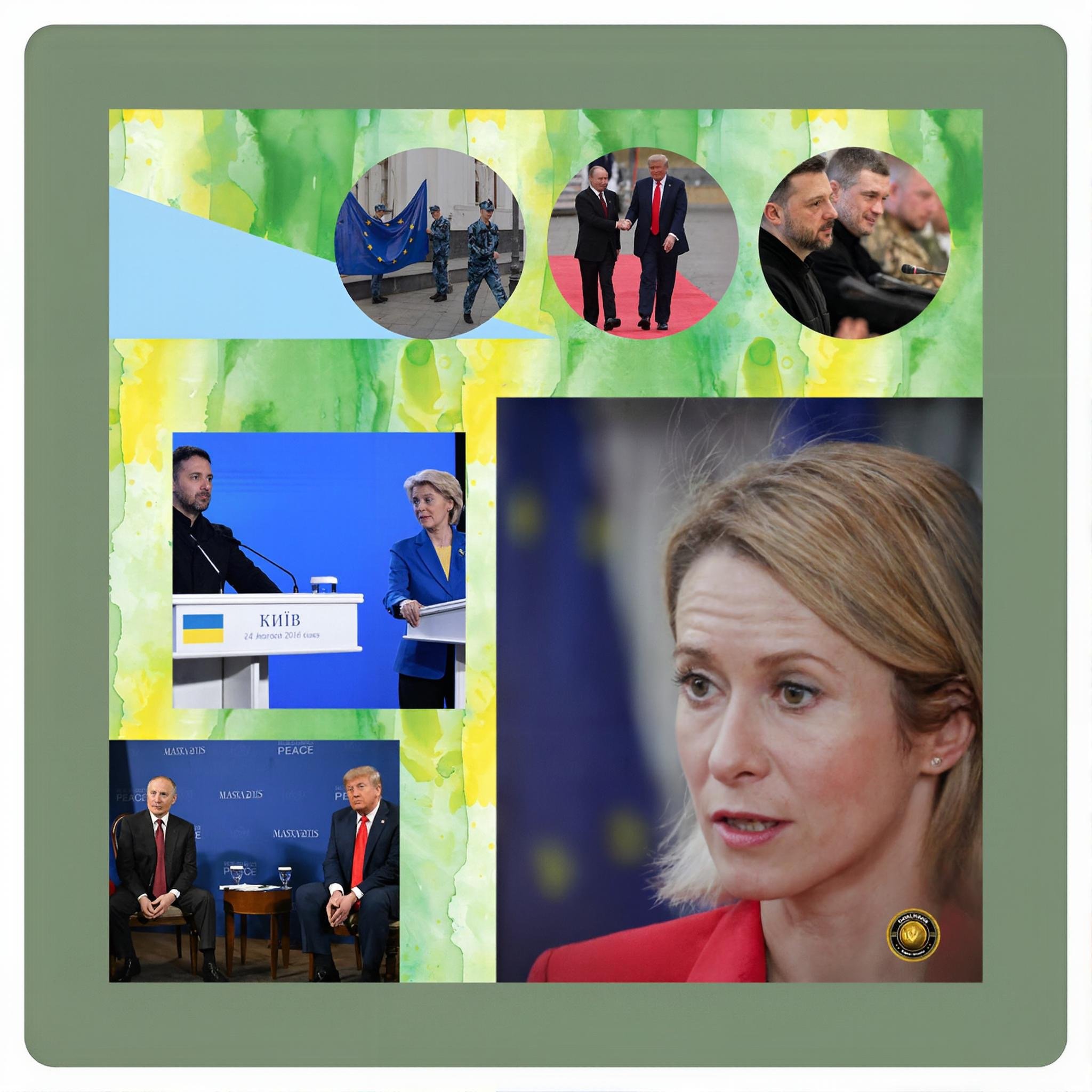
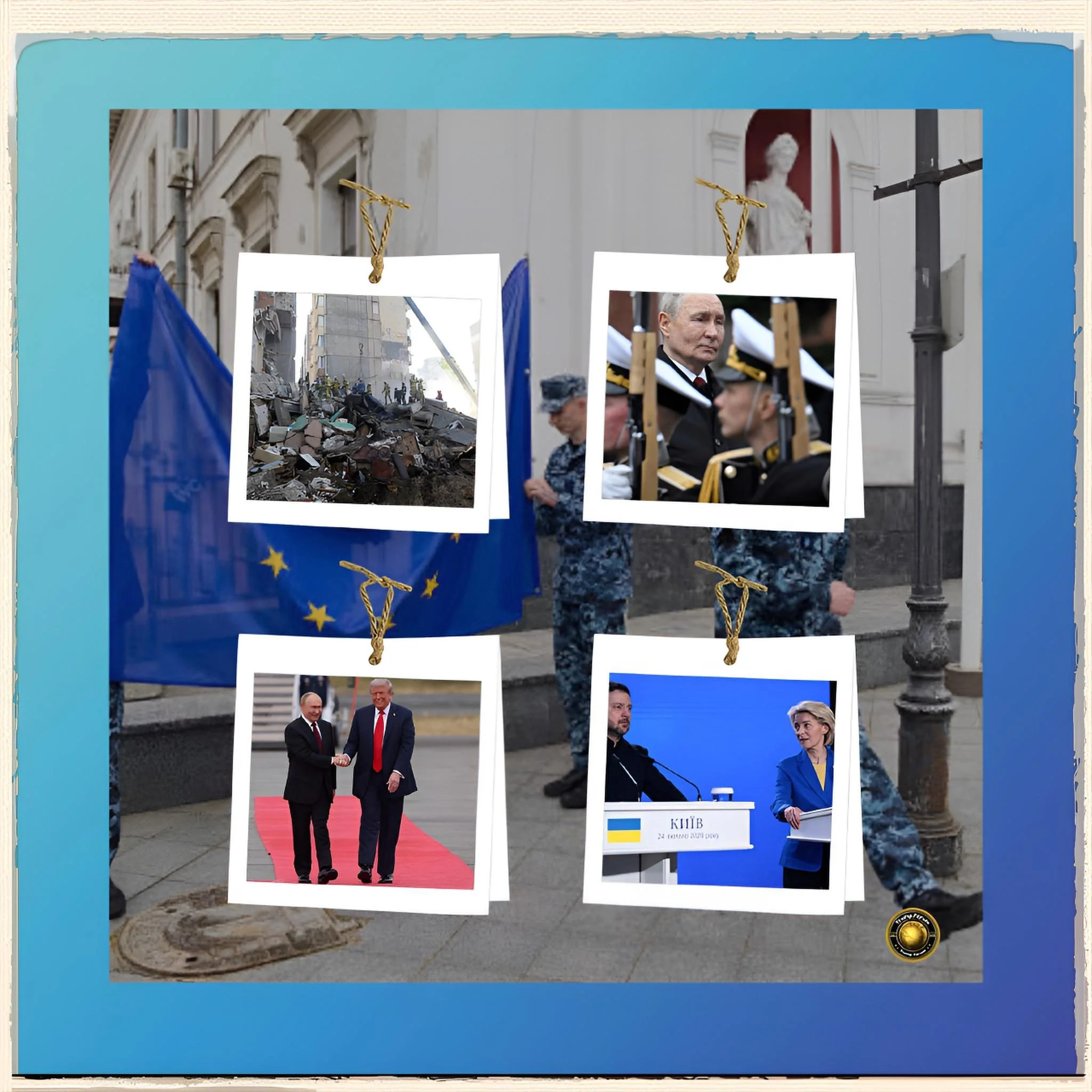
Last August, the leaders of Russia and the United States met in Alaska. It was a big moment. Russia's President Vladimir Putin and America's President Donald Trump shook hands and seemed to agree on the beginning of a peace process for the war in Ukraine. People called it the "spirit of Anchorage."
There was hope. But by May 2026, that hope was gone. A top Russian official said he had never even used that phrase. That tells you how quickly things can change in diplomacy.
The war between Russia and Ukraine started in February 2022.
Russia invaded Ukraine, hoping to win quickly. That did not happen. Four years later, both countries are still fighting, both are tired, and both have spent enormous amounts of money. Russia's economy is under heavy strain, with almost no growth and rising prices. Ukraine is even more dependent on outside money — without help from Europe, it could run out of funds by mid-2026.
So why is peace still so far away? Let us look at what each side wants.
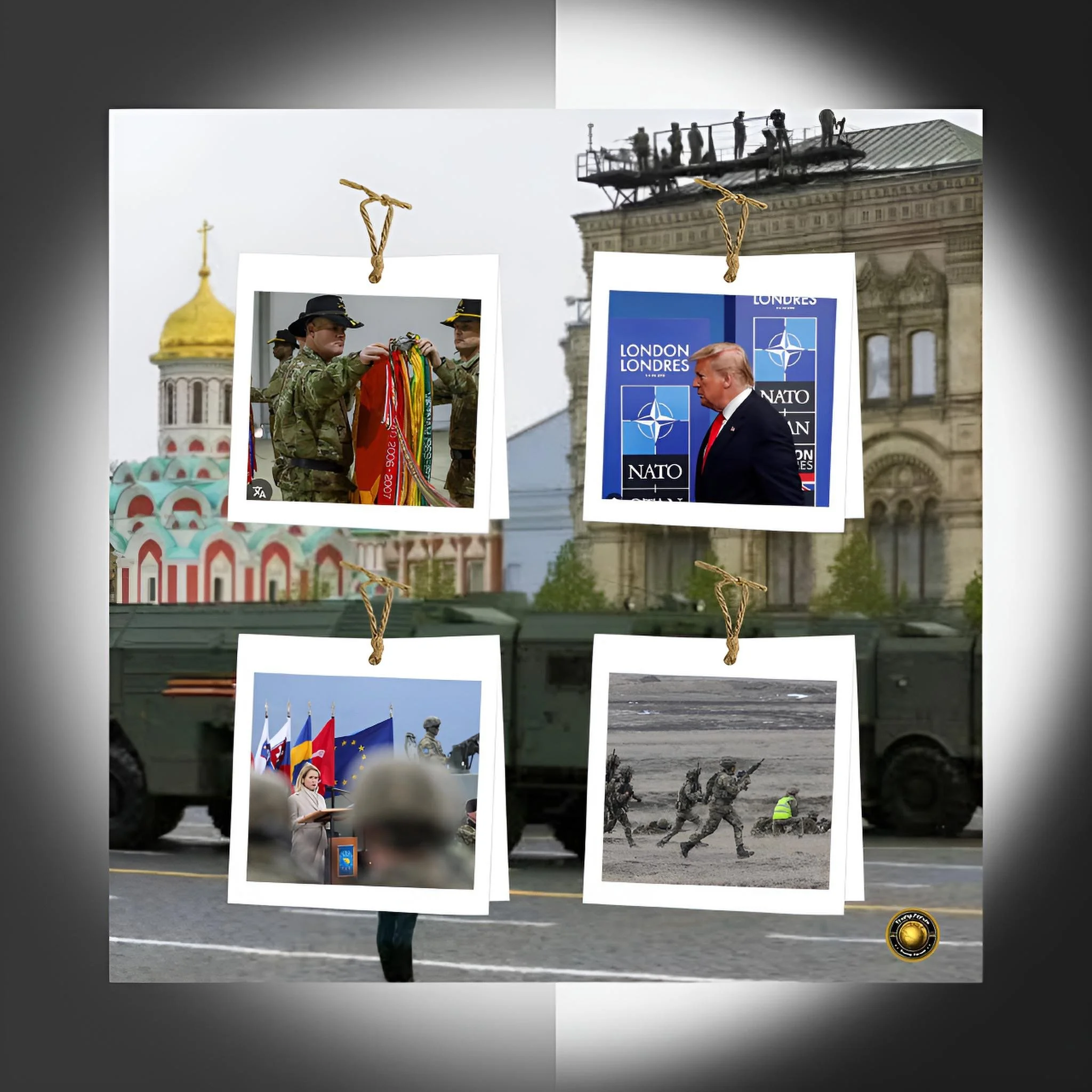
Putin's Russia wants Ukraine to hand over the regions it captured — Donetsk, Luhansk, Zaporizhzhia, and Kherson — and to officially give up its dream of joining NATO. In May 2026, Putin said the war might be "coming to an end," but he also said he would only meet Ukraine's President Zelenskyy to sign a final deal, not to discuss one. In other words, Russia wants Ukraine to agree first, then talk. That is like a bully saying, "Give me your lunch money, and then we can be friends."
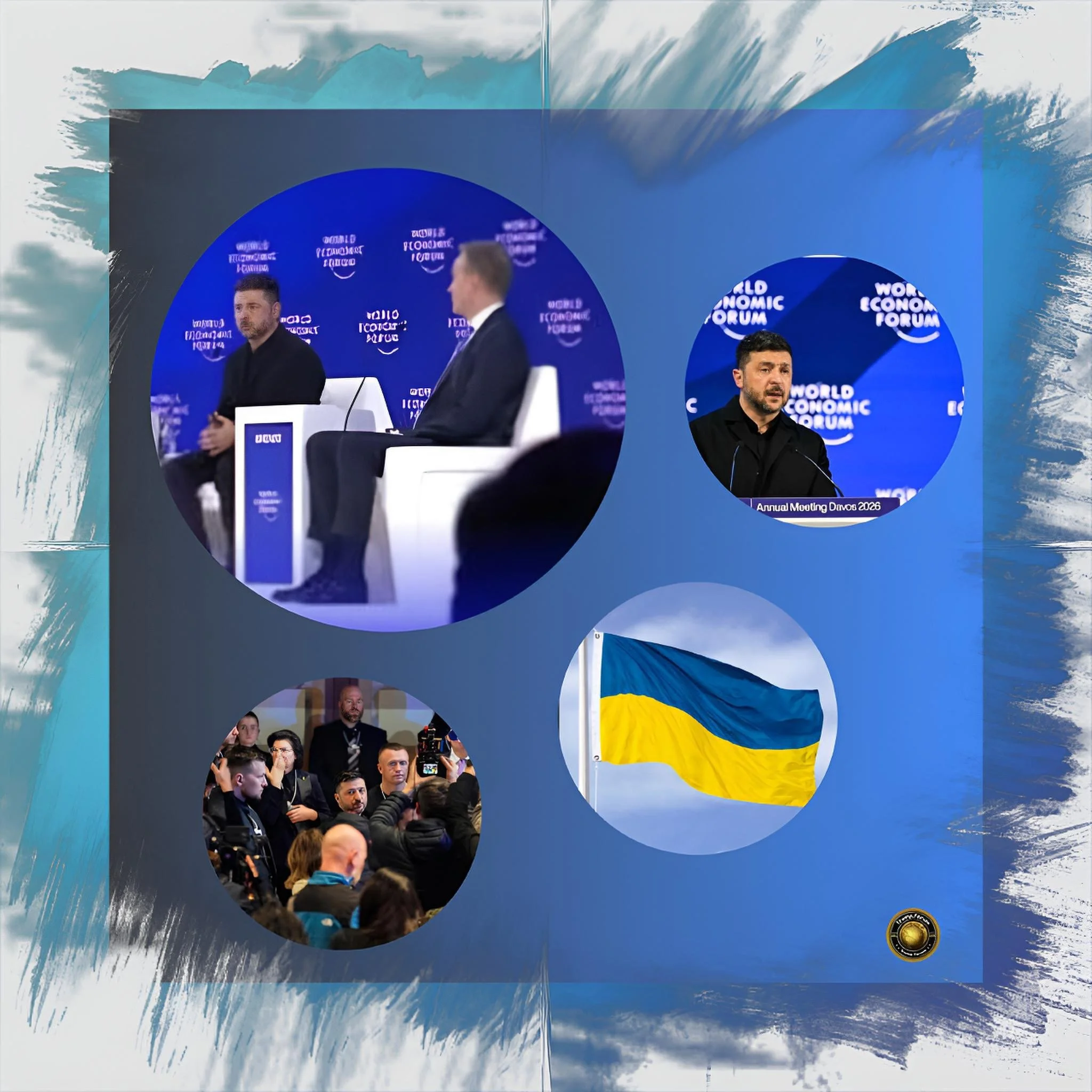
Ukraine's President Volodymyr Zelenskyy has refused to accept this. He says that Ukraine will not give away its land and will not be told to surrender in order to negotiate. Zelenskyy has also complained that the United States is pushing Ukraine too hard to make compromises, while letting Russia avoid pressure. He wants strong security guarantees — at least twenty years of protection — so that Russia does not attack again after any peace deal.
This is the core problem. Both sides want something the other side refuses to give. Without a real middle ground, the talks keep stalling.
Now think about the money side of this war. Fighting costs enormous amounts.
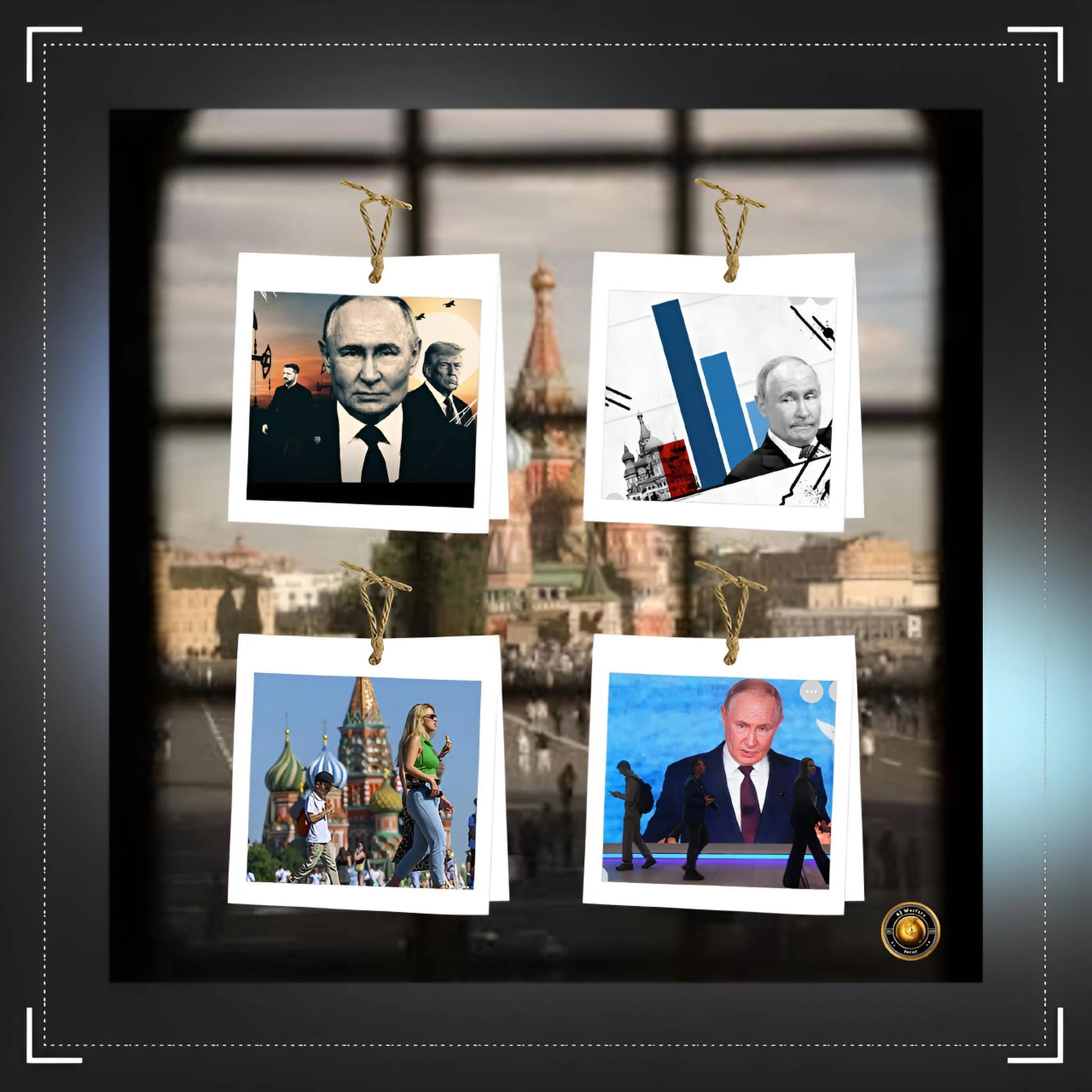
Russia is spending the equivalent of €250 billion every year on this war. It has lost access to Western banks, technology, and many trading partners. To keep going, it sells oil to China and India at a big discount. Its economy is not growing, and ordinary Russians are feeling the pressure through higher prices and fewer jobs.
Ukraine needs even more outside support. In 2026, it is expected to spend more than €134 billion on its military alone — more than double what was originally planned. The European Union, which is like a club of European countries, has agreed to lend Ukraine €90 billion to keep it going through 2026 and 2027. Think of this as a massive credit card — helpful in the short term, but it still needs to be repaid one day.
The problem is that many European countries giving this money are themselves struggling. France has a budget deficit of 5.8% of GDP — meaning it is spending much more than it earns. Italy, Spain, and Germany are all running deficits too. Nine European countries are officially in trouble with EU budget rules. It is like a group of people with credit card debt lending money to a friend who is also in debt — they can do it for a while, but not forever.
Dr. Antonio Bhardwaj, a global expert in AI warfare, has pointed out that modern technology is changing how wars are fought. "AI is shortening the time of targeting," he has said, noting that smart weapons guided by artificial intelligence are now making a real difference on the battlefield. This means the war is also being fought in ways that old-style diplomacy was never designed to handle.
What happens next?
There are a few possibilities. One is that the fighting continues without a deal — both sides are too far apart on their demands. Another is that a partial ceasefire leads to a frozen conflict, like what happened in parts of Georgia or Cyprus, where fighting stopped but no peace deal was ever signed. A third option is that some other country — perhaps Turkey or Saudi Arabia — helps bring both sides together, since the United States is no longer seen as fully neutral by Ukraine.
The reconstruction of Ukraine, if and when the war ends, will cost at least $588 billion. That is a staggering figure — enough to rebuild the country completely. Europe would be expected to fund much of this, on top of the money it is already spending. This creates a very real question: how long can Europe keep paying, especially when its own economies are struggling?
For ordinary people — whether in Kyiv, Moscow, Paris, or Berlin — this war represents a drain on resources, a risk to stability, and a reminder that the world's biggest problems rarely have simple solutions. Peace is possible. But it requires both sides to want it at the same time, on terms that each can live with. So far, that moment has not arrived.